
Asia Airspace Congestion: Over 3,900 Flight Delays and 140 Cancellations Impact Singapore Changi and Regional Aviation Hubs
Aviation records from August 29, 2026, show 141 cancellations and 3,940 delays across Asia, affecting Singapore, Beijing, Tokyo, and Kuala Lumpur.

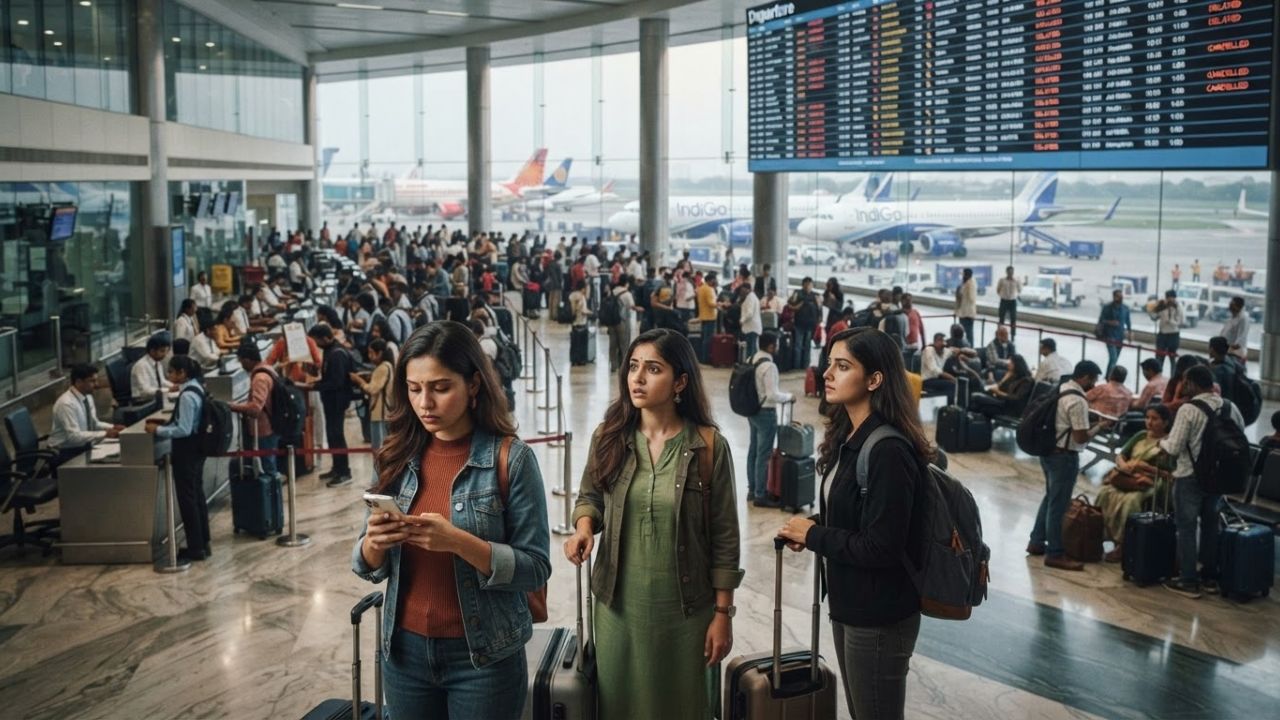
Image generated by AI
With aviation records showing 141 cancellations and 3,940 delays across Asia, travelers face extensive schedule changes at major transit hubs.
Air travel across East Asia, South Asia, and Southeast Asia is experiencing severe operational strain as weather systems and network congestion test regional capacity. Real-time aviation figures from FlightAware, compiled on August 29, 2026, at 3:50 PM ET, confirmed significant delays and cancellations across China, Japan, India, Indonesia, and international connecting points. Typhoon activity, heavy rains, and delayed aircraft rotations have combined to disrupt flight plans, highlighting the challenges of managing highly connected airspace networks.
Atmospheric Disturbances: Typhoon Activity and Monsoon Systems
The primary cause of the disruptions is severe weather patterns affecting East and Southeast Asia. Tropical weather systems, including typhoons and heavy monsoonal rain, have impacted operating capacity at major airports in China and Japan. These conditions require air traffic controllers to increase separations between arriving and departing aircraft, reducing throughput rates.
Even after weather conditions improve, the legacy of delayed arrivals continues to impact schedules throughout the operating day. Flight crews and aircraft are scheduled for multiple consecutive flights across different countries, meaning a delay on a morning segment in Beijing can cause subsequent delays for an afternoon segment in Tokyo.
China Network Strain: Delay and Cancellation Volumes by Hub
China's aviation network recorded some of the most significant disruption levels, affecting both domestic and international connections:
- Shanghai Pudong International Airport: Registered 298 delays and 4 cancellations, serving as one of the most affected hubs.
- Beijing Capital International Airport: Recorded 234 delays and 6 cancellations, managing high volumes of connecting passengers.
- Beijing Daxing International Airport: Logged 145 delays and 4 cancellations.
- Kunming Changshui International Airport: Recorded 170 delays and 10 cancellations.
- Chengdu Tianfu International Airport: Logged 153 delays and 8 cancellations, while Chengdu Shuangliu International Airport recorded 83 delays and 7 cancellations.
- Chongqing Jiangbei International Airport: Registered 130 delays and 8 cancellations.
- Xi'an Xianyang International Airport: Logged 134 delays and 3 cancellations.
- Harbin Taiping International Airport: Recorded 114 delays and 2 cancellations.
- Nanchang Changbei International Airport: Registered 49 delays and 13 cancellations.
Japan and India Operations: Disruption at Major Gateways
In Japan, the busiest international gateways experienced delays due to regional tropical weather systems:
- Tokyo Haneda Airport: Recorded 189 delays and 2 cancellations, impacting major domestic and transpacific routes.
- Narita International Airport: Logged 81 delays and 2 cancellations.
In India, Chhatrapati Shivaji Maharaj International Airport in Mumbai recorded 70 delays and 2 cancellations. As one of the country's primary financial and transit hubs, delays in Mumbai have impacted domestic routes across the subcontinent as well as international connections to the Middle East and Southeast Asia.
Southeast Asia Bottlenecks: Kuala Lumpur, Singapore, and Jakarta
Southeast Asian hubs also experienced significant pressure from connecting route delays:
- Kuala Lumpur International Airport: Recorded 330 delays and 5 cancellations, serving as the most affected airport outside China.
- Singapore Changi Airport: Registered 168 delays and 2 cancellations, with airport authorities working to manage transfer traffic.
- Jakarta Soekarno-Hatta International Airport: Logged 188 delays and 20 cancellations, representing the highest cancellation total among the listed airports.
- Sultan Hasanuddin International Airport: Recorded 68 delays and 9 cancellations.
- Juanda International Airport: Logged 62 delays and 3 cancellations.
International Connecting Hubs: Istanbul, Doha, and Sharjah
The disruptions extended to major transit hubs that connect Asian routes with Europe and the Middle East:
- Istanbul Airport: Recorded 333 delays and 2 cancellations, representing the highest delay total among all listed airports.
- Hamad International Airport (Doha): Logged 139 delays and 1 cancellation.
- Sharjah International Airport: Registered 53 delays and 5 cancellations.
Carrier Operations: Regional Performance and Delayed Rotations
Airlines operating high-density regional networks have experienced the most significant scheduling challenges. Among Chinese carriers, China Southern Airlines recorded 407 delays, the highest delay total among the affected airlines. China Eastern reported 390 delays and 24 cancellations, while Air China registered 275 delays and 17 cancellations. Other affected Chinese carriers include Sichuan Airlines with 158 delays and Hainan Airlines with 128 delays.
Outside China, AirAsia logged 160 delays and 4 cancellations. In India, IndiGo recorded 176 delays and 3 cancellations, while SpiceJet reported 38 delays and 6 cancellations. In Indonesia, Batik Air logged 69 delays and 25 cancellations. Middle Eastern carriers were also impacted, with FlyDubai registering 105 delays and 4 cancellations, and Air Arabia reporting 39 delays and 5 cancellations.
High-Speed Rail: Sustainable Alternatives for Regional Journeys
When flight disruptions occur, travelers on short-haul routes can consider switching to high-speed rail networks. Countries like Japan and China operate extensive bullet train networks—including the Shinkansen and the Fuxing trains—which offer high on-time performance and regular departures. Shifting short-haul travel to rail helps reduce carbon emissions and avoids the delays associated with airport check-in and security.
Many rail terminals are located in city centers, reducing the time spent traveling to and from outlying airports. This support is vital for regional transport networks, helping to ease the pressure on congested airspace.
Practical Travel Advice and Local Insider Tips
Travelers navigating flight disruptions across Asia can optimize their journeys with these tips:
- Book Departures Before 10:00 AM: Choose flights scheduled early in the morning. These departures are less likely to be impacted by delays cascading from earlier rotations.
- Savor Laksa at Changi Airport: If delayed at Singapore Changi, visit the basement food courts in Terminal 3 or the Jewel to sample authentic laksa or kaya toast with soft-boiled eggs.
- Try Vada Pav in Mumbai: If waiting at Chhatrapati Shivaji Maharaj International, visit local dining concessions in the departures terminal to try a hot vada pav sandwich.
- Walk the Nihonbashi Bridge at Haneda: Escape the gate noise at Haneda Terminal 3 by visiting the fifth floor to walk the half-scale replica of the historic wooden Nihonbashi bridge.
- Maintain Polite Communication: In East and Southeast Asian cultures, displaying anger ("losing face") is counterproductive. Keep your interactions with airport staff calm and respectful to resolve issues quickly.
Asian Airport Disruption Data Matrix (August 29, 2026)
| Airport Terminal Hub | Recorded Delays (Volume) | Recorded Cancellations | Primary Affected Carriers |
|---|---|---|---|
| Shanghai Pudong | 298 Delays | 4 Cancellations | China Southern, China Eastern |
| Beijing Capital | 234 Delays | 6 Cancellations | Air China, China Eastern |
| Kuala Lumpur | 330 Delays | 5 Cancellations | AirAsia, Malaysia Airlines |
| Istanbul Airport | 333 Delays | 2 Cancellations | Turkish Airlines (212 delays) |
| Tokyo Haneda | 189 Delays | 2 Cancellations | Japan Airlines, ANA |
| Jakarta Soekarno-Hatta | 188 Delays | 20 Cancellations | Batik Air (25 cancellations) |
| Singapore Changi | 168 Delays | 2 Cancellations | Singapore Airlines, AirAsia |
| Hamad International | 139 Delays | 1 Cancellation | Qatar Airways, connecting airlines |
| Mumbai International | 70 Delays | 2 Cancellations | IndiGo (176 delays total), SpiceJet |
Frequently Asked Questions
How many flights were delayed and cancelled across Asia on August 29, 2026?
Aviation records from FlightAware on August 29, 2026, logged 3,940 flight delays and 141 cancellations across major Asian airports.
Which Asian airports recorded the highest number of delays and cancellations?
Kuala Lumpur led with 330 delays, followed by Shanghai Pudong with 298 delays. Jakarta Soekarno-Hatta recorded the highest cancellations with 20.
Which regional airlines experienced the most significant flight delays?
China Southern recorded the highest delay total with 407 flights, followed closely by China Eastern with 390 delays and 24 cancellations.
What alternative transport options do travelers have during short-haul delays?
Travelers on routes like Tokyo-Osaka or Beijing-Shanghai can switch to high-speed rail networks like the Shinkansen or Fuxing bullet trains, reducing emissions.
The Future of Aviation Infrastructure in Asia
The widespread disruptions of late August highlight the need for improved airspace coordination across Asia. The Association of Asia Pacific Airlines continues to advocate for modernized air traffic control systems to reduce congestion and improve route efficiency. As regional travel demand grows, cooperation between airports, airlines, and transport authorities will remain essential for maintaining reliable schedules. For travelers, this means a focus on flexible planning, utilizing rail links where available, and staying informed of flight statuses.
By choosing public transit and supporting regional transport links, travelers help build a more sustainable and efficient global transport network.
Related Travel Guides
- Deadly Flash Floods Destroy Nepal-China Border Corridor in Rasuwa District August 2026
- Thailand Flight Cancellations Alert 2026: 33 Flights Grounded Across Bangkok, Phuket, and Samui
- Flights Cancelled Throughout Europe As 1,562 Delays And 81 Cancellations Disrupted Air Travel Across London And 11 Others
Disclaimer
This article is for informational and educational purposes only. It does not constitute legal, financial, or professional advice. While we strive to provide accurate and up-to-date information, travel policies, regulations, and conditions change rapidly. Always verify information with official sources before making travel decisions. Nomad Lawyer makes no representations about the accuracy, reliability, completeness, or suitability of the information provided. Readers should consult qualified professionals for advice specific to their circumstances. The views expressed in this article are those of the author and do not necessarily reflect the views of Nomad Lawyer.
Raushan Kumar
Founder & Lead Developer
Full-stack developer with 11+ years of experience and a passionate traveller. Raushan built Nomad Lawyer from the ground up with a vision to create the best travel and law experience on the web.
Learn more about our team →