
Utah State Camping: Remote Lakeside Park Between Provo and Nevada
Utah state camping destinations expand as remote lakeside park between Provo and Nevada border gains traction in 2026. Digital nomads discover world-class birdwatching, reservoir fishing, and lakeside accommodations.

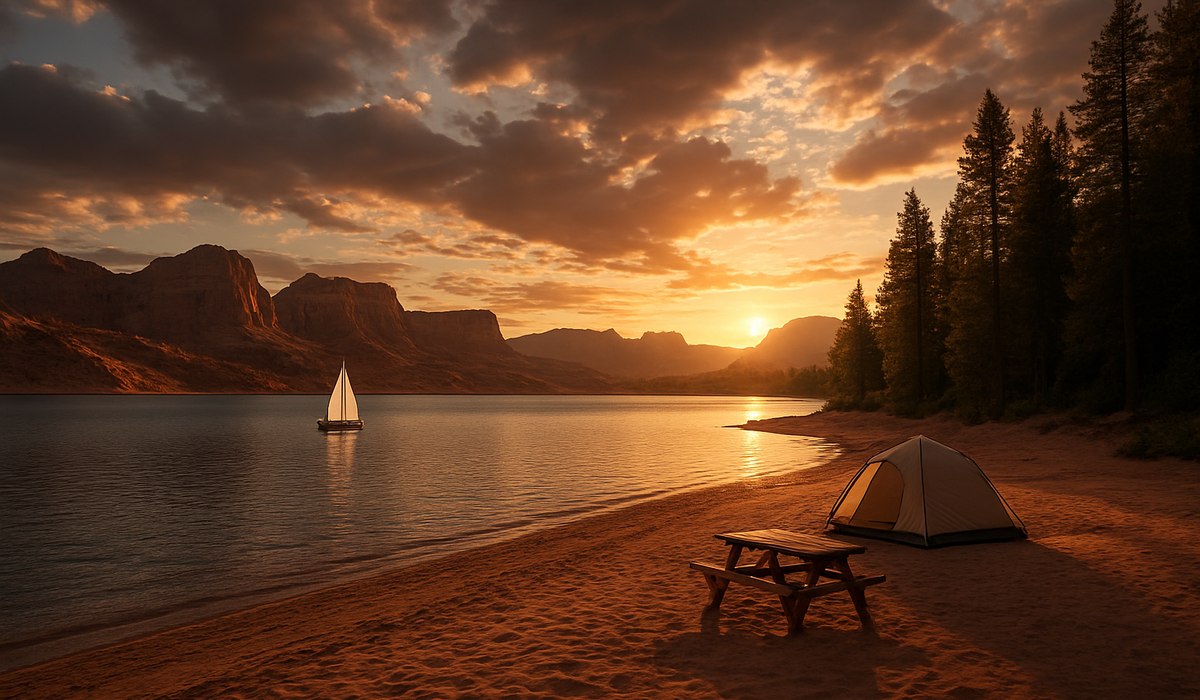
Image generated by AI
Remote Utah State Camping Emerges as 2026 Digital Nomad Hotspot
Utah state camping opportunities are reaching new prominence as remote workers and outdoor enthusiasts discover an underrated lakeside sanctuary positioned strategically between Provo and the Nevada border. This secluded state park combines rugged desert landscapes with pristine reservoir access, delivering an increasingly popular alternative for professionals seeking outdoor workspace environments alongside traditional recreation. The destination attracts growing numbers of location-independent travelers seeking respite from crowded Utah tourist corridors while maintaining proximity to established infrastructure.
The park's rising visibility in 2026 reflects broader trends toward remote work accommodation in outdoor settings. Nomadic professionals leverage reliable cellular coverage and picnic amenities for productive working sessions alongside evening fishing excursions and weekend hiking adventures. The convergence of accessibility, affordability, and natural appeal positions this Utah state camping locale as a meaningful addition to Western camping circuits.
Location and Access: Finding Utah's Remote Lakeside Park
The park sits approximately 90 minutes south of Provo, nestled within Utah's high-desert terrain approaching Nevada's northernmost reaches. Travelers navigate a mix of paved highways and well-maintained regional roads to access the primary entrance. From Salt Lake City, the route typically consumes 2.5 to 3 hours depending on traffic conditions and exact destination coordinates.
Regional infrastructure supports steady visitation without overwhelming congestion typical of Moab or Canyonlands area facilities. Nearby communities provide fuel services, grocery supplies, and equipment rentals for fishing and water recreation. The location maximizes solitude while remaining accessible to modern conveniences—an increasingly valuable combination for extended-stay campers and remote workers managing deadline obligations alongside wilderness exploration.
State tourism boards recommend checking current road conditions during winter months, as elevation variations can produce snow accumulation. Spring and autumn typically offer optimal travel windows balancing weather reliability with manageable visitation levels. The remote positioning between population centers ensures less competition for premium waterfront camping sites compared to regional alternatives.
Camping and Accommodation Options for Digital Nomads
Utah state camping facilities at this location offer diverse lodging configurations addressing varying comfort preferences and budget considerations. Traditional tent camping sites feature established fire rings, picnic tables, and vehicle parking immediately adjacent to sleeping areas. Approximately 60 percent of available sites provide direct water access or elevated reservoir vistas.
RV facilities accommodate vehicles up to 35 feet with full hookup amenities including electrical, water, and sanitation connections. Designated group camping areas serve parties exceeding eight individuals, with reservations extending 12 months in advance. Yurt accommodations provide shelter alternatives for travelers preferring permanent roof structures while maintaining outdoor immersion.
For remote professionals, several waterfront sites support portable workstation setups. Morning hours typically deliver excellent cellular coverage, enabling email management and video conferencing before afternoon recreation activities. Evening connectivity occasionally fluctuates, though dedicated work areas near the visitor center provide consistent Wi-Fi connectivity.
Nightly rates range from $22 for basic tent camping to $65 for premium RV hookup sites. Group rates and seasonal discounts apply for extended stays exceeding two weeks. Check official Utah state parks resources for current availability and reservation procedures.
Fishing, Birdwatching, and Outdoor Recreation Activities
The reservoir supports thriving populations of rainbow trout, walleye, and smallmouth bass. Anglers report consistent success during early morning and late afternoon sessions, particularly from May through October. Licensed fishing guides operate from the marina facility, offering equipment rental and instruction for visiting professionals unfamiliar with regional techniques.
Utah state camping opportunities extend beyond water recreation into comprehensive outdoor engagement. The surrounding terrain supports 14 documented migratory bird species plus year-round residents including golden eagles, osprey, and various heron populations. Dedicated birdwatching trails encircle the northern shoreline, offering unobstructed observation platforms.
Hiking networks total approximately 23 miles of marked trails ranging from leisurely 1.5-mile loops to challenging 8-mile ridge traverses. Mountain biking pathways integrate with hiking corridors, creating diverse activity options for mixed-ability groups. Kayaking launch points provide access to protected coves ideal for beginner paddlers navigating reservoir waters.
Photography enthusiasts leverage dramatic desert sunsets and wildlife activity for compelling imagery. The combination of geological formations, water reflections, and species diversity creates constantly shifting compositional opportunities throughout seasonal transitions.
Best Time to Visit Utah's Lakeside State Park
Spring months (March through May) deliver temperate conditions with wildflower displays elevating visual landscapes. Water temperatures range from 45 to 58 degrees Fahrenheit, requiring wetsuits for extended swimming. Fishing success rates peak as seasonal spawning activity intensifies.
Summer (June through August) brings warm daytime temperatures averaging 82 degrees Fahrenheit with minimal precipitation. Evening temperatures cool to 58 degrees, requiring light jacket layers during sunset hours. Visitation increases substantially, particularly weekends, though weekday occupancy remains manageable relative to national park alternatives.
Autumn (September through November) provides optimal conditions combining comfortable temperatures (70-75 degrees Fahrenheit) with reduced visitation. Migratory bird populations surge during September-October transitions. Reservoir water clarity improves, benefiting fishing and kayaking enthusiasts.
Winter visits require preparation for potential snow events and cold weather protocols. Daytime temperatures typically remain above freezing at lower elevations, though overnight lows approach 25 degrees Fahrenheit. Birdwatching opportunities concentrate around remaining open water areas.
How to Get There: Travel Routes and Navigation
Primary highway access follows US-15 southbound from Provo approximately 75 miles toward the Nevada border. State Route 130 provides an alternative eastern approach from Castle Valley communities. GPS coordinates facilitate precise navigation through lesser-known regional roads connecting to park entrances.
Nearest major airport facilities operate in Salt Lake City, approximately 120 miles north. Ground transportation options include rental vehicles, rideshare services, and organized shuttle programs serving the park during peak seasons. Greyhound service reaches Provo with regional bus connections extending toward southern Utah communities.
The drive from Salt Lake City encompasses approximately 2.5 to 3 hours of highway navigation. Provo to park arrival typically requires 90 minutes. Winter travel should account for potential weather delays, particularly at higher elevations encountered during central Utah traversal.
Detailed directions, current road conditions, and navigation recommendations appear on the Utah State Parks official website and TripAdvisor destination guides.
Key Information Table
| Factor | Details |
|---|---|
| Distance from Provo | ~90 minutes (approximately 75 miles) |
| Distance from Nevada border | ~45 miles south |
| Elevation | 5,200-6,800 feet above sea level |
| Annual visitation | Approximately 185,000 visitors (2025 data) |
| Campsite capacity | 180 total sites (85 RV, 95 tent) |
| Fishing season | Year-round with peak May-October |
| Primary fish species | Rainbow trout, walleye, smallmouth bass |
| Documented bird species | 14 migratory, 8 year-round residents |
| Best visitation months | September-October, March-May |
| RV hookup rates | $55-$65 per night |
What This Means for Travelers
Remote workers and outdoor enthusiasts gain a compelling alternative to crowded Utah destinations while maintaining reasonable access to urban infrastructure.
-
Extended-stay value: Nightly rates averaging $35-$45 support extended residence without premium pricing typical of destination resorts, enabling month-long work-and-recreation arrangements.
-
Connectivity assurance: Verify cellular coverage with your provider before arrival. Plan work-intensive days during confirmed signal windows, with backup Wi-
Disclaimer
This article is for informational and educational purposes only. It does not constitute legal, financial, or professional advice. While we strive to provide accurate and up-to-date information, travel policies, regulations, and conditions change rapidly. Always verify information with official sources before making travel decisions. Nomad Lawyer makes no representations about the accuracy, reliability, completeness, or suitability of the information provided. Readers should consult qualified professionals for advice specific to their circumstances. The views expressed in this article are those of the author and do not necessarily reflect the views of Nomad Lawyer.
Raushan Kumar
Founder & Lead Developer
Full-stack developer with 11+ years of experience and a passionate traveller. Raushan built Nomad Lawyer from the ground up with a vision to create the best travel and law experience on the web.
Learn more about our team →