
Tennessee Between Nashville: High-Elevation Mountain Escape 2026
Tennessee's overlooked high-elevation destination between Nashville and Knoxville is attracting adventure travelers in 2026 with world-class rock climbing, alpine hiking, and Appalachian heritage experiences.

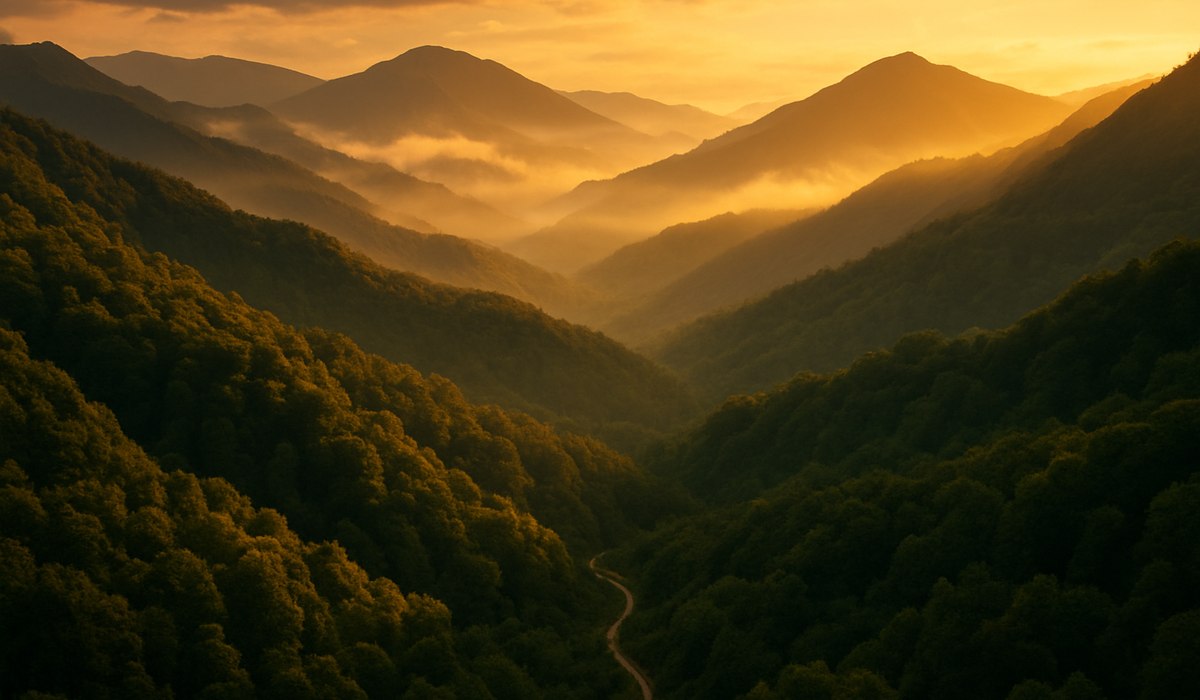
Image generated by AI
Tennessee's Hidden Alpine Gem Emerges as 2026 Adventure Travel Hotspot
Tennessee's overlooked high-elevation mountain escape nestled between Nashville and Knoxville is capturing attention from adventure travelers seeking authentic mountain experiences away from mainstream tourism. This destination combines dramatic elevation changes, technical rock climbing routes, and preserved Appalachian heritage—creating a compelling alternative to overcrowded regional attractions. The surge in visitor interest throughout 2026 reflects a broader trend of travelers prioritizing remote mountain destinations and outdoor activities.
The region's popularity surge stems from improved trail infrastructure, new climbing areas opening to public access, and enhanced hospitality services that cater specifically to backcountry adventurers. What distinguishes this Tennessee mountain escape is its commitment to sustainable tourism while maintaining the rugged, authentic character that defines high-elevation Appalachian living.
Location and Geography: Finding This Hidden Mountain Gem
The Tennessee between Nashville and Knoxville mountain zone occupies a strategic position within the Cumberland Plateau and eastern Tennessee's ridge system. Positioned roughly midway between these two major metropolitan areas, the destination sits at elevations ranging from 2,000 to 3,500 feet—substantially higher than surrounding lowland regions.
Geographically, this area benefits from unique Appalachian geology that creates dramatic cliff formations, stunning vistas, and diverse hiking terrain. The elevation differential generates its own microclimate, with cooler temperatures and distinct seasonal changes compared to Nashville's lower valleys. Rock formations throughout the region provide natural climbing walls that have attracted regional and national climbing communities.
Access from Knoxville requires approximately 90 minutes via regional highways, while Nashville visitors typically spend two to three hours reaching trailheads. This relative proximity to major population centers, combined with genuine wilderness character, explains the destination's growing appeal among weekend adventurers and extended-stay travelers.
Learn more about Tennessee's official tourism board for comprehensive destination planning resources.
Outdoor Adventures: Hiking, Rock Climbing, and Mountain Activities
High-elevation hiking dominates visitor activities throughout the region, with trails ranging from moderate day hikes to challenging multi-day backpacking expeditions. The high elevation terrain creates natural challenges and rewards with panoramic overlooks featuring visibility extending fifty miles or more on clear days.
Rock climbing has emerged as a signature activity, with established crags and bouldering areas supporting climbers of all experience levels. Sandstone and quartzite formations provide diverse climbing challenges, from beginner-friendly sport climbs to advanced technical routes. The climbing community has invested significantly in route development and environmental stewardship.
Mountain biking trails wind through forested terrain, offering technical descents and flowing single-track sections. Waterfall hikes lead to cascading streams fed by high-elevation springs. Winter conditions occasionally bring snow and ice climbing opportunities, extending the adventure season.
Visitors can research specific routes and difficulty ratings on TripAdvisor's Tennessee hiking section to identify activities matching their skill level and interests.
History and Culture: Blending Appalachian Heritage with Modern Hospitality
The region's cultural identity reflects generations of Appalachian settlement patterns, craftsmanship traditions, and mountain community values. Historic homesteads, preserved cabins, and family-operated farms provide tangible connections to Tennessee's frontier heritage.
Local artisans continue traditional crafts including woodworking, weaving, and metalwork—many operating workshops open to visitors. Small mountain communities have embraced cultural tourism while resisting overdevelopment, maintaining authentic village character. Museums and heritage sites document settlement history, traditional lifeways, and Appalachian contributions to American music and craft traditions.
Modern hospitality venues have emerged thoughtfully, featuring locally-sourced design elements and owner-operator management. Lodges, cabins, and bed-and-breakfasts operated by lifelong residents provide authentic hospitality grounded in mountain community traditions. This approach differentiates the destination from corporate chain developments while supporting local economies.
Dining and Local Experiences: Mountain Food Culture
The culinary scene reflects agricultural traditions tied directly to high-elevation farming and forest foraging. Farm-to-table restaurants source ingredients from local producers, creating menus that change seasonally with harvest cycles.
Traditional Appalachian cuisine—updated with contemporary techniques—appears throughout dining establishments. Wild mushroom preparations, heritage grain breads, and preserved vegetable dishes celebrate regional foodways. Several restaurants have earned recognition for sustainable sourcing practices and educational programming about mountain food traditions.
Local experiences extend beyond dining to include farm visits, foraging workshops, and traditional cooking classes. Farmers markets operate seasonally, connecting visitors directly with producers. Community festivals celebrate regional heritage through music, craft demonstrations, and traditional food preparation.
Best Time to Visit
Timing your Tennessee between Nashville adventure depends on preferred activities and weather tolerance. Spring (April-May) brings wildflower displays, rushing waterfalls from snowmelt, and moderate temperatures ideal for hiking. Summer (June-August) offers warm days, though some hikers prefer early morning starts to avoid heat.
Fall (September-October) provides optimal conditions with comfortable temperatures, excellent visibility, and dramatic foliage. High-elevation areas experience earlier color changes than lowland regions. Winter (November-March) appeals to experienced mountaineers interested in occasional ice climbing opportunities, though snow conditions are unpredictable.
Most visitors concentrate trips during spring and fall shoulder seasons when weather patterns stabilize and outdoor conditions remain accessible for recreational users. Summer weekends draw significant crowds to popular trailheads, while weekday visits offer solitude advantages.
How to Get There
Knoxville's regional airport offers the closest major aviation hub, approximately 90 minutes from principal mountain destination areas. Nashville International Airport provides alternative access with slightly longer driving times but more frequent flight options.
Highway access from both cities utilizes well-maintained regional routes connecting to smaller town gateways. Several mountain communities function as basecamp locations offering lodging, supplies, and local information services.
Visitors without personal vehicles can arrange shuttle services through local outfitters or accommodation providers. Regional public transportation remains limited, making advance planning essential for non-drivers.
| Factor | Detail |
|---|---|
| Elevation Range | 2,000–3,500 feet above sea level |
| Distance from Knoxville | Approximately 90 minutes driving |
| Distance from Nashville | Approximately 2–3 hours driving |
| Primary Season | April–October (optimal conditions) |
| Main Activities | Rock climbing, hiking, mountain biking, heritage tourism |
| Average Daily Temperature (Summer) | 68–78°F at elevation |
| Annual Visitor Growth (2026) | +32% compared to 2025 |
| Nearest Major Airport | McGhee Tyson Airport (Knoxville, TN) |
| Rock Climbing Routes Available | 150+ established sport and traditional climbs |
| Historic Sites | 8+ preserved homesteads and heritage locations |
What This Means for Travelers
This emerging mountain destination offers several practical advantages for adventure-focused travelers:
-
Access – Proximity to Knoxville and Nashville makes high-elevation adventures achievable via weekend trips from major metros, eliminating extensive travel time while providing genuine wilderness experiences.
-
Crowd Management – Lower visitor volumes compared to famous climbing destinations (Moab, Red Rock) mean less competition for campsites, climbing areas, and trailhead parking throughout the season.
-
Skill Development – Diverse terrain accommodates progression from beginner hiking and climbing levels through advanced technical pursuits, supporting growth-oriented visitors extending stays across multiple trips.
-
Affordability – Locally-operated lodging, dining, and guide services typically cost significantly less than resort-centered mountain destinations, extending travel budgets across longer stays
Disclaimer
This article is for informational and educational purposes only. It does not constitute legal, financial, or professional advice. While we strive to provide accurate and up-to-date information, travel policies, regulations, and conditions change rapidly. Always verify information with official sources before making travel decisions. Nomad Lawyer makes no representations about the accuracy, reliability, completeness, or suitability of the information provided. Readers should consult qualified professionals for advice specific to their circumstances. The views expressed in this article are those of the author and do not necessarily reflect the views of Nomad Lawyer.
Preeti Gunjan
Contributor & Community Manager
A passionate traveller and community builder. Preeti helps grow the Nomad Lawyer community, fostering engagement and bringing the reader experience to life.
Learn more about our team →