
AppleJack Festival, Nebraska City: Ultimate Guide to Arbor Day Farm Harvest Fun
AppleJack Festival, Nebraska City: Ultimate Guide to Arbor Day Farm Harvest Fun

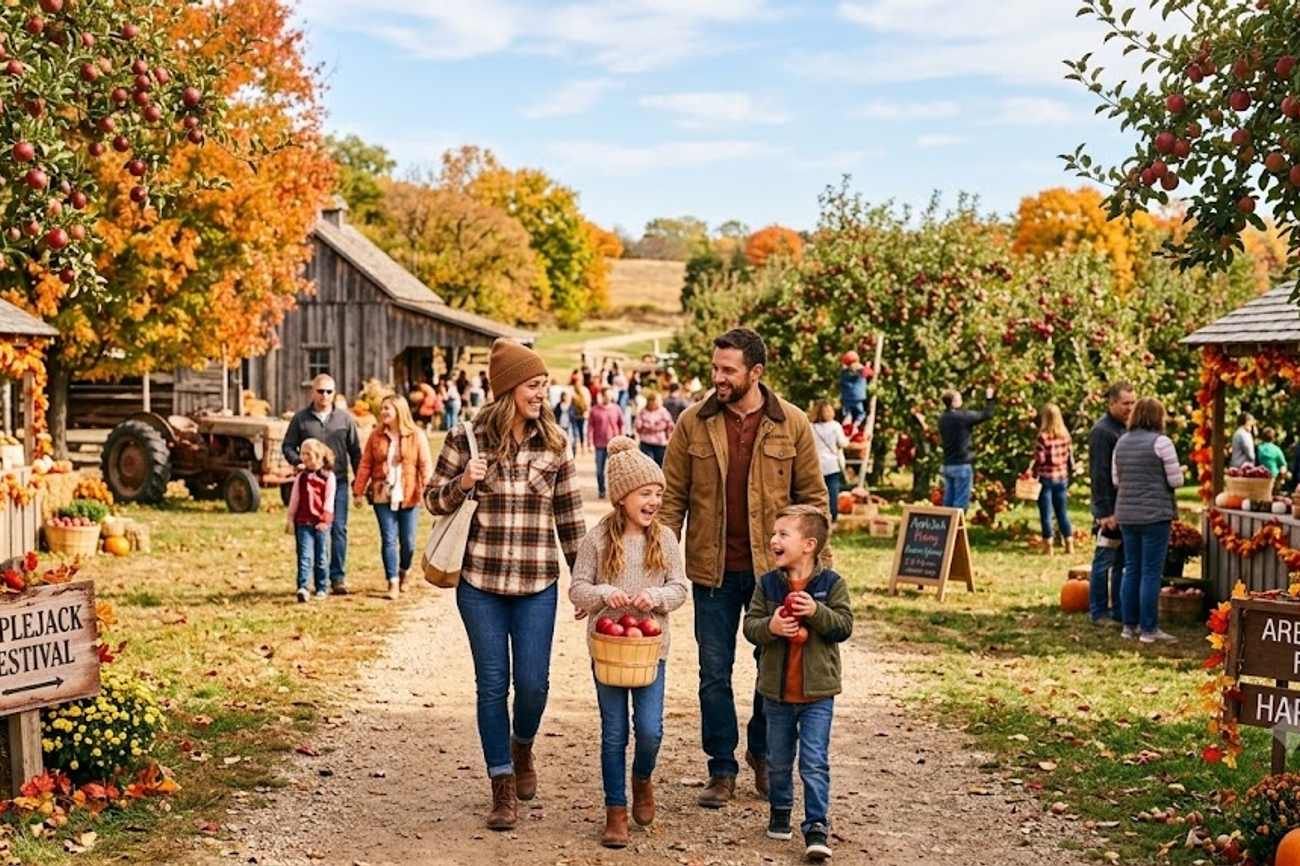
Image generated by AI
title: The Economics of Agri-Tourism: Analyzing Nebraska City's AppleJack Festival date: 2024-10-24 category: Regional Analysis
Zero dollars is the cost of admission for the public to enter the AppleJack Festival, a strategic pricing model designed to maximize foot traffic for regional vendors and local agricultural stakeholders. By removing the barrier of an entry fee, Nebraska City transforms a local harvest celebration into a high-volume economic engine that leverages the historic Arbor Day Farm as a primary anchor for domestic tourism.
The Mechanics of Seasonal Agritourism in Nebraska City
The AppleJack Festival operates not merely as a community gathering, but as a sophisticated destination marketing tool. The event is structured across two distinct phases, each serving a different psychological and economic purpose for the visitor. The inaugural weekend focuses on broad-spectrum attraction, utilizing high-sensory draws such as the aroma of spiced cider, apple doughnuts, and candy apples to establish a festive atmosphere. This phase incorporates high-energy entertainment, including carnival rides, traditional parades, and live bull riding exhibitions, which broaden the demographic appeal beyond culinary enthusiasts to include families and thrill-seekers.
The second weekend shifts the value proposition from general entertainment to immersive agricultural education. This phase targets a "deep-dive" traveler, offering orchard tours and specialized culinary experiences like cider slushies and caramel-coated treats. Notably, the introduction of a "sip-and-stroll" hard cider event for adults introduces a higher-margin revenue stream, transitioning the festival from a family-centric fair to a sophisticated gastronomic experience. This layered approach ensures that the event captures multiple spending segments—from the casual day-tripper to the luxury agri-tourist.
Regional Integration and the Kimmel Orchard Ecosystem
The economic impact of the festival extends beyond the central hub of Arbor Day Farm, creating a spillover effect that benefits peripheral agricultural businesses. A primary beneficiary is the Kimmel Orchard & Vineyard, which complements the festival's centralized activities with decentralized, experiential tourism.
The integration of U-pick apple harvesting allows the visitor to transition from a passive consumer to an active participant in the agricultural process. This "prosumer" model—where the customer provides the labor for the harvest—reduces operational overhead for the orchard while increasing the perceived value of the product. The addition of hayrack rides and on-site cider doughnut production creates a synergistic loop: the festival draws the crowd to Nebraska City, and the surrounding orchards convert that crowd into direct agricultural sales.
| Festival Component | Primary Driver | Target Demographic | Economic Function |
|---|---|---|---|
| Opening Weekend | Parades/Carnival/Bull Riding | General Public/Families | Volume & Foot Traffic |
| Second Weekend | Orchard Tours/Hard Cider | Adult Epicureans/Agri-tourists | Margin & Specialization |
| Kimmel Orchard | U-Pick/Hayrack Rides | Experiential Travelers | Direct-to-Consumer Sales |
| Arbor Day Farm | Historic Grounds/Events | Cultural Tourists | Anchor Destination |
Expert Analysis: The "Anchor-and-Spoke" Tourism Model
For the traveler booking a trip to Nebraska City, the direct consequence of this festival structure is a bifurcated experience of congestion and serenity. The "Anchor" (Arbor Day Farm) provides the spectacle and the crowd, while the "Spokes" (neighboring orchards like Kimmel) provide the authentic agricultural immersion. The pricing pressure created by the free admission to the main event shifts the monetization strategy toward high-frequency, low-cost impulse buys—such as cider doughnuts and slushies—rather than a single large ticket price.
This model is a textbook example of regional economic development through seasonal branding. By aligning the festival with the "autumnal harvest" identity, Nebraska City creates a recurring annual demand that supports small businesses and hospitality providers in a rural setting. However, the reliance on peak-weekend crowds creates a logistical bottleneck. For the savvy nomad or traveler, the strategic play is to utilize the second weekend's focus on "orchard culture" to avoid the carnival-centric crowds of the opening days.
The broader implication for the travel industry is the rising value of "authentic" rural experiences. As urban travelers seek an escape from digitized environments, the tactile nature of U-pick farming and the sensory appeal of a harvest festival become premium commodities. The success of the AppleJack Festival demonstrates that free entry, when paired with diverse, paid experiential offerings, can sustain a rural economy more effectively than a gated, ticketed event.
Key Takeaways
- Admission to the AppleJack Festival is free, shifting the economic focus to vendor sales and peripheral agricultural experiences.
- The event is split into two phases: the first emphasizes carnival-style entertainment and parades, while the second focuses on orchard tours and artisanal hard cider.
- Kimmel Orchard & Vineyard serves as a critical extension of the festival, offering U-pick harvesting and hayrack rides to diversify the visitor experience.
- The festival utilizes Arbor Day Farm as a central anchor to drive domestic tourism into the rural Nebraska City region.
- Strategic planning is required to navigate peak weekend crowds, with the second weekend offering a more subdued, agriculture-focused atmosphere.
FAQ: AppleJack Festival 2024
How much does it cost to attend the AppleJack Festival? Admission to the festival is entirely free for the general public. However, visitors should budget for individual purchases such as food, beverages, carnival rides, and U-pick fruit at participating orchards.
What is the difference between the first and second weekends? The first weekend is characterized by high-energy events like parades and bull riding. The second weekend is more immersive, focusing on orchard tours, hard cider tastings, and agricultural heritage.
Can you pick your own apples at the festival? While the main festivities are at Arbor Day Farm, U-pick apple harvesting is available at nearby locations such as Kimmel Orchard & Vineyard.
Is the AppleJack Festival family-friendly? Yes. The event includes a wide range of activities for all ages, from carnival rides and hayrack tours to apple-themed treats and community parades.
The transition from a simple harvest fair to a structured agri-tourism engine reveals how rural destinations are successfully commodifying the autumn experience.
#AppleJackFestival #NebraskaCity #ArborDayFarm #KimmelOrchard #AgriTourism2024 #NebraskaTravel
Related Travel Guides
Disclaimer
This article is for informational and educational purposes only. It does not constitute legal, financial, or professional advice. While we strive to provide accurate and up-to-date information, travel policies, regulations, and conditions change rapidly. Always verify information with official sources before making travel decisions. Nomad Lawyer makes no representations about the accuracy, reliability, completeness, or suitability of the information provided. Readers should consult qualified professionals for advice specific to their circumstances. The views expressed in this article are those of the author and do not necessarily reflect the views of Nomad Lawyer.
Naina Thakur
Contributor & Travel Specialist
Travel enthusiast and legal writer covering visa regulations, responsible tourism, and cultural journeys across global destinations.
Learn more about our team →