
Amtrak Airo Trains Miss 2026 FIFA World Cup Window—Seattle and Vancouver Rail Tourism Delayed Until Late 2026
Amtrak's next-generation Airo trains on the Cascades route won't launch until late 2026, missing the FIFA World Cup travel surge. Existing rail capacity faces strain.

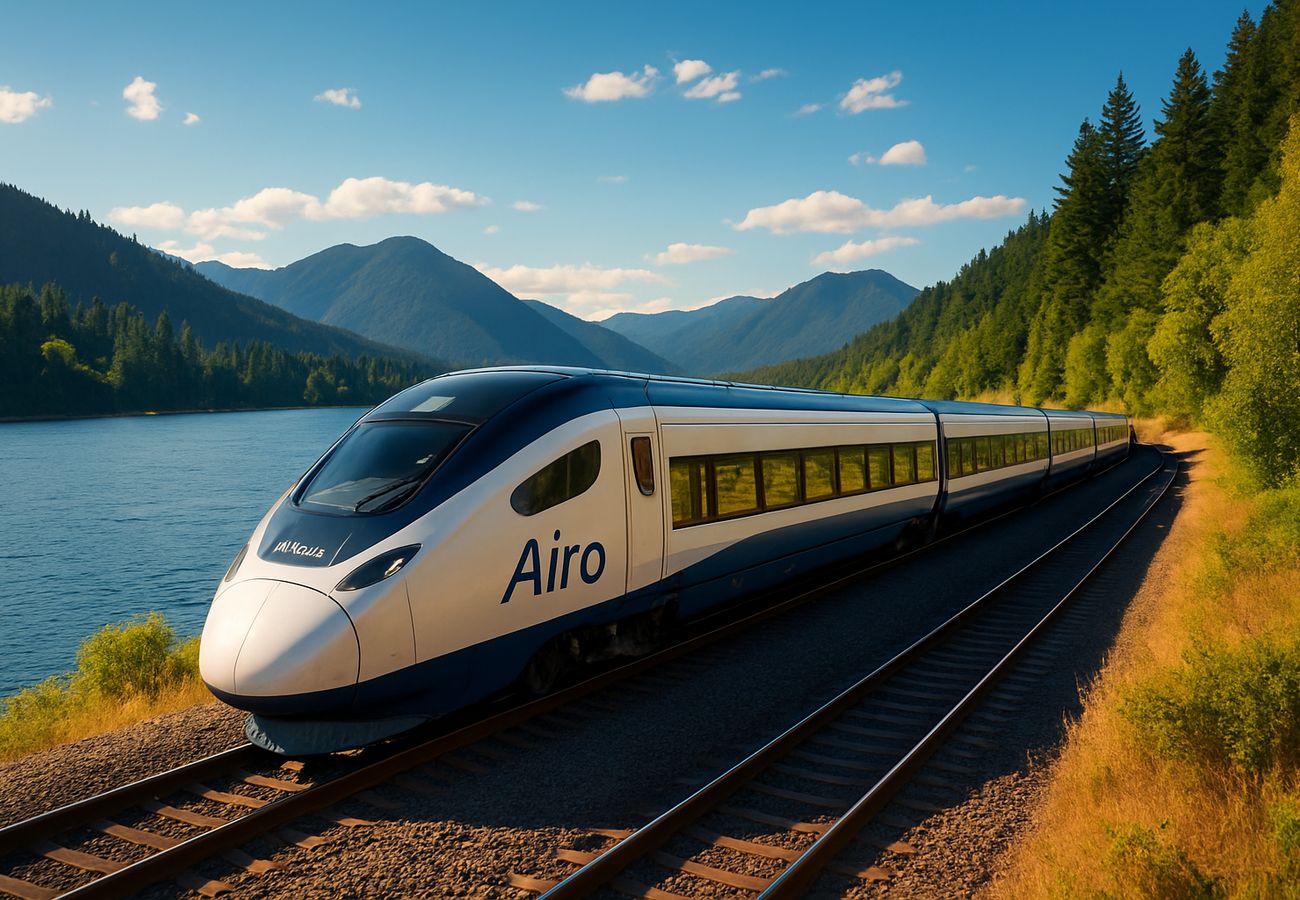
Image generated by AI
Amtrak's Next-Generation Fleet Arrives Too Late for World Cup Tourism Boom
Seattle and Vancouver face a critical timing crunch as Amtrak confirms its revolutionary Airo train fleet will not debut on the Cascades route until late 2026—well after the global sporting event concludes. The delay leaves North America's Pacific Northwest rail corridor operating at reduced capacity precisely when millions of FIFA World Cup visitors are expected to flood the region, creating a potential bottleneck for travelers seeking scenic rail alternatives to highway and air travel.
The 2026 FIFA World Cup, hosted across multiple U.S. cities including Seattle, will generate unprecedented travel demand throughout June and July. Tourism officials and rail enthusiasts had anticipated the modernized Airo trains would ease congestion on the popular Amtrak Cascades route, which connects Vancouver, Seattle, Portland, and Eugene, Oregon. Instead, aging railcars will shoulder the burden during peak World Cup months, forcing passengers to book well in advance or face sold-out departures.
Why the Delay? Safety Over Speed
Amtrak has prioritized rigorous testing and safety certification over meeting the World Cup deadline. The company emphasized that rushing deployment of next-generation rail infrastructure could compromise passenger safety and operational reliability. This cautious stance reflects industry best practices, though it leaves the existing fleet—already operating at near-capacity during summer months—vulnerable to overcrowding during the tournament.
The current Cascades route fleet operates with older, less efficient railcars that lack the capacity and amenities of the incoming Airo trains. During peak travel seasons, securing seats becomes increasingly difficult, particularly for international visitors unfamiliar with advance booking requirements. Tourism boards in both cities are urging travelers planning World Cup trips to reserve rail tickets immediately, as availability will likely evaporate weeks before departure dates.
What the Airo Trains Promise for Future Tourism
Once operational in late 2026, the Airo fleet will fundamentally transform rail travel across the Pacific Northwest. The modernized trains feature significantly larger windows optimized for scenic viewing, expanded seating configurations, high-speed Wi-Fi connectivity, and redesigned café cars. More critically, Amtrak has engineered the Airo trains as eco-friendly alternatives, aligning with the region's commitment to sustainable tourism and carbon-neutral travel options.
The Cascades route already attracts thousands of annual passengers drawn to its unparalleled natural scenery—including views of Mount St. Helens and the Columbia River Gorge. The route's reputation as one of North America's most visually stunning rail journeys will only strengthen once passengers experience the enhanced viewing capabilities and comfort standards of the Airo fleet. For eco-conscious travelers, the new trains represent a significant advancement in reducing transportation-related carbon footprints while exploring the region's vibrant cities and wilderness areas.
Industry Context: Broader Amtrak Modernization Initiative
The Airo deployment represents a cornerstone of Amtrak's nationwide fleet modernization strategy, part of a comprehensive infrastructure investment aimed at revitalizing passenger rail across the United States. According to Amtrak's official development timeline, the Airo trains are among the most technologically advanced passenger rail vehicles in North America, incorporating lessons learned from European high-speed rail networks.
The delay underscores broader challenges facing U.S. rail infrastructure modernization—balancing ambitious timelines with rigorous safety protocols and supply chain complexities. Similar delays have affected other regional rail projects, reflecting the technical complexity of deploying next-generation rolling stock across diverse operating environments and regulatory jurisdictions spanning both U.S. and Canadian territories.
What This Means for Travelers
Visitors planning to attend 2026 FIFA World Cup matches in Seattle should anticipate limited rail capacity on the Cascades route and book transportation at least 6-8 weeks in advance. The existing train service remains reliable and scenic, but seats will be at a premium during June and July. Consider alternative transportation options—including rental cars, regional buses, and flights—as backup plans if rail availability becomes constrained.
Post-World Cup travelers will benefit substantially from the Airo fleet's arrival, gaining access to significantly improved comfort, connectivity, and environmental sustainability. The new trains will make rail travel between Seattle, Vancouver, and Portland substantially more competitive with driving and flying, potentially shifting travel patterns toward more sustainable transportation modes.
Expert insight: The Airo delay highlights the tension between infrastructure modernization timelines and major event preparation—a challenge facing multiple transportation sectors globally as cities prepare for large-scale sporting events.
Looking Ahead: A Transformed Pacific Northwest Rail Corridor
Despite the World Cup timing disappointment, the long-term outlook for Pacific Northwest rail tourism remains exceptionally promising. The Airo fleet's late-2026 launch will coincide with post-World Cup travel recovery, positioning the modernized trains to capture growing demand for sustainable, scenic rail experiences. As environmental consciousness continues reshaping travel preferences, the Cascades route will emerge as a premier destination for North American rail tourism.
Amtrak's commitment to deploying these advanced trains—regardless of World Cup scheduling pressures—demonstrates confidence in rail's future role within regional transportation networks. For travelers prioritizing scenic beauty, sustainability, and comfort over speed, the wait for the Airo trains will prove worthwhile. The Pacific Northwest's reputation as a world-class rail destination will only strengthen once these revolutionary trains begin service.
Related Travel Guides
Disclaimer
This article is for informational and educational purposes only. It does not constitute legal, financial, or professional advice. While we strive to provide accurate and up-to-date information, travel policies, regulations, and conditions change rapidly. Always verify information with official sources before making travel decisions. Nomad Lawyer makes no representations about the accuracy, reliability, completeness, or suitability of the information provided. Readers should consult qualified professionals for advice specific to their circumstances. The views expressed in this article are those of the author and do not necessarily reflect the views of Nomad Lawyer.
Kunal K Choudhary
Co-Founder & Contributor
A passionate traveller and tech enthusiast. Kunal contributes to the vision and growth of Nomad Lawyer, bringing fresh perspectives and driving the community forward.
Learn more about our team →