
Zambia Sets Bold Tourism Targets: 3M Arrivals by ZATEX 2026
Zambia sets bold ambitions to attract 3 million international visitors and build a $1 billion tourism industry by 2031. ZATEX 2026 in Lusaka marks the country's flagship push to drive growth, investment, and jobs across its safari and adventure sectors.

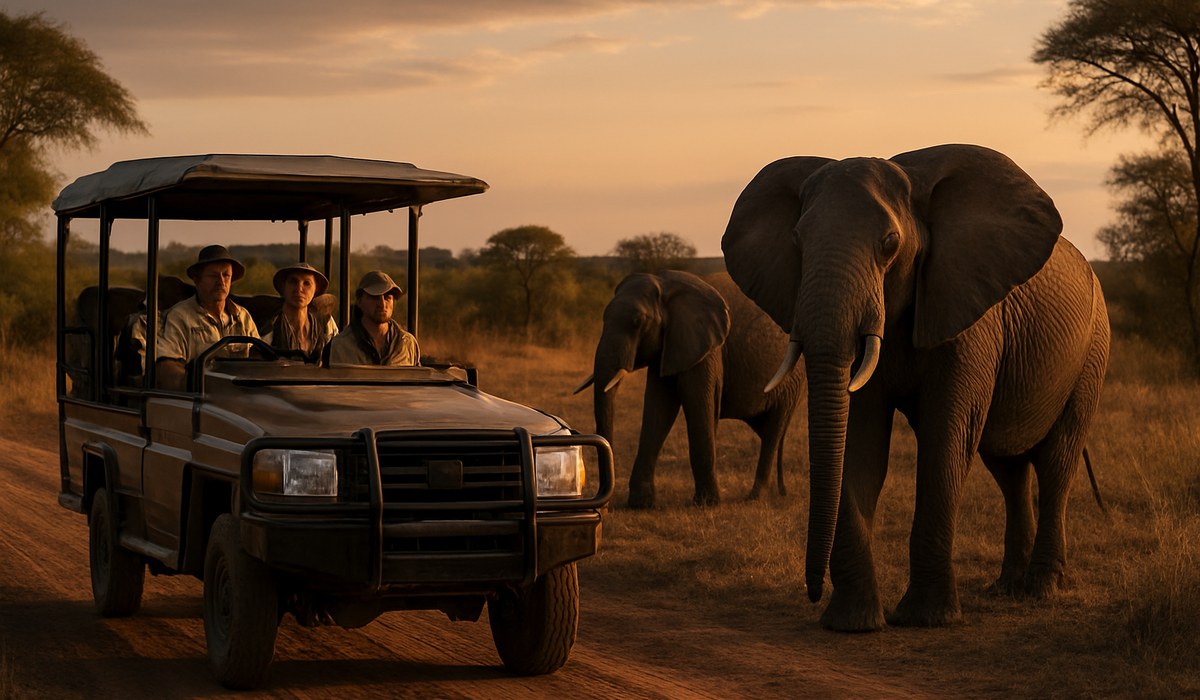
Image generated by AI
Zambia Launches Aggressive Tourism Growth Campaign Through ZATEX 2026
Zambia is resetting its tourism ambitions with a sweeping new strategy targeting three million international arrivals and building a one billion dollar tourism economy by 2031. The centerpiece of this push is the Zambia Travel Expo (ZATEX), scheduled for June 4–6, 2026, in Lusaka. This flagship marketplace will unite global travel operators, airlines, and local hospitality providers in a coordinated effort to convert international interest into confirmed bookings. The nation has already demonstrated momentum—visitor numbers climbed from 1.1 million in 2022 to 2.2 million by 2024—setting the stage for this next phase of expansion.
Record Visitor Growth: Zambia's Tourism Recovery in Numbers
International arrivals to Zambia have surged dramatically since the pandemic. The country welcomed approximately 2.2 million visitors in 2024, up from just 1.1 million two years prior. This 100% growth reflects expanded air connectivity, improved destination marketing, and renewed investor confidence in Zambia's safari and adventure tourism sectors. Regional business analysis confirms that reaching the three million target within the next few years is achievable if current momentum continues. Lonely Planet's Zambia guide and regional tourism reports highlight Victoria Falls, Lower Zambezi National Park, and Kafue as primary drivers. Analysts note that sustaining double-digit annual growth will require deepening product offerings beyond traditional safari experiences and encouraging longer average stays.
ZATEX 2026: Lusaka's June Marketplace for Tourism Deals
The Zambia Travel Expo transforms Lusaka into Africa's premier tourism networking hub from June 4–6, 2026. This trade-focused event brings together international tour operators, destination management companies, airlines such as those serving Harry Mwangelwa International Airport (now modernized to handle increased capacity), online travel intermediaries, and local lodge owners. ZATEX 2026 aims to strengthen both inbound and domestic tourism through familiarization trips, business-to-business sessions, and targeted pitches to high-value market segments. Organizers emphasize the expo's focus on converting rising global interest into concrete contracts for accommodations, transport, and packaged itineraries across Livingstone, Kafue, Lower Zambezi, and emerging northern tourism corridors. The event platform also showcases sustainable tourism investments and conservation finance opportunities. TripAdvisor's Zambia listings already demonstrate growing traveler engagement with the destination, positioning ZATEX as a critical bridge between supply and demand.
Air Connectivity and Infrastructure: The Foundation for Growth
Zambia's tourism expansion rests on modernized aviation networks and upgraded ground infrastructure. Recent route expansions have added direct flights from Europe, North America, the Middle East, and within Africa. Lusaka and Livingstone airports now handle increased passenger volumes, facilitating seamless connections to remote lodges and safari camps. Improved road conditions and destination signage support visitor mobility across national parks. Budget allocations for 2025–2026 include 1.5 billion kwacha dedicated to infrastructure, wildlife protection, and destination promotion. These investments ensure that growth in visitor arrivals translates into quality experiences rather than congestion. The official Zambia Tourism Board regularly updates visa requirements, safety advisories, and seasonal conditions to help travelers plan effectively.
Employment and Economic Impact: Building 500,000+ Tourism Jobs
Tourism employment across Zambia spans hotels, lodges, restaurants, transport, guiding services, crafts, and supply chains. Current estimates place direct and indirect tourism employment at several hundred thousand people, with projections suggesting growth to over 500,000 jobs by the mid-2030s. Many of these positions exist in rural and peri-urban areas where formal employment remains limited. Reaching the three million visitor target would accelerate this job creation, particularly in high-spending segments such as photographic safaris, meetings and incentives, and special-interest experiences. Policy frameworks increasingly emphasize revenue-sharing with communities living near national parks and heritage sites. Local procurement mandates and community-run enterprise support ensure that tourism wealth circulates within regions rather than concentrating in urban centers. This inclusive approach aligns with Zambia's broader development strategy.
One Billion Dollar Tourism Economy by 2031: The Long-Term Vision
Zambia targets one billion dollars in annual tourism revenue by the early 2030s, representing sustained economic diversification beyond traditional mining sectors. This ambitious goal requires consistent growth in visitor spending, product diversification, and extended average stays. Analysts emphasize that achieving this threshold hinges on attracting higher-value tourists and lengthening the typical visit from 5–7 days to 10–14 days. Premium offerings—such as private safari concessions, luxury lodge experiences, and specialized conservation tourism—command higher per-diem spending. Macroeconomic reforms and increased public investment in tourism infrastructure support this trajectory. Successful ZATEX 2026 outcomes, including confirmed bookings and investor commitments, will signal progress toward this benchmark and attract additional capital into Zambia's hospitality sector.
Best Time to Visit Zambia's Top Attractions
Zambia's tourism calendar divides into three distinct seasons. The dry season (May–October) offers optimal wildlife viewing, clear skies, and comfortable temperatures—ideal for safari and walking tours. June through August attracts the highest visitor numbers, making this the peak season for lodges and guided experiences. The shoulder season (April and November) balances wildlife activity with smaller crowds and lower accommodation rates. The wet season (December–March) transforms landscapes into lush green vistas, attracts birdwatchers, and reduces accommodation prices by up to 40%. Victoria Falls maintains year-round accessibility, though water volume peaks between April and June. Travelers seeking solitude and budget-conscious itineraries favor November–March, while photographers and seasoned safari-goers prefer the drier months.
How to Get There: Flights, Visas, and Ground Access
Most international travelers enter Zambia via Lusaka International Airport (LUN), served by airlines including Ethiopian Airlines, South African Airways, and Qatar Airways. Direct flights connect major European hubs (London, Frankfurt), Middle Eastern centers (Doha, Dubai), and North American gateways (New York via connections). Livingstone International Airport (LIV) offers an alternative for Victoria Falls-focused trips, with regional carriers expanding service from South Africa and Zimbabwe. Visa requirements vary by nationality; most travelers obtain 30-day tourist visas on arrival (approximately 50 USD) or pre-arrange e-visas through the Zambia Immigration Office online portal. Ground transportation relies on domestic flights to remote lodges, long-distance coach services, and rental vehicles with professional drivers. The Trans-Zambezi Highway and upgraded regional roads connect major towns. Book ground transfers through your lodge or tour operator in advance to ensure reliability.
| Tourism Metric | 2022 Baseline | 2024 Actual | 2026 Projection | 2031 Target |
|---|---|---|---|---|
| International Arrivals (millions) | 1.1 | 2.2 | 2.7–2.9 | 3.0+ |
| Tourism Revenue (USD) | ~$400 million | ~$600 million | ~$750 million | $1 billion |
| Direct Tourism Jobs | 180,000 | 250,000 | 350,000 | 500,000+ |
| Accommodation Properties | 650 | 780 | 900+ | 1,200+ |
| ZATEX Exhibitors | N/A | 180 | 220+ | 250+ |
| Budget Allocation (Kwacha) | 900 million | 1.1 billion | 1.5 billion | 2.0 billion |
What This Means for Travelers in 2026 and Beyond
Zambia's tourism expansion delivers concrete benefits for visitors:
-
Expanded flight options: New airline routes and increased seat capacity reduce ticket prices and travel time from major source markets.
-
Enhanced lodge inventory: 150+ new accommodation properties—from eco-luxury to mid-range—increase variety and reduce peak-season booking pressure.
-
Improved ground infrastructure: Upgraded roads, signage, and internet connectivity improve self-drive itineraries and lodge communication.
-
Diverse experience packages: Tour operators are packaging combined safari-Victoria Falls-adventure combinations, reducing trip-planning complexity.
-
Competitive pricing: Growth in supply moderates accommodation and activity rates, particularly during shoulder seasons.
-
Better wildlife encounters: Increased conservation funding protects habitat integrity and wildlife populations, enhancing safari quality.
-
Community tourism opportunities: Travelers can now access village-stay programs, cultural workshops, and artisan collaborations with transparent revenue-sharing.
Frequently Asked Questions
What does "Zambia sets bold" tourism targets mean for my travel costs? Zambia sets bold ambitions to add 800,000+ visitors annually, which expands accommodation supply and moderates prices. Competition among new lodges and tour operators should reduce rates, particularly for packaged safaris and Victoria Falls tours. Peak-season premiums may persist, but off-season deals are becoming more competitive as inventory grows.
When should I book a Zambia safari to benefit from ZATEX 2026 outcomes? ZATEX runs June 4–6, 2026, and new partnerships brokered there typically launch in late 2026 and throughout 2027. Booking for travel from July 2026 onward ensures access to newly promoted packages and routes. Early bookings (by May 2026) secure the highest discounts before summer peak season.
How will the three million visitor target affect wildlife and park safety in Zambia? Zambia's 19 national parks contain vast protected areas (over 65,000 square kilometers). Current visitor numbers concentrate in three zones: Victoria Falls, Lower Zambezi, and Kafue. Distributed growth, supported by emerging northern corridors, spreads impact while increasing conservation funding. Park authorities enforce strict visitor caps per concession to maintain wildlife integrity.
Will Zambia's tourism growth create opportunities for local employment in rural areas? Yes. Tourism expansion directly benefits remote communities through lodge employment, guiding services, craft sales, and agricultural procurement. Zambia's tourism master plan mandates 15% revenue-sharing with local stakeholders. By 2031, rural tourism employment is projected to exceed 300,000 jobs, particularly in provinces near Kafue, Lower Zambezi, and North Luangwa.
Related Travel Guides
- Silversea Introduces Four New Suite Categories: 2027 Perks Explained
- Hawaii, Colorado, Massachusetts Lead $250M US Tourism Funding Surge for America 250 Celebration—Cultural Heritage & Community Travel Boom
- US Severe Weather Alert 2026: Montana, Ohio, and Indiana Brace for Destructive Thunderstorms and Flooding
Disclaimer
This article is for informational and educational purposes only. It does not constitute legal, financial, or professional advice. While we strive to provide accurate and up-to-date information, travel policies, regulations, and conditions change rapidly. Always verify information with official sources before making travel decisions. Nomad Lawyer makes no representations about the accuracy, reliability, completeness, or suitability of the information provided. Readers should consult qualified professionals for advice specific to their circumstances. The views expressed in this article are those of the author and do not necessarily reflect the views of Nomad Lawyer.
Raushan Kumar
Founder & Lead Developer
Full-stack developer with 11+ years of experience and a passionate traveller. Raushan built Nomad Lawyer from the ground up with a vision to create the best travel and law experience on the web.
Learn more about our team →