
Visited Famous Destination: Venice's Hidden Costs Exposed in 2026
A traveler's honest breakdown of Venice in 2026 reveals why this visited famous destination drains wallets fast. Learn how to experience the floating city without wasteful spending on overpriced gondolas and tourist traps.

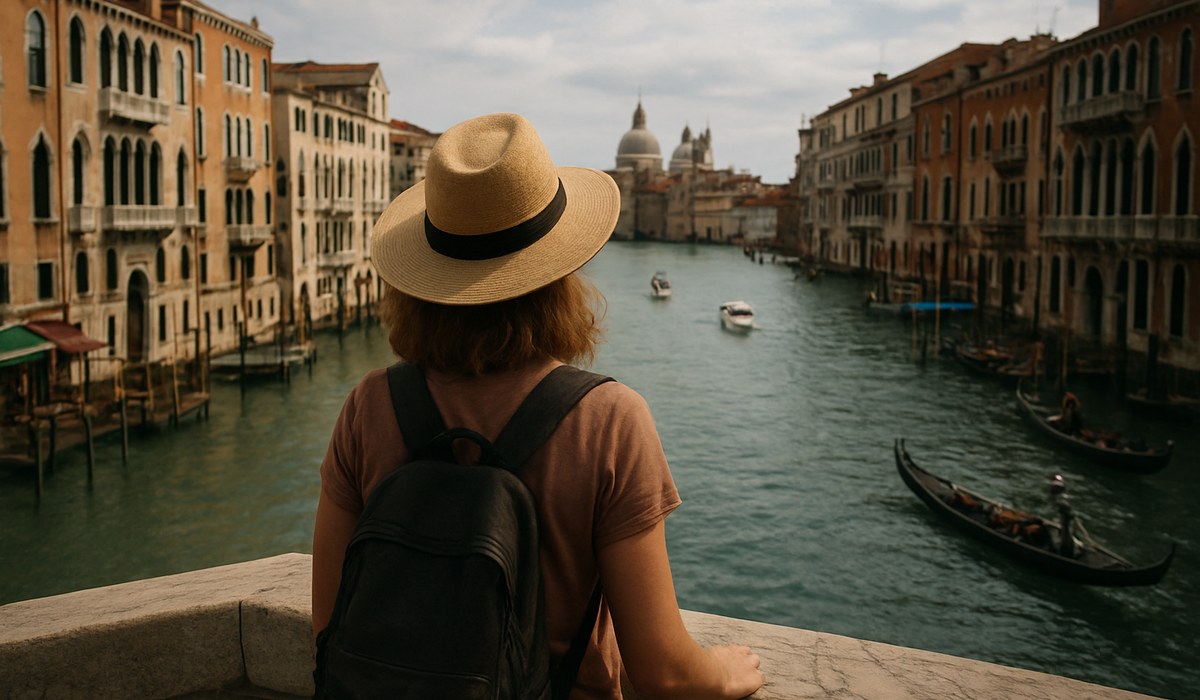
Image generated by AI
Peak Season Surge Drives Record Visitor Numbers to Venice in 2026
Venice is experiencing unprecedented tourist traffic in spring 2026, with visitor numbers exceeding pre-pandemic highs. This visited famous destination now faces critical infrastructure strain as travelers flock to the floating city during March and April. While the romantic imagery of gondolas and St. Mark's Basilica continues to fill travel feeds, first-time visitors increasingly report sticker shock and disappointment. A comprehensive analysis of recent traveler feedback reveals systematic price inflation across accommodations, dining, and attractions throughout the Venetian archipelago. The city's tourism model—dependent entirely on daily visitors—has created a commercial ecosystem where authentic experiences command premium prices. Understanding these realities before booking saves both money and emotional investment in one of Europe's most visited destinations.
The Hidden Costs Behind St. Mark's Square's Glamour
St. Mark's Square represents Venice's most expensive intersection of culture and commerce. A single cappuccino at the orchestra cafés lining the square costs 10-12 euros, but add the mandatory music surcharge (6-8 euros per person) and service fees, and that drink reaches 25-30 euros for two people. These aren't posted transparently on menus—they accumulate through line-item additions that visitors only notice on the final bill. Recent traveler reviews on TripAdvisor consistently flag these surprise charges as the primary source of waste and frustration. One alternative exists just a ten-minute walk into the Castello district: traditional bacaro wine bars where a glass of house wine costs 3 euros and Venetian cicchetti snacks start at 1.50 euros. The basilica's interior requires no reservation fee, but crowding during peak hours (11 a.m. to 3 p.m.) makes the experience claustrophobic. Visit early morning or after 5 p.m. to avoid both crowds and the worst money-for-experience ratios. This visited famous destination's geography actually rewards exploration beyond postcard locations.
Gondola Pricing: Negotiating Reality Versus Tourist Rates
Official gondola rates supposedly begin at 80 euros for 30 minutes during daylight, climbing to 100-120 euros after sunset. However, gondoliers stationed at high-traffic stands near St. Mark's Square and Rialto Bridge consistently quote prices at the upper range or beyond, exploiting visitor uncertainty about exchange rates and unfamiliarity with local norms. Couples and small groups often surrender without negotiation, adding unnecessary waste to their budgets. Walking 10-15 minutes into quieter neighborhoods like Dorsoduro or northern Cannaregio connects travelers with gondoliers offering official daytime rates without markup. These alternative routes traverse residential canals where laundry hangs from windows and locals conduct daily life—creating more authentic experiences than the heavily trafficked main waterways. Splitting a ride with another solo traveler can reduce individual costs to 40-50 euros per person. Lonely Planet recommends confirming the exact price, route duration, and any additional charges before boarding. Many travelers skip gondolas entirely, using water buses (vaporetto) instead: a 75-minute unlimited pass costs just 20 euros and accesses the entire lagoon network. This decision alone saves 60-100 euros per person while maintaining water-based sightseeing opportunities.
Rialto Bridge and Commercial Saturation: Why Iconic Doesn't Mean Authentic
The Rialto Bridge has transformed from architectural landmark into an open-air shopping mall. Souvenir stalls, mask vendors, and tourist-focused restaurants occupy most walkway space, creating congestion that photographs poorly and disappoints visitors expecting Renaissance charm. This visited famous destination's most famous bridge now generates more commerce than character. Arriving before 8 a.m. provides 45 minutes of relatively clear passage before crowds intensify. Evening visits (after 7 p.m.) similarly reduce foot traffic but eliminate photo opportunities requiring daylight. Skip the restaurants directly on the bridge—a simple pasta dish costs 18-25 euros with minimal flavor distinction from cheaper neighborhood trattorias. The Grand Canal itself, visible from the bridge, remains free to traverse via vaporetto lines 1 and 2, offering better views and zero wait times. Nearby Ponte dei Sospiri (Bridge of Sighs) suffers from identical commercialization and crowds. Consider exploring less-visited bridges in Cannaregio and Santa Croce districts, where genuine Venetian daily life continues around intact medieval infrastructure.
Best Time to Visit: Strategic Timing to Minimize Waste
March through May and September through November represent Venice's shoulder seasons, offering significantly better pricing and fewer crowds than summer and Christmas holidays. Winter months (December, January, February) bring acqua alta (seasonal flooding) that disrupts street-level activities but drives nightly hotel rates down by 30-40 percent. Summer (July-August) represents peak waste potential: prices increase 50-100 percent across all categories while temperatures exceed 30°C and humidity creates uncomfortable sightseeing conditions. Weekday visits consistently cost less than weekends across hotels, gondola rides, and restaurant seating charges. Tuesday through Thursday offer the most favorable rate combinations and shortest queues. Early spring 2026 specifically brings cherry blossoms to mainland areas and fresh seasonal menus to restaurants, combining aesthetic appeal with better food value than winter offerings. Avoid Easter holiday periods and Italian school breaks (mid-April) when day-tripper volumes spike. Tourist seasons directly correlate with waste—visiting when fewer travelers compete for services reduces both prices and the commodified feeling that Venice's high-volume tourism model creates.
How to Get There: Venice Airport and Bridge Connections in 2026
Marco Polo Airport (VCE) handles all Venice-bound flights and sits 13 kilometers north on the mainland. Airport transfers present immediate budgeting choices: water taxis charge 110-130 euros for groups of 1-4 people, while water buses cost 15 euros and require 20-30 minutes to reach central Venice. Alilaguna operates the official water bus service directly to Piazza San Marco, stopping at multiple locations throughout the city. Ground transportation to mainland rail connections costs 15-25 euros depending on destination. Taking a ground taxi (20-35 euros) to Venezia Santa Lucia railway station bypasses water transfer costs if arriving with heavy luggage. From mainland rail hubs, vaporetto lines 1 and 2 provide affordable access to all central districts. International flights typically connect through Milan Malpensa, Rome Fiumicino, or Frankfurt airports, adding connection costs to overall budgets. Budget airlines including Ryanair and Wizz Air fly to Venice, but cheaper fares often involve early morning or late evening times, increasing ground transfer time costs. Direct rail connections from most European cities eliminate flying costs entirely—a 12-hour journey from Paris costs 50-100 euros with advance booking. The visited famous destination becomes more affordable when combining transportation creatively rather than accepting default airport-to-hotel packages.
Essential Traveler Strategies: Practical Money-Saving Decisions
1. Purchase a vaporetto pass immediately: A 7-day unlimited water bus pass costs 60 euros and includes airport transfers. Single tickets cost 9.50 euros; frequent movement between districts quickly justifies the pass investment.
2. Eat where locals eat: Street-level bacari and markets serve authentic food at 50-60 percent below tourist restaurant prices. Rialto Market offers fresh produce, bread, and prepared foods for picnics throughout the city.
3. Use free attractions strategically: Bridge crossings, canal walks, window-shopping at neighborhood storefronts, and public squares (away from St. Mark's) provide endless exploration without entrance fees.
4. Book accommodations in Cannaregio or Dorsoduro: These neighborhoods sit 10-15 minutes from major attractions but reduce nightly hotel costs by 30-50 percent compared to central locations. Guesthouses consistently undercut hotel chains.
5. Verify all fees before consuming: Ask servers explicitly about music charges, service percentages, and coperto (cover charges) before ordering. Many tourists unwittingly pay double expected amounts through undisclosed additions.
6. Decline guided tours at major sites: Self-guided exploration with Lonely Planet's free online guides saves 40-60 euros per person while allowing personalized pacing.
| Expense Category | Tourist Rate | Local Rate | Potential Savings |
|---|---|---|---|
| Cappuccino (St. Mark's Square) | 10-12 euros | 1.50-2 euros | 8-10 euros |
| Gondola ride (30 min, central) | 100-120 euros | 80 euros | 20-40 euros |
| Pasta dinner (tourist restaurant) | 18-25 euros | 12-15 euros | 6-10 euros |
| Gelato scoop (central location) | 3.50 euros | 2 euros | 1.50 euros |
| Hotel room (per night, central) | 200-300 euros | 80-120 euros | 100-180 euros |
| Vaporetto day ticket | 20 euros | 60 euros (7-day pass) | 80 euros over week |
What This Means for Travelers Planning Venice Visits
Visiting this famous destination successfully requires abandoning the postcard mentality and embracing neighborhood exploration. The money saved through strategic decisions compounds significantly across multi-day stays. Travelers who walk 15 minutes from major attractions, eat lunch at bacari instead of waterfront restaurants, and use vaporetto passes consistently report 40-50 percent lower daily expenses than those following tourism board recommendations. The visit becomes more enjoyable—not despite avoiding tourist zones, but because of it. Authentic encounters happen in neighborhoods where residents maintain daily routines unchanged by seasonal visitor surges. Budgeting 50-60 euros daily for food, entertainment, and transport remains achievable with disciplined choices. Accommodations represent the largest variable cost: splitting a guesthouse room in Cannaregio costs 60-80 euros per person nightly, while central hotels charge 150-250 euros for equivalent square footage. Day trips to nearby islands (Murano, Burano, Torcello) add minimal cost through vaporetto passes but diversify experiences beyond the main city. This visited famous destination rewards travelers who view it as a residential city to experience rather than a theme park to consume. Planning strategically prevents the common regret of feeling money was wasted on inflated prices rather than invested in memories.
Frequently Asked Questions About Visiting Venice in 2026
Is visiting this famous destination worth the money in 2026? Venice remains worthwhile if visitors understand its commercial reality and budget accordingly. The natural beauty of the lagoon and architectural significance justify visits, but peak-season prices require careful planning. Budget-conscious travelers spending 50-60 euros daily (accommodation negotiated separately) report satisfaction; those expecting luxury experiences for backpacker prices encounter disappointment consistently.
What's the best way to avoid wasting money at this visited famous destination? Avoid St. Mark's Square restaurants entirely, negotiate gondola rates before boarding, purchase vaporetto passes immediately, and eat where you see locals—primarily in Cannaregio and Dorsoduro districts. These single decisions reduce waste by 60-70 percent compared to default tourist choices, making visits financially sustainable.
When should I visit Venice to minimize travel costs and crowds? Late April through May and September through early October offer optimal combinations of comfortable weather, manageable crowds, and 20-30 percent lower prices than peak summer months. Winter months drop prices further but introduce acqua alta flooding that disrupts ground-level activities and creates additional transportation challenges during high tides.
Will I feel like money was wasted if I skip famous attractions like St. Mark's Basilica? The basilica's interior merits the entrance fee (around 5 euros) for architectural appreciation, but visiting at off-peak hours (before 10 a.m. or after 4 p.m.) dramatically improves the experience and photography quality without additional cost. Skipping crowded-period visits entirely doesn't diminish the overall Venice experience.
Related Travel Guides
Budget Travel Through Italy: Regional Strategies for 2026
Mediterranean Destinations That Rival Venice Without Tourist Markup
Water Bus Systems Across Europe: Maximizing Transportation Value
Disclaimer
This article is for informational and educational purposes only. It does not constitute legal, financial, or professional advice. While we strive to provide accurate and up-to-date information, travel policies, regulations, and conditions change rapidly. Always verify information with official sources before making travel decisions. Nomad Lawyer makes no representations about the accuracy, reliability, completeness, or suitability of the information provided. Readers should consult qualified professionals for advice specific to their circumstances. The views expressed in this article are those of the author and do not necessarily reflect the views of Nomad Lawyer.
Kunal K Choudhary
Co-Founder & Contributor
A passionate traveller and tech enthusiast. Kunal contributes to the vision and growth of Nomad Lawyer, bringing fresh perspectives and driving the community forward.
Learn more about our team →