
Aviation Updates: Massive American Airlines 3-Hour Upgrade Rule Triggers Elite Passenger Shock as Airlines Desperately Battle Severe Travel Chaos
Desperate to prevent terrifying flight cancellations, American Airlines aggressively prioritizes deadheading pilots over elite flyers for first-class upgrades in Fort Worth.

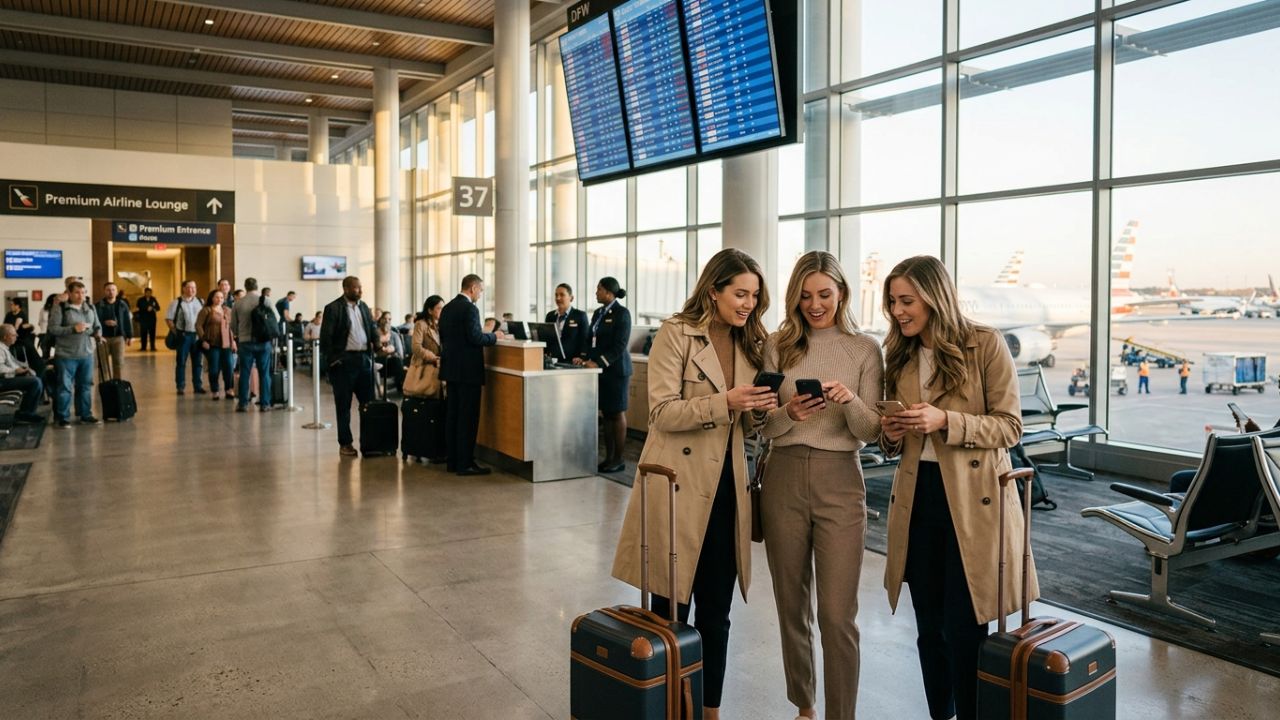
Image generated by AI
Aviation Updates: Massive American Airlines 3-Hour Upgrade Rule Triggers Elite Passenger Shock as Airlines Desperately Battle Severe Travel Chaos
As incredibly severe terminal gridlock and massive crew shortages completely suffocate legacy transit hubs across the United States, American Airlines has aggressively executed a massive operational fortress in Fort Worth, violently prioritizing deadheading pilots over elite frequent flyers to guarantee absolute network survival against terrifying global travel chaos.
While incredibly exhausted global passengers desperately navigate an incredibly brutal summer defined by rolling flight cancellations and severe, localized airport disruptions, a massive, highly controversial operational shift is actively reshaping the absolute highest levels of American commercial aviation. According to the absolute latest breaking airline news, American Airlines passengers departing from Fort Worth and beyond are witnessing a terrifying reality: deadheading pilots are actively displacing elite loyalty members on first-class upgrade lists in real time. Desperate to ensure that severe, localized regional hub gridlock does not completely destroy the entire US aviation network, airlines are violently prioritizing crew repositioning over passenger luxury, fundamentally shattering the illusion of loyalty program supremacy.
This highly critical operational fortress explicitly positions American Airlines not as a luxury provider, but as a heavily regulated, completely crisis-managed capacity zone. By aggressively enforcing the 2023 pilot agreements and utilizing a strict 3-hour operational window, the airline is directly combating the massive travel chaos that routinely plagues travelers when flights are grounded due to out-of-position crews. Because traditional mega-hubs frequently suffer from severe staffing bottlenecks leading to massive, unannounced airport disruptions, securing first-class seats for deadheading pilots serves as an absolute national defense mechanism. It completely bypasses the terrifying logistical nightmares that strand thousands of passengers, guaranteeing that pilots arrive fresh and ready to operate subsequent flights, even if it means aggressively displacing top-tier frequent flyers from the premium cabin.
Aviation Updates: Insulating the National Route Network
This massive, highly structural shift in crew logistics perfectly illustrates the intense, incredibly fragile nature of modern intercontinental mobility.
According to highly detailed, official aviation updates, this strategic upgrade prioritization is explicitly designed to massively enhance network stability while aggressively eliminating terrifying operational anxiety for the broader passenger base. The controversy centers on the fact that American Airlines systems expose this process publicly. Because competing open-capacity airports are increasingly crippled by rolling travel chaos stemming from crew timeouts, funneling operational staff into premium seats explicitly guarantees a unified, highly reliable transit model for the entire fleet. The 3-hour rule dictates that if a pilot is assigned outside standard sequencing, they automatically jump the queue. This massive regulatory optimization prevents a total network collapse, ensuring that a single delayed pilot does not trigger severe, cascading flight cancellations that ripple violently across the entire US air traffic system.
Section-Wise Breakdown: Navigating the Loyalty Crisis
The sudden, massive evolution of these critical transit controls actively impacts several incredibly distinct, highly sensitive operational dynamics, specifically centered in Fort Worth.
The Fort Worth Operational Flashpoint
At the absolute core of this massive operational pivot is the strategic elevation of crew travel mandates out of American Airlines' operational headquarters in Fort Worth, Texas. Operating as the absolute primary command center, Fort Worth manages the deeply complex 2023 pilot agreements. Airlines must prioritize deadheading pilots tagged with A1DP or A3DP status, utilizing the UPG0 priority code. By aggressively enforcing these codes at check-in, the airline actively protects the broader network from severe travel chaos caused by crew fatigue. However, because American Airlines processes these upgrades visibly at the gate, elite flyers actively watch their names plummet down the mobile app upgrade list in real time, creating an incredibly hostile, highly transparent passenger environment.
The Hidden Competitor Illusion
The ultimate execution of this highly strategic deployment heavily targets the public perception of airline fairness. While American Airlines is enduring massive public backlash, competitors like United Airlines, Delta Air Lines, and Alaska Airlines operate nearly identical—or even more aggressive—premium seating mandates for their pilots. By completely hiding these allocations inside early booking systems, these competitors explicitly bypass the severe logistical nightmares typically associated with gate-level customer rage. These rival systems simply re-sequence the lists before the passenger ever sees them, explicitly shielding travelers from the excruciating psychological blow of a real-time downgrade, proving that the entire industry is structurally identical in its battle against modern airport disruptions.
Flight Details and Verified Disruption Bypass Matrix
To fully understand the exact structural parameters of this massive operational priority shift and how airlines successfully navigate complex crew repositioning, the following matrix explicitly details the contractual mandates and system codes.
Confirmed American Airlines Disruption Control Matrix
| Operational / Contractual Metric | Massive Technical & Strategic Details | Regional Congestion Impact & Control |
|---|---|---|
| The 3-Hour Operational Rule | Pilot assignments within 3 hours of departure bypass elite flyers. | Prevents complete systemic collapse of subsequent scheduled flights. |
| Priority System Codes | Deadheading pilots tagged with A1DP, A3DP, and UPG0. | Eradicates massive peak-hour travel chaos caused by missing crew. |
| 2023 Pilot Agreement | Contractually mandates premium seating for repositioning. | Stops airlines from artificially triggering airport disruptions. |
| Visibility Asymmetry | American Airlines exposes shifts at the gate via mobile apps. | Triggers massive elite flyer frustration due to real-time transparency. |
| Competitor Operations | United, Delta, and Alaska conceal identical processes. | Proves the entire US network relies on premium crew positioning. |
| FAA Distinctions | Rest requirements are separate from premium seating logistics. | Ensures pilots are legally ready to fly, preventing flight cancellations. |
Data explicitly reflects the massive, highly structural operational shift designed to flawlessly execute national passenger stabilization, directly forcing frequent flyers to reevaluate the rapidly diminishing value of loyalty status.
Passenger Impact: The Psychological Toll of the Upgrade Lock
For the highly demanding passengers actively engaged in this massive US mobility shift, traditional, highly anticipated premium travel is frequently viewed as a completely broken, highly frustrating ecosystem.
The successful enforcement of the 3-hour upgrade rule significantly degrades luxury travel convenience for thousands of incredibly exhausted elite flyers and corporate executives. Instead of relying absolutely solely on a highly predictable loyalty hierarchy—where millions of miles guarantee a first-class seat—travelers are now trapped in an operations-first economy. By actively utilizing this massive contractual mandate, American Airlines successfully bypasses the terrifying, anxiety-inducing reality of severe, rolling airport disruptions, but the passenger cost is massive. Elite flyers are rapidly realizing that their status is entirely subordinate to the airline's desperate need to move flight crews, resulting in severe passenger disillusionment and a rapid shift toward simply purchasing premium seats outright rather than gambling on the upgrade list.
Industry Analysis: The Economics of Perception and Loyalty
Aviation structural analysts strictly point out that this massive, multi-national operational shift perfectly illustrates the extreme, highly vital importance of heavily optimized crew repositioning.
Aviation data explicitly indicates that massive legacy carriers are absolutely desperate to secure rapid crew movements to actively combat the terrifying reality of massive operational meltdowns. Industry observers strongly view this transparency crisis as the absolute ultimate catalyst for a total redesign of airline loyalty interfaces. When premium inventory is tightly constrained by legacy hub congestion, exposing the brutal reality of contractual pilot overrides completely destroys passenger trust.
Mr. Anup Kumar Keshan, Founder and Editor-in-Chief of Travel And Tour World, explicitly noted the severity of this shift: “Airlines are not losing control of upgrades; they are losing control of perception.”
By aggressively establishing this operational foundation, incumbent airlines absolutely ensure that they maintain a highly lucrative grip on network reliability, completely insulating their operations from unpredictable flight cancellations, even if it requires violently sacrificing the loyalty of their most frequent flyers in the process.
Conclusion: A Highly Restrictive Loyalty Future
The massively evolving infrastructure dynamics directly defining American Airlines' integration of the 2023 pilot agreements violently reflect a much broader, highly critical structural transformation currently dominating how US commercial aviation manages premium inventory.
Rather than violently forcing massive domestic traffic through a deeply congested, highly restricted network without adequate crew, airlines are incredibly increasingly functioning as a highly capitalized, operations-first ecosystem. As competitors aggressively utilize hidden booking algorithms to permanently alter their upgrade queues in secret, travelers actively navigating the incredibly busy domestic sector must absolutely remain highly vigilant. To actively survive potential travel chaos during peak demand phases, passengers must aggressively monitor all breaking aviation updates, actively secure premium seats via direct purchase to avoid capacity-induced gate demotions, and perfectly understand that escaping modern airport disruptions fundamentally requires accepting that deadheading pilots will always, contractually, take the first-class seat.
Key Takeaways
- Massive Contractual Override: American Airlines strictly enforces the 2023 pilot agreement, placing deadheading pilots ahead of elite flyers for first-class upgrades.
- The 3-Hour Window: Operational assignments made close to departure instantly re-sequence the upgrade list, triggering massive passenger frustration.
- Preventing Systemic Collapse: The strict crew positioning strategy prevents severe travel chaos and cascading flight cancellations across the entire US aviation network.
- Visibility Asymmetry: While American exposes these changes on public upgrade boards, airlines like Delta, United, and Alaska hide identical practices deep within their booking systems.
- Priority Codes Executed: Pilots utilizing A1DP, A3DP, and UPG0 statuses are automatically forced to the top of the queue to ensure network survival.
- Passenger Survival Strategy: Elite travelers are strictly advised to aggressively purchase first-class fares directly, as the massive premium placed on crew positioning guarantees that complimentary upgrades are increasingly impossible during severe airport disruptions.
Related Travel Guides
Massive UAE Visa Bombshell: Strict New 30-Day Escape Window Announced
Travel Chaos Cripples Spain as Iberia and Ryanair Suffer 1,079 Delays
Disclaimer
This article is for informational and educational purposes only. It does not constitute legal, financial, or professional advice. While we strive to provide accurate and up-to-date information, travel policies, regulations, and conditions change rapidly. Always verify information with official sources before making travel decisions. Nomad Lawyer makes no representations about the accuracy, reliability, completeness, or suitability of the information provided. Readers should consult qualified professionals for advice specific to their circumstances. The views expressed in this article are those of the author and do not necessarily reflect the views of Nomad Lawyer.
Preeti Gunjan
Contributor & Community Manager
A passionate traveller and community builder. Preeti helps grow the Nomad Lawyer community, fostering engagement and bringing the reader experience to life.
Learn more about our team →