
Alicante Spain Tourism Growth: Wizz Air Expands Venice Route and Costa Blanca Appeal 2026
Alicante emerges as a year-round Mediterranean hub in 2026, bolstered by new Wizz Air connectivity from Venice and a diverse urban-coastal tourism infrastructure.

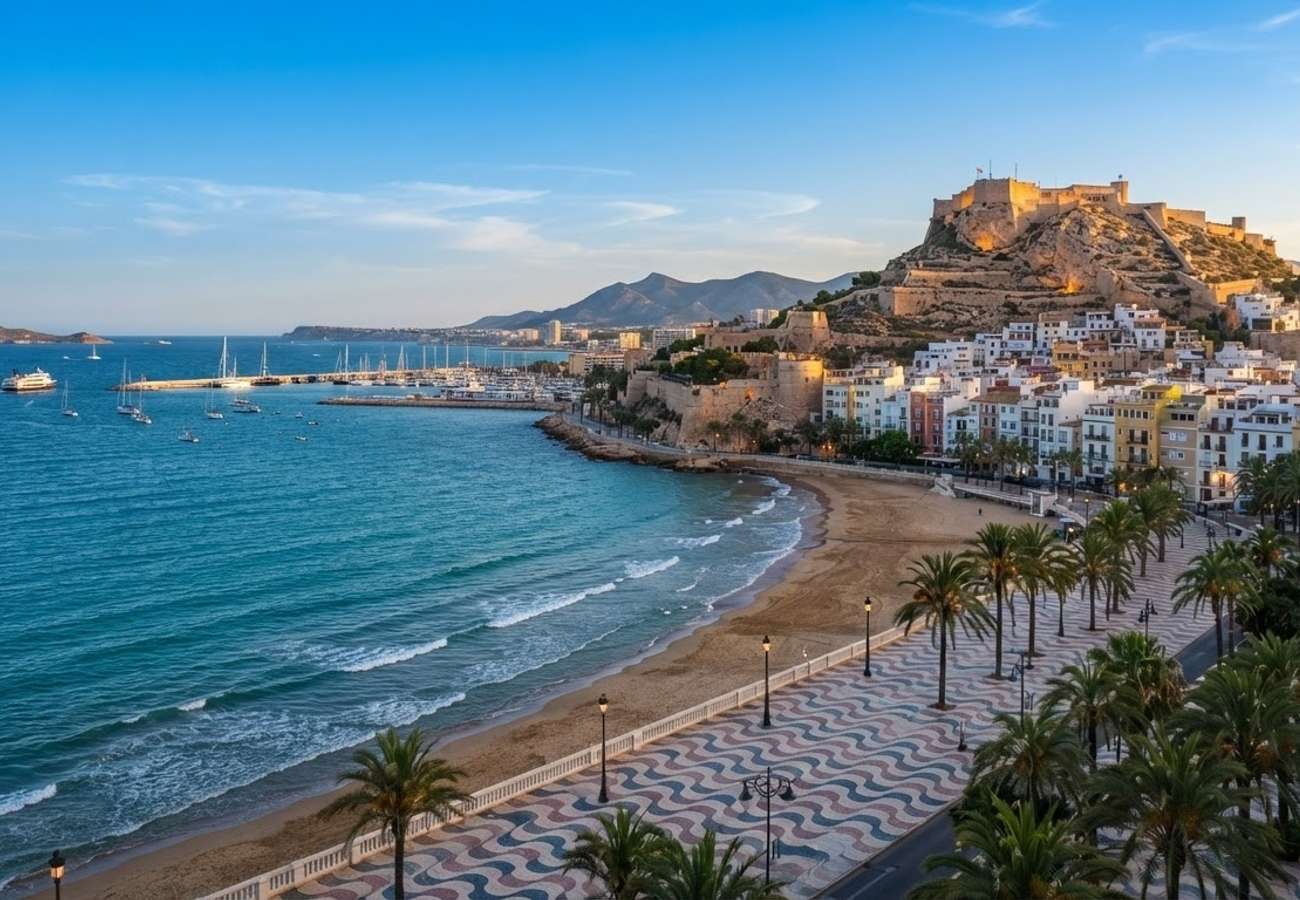
Image generated by AI
Alicante is positioning itself as a primary Mediterranean destination for travelers seeking a blend of historical depth and coastal leisure. Located in the Valencian Community on the Costa Blanca, the city has evolved beyond a seasonal sun-bathing spot into a comprehensive city-break destination accessible via high-speed rail and international air corridors.
Aviation Expansion: Italy-Spain Connectivity
A significant boost to the city's accessibility arrived in mid-2026. Wizz Air has strengthened the link between Italy and Spain with a direct service from Venice Marco Polo to Alicante.
Flight Operational Data:
- Launch Date: 2 July 2026
- Frequency: Three times weekly (Tuesday, Thursday, Saturday)
- Flight Duration: Approximately 2 hours and 20 minutes
- Distance: Around 1,340 kilometres
- Aircraft Deployment: This route is supported by the arrival of Wizz Air's fourth Airbus A321neo at Venice Marco Polo, which was moved forward to 1 July to facilitate this expansion.
Primary Urban Attractions and Logistics
Alicante's layout allows for a car-free experience, with the majority of key sites concentrated within walking distance of the center.
Historical and Cultural Landmarks
- Santa Bárbara Castle: Situated atop Mount Benacantil, this Muslim-era fortress serves as the city's primary landmark. Access is available via walking paths, a lift service, or shuttles.
- Barrio de Santa Cruz: A pedestrian-only neighborhood characterized by narrow white streets and floral decorations. Due to steep inclines, it may present challenges for those with reduced mobility.
- Explanada de España: The city's signature promenade, featuring a wave-patterned pavement and palm trees, connecting the urban center to the marina.
Coastal Access
- Postiguet Beach: A centrally located sandy beach at the foot of the castle, ideal for short-stay visitors.
- San Juan Beach: Accessible via the TRAM, this expansive stretch of sand is the preferred choice for families and water sports.
- Tabarca Island: A full-day excursion via boat to the only inhabited settlement in the Valencian Community’s marine reserve.
Gastronomy and Local Produce
The culinary scene in Alicante is defined by its proximity to the sea and the agricultural richness of the region.
- Signature Rice Dishes: Arroz a banda (fish stock base) and Arroz del senyoret (peeled seafood) are the regional staples.
- The Central Market: The primary hub for fresh seafood, meats, and local produce.
- Regional Specialties: Turrón, the almond nougat from nearby Jijona, remains a critical local export and delicacy.
Transit and Accessibility Matrix
| Mode of Transport | Route/Connection | Key Details |
|---|---|---|
| Air | Alicante-Elche Miguel Hernández Airport | C6 bus connects airport to Luceros center |
| Rail (High-Speed) | Madrid $\rightarrow$ Alicante | Renfe AVE and Avlo services |
| Local Transit | City $\rightarrow$ San Juan Beach | TRAM network |
| Sea | Alicante $\rightarrow$ Tabarca Island | Scheduled boat services |
Why This Matters: Industry Analysis
From a logistical perspective, the integration of the Airbus A321neo on the Venice-Alicante route signals a shift toward higher-capacity, lower-emission regional connectivity. For the travel industry, this means Alicante is no longer just a "gateway" to the Costa Blanca resorts, but a destination in its own right.
Our analysis of the route map suggests that by linking Venice (a high-culture hub) with Alicante (a leisure-culture hub), Wizz Air is capturing a specific "inter-European" tourist segment that prioritizes efficiency over traditional hub-and-spoke transfers. For travelers, the real impact is a reduction in travel friction, making a multi-city Mediterranean itinerary viable within a single week.
Forward Outlook
The upcoming June cycle will be a critical test of the city's infrastructure during the Hogueras de San Juan celebrations. This period sees a massive influx of visitors for the artistic monument burnings, typically resulting in peak hotel occupancy and high demand for transport.
Industry trends suggest that Alicante will continue to pivot toward "slow travel" by promoting the Barrio de Santa Cruz and Tabarca Island, moving the narrative away from mass-market beach tourism toward curated cultural experiences.
Alicante is successfully transitioning from a summer transit point to a year-round Mediterranean anchor.
Related Travel Guides
Disclaimer
This article is for informational and educational purposes only. It does not constitute legal, financial, or professional advice. While we strive to provide accurate and up-to-date information, travel policies, regulations, and conditions change rapidly. Always verify information with official sources before making travel decisions. Nomad Lawyer makes no representations about the accuracy, reliability, completeness, or suitability of the information provided. Readers should consult qualified professionals for advice specific to their circumstances. The views expressed in this article are those of the author and do not necessarily reflect the views of Nomad Lawyer.
Kunal K Choudhary
Co-Founder & Contributor
A passionate traveller and tech enthusiast. Kunal contributes to the vision and growth of Nomad Lawyer, bringing fresh perspectives and driving the community forward.
Learn more about our team →