
Albania Tourism Growth Accelerates as Foreign Arrivals Reach 1.34 Million in June 2026 Driven by Spain, Bulgaria, and European Source Markets: Everything You Need to Know
Albania welcomed 1.34 million foreign visitors in June 2026 (+1.3% YoY), with European markets generating 93% of entries led by Southern Europe (Spain) and Central/Eastern Europe (Bulgaria).

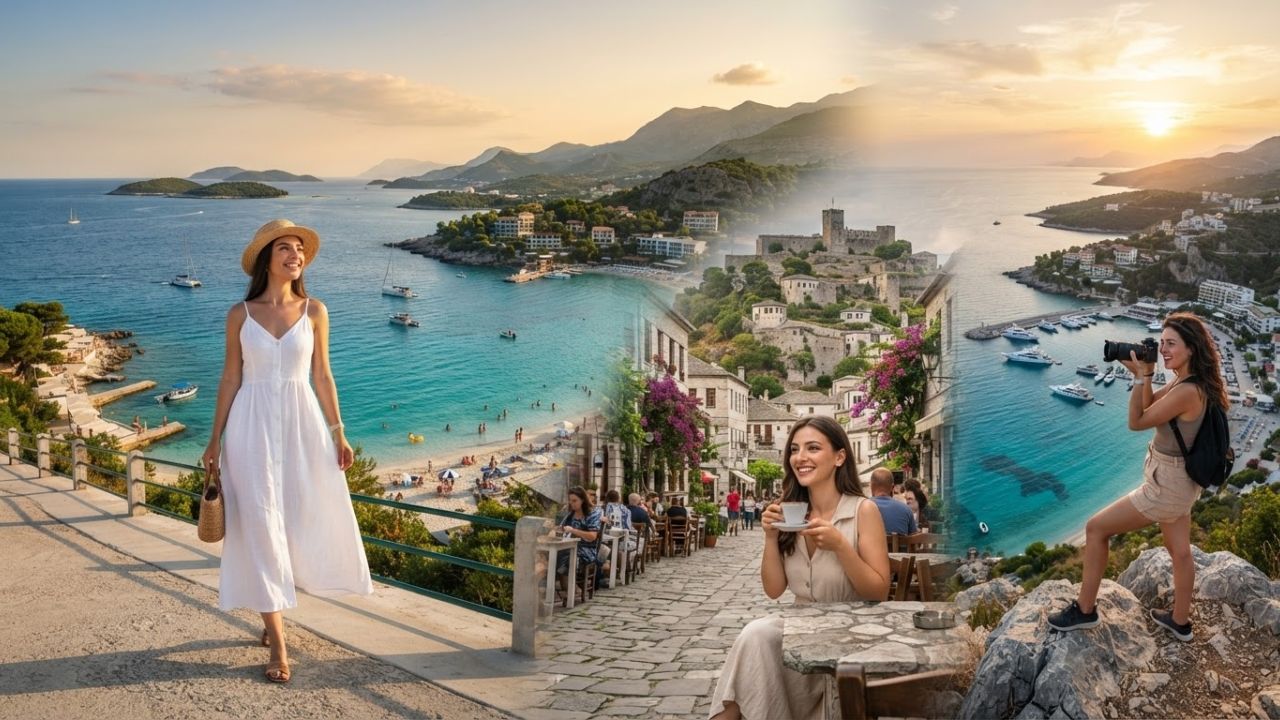
Image generated by AI
The Albania tourism growth acceleration reached new heights in June 2026, with international foreign arrivals rising to 1,346,279 visitors, marking a 1.3% year-on-year increase compared to June 2025. Official data released by Albania’s Institute of Statistics (INSTAT) confirms that European source markets formed the foundation of the country's travel boom, generating 1,249,278 visitors (93% of all foreign entries). Driven by a 66% share from Southern Europe (822,225 arrivals) including Spain, 14% from Central and Eastern Europe (172,436 arrivals) including Bulgaria, along with strong demand from Western Europe (125,891 arrivals), Northern Europe (85,688 arrivals), and East Mediterranean Europe (43,038 arrivals), Albania is solidifying its position as one of Europe's fastest-growing Mediterranean destinations.
📌 Quick Summary
- Total International Arrivals: Albania welcomed 1,346,279 foreign visitors in June 2026, registering a 1.3% year-on-year growth.
- European Market Dominance: European arrivals reached 1,249,278, representing approximately 93% of all foreign entries.
- Top Source Regions: Southern Europe led with 822,225 visitors (66% of European entries), followed by Central & Eastern Europe with 172,436 visitors (14%).
- Key Country Drivers: Key contributing markets include Spain (Southern Europe), Bulgaria (Central/Eastern Europe), the Netherlands (Western Europe), Sweden (Northern Europe), and Turkey (East Mediterranean).
- Personal Leisure Dominance: 98% of all foreign visitors traveled for personal leisure and holidays, while business/professional travel declined 17.7% YoY.
Published on July 30, 2026
The rapid expansion of European visitor mobility underlines Albania's appeal as an affordable, high-value alternative to traditional Mediterranean holiday spots. By offering pristine coastal beaches along the Ionian and Adriatic seas, UNESCO-listed heritage cities, and low-cost regional transport connections, the Balkan nation continues to attract diverse traveler demographics.
According to statistical assessments from INSTAT, leisure tourism remains the single largest economic engine for Albania's hospitality sector. While business travel contracted, the surging influx of European vacationers has boosted occupancy for hotels, coastal resorts, and regional tour operators across the country.
Context and Background: Albania's Emergence as a Mediterranean Hub
For decades, Albania’s travel market remained relatively unexplored compared to neighboring Mediterranean giants like Greece, Italy, and Croatia. However, heavy investments in air transport infrastructure, highway connectivity, and hotel developments have transformed the country into an accessible holiday destination.
Strengthened air routes connecting Tirana International Airport with major European hubs have made short-haul and weekend getaways convenient for travelers from Western, Northern, and Southern Europe. Furthermore, cross-border road mobility from neighboring Balkan nations provides a steady flow of regional visitors throughout the summer season.
By pairing competitive accommodation pricing with rich cultural heritage and unspoiled coastal landscapes, Albania has successfully established itself as a rising star in European tourism.
Event Details: INSTAT Regional Breakdown and Source Market Data
Statistical figures published by INSTAT provide a comprehensive breakdown of international visitor origins and travel motivations in June 2026:
1. Regional European Visitor Breakdown (June 2026)
- Southern Europe (#1 Region): Generated 822,225 foreign arrivals (66% of European total). Markets such as Spain led this segment, driving high demand for Mediterranean beach holidays, coastal leisure, and summer vacations.
- Central and Eastern Europe (#2 Region): Generated 172,436 foreign arrivals (14% of European total). Supported by neighboring Balkan partners like Bulgaria, this region drives short-haul mobility, weekend breaks, and cross-border road travel.
- Western Europe (#3 Region): Generated 125,891 foreign arrivals. Markets including the Netherlands contributed higher-value cultural tourists and international leisure travelers.
- Northern Europe (#4 Region): Generated 85,688 foreign arrivals. Nordic markets such as Sweden contributed long-stay summer holidaymakers seeking warm Mediterranean climates.
- East Mediterranean Europe (#5 Region): Generated 43,038 foreign arrivals. Key regional partners like Turkey strengthened cross-border business, cultural ties, and regional travel flows.
2. Overall Performance Metrics
- Total Foreign Arrivals: 1,346,279 visitors (+1.3% YoY compared to June 2025).
- European Visitor Share: 1,249,278 visitors (~93% of overall foreign entries).
- Travel Purpose Share: 98% for personal travel (leisure, family visits, holidays).
- Business Travel Trend: Business and professional visits contracted by 17.7% compared to June 2025.
INSTAT Data Table: Foreign Tourism Source Regions (June 2026)
The table below outlines the foreign arrival numbers, regional rankings, primary market representatives, and economic impacts recorded in June 2026:
| Regional Rank | Source Region | Foreign Arrivals (June 2026) | Key Representative Markets | Strategic Tourism Impact |
|---|---|---|---|---|
| Rank 1 | Southern Europe | 822,225 Arrivals (66%) | Spain | Dominant source region; drives coastal holidays & summer leisure |
| Rank 2 | Central & Eastern Europe | 172,436 Arrivals (14%) | Bulgaria | Supports short-haul Balkan mobility & cross-border road travel |
| Rank 3 | Western Europe | 125,891 Arrivals | Netherlands | Contributes higher-value cultural tourists & leisure travellers |
| Rank 4 | Northern Europe | 85,688 Arrivals | Sweden | Delivers Nordic long-stay summer holidaymakers |
| Rank 5 | East Mediterranean Europe | 43,038 Arrivals | Turkey | Strengthens regional Mediterranean links & cultural exchange |
| TOTAL | All Foreign Markets | 1,346,279 Visitors | Global / Europe (93%) | +1.3% YoY overall growth; 98% personal travel share |
Risk and Impact Analysis: Challenges Facing Albania's Tourism Sector
While rising visitor numbers reflect strong international demand, Albania's tourism industry must manage several operational challenges:
- Heavy Reliance on Seasonal Leisure Travel: With 98% of arrivals traveling for personal reasons and business travel dropping 17.7%, hospitality operators face seasonal revenue drops outside summer months.
- Coastal Infrastructure Saturation: Popular Riviera spots like Saranda, Ksamil, and Vlora face heavy traffic congestion and high water/utility demand during peak July-August weeks.
- Aviation Route Dependence: Sustaining growth from Western and Northern Europe requires airlines to maintain year-round direct flight capacity into Tirana.
- Preserving Ecosystems and Heritage: Rapid hotel construction along the coastline requires strict environmental planning to prevent habitat loss and preserve natural beaches.
What Tourism Authorities Are Saying
Representatives from INSTAT and the Albanian Ministry of Tourism emphasize that European connectivity is the primary driver of national tourism success.
Official statements from Albanian tourism planners outline the country's strategic goals:
"Albania’s foreign arrivals reaching 1,346,279 in June 2026 demonstrate the growing global appeal of our Mediterranean coastline. With European source markets generating 93% of total entries—led by Southern Europe, Spain, Bulgaria, and Western Europe—our focus is on expanding international air connectivity, improving hospitality infrastructure, and promoting cultural heritage to build a resilient, year-round tourism economy."
Tourism experts note that strengthening partnerships with European low-cost carriers and tour operators will help diversify arrivals beyond summer beach travel.
Practical Traveler Advice: Planning a Trip to Albania in 2026
Travelers planning to visit Albania during the 2026 travel season can maximize their experience by following these practical guidelines:
- Explore the Albanian Riviera: Visit famous coastal destinations like Saranda, Ksamil, Dhermi, and Vlora for pristine Mediterranean beaches and affordable seafood dining.
- Discover UNESCO Heritage Cities: Take inland excursions to historic stone cities such as Gjirokastër and Berat to experience Ottoman architecture and ancient castles.
- Utilize Direct European Flights: Fly directly into Tirana International Airport (Nene Tereza) via low-cost carriers operating routes from major European capitals.
- Book Coastal Hotels Early: Secure accommodation well in advance when traveling during peak summer weeks (July and August) to avoid high seasonal prices.
- Consider Shoulder-Season Travel: Visit in May, June, or September to enjoy pleasant Mediterranean weather, clear beaches, and fewer crowds.
Broader Context: Why Albania's Mediterranean Location Matters
Situated along the Ionian and Adriatic Seas directly across from Italy and north of Greece, Albania occupies a strategic position in Mediterranean geography. The country features over 400 kilometers of coastline, dramatic mountain ranges (such as the Albanian Alps), and ancient Roman and Greek archaeological sites like Butrint.
The surge in European visitor interest reflects a broader travel trend where international vacationers seek authentic, uncrowded alternatives to expensive Western European beach destinations. Albania's unique combination of natural beauty, rich history, and warm hospitality positions it as one of the continent's most promising travel frontiers.
Looking Ahead: Expansion Plans and 2026 Tourism Projections
As the 2026 travel season continues, Albanian tourism authorities and private developers are focused on several key growth initiatives:
- Hospitality Infrastructure Expansion: Opening new luxury resorts and boutique hotels along the southern coastline to accommodate rising European demand.
- Airport Capacity Upgrades: Expanding passenger processing facilities at Tirana International Airport and developing Vlora International Airport to serve coastal routes.
- Autumn Cultural Campaigns: Promoting mountain hiking, culinary wine tours, and heritage tourism to extend the travel season into late autumn.
FAQ: Albania Tourism Growth 2026
How many foreign visitors arrived in Albania in June 2026?
Albania recorded 1,346,279 foreign arrivals in June 2026, representing a 1.3% year-on-year increase compared to June 2025.
What percentage of foreign arrivals came from European countries?
European source markets generated 1,249,278 arrivals, accounting for approximately 93% of all foreign entries in June 2026.
Which European region contributed the largest share of tourists?
Southern Europe was the largest source region, generating 822,225 visitors (66% of all European entries), with strong contributions from markets like Spain.
What was the main purpose of travel for foreign visitors to Albania?
Personal leisure, holidays, and family visits accounted for 98% of all foreign arrivals, while business travel recorded a 17.7% decline.
Conclusion: Consolidating Albania's Mediterranean Success
Albania’s 2026 tourism growth performance confirms its transformation into a major European travel destination. Driven by robust arrivals from Southern Europe, Spain, Bulgaria, Western Europe, and Nordic markets, Albania is successfully leveraging its Mediterranean coastline, cultural heritage, and enhanced air connectivity to build a vibrant, sustainable tourism future.
SEO & Google News Metadata Suggestions
- Suggested Meta Title: Albania Tourism Growth: 1.34M Foreign Visitors in June 2026 (< 60 chars)
- Suggested URL Slug:
albania-tourism-growth-spain-bulgaria-european-arrivals-june-2026 - Suggested Article Tags:
Albania tourism growth,Albania foreign arrivals June 2026,Spain travel to Albania,Bulgaria travel Albania,INSTA Albania tourism data
Related Travel Guides
The 10 Best Beaches and Coastal Villages in the Albanian Riviera, According To Reddit
Disclaimer
This article is for informational and educational purposes only. It does not constitute legal, financial, or professional advice. While we strive to provide accurate and up-to-date information, travel policies, regulations, and conditions change rapidly. Always verify information with official sources before making travel decisions. Nomad Lawyer makes no representations about the accuracy, reliability, completeness, or suitability of the information provided. Readers should consult qualified professionals for advice specific to their circumstances. The views expressed in this article are those of the author and do not necessarily reflect the views of Nomad Lawyer.
Raushan Kumar
Founder & Lead Developer
Full-stack developer with 11+ years of experience and a passionate traveller. Raushan built Nomad Lawyer from the ground up with a vision to create the best travel and law experience on the web.
Learn more about our team →