
Scenic Rail: Alaska Railroad Connects Anchorage and Fairbanks
The Alaska Railroad's 356-mile rail corridor links Anchorage to Fairbanks, carrying travelers through roadless wilderness and mountain passes.

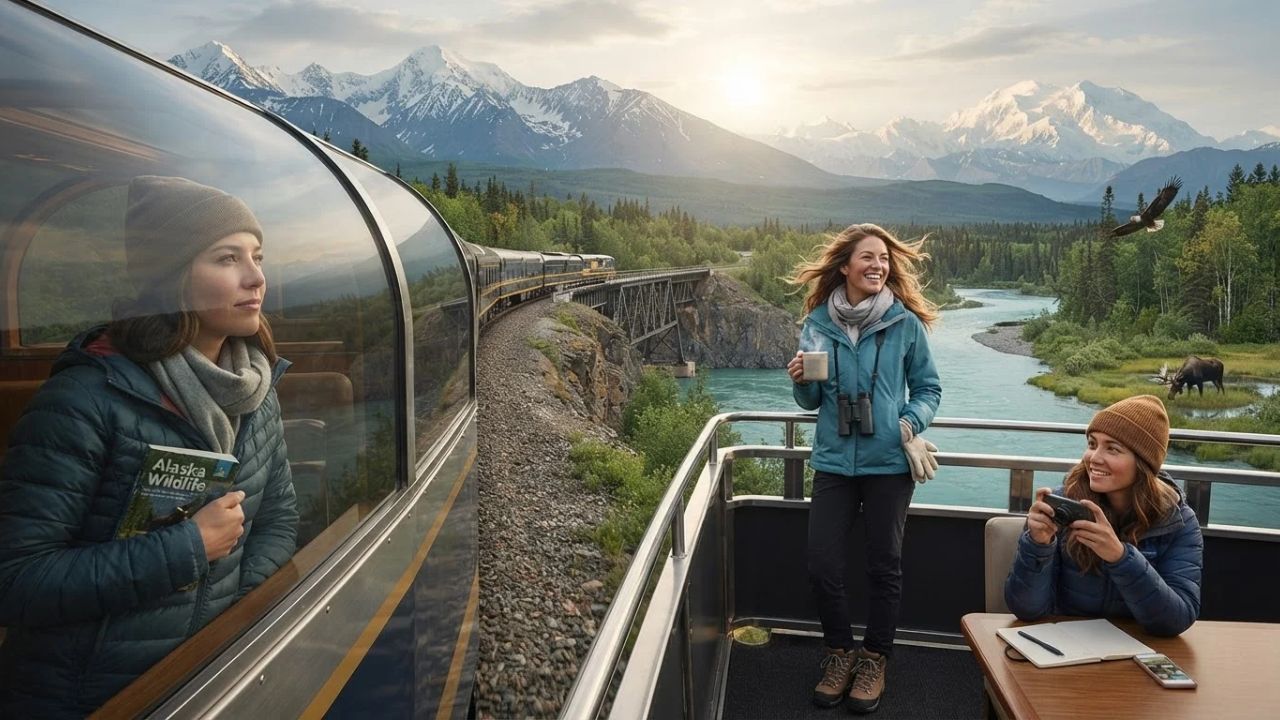
Image generated by AI
The Alaska Railroad's 356-mile rail corridor links Anchorage to Fairbanks, carrying travelers through roadless wilderness and mountain passes. The route serves as an alternative to highway transit, providing links to interior national parks.
The Resurgence of Scenic Rail Travel in North America
A major trend in modern leisure travel is the growth of long-distance scenic rail journeys over traditional road trips. Historically, passenger trains served primarily as basic transport links connecting urban terminals. In 2026, travelers choose rail journeys as complete vacations, enjoying slow travel, dome-car viewing, and onboard narration.
By utilizing passenger rail to reach national parks and remote communities, visitors reduce their dependency on rental vehicles and minimize traffic congestion along park highway corridors. This transport shift helps protect fragile subarctic ecosystems while supporting local hospitality providers in pioneer gateway towns.
Rail Schedules and Seasonal Routes
The rail corridor connects Southcentral Alaska to the Interior, running daily or weekly depending on the season:
- Denali Star Train: Operates daily during the summer months from mid-May through mid-September, executing a twelve-hour, 356-mile run.
- Aurora Winter Train: Takes over during the winter season from September through May, serving skiers, northern lights viewers, and snowy communities.
- Intermediate Stations: Includes regular stops at Wasilla, the historic pioneer town of Talkeetna, and the entrance to Denali National Park and Preserve.
- Flag-Stop Lifelines: Provides critical supply links to off-grid homesteaders living in remote forest areas managed by the Bureau of Land Management.
These schedules allow travelers to coordinate multi-day wilderness stopover itineraries.
Onboard Service Tiers and Panoramic Views
Passengers can choose between two service classes designed for different travel styles:
- GoldStar Service (Premium): Features upper-level, 360-degree glass-domed cars, an outdoor viewing platform, inclusive dining-car meals, and local guide commentary.
- Adventure Class (Standard): Offers main-level reclining seats, expansive picture windows, vestibule viewing access, and pay-as-you-go dining at the Wilderness Café.
- Baggage Logistics: Puts checked baggage services at primary stations in Anchorage, Talkeetna, Denali, and Fairbanks, allowing passengers to travel without large bags.
Both classes provide views of surrounding peaks and river gorges.
Alaska Railroad Route Coordinates
The table below breaks down the track highlights, engineering marvels, river valleys, service options, and managing authorities along the 356-mile corridor:
| Route Highlight | Geographic Location | Engineering / Natural Feature | Service Tier Options | Target Wildlife Species | Primary Managing Agency |
|---|---|---|---|---|---|
| Anchorage to Fairbanks | 356-mile interior track | Hurricane Gulch Bridge (300-ft span) | GoldStar & Adventure Class | Moose, bears & bald eagles | Alaska Dept of Transportation |
| Denali Star (Summer) | Talkeetna & Broad Pass | Mount Denali view (over 20,000 ft) | Upper dome vs picture window | White Dall sheep on cliffs | National Park Service (NPS) |
| Aurora Winter (Winter) | Susitna & Nenana rivers | Healy Granite Canyon tracks | Dining car vs Wilderness Café | Forest foraging species | US Forest Service (USFS) |
These coordinates outline the locations, features, tiers, wildlife, and agencies established for the rail line.
Resource Stewardship and Wildlife Corridor Protection
For the traveler, the benefit of choosing rail transport over highway driving is the reduction in carbon emissions per passenger-mile across subarctic ecosystems. Using passenger trains helps protect delicate wildlife corridors, minimizing vehicle collisions with moose and bears in national preserves.
Additionally, spending vacation nights at eco-lodges in Talkeetna or Denali helps fund conservation programs. Following park regulations during wilderness shuttle excursions preserves fragile tundra plants.
For comparison, you can explore the changing dynamics of Stimulus Launch: Taiwan Unveils Billion-Dollar Repeat Visitor Rewards to see how destinations promote visitor spend. For transit updates, comparing travel scheduling matches other networks, such as Youth Travel: Gen Z Embraces Caribbean Lifestyle Escapes updates. This trend is similar to the tourism growth seen in other destinations, as detailed in our guide on how Utica, New York Emerges as an Affordable Northeast Tourism Hub.
Visitor Insider Tips: Riding the Rails in Alaska
If you are planning a rail trip through Alaska’s interior, keep these practical tips in mind:
- Book GoldStar for Dome Views: Choose the GoldStar service tier to access the open-air viewing platform, which is ideal for taking glare-free photos of Mount Denali.
- Coordinate a Talkeetna Stopover: Disembark in Talkeetna for a night to take a glacier flightseeing flight before continuing to Denali National Park.
- Check the Flag-Stop Schedule: Watch out the window in the roadless backcountry zone to see off-grid homesteaders flag down the train for cargo.
- Prepare for a 12-Hour Journey: Bring books, games, or offline entertainment for the full Anchorage-Fairbanks run, as cellular data is limited along the tracks.
- Organize Checked Bags Early: Arrive at the station one hour before departure to check your large luggage through to your final destination.
Long-Term Outlook for Subarctic Transit Networks
The long-term outlook for transit in Alaska is focused on deploying low-emission locomotives, upgrading rail bridges to withstand glacial meltwaters, and expanding winter tourism routes. As interest in northern lights viewing and winter sports remains strong, the Alaska Railroad and state agencies will cooperate to maintain year-round rail access.
By protecting wilderness corridors and supporting gateway economies, the rail sector aims to build a sustainable travel network.
FAQ
How long is the rail journey between Anchorage and Fairbanks?
The rail corridor spans 356 miles and takes approximately twelve hours to complete on the daily summer schedule.
What is the difference between the summer and winter trains?
The Denali Star Train operates daily from mid-May to mid-September, while the Aurora Winter Train runs on a seasonal schedule from September to May.
How high is Hurricane Gulch Bridge?
The steel arch bridge spans nearly 300 feet above the bottom of the river gorge.
Can passengers disembark at intermediate stations?
Yes, passengers can book multi-day stopover tickets to stay overnight in Wasilla, Talkeetna, or Denali National Park.
Stay updated on the regional travel regulations and scenic rail routes shaping Alaskan tourism.
Related Travel Guides
Disclaimer
This article is for informational and educational purposes only. It does not constitute legal, financial, or professional advice. While we strive to provide accurate and up-to-date information, travel policies, regulations, and conditions change rapidly. Always verify information with official sources before making travel decisions. Nomad Lawyer makes no representations about the accuracy, reliability, completeness, or suitability of the information provided. Readers should consult qualified professionals for advice specific to their circumstances. The views expressed in this article are those of the author and do not necessarily reflect the views of Nomad Lawyer.
Raushan Kumar
Founder & Lead Developer
Full-stack developer with 11+ years of experience and a passionate traveller. Raushan built Nomad Lawyer from the ground up with a vision to create the best travel and law experience on the web.
Learn more about our team →