
Alaska Marine Highway System Modernizes Remote Coastal Ferry Routes
Alaska modernizes its marine highway network, launching seven-day service to Metlakatla and bidding on a $350 million replacement vessel for the Aleutian Chain.
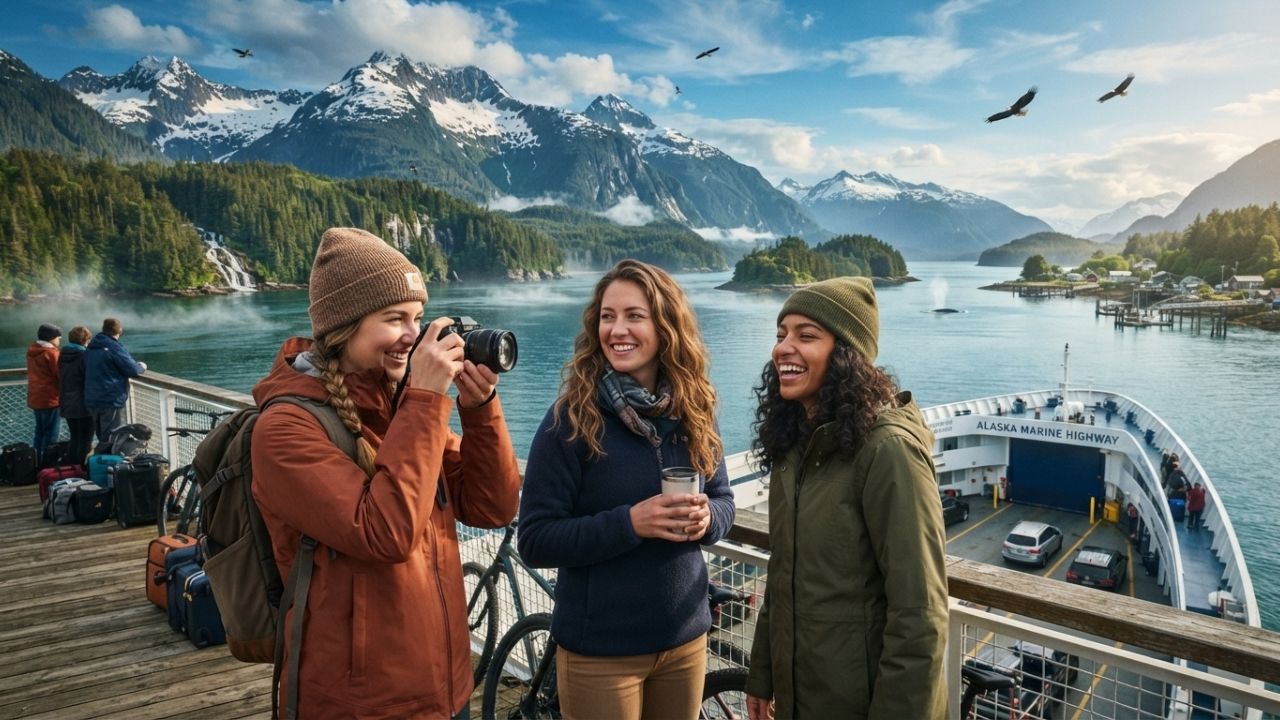
Image generated by AI
The Alaska Marine Highway System (AMHS) is transitioning to a modernized, two-tier network to support short-haul commuter corridors and long-distance ocean crossings.
Coastal transit systems are adapting to meet the challenges of remote geographic connectivity. The Alaska Marine Highway System (AMHS), which spans approximately 3,500 marine miles and serves 35 isolated communities with a fleet of nine ferries, is transitioning toward a multi-tier service model.
Key changes include expanding commuter service between Ketchikan and Metlakatla to seven days a week, alongside advancing the procurement process for a replacement vessel designed for the demanding weather of the Gulf of Alaska and the Aleutian Chain.
Ferry Fleet Specifications Comparison
Upgrading remote marine infrastructure involves expanding vehicle lane storage and passenger cabin layouts to support extended overnight transits. The following table compares the structural dimensions, speeds, vehicle linear capacities, and passenger berths of the existing MV Tustumena with the proposed replacement vessel design.
| Vessel Design Specification | Existing MV Tustumena | Replacement Vessel Design | Percentage Capacity / Speed Change | Primary Operational Class | Structural Loading Configuration |
|---|---|---|---|---|---|
| Vessel Length | 296 feet | 330 feet | +11.5% | Ocean-class certified | Stern and side loading access |
| Vessel Width (Beam) | 59 feet | 74 feet 10 inches | +26.8% | Ocean-class certified | Stern and side loading access |
| Average Service Speed | 13.3 knots | 15.0 knots | +12.8% | Twin propeller draft limits | Stabilizer fins & 850 kW thrusters |
| Vehicle Lane Capacity | 680 linear feet | 1,200 linear feet | +76.5% | High-density deck slots | Integrated vehicle elevator lift |
| Max Passenger Capacity | 160 passengers | 250 passengers | +56.3% | Multi-class lounges | Reconfigured open deck lounges |
| Overnight Passenger Berths | Existing configurations | 124 berths | Re-engineered staterooms | Extended overnight capability | Dedicated cabin crew quarters |
Fleet renewal parameters and shipyard procurement data verified in coordination with the Alaska Department of Transportation & Public Facilities (DOT&PF) and AMHS logs.
Traveler Logistics and Coastal Ferry Booking Guide
From a ground-level perspective, the best way to navigate this is to secure your AMHS vehicle boarding slot at least 90 days before your intended travel date, as vehicle lane space on long-haul routes like the Aleutian Chain frequently sells out during peak summer periods, leaving only passenger walk-on tickets available. Planning connections according to seasonal timetables is key.
To manage your coastal ferry travel:
- Winter Reservations: The 2026–27 AMHS winter schedule opened for bookings on August 5, 2026, for travel between October 1, 2026, and April 30, 2027. Note that cross-Gulf and Prince Rupert services are suspended during winter.
- Metlakatla Visitor Permits: Travelers using the daily MV Lituya ferry from Ketchikan to Annette Bay must obtain a visitor permit from the Metlakatla Indian Community if staying overnight for more than 24 hours.
- Transit Time Expectations: Long-haul segments run for many hours. For example, Homer to Kodiak takes nine hours, while the transit from Kodiak to Chignik takes 18 hours and 45 minutes. Pack extra food and warm weather layers.
- Vehicle Loading Protocols: Arrive at the ferry terminal at least two hours before departure when boarding with a vehicle or RV. All vehicles are subject to inspection and must be measured precisely.
Infrastructure Funding and Long-Term Network Impact
Maintaining sea links is vital for communities along the Aleutian Chain, where the ocean-class MV Tustumena serves as a lifeline connecting 13 ports between Homer and Unalaska (including Dutch Harbor). On June 30, 2026, an apparent low construction bid of $349,996,251 was submitted to build the replacement vessel, representing a major procurement milestone.
Previous federal funding, including a $106.4 million Federal Transit Administration (FTA) grant in September 2024, has supported financing the project. While procurement reviews continue, the state is also evaluating Haines-Skagway and Ketchikan-Metlakatla as pilot corridors for hybrid commuter ferries, aiming to lower operating costs and reduce emissions across the network.
Related Travel Guides
US Updates China Travel Advisory Ahead of Typhoon Dolphin Impact
Venezuela Leads Central and South American Tourism Expansion in 2026
Disclaimer
This article is for informational and educational purposes only. It does not constitute legal, financial, or professional advice. While we strive to provide accurate and up-to-date information, travel policies, regulations, and conditions change rapidly. Always verify information with official sources before making travel decisions. Nomad Lawyer makes no representations about the accuracy, reliability, completeness, or suitability of the information provided. Readers should consult qualified professionals for advice specific to their circumstances. The views expressed in this article are those of the author and do not necessarily reflect the views of Nomad Lawyer.