
Alaska Luxury Cruise Boom 2026: Premium Expeditions to Glacier Bay and the Inside Passage
Luxury all-inclusive cruises are transforming Alaska into a premium global destination, offering high-end access to Glacier Bay, Hubbard Glacier, and the Inside Passage.

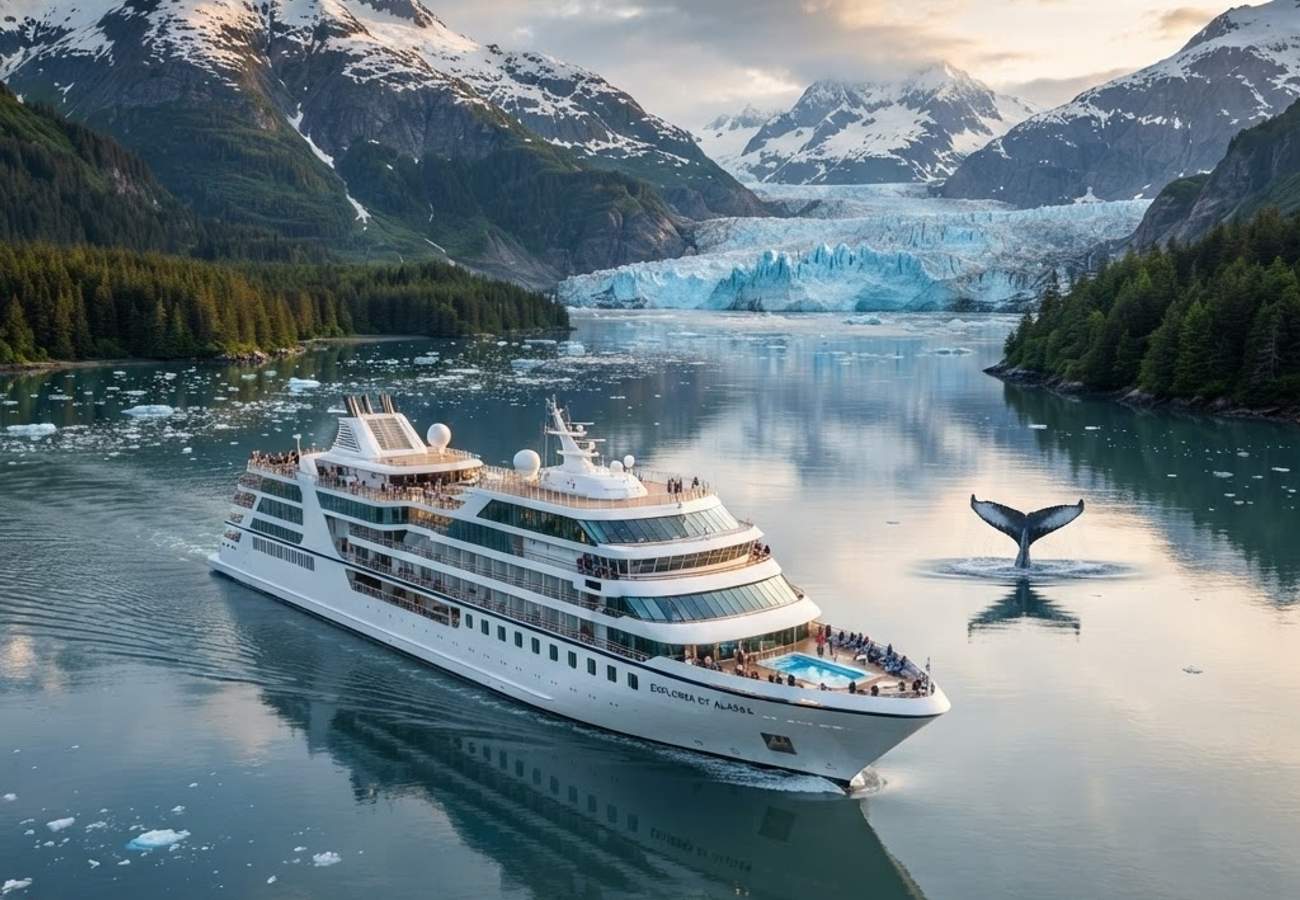
Image generated by AI
The surge in high-end, all-inclusive cruising is dismantling the traditional barriers to Alaska's remote wilderness. Travelers are now swapping complex multi-city logistics for floating resorts that provide direct access to the state's most protected glacial fjords.
The Evolution of the Last Frontier Transit Model
Alaska is undergoing a systemic shift in tourism delivery. Historically, visiting the "Last Frontier" required a fragmented itinerary of regional flights, remote hotels, and independent excursions. The 2026 transit trend shows a decisive move toward luxury expedition cruising, which integrates transportation, lodging, and guided exploration into a single operational flow.
Modern premium vessels are now acting as mobile hubs, allowing international travelers to penetrate deep into North America’s most remote waterways. These ships are specifically engineered to navigate the Inside Passage—a protected maritime corridor characterized by dense forests and dramatic mountain ranges—while maintaining the service standards of five-star urban hotels.
Primary Route Specifications and Port Hubs
Most luxury itineraries are structured around three primary gateway cities and several key ecological landmarks. The following table outlines the core transit nodes for the 2026 season.
| Transit Node | Type | Primary Attraction/Function | Key Logistics Note |
|---|---|---|---|
| Seattle, WA | Gateway | Round-trip hub | Primary US entry point for international arrivals |
| Vancouver, BC | Gateway | One-way/Round-trip hub | Major Canadian port; requires specific visa/entry checks |
| Juneau | Port of Call | Whale watching & Glaciers | State capital; accessible only by air or sea |
| Skagway | Port of Call | Klondike Gold Rush History | Hub for heritage rail excursions |
| Ketchikan | Port of Call | Indigenous Culture & Rainforest | Entry point for Misty Fjords National Monument |
| Glacier Bay | Ecological Site | Calving Glaciers | Restricted access; requires National Park Service permits |
| Hubbard Glacier | Ecological Site | Massive Ice Formations | Deep-water navigation for larger luxury vessels |
Traveler Logistics Guide: Navigating the North
From a ground-level perspective, the best way to navigate an Alaska expedition is to synchronize your arrival with the "shoulder" seasons to avoid the peak July-August congestion.
Booking and Connections If you are flying into Seattle or Vancouver, allow a minimum of 24 to 48 hours of buffer time before embarkation. Regional weather patterns in the Pacific Northwest can cause sudden flight delays that may result in missing the ship's departure. For those utilizing Vancouver as a gateway, ensure your passports are updated for both US and Canadian transit.
Optimal Timing by Objective
- Wildlife Focus (May – Early June): These months offer lower passenger density and are peak times for observing migratory patterns.
- Climate Focus (July – August): This window provides the warmest temperatures and maximum daylight hours, though ports are at maximum capacity.
- Scenery Focus (September): Ideal for autumn foliage and quieter ports, though weather becomes more volatile.
Customs and Digital Transit Travelers should utilize digital check-in portals provided by cruise lines to expedite the embarkation process. For those extending their trip into land-based excursions in Juneau or Anchorage, verify current National Park Service (NPS) digital permit requirements for protected areas like Glacier Bay.
Infrastructure and Environmental Impact Assessment
The transition toward luxury, smaller-scale vessels is a strategic response to the environmental pressures facing the region. Large-scale tourism has historically strained the infrastructure of small coastal towns. In response, cities like Juneau are implementing stricter visitor management protocols to preserve local ecosystems.
The cruise industry is currently pivoting toward cleaner propulsion technologies to mitigate the impact on the fragile marine ecosystems of the Inside Passage. By shifting toward high-value, low-volume luxury tourism, the region aims to maintain its economic growth without compromising the integrity of the glaciers and wildlife habitats that drive the demand.
The frontier remains wild, but the journey has become refined.
Related Travel Guides
Disclaimer
This article is for informational and educational purposes only. It does not constitute legal, financial, or professional advice. While we strive to provide accurate and up-to-date information, travel policies, regulations, and conditions change rapidly. Always verify information with official sources before making travel decisions. Nomad Lawyer makes no representations about the accuracy, reliability, completeness, or suitability of the information provided. Readers should consult qualified professionals for advice specific to their circumstances. The views expressed in this article are those of the author and do not necessarily reflect the views of Nomad Lawyer.
Preeti Gunjan
Contributor & Community Manager
A passionate traveller and community builder. Preeti helps grow the Nomad Lawyer community, fostering engagement and bringing the reader experience to life.
Learn more about our team →