
Airlines Deploy AI-Driven Rebooking Systems to Reduce Call Center Wait Times in 2026
Aviation carriers are integrating AI-powered backend tools to eliminate long hold times and accelerate passenger rebooking during major flight disruptions.

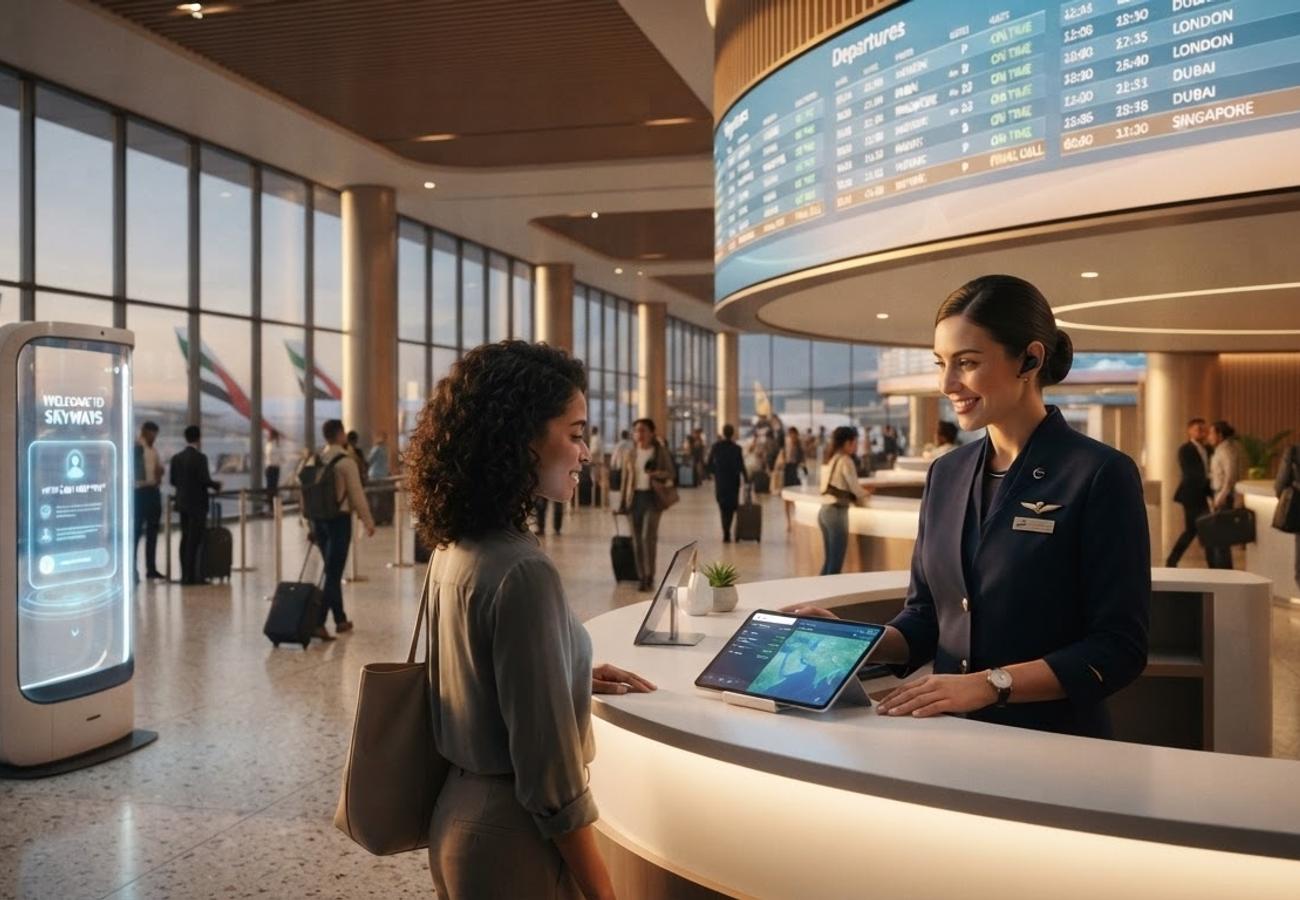
Image generated by AI
Aviation carriers are aggressively deploying artificial intelligence to eliminate the systemic delays associated with call-center queues and manual rebooking. For the passenger, this shift aims to transform "one moment, please" from a ten-minute hold into a five-second data retrieval.
AI Integration in Aviation Call Centers
The traditional airline call center model has long relied on scripted pauses while agents manually search for fare rules, seat availability, and alternative itineraries. Our analysis of current industry shifts indicates that these manual searches are being replaced by AI-driven background systems.
These tools now retrieve booking details and disruption policies in real-time, presenting ranked options to human agents within seconds. This removes the need for extended periods of silence and reduces the cognitive load on staff, allowing them to provide concrete solutions rather than generic holding statements.
Impact on Flight Disruptions and Rebooking
Travel disruptions—driven by weather, air traffic control constraints, or technical failures—are the primary catalysts for call center surges. Legacy software often required visible waiting periods for flight-search results to populate.
Modern AI-enabled tools are changing this dynamic through:
- Pre-computed Rerouting: Systems now forecast inventory and pre-calculate rerouting options before the agent even opens the passenger's file.
- Rapid Voucher Issuance: AI tools accelerate the delivery of meal vouchers and hotel referrals based on specific airline policies and the cause of the delay.
- Triage Layering: AI handles routine queries (check-in times, baggage allowances) automatically, routing complex cases—such as medical accommodations or multi-leg itinerary changes—to human specialists.
Flight tracking data and consumer reports suggest that in hubs where these rebooking engines are active, the time between a request and a confirmed new itinerary has dropped from tens of minutes to just a few.
Passenger Rights & Advisory: Navigating AI-Driven Support
While AI speeds up the process, the legal obligations of the airline remain unchanged. For the affected passenger, the transition to AI support means the following:
1. Duty of Care Still Applies Regardless of whether an AI bot or a human agent handles your rebooking, the airline's "Duty of Care" (under frameworks like EU261/2004 or DOT guidelines) remains. If you are stranded, you are entitled to meals, communications, and hotel accommodation if an overnight stay is required.
2. Documentation of the "AI Interaction" Our analysis suggests that passengers should keep screenshots of AI-generated offers or chat logs. If an AI bot fails to provide a mandatory rerouting option or denies a voucher you are entitled to, these logs serve as critical evidence for future compensation claims.
3. Right to Human Intervention AI is a triage tool, not a final authority. If an automated system cannot resolve a complex itinerary change or a name correction, passengers should insist on escalation to a human supervisor. AI-driven efficiency does not override your right to a comprehensive resolution.
4. Compensation Eligibility Faster rebooking does not necessarily mean you waive your right to compensation. If the AI rebooks you on a flight that arrives significantly later than your original schedule, you may still be eligible for monetary compensation depending on the jurisdiction and the reason for the delay.
The push toward AI in 2026 is less about replacing humans and more about removing "friction points." By integrating call centers, mobile apps, and airport ground staff into a single synchronized view of the traveler's journey, airlines are attempting to create a seamless data loop.
The goal is a unified ecosystem where a passenger's loyalty status and current disruption status are surfaced instantly to any touchpoint. While this reduces the "one moment, please" experience, the industry must ensure that automation does not lead to a "digital wall" that prevents passengers from accessing their legal rights during catastrophic system failures.
The era of the unexplained hold is ending, but the need for passenger vigilance remains.
Related Travel Guides
Disclaimer
This article is for informational and educational purposes only. It does not constitute legal, financial, or professional advice. While we strive to provide accurate and up-to-date information, travel policies, regulations, and conditions change rapidly. Always verify information with official sources before making travel decisions. Nomad Lawyer makes no representations about the accuracy, reliability, completeness, or suitability of the information provided. Readers should consult qualified professionals for advice specific to their circumstances. The views expressed in this article are those of the author and do not necessarily reflect the views of Nomad Lawyer.
Kunal K Choudhary
Co-Founder & Contributor
A passionate traveller and tech enthusiast. Kunal contributes to the vision and growth of Nomad Lawyer, bringing fresh perspectives and driving the community forward.
Learn more about our team →