US Airlines Slash Luggage Recovery Times by 26% Using Apple AirTag and Google Find Hub Tracking

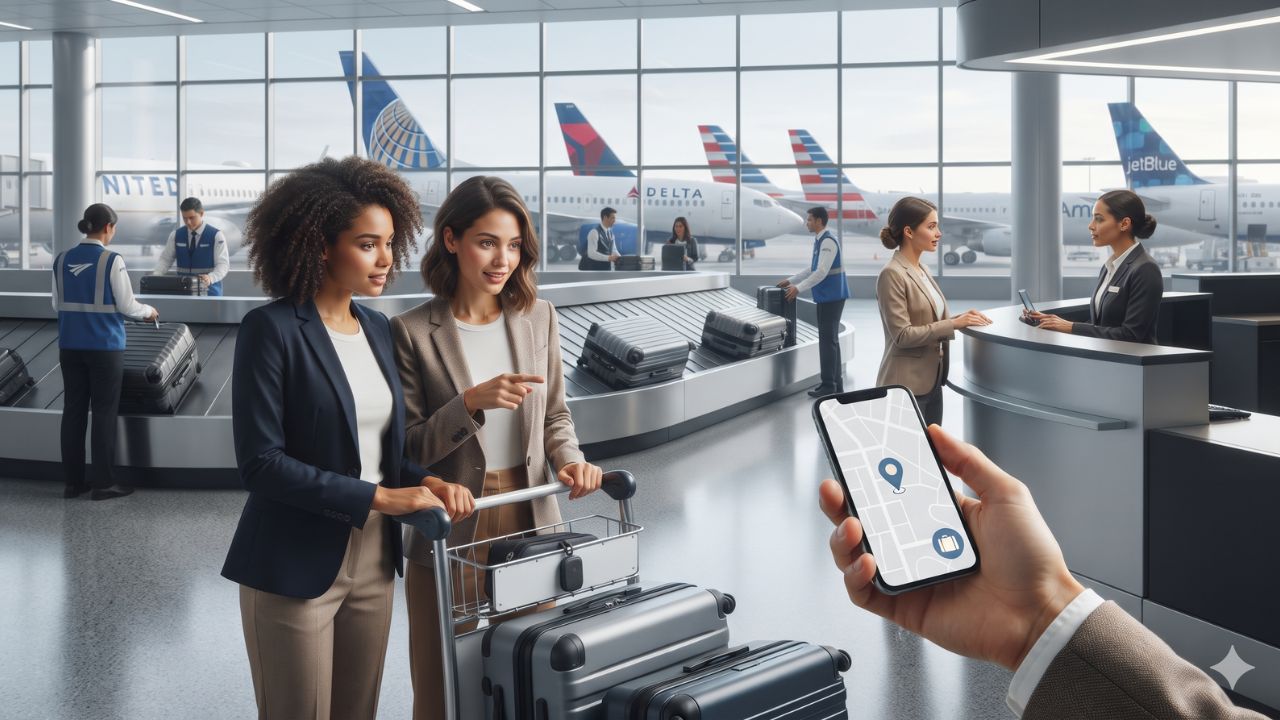
Integrating passenger Bluetooth tracker data into centralized baggage databases has cut delayed luggage retrieval times by 26% across participating global carriers. Rather than relying exclusively on periodic barcode scans at airport conveyor pinch-points, major carriers including United Airlines, Delta Air Lines, American Airlines, JetBlue Airways, and Breeze Airways now ingest passenger-authorized location links directly into their recovery workflows. By bridging consumer technology from Apple and Google with enterprise platforms like SITA WorldTracer across 2,800 airports, aviation handling is shifting from blind investigation to collaborative, real-time recovery.
The technical pivot addresses one of commercial flying's most aggravating vulnerabilities: the black hole between tarmac baggage carts and terminal belts. While United reported that more than 99% of customer luggage arrived alongside or ahead of passengers in 2024, the fractional percentage that misses a transfer can strand travelers for days. By allowing passengers to share live cryptographic location tokens generated through Apple Find My and Google Find Hub, airline ramp supervisors can locate missing bags hidden in wrong holding rooms or misrouted transfer carts in minutes.
The Technological Architecture of Passenger-Assisted Luggage Recovery
For decades, the global standard for tracking lost checked luggage has rested on SITA and its WorldTracer platform, which coordinates baggage reconciliation across more than 500 airlines and ground handlers worldwide. Historically, if an optical barcode scanner missed an adhesive bag tag during a tight transfer at Chicago O'Hare or Atlanta Hartsfield-Jackson, the piece of luggage effectively disappeared until a ramp agent physically scanned it again.
The shift toward crowdsourced tracking accelerated when United Airlines introduced Apple Find My’s Share Item Location functionality into its mobile app on 12 December 2024. Delta Air Lines joined the initiative following Apple's initial November 2024 rollout, creating pathways for passengers to append secure location links to delayed baggage claim files. JetBlue Airways expanded its customer app on 23 June 2025, pairing internal bag-status alerts with native Apple Find My links. By January 2026, American Airlines and regional carrier Breeze Airways confirmed support, institutionalizing tracker link ingestion during digital claim filing.
The ecosystem expanded further in March 2026, when Google launched enhanced Find Hub features enabling Android users to generate secure, expiring location-sharing URLs. When SITA incorporated Google Find Hub into WorldTracer, the system established cross-platform parity. Airline baggage agents can now pull up passenger-approved tracker telemetry alongside automated optical scan logs regardless of whether the flyer operates an iPhone or an Android device.
Comparing Airline Baggage Tracking Capabilities and Tech Integrations
Different airlines and tech platforms provide varying levels of passenger visibility, data sharing, and claim handling automation across the domestic aviation network:
| Airline / Platform Provider | Tracking Integration Architecture | Launch / Confirmation Date | Primary Passenger Interface | Critical Operational Limitations |
|---|---|---|---|---|
| United Airlines | Apple Find My Share Item Location + App Scans | 12 December 2024 | United App & Web Claim Portal | Requires nearby Apple devices to ping Bluetooth tag |
| Delta Air Lines | Apple Find My Location Ingestion | November 2024 rollout | Fly Delta App Customer Service | Live link view only; does not replace mandatory paper claim |
| JetBlue Airways | Real-Time App Scans + Apple Find My Sharing | 23 June 2025 | JetBlue Mobile Application | Network updates subject to airport ramp Wi-Fi connectivity |
| American Airlines | Apple Find My Link Upload + Digital Claims | January 2026 confirmation | American App Baggage Claims | Separate reporting portals required for physical damage claims |
| Breeze Airways | Apple Find My Compatibility | January 2026 confirmation | Breeze Guest Services | Ground support depends on third-party contract handlers |
| Google Find Hub | Android Tracker Sharing via SITA WorldTracer | March 2026 expansion | Android Find Hub / SITA Interface | Individual carrier adoption varies across international partners |
| SITA WorldTracer | Global Airline Interline Tracking Core | Systemwide (>500 airlines) | Carrier internal agent terminals | Connects data across 2,800 airports; does not prevent transfer jams |
What Makes Connected Device Tracking Different
The fundamental advantage of passenger-assisted tracking over standard carrier barcoding is continuous visibility in transit dead zones. Conventional automated baggage systems rely on fixed laser scanners installed along conveyor belts and optical hand wands used by baggage handlers loading belly containers. If a suitcase falls off an open baggage tug on an icy apron or is mistakenly placed into an outbound cart destined for London instead of Los Angeles, airline systems simply report the item as last seen at the sortation junction.
Bluetooth devices, by contrast, ping off any background smartphone connected to Apple’s Find My or Google’s Find Hub network within a 30-to-100-foot radius. Ground handlers, catering crews, and mechanics moving around the aircraft ramp inadvertently update the bag’s coordinates in real time.
Crucially, the privacy architecture does not grant airlines permanent surveillance over passenger property. Apple and Google built the Share Item Location protocol with temporary, read-only web links that automatically deactivate once the passenger reunites with their bag or after seven days elapse. Ground agents see a localized pin on an airport facility map rather than personal identity records, maintaining compliance with consumer privacy regulations while eliminating hours of manual physical searching through basement storage depots.
Visitor Insider Tips for Protecting Checked Baggage
While smart trackers provide indispensable visibility when transit goes awry, maximizing their effectiveness requires adherence to strict practical protocols before wheels-up:
- Generate and Attach the Share Link at the Carousel: If your bag fails to emerge on the conveyor, do not leave the baggage claim area without filing a digital Property Irregularity Report (PIR). Open your Apple Find My or Google Find Hub app, generate a Share Item Location URL, and paste it directly into the airline's mobile claim form before speaking with the service desk.
- Photograph Bag Tags and Exterior Details: External adhesive airline barcode tags can tear off during mechanical sorting. Always take a clear photo of the printed bag tag receipt showing the six-character alphanumeric tracking code, alongside an exterior photo of your bag's distinctive straps or markings.
- Separate Physical Damage Claims from Tracking: Bluetooth beacons track physical coordinates, not structural integrity. Under regulations enforced by the U.S. Department of Transportation Aviation Consumer Protection, claims for cracked shells, torn handles, or broken wheels must be documented and filed with the airline within strict deadlines, typically 24 hours for domestic flights.
- Pack Trackers in Internal Pockets: Never attach an AirTag or Bluetooth tracker to the outside of your suitcase with an exposed luggage tag loop. External tags can be caught in conveyor belts or intentionally removed. Stash the tracker inside an interior zippered lining away from dense metal toiletry containers that can dampen the signal.
Cultural and Environmental Context
The broad embrace of personal tracking technology reflects a profound cultural recalibration between airlines and passengers. Following severe post-pandemic baggage meltdowns and winter storms that inundated airport halls with thousands of orphaned bags, flyers took monitoring into their own hands. Early friction—where airline agents refused to look at passenger phone screens displaying AirTags inside specific hangars—has given way to institutional cooperation.
From an environmental standpoint, optimizing baggage logistics under Federal Aviation Administration operational standards delivers subtle but measurable carbon efficiencies. Misrouted luggage requires dedicated secondary transport, often involving forward-shipping bags on subsequent commercial flights or dispatching regional courier vans across interstate highway networks to deliver bags to passengers' hotel doorsteps. SITA’s 26% reduction in recovery times translates directly into fewer redundant truck dispatches and shorter delivery loops, reducing the logistical waste generated by misplaced bags.
FAQ: Managing Lost Luggage with Smart Trackers 2026
Which US airlines currently allow passengers to share AirTag location links?
United Airlines, Delta Air Lines, JetBlue Airways, American Airlines, and Breeze Airways support Apple Find My Share Item Location links within their customer service and delayed baggage workflows.
Does sharing a tracker link replace filing an official baggage claim?
No. Passengers must still submit an official delayed baggage report through the airline's mobile app or airport customer service counter to obtain a formal claim tracking number.
Can Android users share Bluetooth tracker locations with airlines?
Yes. Google’s Find Hub expansion in March 2026 enables Android users to generate secure location links compatible with airlines operating SITA’s WorldTracer recovery platform.
Do airline personnel track passenger luggage after it is returned?
No. Location-sharing links are strictly temporary, read-only web connections that automatically expire as soon as the luggage is recovered or after a maximum duration of seven days.
In an era where misplaced bags once vanished into administrative voids, crowdsourced Bluetooth networks have handed passengers the power to illuminate the tarmac in real time.
Related Travel Guides
This article is for informational purposes. Flight routes, passenger regulations, visa rules, and transit advisories are subject to change by airlines and aviation authorities. Readers are advised to verify schedules and travel documentation with relevant carriers and border agencies before departure.
Related Stories
US Aviation Expansion 2027: Nonstop Routes Reshape Seattle, San Francisco, and Regional Hubs
US Airports Expand 2027 Nonstop Flights: Seattle, San Francisco, Anchorage, and Regional Routes Guide