
Airbus A350-1000: Only jet capable of Sydney-London nonstop 20+ hour flight
Qantas launches the world's longest commercial flight in 2026 using the Airbus A350-1000ULR. At 20+ hours nonstop between Sydney and London, only this specialized ultra-long-range aircraft can sustain the 17,016 km journey.

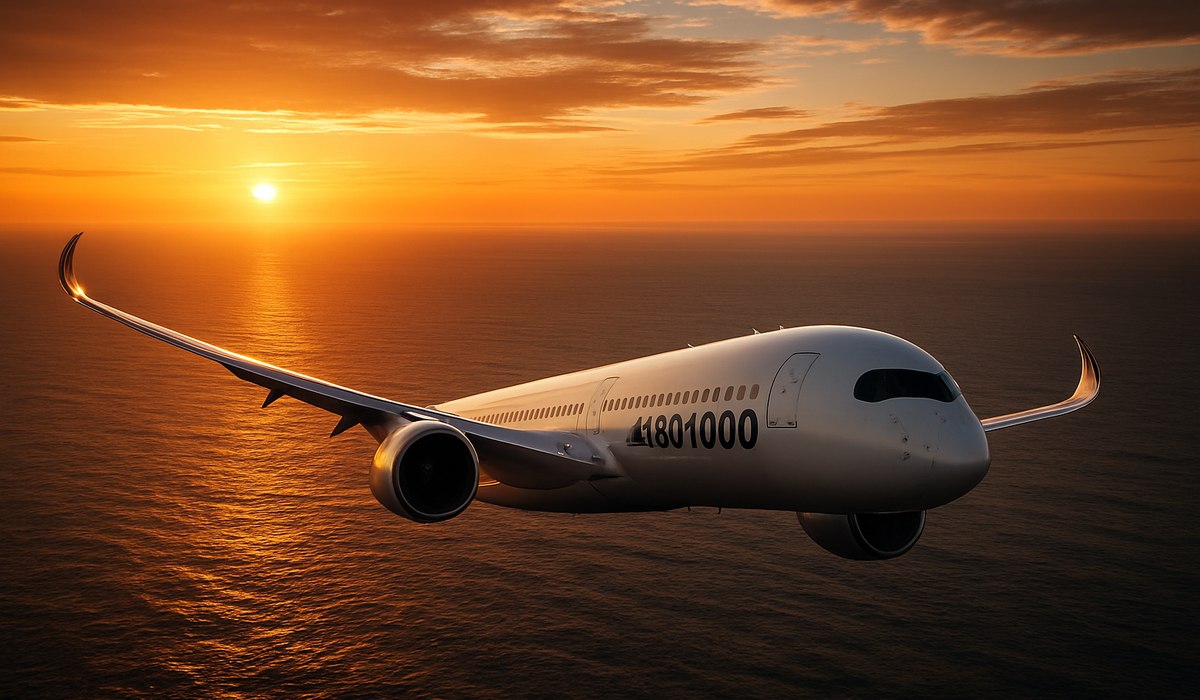
Image generated by AI
Record-Breaking Service: Sydney to London Nonstop
Qantas Airways is preparing to operate the world's longest commercial nonstop flight, connecting Sydney and London across 9,188 nautical miles (17,016 kilometers). Scheduled to exceed 20 hours, this groundbreaking service represents an unprecedented achievement in aviation. The route demands a highly specialized aircraft—the Airbus A350-1000ULR—making it the only jetliner capable of sustaining such an extreme ultra-long-haul journey without refueling.
This historic route eliminates traditional stopover points, transforming the travel experience between Australia's largest city and the United Kingdom's capital. Passengers will experience a direct connection previously deemed logistically impossible for commercial aviation. The A350-1000ULR's engineering specifications and fuel capacity make this achievement viable, but operating such extended flights introduces complex operational challenges.
Why the Airbus A350-1000ULR Is Essential for Ultra-Long-Haul Routes
The Airbus A350-1000 stands apart from conventional aircraft due to its Ultra-Long-Range (ULR) configuration. This variant features expanded fuel tank capacity, allowing it to carry sufficient reserves for 20-hour flights. The aircraft's aerodynamic design minimizes drag, while advanced materials reduce overall weight—critical factors for extended-range operations.
No other commercial airliner currently matches the A350-1000ULR's specifications for this distance-duration combination. The aircraft combines four key advantages: exceptional fuel efficiency from its Rolls-Royce Trent XWB engines, composite construction reducing structural weight, optimized cabin systems for passenger endurance, and modular cargo capacity that can be sacrificed for additional fuel when required. Airlines operating similar routes previously relied on multiple stops; the A350-1000ULR eliminates this necessity entirely.
The aircraft's pressurization system, environmental controls, and emergency life support systems are engineered for unprecedented flight durations. Only through this technological convergence can Qantas operate Sydney-London service profitably and safely. The investment in A350-1000ULR aircraft represents a competitive advantage that legacy aircraft cannot replicate.
Qantas's Historic Sydney to London Service Details
Qantas has invested significantly in acquiring multiple A350-1000ULR aircraft specifically for this route and similar future ultra-long-haul services. The airline expects the Sydney-London nonstop flight to carry approximately 238 passengers per departure, balancing passenger capacity with the fuel requirements necessary for a 20+ hour journey.
The service addresses a market gap created by geographical isolation. Previously, travelers from Sydney required stopovers in Middle Eastern hubs, Southeast Asia, or the Subcontinent—adding 4 to 8 hours of total travel time. Direct service reduces journey duration significantly while improving passenger comfort and convenience.
Qantas has optimized cabin configurations for extended flights, including enhanced seating specifications, improved lighting systems mimicking circadian rhythms, and premium meal service intervals designed for passenger well-being. The airline's crew scheduling accommodates ultra-long-haul fatigue management protocols, with flight attendant and pilot rest provisions integrated throughout the 20+ hour mission profile.
Operational Challenges of 20+ Hour Flights
Extended nonstop flights introduce unprecedented operational complexities. Crew duty limitations require careful scheduling, with multiple pilot and flight attendant teams rotating through duty cycles. Medical preparation protocols ensure healthcare resources are available for hypothetical passenger emergencies during the middle of transcontinental service.
Fuel management becomes a critical proficiency requirement. The A350-1000ULR operates with fuel margins specifically calculated for weather deviations, emergency diversion capability to alternate airports, and performance reserves. Weather systems across the Indo-Pacific route require sophisticated meteorological monitoring and contingency planning.
Catering logistics demand innovative solutions. Supplies cannot be loaded and unloaded mid-flight, requiring precise inventory calculations for 20 hours of continuous passenger service. Aircraft maintenance intervals extend, with pre-flight inspections consuming additional operational resources. De-icing and weather compatibility assessments become increasingly complex given the route's passage through multiple climatic zones.
Passenger physical and mental endurance becomes a consideration, with airlines implementing wellness programs, stretching guidance, and medical screening protocols for individuals with specific health conditions. The extended flight time demands sophisticated cabin atmosphere management and humidity control systems.
Industry Implications for Future Ultra-Long-Range Routes
Qantas's Sydney-London service establishes a template for future ultra-long-haul aviation expansion. Airlines worldwide are evaluating A350-1000ULR acquisitions for comparable route development. Potential candidates include Sydney-New York, Melbourne-London, and Perth-London services, all previously requiring stopovers.
The route's success influences aircraft purchase decisions across the aviation industry. Boeing's 777X program and Airbus's A350-1000 represent competing solutions for ultra-long-range operations. Successful Qantas execution validates the commercial viability of 20+ hour nonstop flights, potentially accelerating additional ultra-long-range route development.
This service demonstrates that geography no longer dictates aviation connectivity. Previously remote city pairs become economically viable with appropriate aircraft technology. Airlines operating legacy widebody fleets may find their market position challenged by operators deploying newer ultra-efficient aircraft. The competitive landscape shifts toward operators willing to invest in specialized ultra-long-range equipment.
Future route expansion likely follows the Sydney-London model: high-demand city pairs with sufficient premium passenger volume to justify premium aircraft economics. Regional carriers previously dependent on full-service network airlines gain independence through direct long-range connectivity, reshaping global aviation competition.
| Metric | Value |
|---|---|
| Distance (Nautical Miles) | 9,188 nm |
| Distance (Kilometers) | 17,016 km |
| Scheduled Flight Duration | 20+ hours |
| Aircraft Type | Airbus A350-1000ULR |
| Passenger Capacity | ~238 seats |
| Crew Configuration | Multiple duty rotation teams |
| Route Endpoints | Sydney (SYD) - London Heathrow (LHR) |
What This Means for Travelers
The Sydney-London nonstop service fundamentally transforms Australia-UK travel patterns. Here's how this route affects your journey planning:
-
Eliminate Stopover Fatigue: Direct flights reduce total travel time by 4-8 hours compared to traditional itineraries requiring Middle Eastern or Southeast Asian connections. Your body experiences less jet lag through compressed travel compression, with arrival and departure times creating easier circadian adjustment.
-
Premium Experience Expectations: Qantas has designed cabins specifically for extended-duration comfort. Expect enhanced meal services, premium entertainment libraries, and strategic lighting designed to support passenger wellness across 20+ hours.
-
Advance Booking Essential: Limited A350-1000ULR aircraft and constrained passenger capacity mean seats fill rapidly. Book nonstop flights 2-3 months ahead to secure your preferred cabin class and seat location.
-
Health Considerations: Extended flights demand movement and hydration strategies. Passengers with specific medical conditions should consult physicians before booking ultra-long-range service. The airline provides mobility assistance and health recommendations during extended flights.
-
Pricing Premium: Direct service commands higher fares than connecting options. Budget accordingly, recognizing that time savings, reduced fatigue, and convenience justify price differentials.
Frequently Asked Questions
Can other aircraft operate the Sydney-London route?
No aircraft besides the Airbus A350-1000ULR currently possesses the fuel capacity and
Kunal K Choudhary
Co-Founder & Contributor
A passionate traveller and tech enthusiast. Kunal contributes to the vision and growth of Nomad Lawyer, bringing fresh perspectives and driving the community forward.
Learn more about our team →