
airBaltic Passenger Traffic Rises 5% in August 2026 as Airline Prepares Major Summer 2027 Baltic Expansion

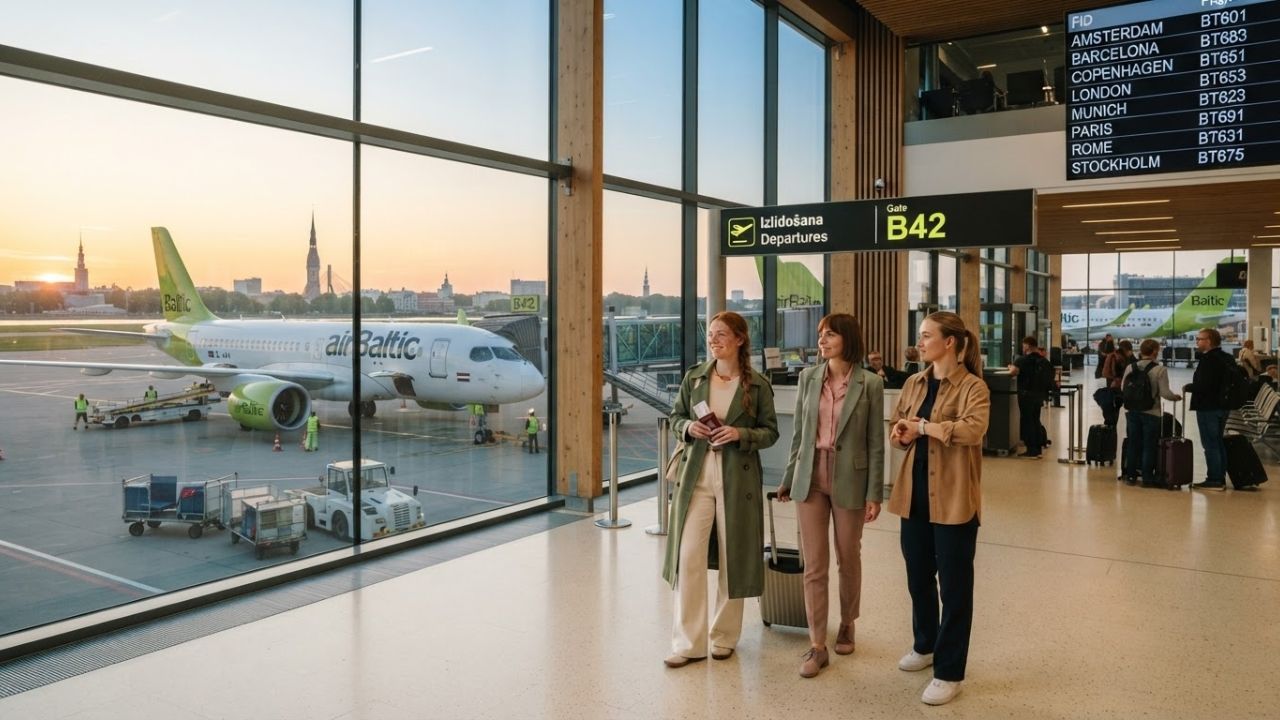
airBaltic transported 554,700 passengers in August 2026, achieving a 5% year-on-year increase and driving year-to-date passenger traffic to a record 3,567,000 travelers across Northern Europe. Supported by 4,801 flights during the month and a planned Summer 2027 flight programme spanning 78 direct routes across Riga, Tallinn, and Vilnius, the Latvian flag carrier continues to strengthen regional connectivity for cultural travelers and business commuters.
The airline's late-summer performance illustrates sustained demand for direct travel across the Baltic States and Western Europe. Alongside passenger gains, airBaltic achieved a 7.9% year-on-year operational growth by operating 4,801 flights in August 2026. The airline maintained a resilient load factor of 83.9%, a modest 2.3 percentage point adjustment compared to August 2025 that reflects deliberate capacity additions across regional hubs.
For travelers, business specialists, and cultural explorers visiting Latvia, Estonia, and Lithuania, the network provides essential non-stop access that eliminates cumbersome transfers through legacy European hubs.
Baltic Air Connectivity: August 2026 Record Performance
The August numbers cap an unprecedented eight-month operational run for the Riga-based carrier. Between January and August 2026, airBaltic carried 3,567,000 passengers, marking its highest-ever volume for that specific timeframe and a 4% year-on-year increase. Flight frequencies scaled concurrently, with the airline completing 33,220 flights over the eight-month window—a 5.7% rise compared with the corresponding period in 2025.
| Operational Metric | August 2026 Result | Year-on-Year Growth | Jan–Aug 2026 Total | Jan–Aug YoY Change |
|---|---|---|---|---|
| Total Passengers Carried | 554,700 | +5.0% | 3,567,000 | +4.0% (All-time high) |
| Flights Operated | 4,801 | +7.9% | 33,220 | +5.7% |
| Load Factor | 83.9% | -2.3 percentage points | Consistent baseline | Robust capacity absorption |
This growth trajectory reflects steady regional tourism demand and increasing business transit between the Baltic capitals and major commercial centers across the European Union.
Summer 2027 Flight Programme Across Riga, Tallinn, and Vilnius
Building on this momentum, airBaltic has outlined its schedule for the Summer 2027 flight programme. The upcoming seasonal network cements the carrier's role as the primary aviation bridge across the eastern Baltic seaboard, offering point-to-point connections from all three Baltic capital cities:
- Riga Airport (RIX), Latvia: 57 direct destinations, anchoring airBaltic's primary hub and maintenance base.
- Tallinn Airport (TLL), Estonia: 13 direct destinations, catering to northern Baltic leisure travel and Estonia’s thriving tech economy.
- Vilnius Airport (VNO), Lithuania: 8 direct destinations, enhancing scheduled options for southern Baltic travelers.
The Summer 2027 programme features frequent services connecting the Baltics to Europe's central transport and cultural hubs, including Amsterdam, Barcelona, Copenhagen, London, Munich, Paris, Rome, and Stockholm. These connections provide direct routes for travelers seeking architectural weekend getaways in Riga, design-focused stays in Tallinn, or historic excursions in Vilnius.
Cultural Heritage and Green Aviation in the Baltic Capitals
The continued expansion of Baltic air links directly shapes how international visitors engage with regional culture and environmental conservation.
Historically, reaching the Baltic region required routing through major hubs in Scandinavia or Central Europe. Today, direct air links into Riga, Tallinn, and Vilnius allow travelers to access three distinct UNESCO World Heritage capitals in a single sustainable journey.
airBaltic operates an all-Airbus A220-300 fleet, recognized as one of the quietest and most fuel-efficient narrowbody aircraft in commercial service. The model reduces carbon emissions per passenger seat by up to 25% and halves the external noise footprint compared to previous generation jetliners. For Baltic communities living near coastal nature reserves, wildlife corridors, and urban airports located near historical districts, quieter operations protect fragile ecosystems and urban quality of life.
According to data monitored by the Investment and Development Agency of Latvia (LIAA) and regional tourism bodies including Visit Estonia and Go Vilnius, non-stop aviation links channel international visitor spending straight into independent businesses:
- Direct Artisan Support: Visitors landing at Riga Airport can visit the historic Riga Central Market—housed inside five converted German Zeppelin hangars—where independent farmers and fishmongers sell smoked Baltic lamprey, honey, and pickled wild mushrooms.
- Preserving Architecture: Tourism revenues support municipal restoration efforts across Riga’s UNESCO-listed Quiet Centre, home to the world’s densest collection of Art Nouveau facades.
- Decentralized Regional Travel: Easy car rentals and regional train connections from Baltic airports encourage journeys beyond the capitals to historic craft centers like Cēsis and Kuldīga in Latvia, the university city of Tartu in Estonia, and Kaunas in Lithuania.
Local Insider Tips: Exploring Latvia and the Baltics Responsibly
Visitors taking advantage of airBaltic’s network expansion can maximize their journey through the following practical recommendations:
- Optimal Travel Windows: Plan visits during the late spring (May to early June) or early autumn (September to mid-October). September provides mild daytime temperatures (14°C to 19°C), golden autumn foliage, and access to local mushroom foraging seasons without the peak summer crowds.
- Cultural Etiquette: Baltic residents appreciate punctuality and personal space. When visiting cultural sites, churches, or rural saunas (such as the Latvian pirts), maintain a calm, conversational volume. When invited into a local home, it is customary to take off outdoor footwear at the doorway.
- Local Culinary Specialties:
- Riga, Latvia: Taste pelēkie zirņi ar speķi (grey peas stewed with smoked bacon and caramelized onions), rye bread dessert (maizes zupa), and a small sip of herbal Riga Black Balsam (Rīgas Melnais balzams).
- Tallinn, Estonia: Sample kiluvõileib (traditional spiced sprat sandwich served on dark sourdough rye with sliced hard-boiled egg) and fresh almond treats at Maiasmokk, the oldest operating cafe in Estonia.
- Vilnius, Lithuania: Try hearty cepelinai (oval potato dumplings filled with minced meat or seasoned curd cheese, topped with sour cream and bacon bits).
- Under-the-Radar Urban Spaces:
- In Riga, walk through Alberta iela and Strēlnieku iela in the early morning light to photograph the intricate Art Nouveau stone carvings without vehicular traffic. On Saturdays, cross the Daugava River to explore the Kalnciema Quarter market, filled with local wooden crafts and organic farm goods.
- In Tallinn, visit Telliskivi Creative City (Telliskivi Loomelinnak), where former railway workshops now host independent Estonian apparel designers, artist studios, and local bakeries.
- In Vilnius, wander through the autonomous bohemian neighborhood of Užupis, which maintains its own tongue-in-cheek constitution posted on mirrored plaques along Paupio Street.
- Pristine Nature Escapes: Take a 45-minute train ride from Riga Central Station to Ķemeri National Park. The Great Ķemeri Bog boardwalk winds over peat beds, stunted pines, and moss pools, offering tranquil sunrise vistas for eco-conscious hikers.
Tourism Outlook: Strengthening Northern Europe’s Aviation Crossroad
The August 2026 passenger figures and forward-looking Summer 2027 route map highlight a fundamental shift: the Baltic capitals have transitioned from regional feeder destinations to independent aviation destinations in their own right.
By providing 57 direct routes from Riga, 13 from Tallinn, and 8 from Vilnius, airBaltic supports economic integration across northeastern Europe. For international visitors, the expanded network simplifies travel planning, shortens travel times, and opens up rich cultural traditions across the Baltic Sea coast.
Related Travel Guides
Disclaimer
This article is for informational and educational purposes only. It does not constitute legal, financial, or professional advice. While we strive to provide accurate and up-to-date information, travel policies, regulations, and conditions change rapidly. Always verify information with official sources before making travel decisions. Nomad Lawyer makes no representations about the accuracy, reliability, completeness, or suitability of the information provided. Readers should consult qualified professionals for advice specific to their circumstances. The views expressed in this article are those of the author and do not necessarily reflect the views of Nomad Lawyer.
Raushan Kumar
Founder & Lead Developer
Full-stack developer with 11+ years of experience and a passionate traveller. Raushan built Nomad Lawyer from the ground up with a vision to create the best travel and law experience on the web.
Learn more about our team →