
AirAsia X Reduces Airfares as Jet Fuel Costs Drop and Asian Flight Capacity Returns
A decline in global aviation fuel prices is triggering a shift in the Asian travel market, with AirAsia X leading the wa

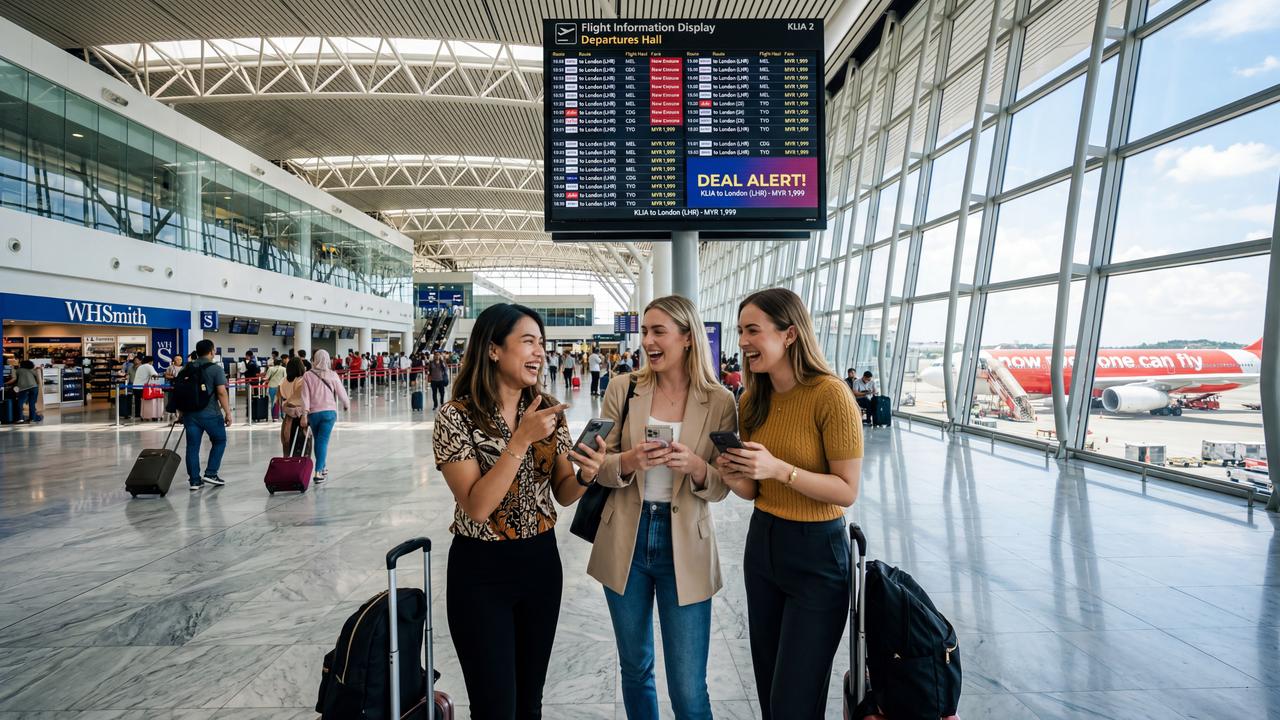
Image generated by AI
Aviation Fuel Relief Drives Down AirAsia X Ticket Prices
The landscape of long-haul travel in Asia is shifting as global jet fuel prices stabilize. AirAsia X, the Malaysian long-haul low-cost carrier, has confirmed a reduction in ticket prices, responding to a more favorable operating environment. After a prolonged period of high energy costs that forced the industry to implement fuel surcharges and limit flight frequencies, this downward pricing trend signals a recovery in affordability for regional and medium-haul travelers.
The airline has adopted a dynamic pricing strategy, committing to regular reviews of its fare structures to ensure they reflect current fuel market volatility. For passengers, this means more competitive pricing and increased seat availability on key routes connecting Malaysia, China, and the Philippines.
The Economic Link Between Fuel Costs and Airfares
Fuel remains one of the most significant overheads for commercial airlines, typically representing 25% to 35% of total operating expenses. Because low-cost carriers (LCCs) operate on thinner margins than full-service airlines, they are exceptionally sensitive to energy price swings.
When fuel prices peak, LCCs are often forced to either raise fares or suspend less profitable routes to protect their financial viability. Conversely, as costs retreat, these carriers can pass savings to consumers to stimulate demand. According to data from the International Air Transport Association (IATA), fuel price stability is a critical prerequisite for the long-term recovery of the global aviation sector.
Impact of Fuel Price Volatility on Operations
| Operating Factor | Effect of Higher Fuel Prices | Effect of Lower Fuel Prices |
|---|---|---|
| Ticket Pricing | Increased fares & fuel surcharges | Lower promotional fares |
| Flight Schedules | Capacity reductions | Restoration of suspended routes |
| Aircraft Utilisation | Lower utilisation | Increased flying hours |
| Tourism Demand | Slower leisure travel | Higher holiday bookings |
| Airline Profitability | Margin pressure | Improved financial performance |
| Fleet Planning | Delayed expansion | Faster fleet modernisation |
Why Low-Cost Carriers Face Higher Sensitivity
| Business Area | Impact on Low-Cost Carriers |
|---|---|
| Ticket Pricing | Limited ability to absorb cost increases |
| Customer Demand | Highly price-sensitive passenger base |
| Competition | Constant pressure to maintain lower fares |
| Ancillary Revenue | Increasing reliance on baggage and optional services |
| Route Profitability | Faster suspension of underperforming routes |
| Fleet Efficiency | Greater emphasis on modern fuel-efficient aircraft |
Strategic Capacity Restoration and Network Growth
Alongside lower fares, AirAsia X is preparing to restore flight capacity. During the peak of the fuel crisis, the airline optimized its network by removing low-demand flights. With costs now easing, the carrier is gradually rebuilding its schedules.
However, this expansion is not indiscriminate. AirAsia X is prioritizing "commercially viable" services—focusing on routes that demonstrate consistent demand and profitability. This measured approach is designed to create a more resilient network that can better withstand future energy market shocks.
Fleet Modernization: The Path to Long-Term Efficiency
While current price drops are driven by market conditions, the airline is investing in hardware to lower costs permanently. AirAsia X is currently phasing out older wide-body aircraft (approximately 16–17 years old) in favor of next-generation, fuel-efficient models.
Key fleet updates include:
- Airbus A321LR: Expected to enter service next year, these aircraft provide extended range with significantly lower fuel burn, specifically targeting growth in the Chinese market.
- Airbus A220: Slated for introduction by late 2027, these jets are prized for their efficiency and lower operating costs, enabling the airline to open new, sustainable routes.
AirAsia X Fleet Evolution Strategy
| Fleet Initiative | Expected Benefit for Travellers | Business Impact |
|---|---|---|
| Retirement of older aircraft | Improved onboard reliability | Lower maintenance costs |
| Airbus A321LR introduction | More medium-haul route options | Better fuel efficiency |
| Airbus A220 deployment | Expansion into developing markets | Lower operating costs |
| Progressive fleet renewal | More comfortable passenger experience | Reduced emissions & stronger profitability |
Broader Implications for Asian Tourism
The ripple effects of lower airfares extend beyond the aircraft. Reduced ticket costs typically trigger a surge in spontaneous leisure travel, benefiting the wider tourism ecosystem. Hotels, local attractions, and airport operators across Southeast Asia are expected to see an uptick in visitor volume as international travel becomes more accessible.
As Malaysia continues to serve as a primary hub connecting Asia with Australia, Japan, South Korea, and China, the combination of fleet modernization and fuel stability positions the region for a robust tourism recovery.
Summary of Operational Shifts
| Area | Current Direction | Expected Impact |
|---|---|---|
| Airfares | Progressive reductions | More affordable travel |
| Capacity | Gradual restoration | Increased seat availability |
| Route Network | Focus on viable services | Improved operational efficiency |
| Fleet | Transition to newer aircraft | Lower fuel consumption |
| Medium-haul Expansion | Additional aircraft deliveries | Greater regional connectivity |
Key Takeaways
- Fare Reductions: AirAsia X is lowering ticket prices in response to easing global jet fuel costs.
- Dynamic Pricing: Fares will be reviewed regularly to align with fluctuating energy markets.
- Capacity Growth: Suspended routes are being restored, focusing on high-demand, commercially viable destinations.
- Fleet Upgrade: The transition to Airbus A321LR and A220 aircraft will reduce long-term fuel burn and operating costs.
- Tourism Boost: Lower costs are expected to stimulate leisure travel across Malaysia and the wider Asia-Pacific region.
FAQ
Why are AirAsia X fares decreasing? The primary driver is the decline in global jet fuel prices, which reduces the airline's operating costs, allowing them to offer more competitive ticket prices.
Will all suspended routes be brought back? No. The airline is selectively restoring capacity, focusing on routes that are commercially viable and have strong passenger demand.
What new aircraft is AirAsia X introducing? The airline is moving toward a more efficient fleet, including the Airbus A321LR (starting next year) and the Airbus A220 (by the end of 2027).
Related Travel Guides
Disclaimer
This article is for informational and educational purposes only. It does not constitute legal, financial, or professional advice. While we strive to provide accurate and up-to-date information, travel policies, regulations, and conditions change rapidly. Always verify information with official sources before making travel decisions. Nomad Lawyer makes no representations about the accuracy, reliability, completeness, or suitability of the information provided. Readers should consult qualified professionals for advice specific to their circumstances. The views expressed in this article are those of the author and do not necessarily reflect the views of Nomad Lawyer.
Raushan Kumar
Founder & Lead Developer
Full-stack developer with 11+ years of experience and a passionate traveller. Raushan built Nomad Lawyer from the ground up with a vision to create the best travel and law experience on the web.
Learn more about our team →