
Air Force One refueling capability: Why presidents never use mid-air tanking
Air Force One refueling systems remain operational but unused with sitting presidents aboard. The VC-25A Boeing 747 possesses advanced mid-air tanking capability in 2026, yet prioritizes alternative operational protocols.

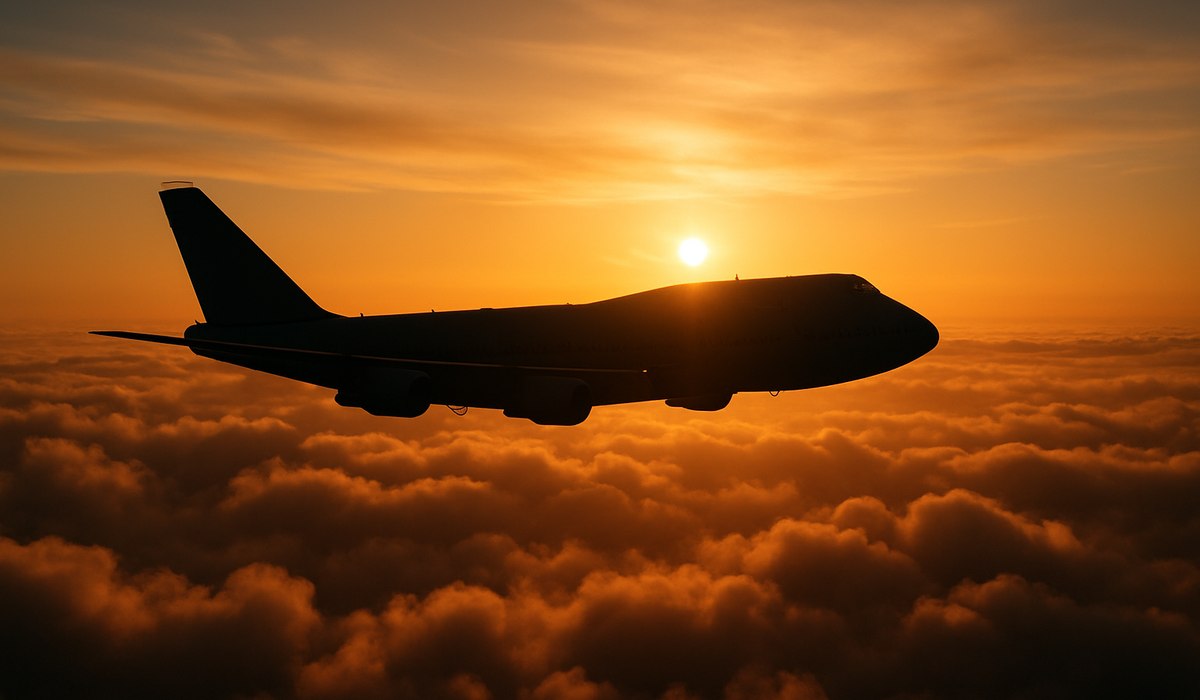
Image generated by AI
The VC-25A's Advanced Refueling Systems
Air Force One refueling capabilities represent some of the most sophisticated aerial refueling infrastructure integrated into any commercial-derivative aircraft worldwide. The VC-25A, a specially modified Boeing 747 that serves as the presidential transport, features state-of-the-art mid-air refueling equipment designed for extended range operations. This capability allows the aircraft to connect with USAF tanker jets mid-flight, theoretically extending operational endurance indefinitely. The system employs probe-and-drogue refueling methodology, allowing seamless fuel transfer during flight. Despite this technological investment, documented evidence suggests that Air Force One refueling has never occurred with an active sitting president aboard the aircraft since the VC-25A entered service in 1990.
The Boeing 747 platform provides exceptional fuel capacity, carrying sufficient reserves for most intercontinental missions without requiring mid-air tanking. The aircraft's four Pratt & Whitney engines and aerodynamic efficiency enable direct routing between Washington D.C. and virtually any destination worldwide. Military planners incorporated the aerial refuel capability primarily as a contingency measure for emergency scenarios, strategic flexibility, or unforeseen operational complications. The USAF maintains a robust fleet of KC-135 Stratotankers and newer KC-46 Pegasus aircraft specifically trained for presidential support missions.
Why Presidential Flights Avoid Mid-Air Refueling
Operational security represents the paramount concern preventing Air Force One refueling during presidential flights. Mid-air refueling operations demand extended periods of reduced maneuverability, predictable flight patterns, and proximity to support aircraft. These conditions create potential vulnerability windows that Secret Service and presidential security protocols deliberately eliminate. The president's flight path and timing remain highly classified information, and mid-air refueling would require advance coordination with tanker crews, increasing exposure to operational security breaches.
Presidential scheduling and diplomatic protocols further discourage USAF tanker integration. Air Force One operates on extraordinarily tight timelines, coordinating with foreign governments, diplomatic staff, and international airspace authorities. Mid-air refueling introduces unpredictable variables—weather delays, tanker availability, mechanical complications—that fundamentally conflict with presidential travel requirements. Instead, flight planning utilizes strategic positioning of presidential aircraft at forward bases, allowing ground refueling between segments. This methodology maintains absolute control over the president's location and movement patterns.
Passenger comfort and cabin operations during refueling present additional complications. The refueling process generates aircraft vibrations, requires specific altitude parameters, and demands crew focus on external coordination rather than cabin services. Presidents conduct official business throughout flights—holding meetings, making policy decisions, communicating with cabinet members. Introducing refueling operations would disrupt these critical functions and contradict the sophisticated onboard command center capabilities.
Operational Safety and Security Protocols
The VC-25A operates under protocols fundamentally different from standard military transport aircraft. Every flight involving a sitting president activates comprehensive security networks including fighter escort, communications jamming countermeasures, sophisticated radar countermeasures, and multi-layered air defense coordination. These systems function optimally when Air Force One maintains consistent altitude, speed, and flight characteristics—variables that mid-air refueling fundamentally complicates.
USAF tanker crews require specialized training for presidential support missions, involving background investigations, security clearances, and compartmentalized operational knowledge. While these crews maintain extraordinary professionalism, the additional personnel and coordination required for aerial refuel operations amplifies operational complexity. Military planners emphasize redundancy and risk mitigation—the existing fuel capacity of the Boeing 747 eliminates refueling necessity, so eliminating this variable entirely simplifies operations and reduces accident risk vectors.
The presidential aircraft also maintains reserve fuel quantities substantially exceeding typical commercial operations. Flight planners build in contingency fuel reserves enabling extended holding patterns, weather diversions, and emergency situations without approaching critical fuel states. This conservative margin eliminates any operational requirement for mid-air refueling during normal presidential travel patterns.
The Future of Air Force One Technology
The incoming VC-25B aircraft, based on newer Boeing 747-8 variants, will inherit and enhance existing refueling capabilities. These platforms will feature updated KC-46 Pegasus tanker compatibility, advanced composite structures, and enhanced fuel efficiency. Nevertheless, planners anticipate that modern VC-25B aircraft will similarly avoid mid-air refueling operations with sitting presidents aboard, maintaining established security and operational protocols.
Emerging aviation technology, including autonomous refueling systems and enhanced probe-and-drogue mechanisms, may theoretically improve operational viability for presidential refueling in future decades. However, security philosophy and established protocols suggest that eliminating refueling variables—rather than perfecting refueling procedures—remains the preferred strategic approach. The fundamental operational advantage of the VC-25A platform stems from its independence and self-sufficiency, characteristics that mid-air refueling directly compromises.
Key Data Table: Air Force One Capabilities and Operations
| Specification | Details |
|---|---|
| Aircraft Platform | Boeing 747-200B (VC-25A) |
| Maximum Range | Approximately 7,500 nautical miles |
| Fuel Capacity | 57,285 gallons |
| Cruise Speed | 490 knots (typical operations) |
| Refueling Capability | Probe-and-drogue system installed |
| Refueling with President | Never documented since 1990 service entry |
| Support Tanker Aircraft | KC-135 Stratotanker and KC-46 Pegasus |
| Primary Crew | 26 personnel (pilots, flight engineers, security) |
| Operational Status | Active presidential transport (2026) |
| VC-25B Replacement Timeline | Full fleet conversion anticipated 2030s |
What This Means for Travelers
Understanding Air Force One refueling protocols illuminates broader aviation operational principles relevant to civilian travelers and aviation enthusiasts:
-
Extended Range Operations: Modern large-format aircraft (Boeing 777, Airbus A380) incorporate refueling capability as redundancy rather than necessity, mirroring VC-25A design philosophy.
-
Security Integration: Military and presidential aviation demonstrates how security requirements fundamentally shape flight operations differently from commercial aviation—a distinction travelers should understand when observing military operations at civilian airports.
-
Fuel Reserve Margins: Commercial aviation regulations require specific fuel reserves; presidential operations exceed these minimums substantially, establishing a safety-first operational culture.
-
Operational Complexity: Adding refueling variables to flight operations introduces coordination challenges, weather dependencies, and risk vectors—principles that civilian flight planners similarly minimize through route optimization.
-
Technology vs. Necessity: Possessing technological capability does not mandate its operational use; redundancy elimination remains a core operational philosophy in both military and civilian aviation contexts.
Frequently Asked Questions
Has Air Force One ever performed mid-air refueling with a sitting president aboard?
No documented evidence indicates that Air Force One refueling has occurred while a sitting president was aboard the aircraft. The VC-25A possesses this capability since its 1990 service entry, but operational security, scheduling protocols, and existing fuel capacity have eliminated this operational requirement throughout the aircraft's 36-year operational history.
What aircraft provides refueling support for Air Force One missions?
The USAF operates KC-135 Stratotanker and newer KC-46 Pegasus aircraft specifically trained for potential presidential support refueling operations. Both platforms feature advanced fuel transfer systems and can maintain formation with the Boeing 747 VC-25A across various altitude and speed parameters.
Why doesn't Air Force One simply refuel more frequently if mid-air refueling is too risky?
The VC-25A Boeing 747 carries 57
Disclaimer
This article is for informational and educational purposes only. It does not constitute legal, financial, or professional advice. While we strive to provide accurate and up-to-date information, travel policies, regulations, and conditions change rapidly. Always verify information with official sources before making travel decisions. Nomad Lawyer makes no representations about the accuracy, reliability, completeness, or suitability of the information provided. Readers should consult qualified professionals for advice specific to their circumstances. The views expressed in this article are those of the author and do not necessarily reflect the views of Nomad Lawyer.
Kunal K Choudhary
Co-Founder & Contributor
A passionate traveller and tech enthusiast. Kunal contributes to the vision and growth of Nomad Lawyer, bringing fresh perspectives and driving the community forward.
Learn more about our team →