
Boeing 747 Freighter Cost Surges as 2026 Supply Tightens
Boeing 747 freighter cost estimates become volatile in 2026 as production ends and cargo operators compete for limited secondary market inventory. Global supply chain demands fuel unpredictable aircraft pricing.

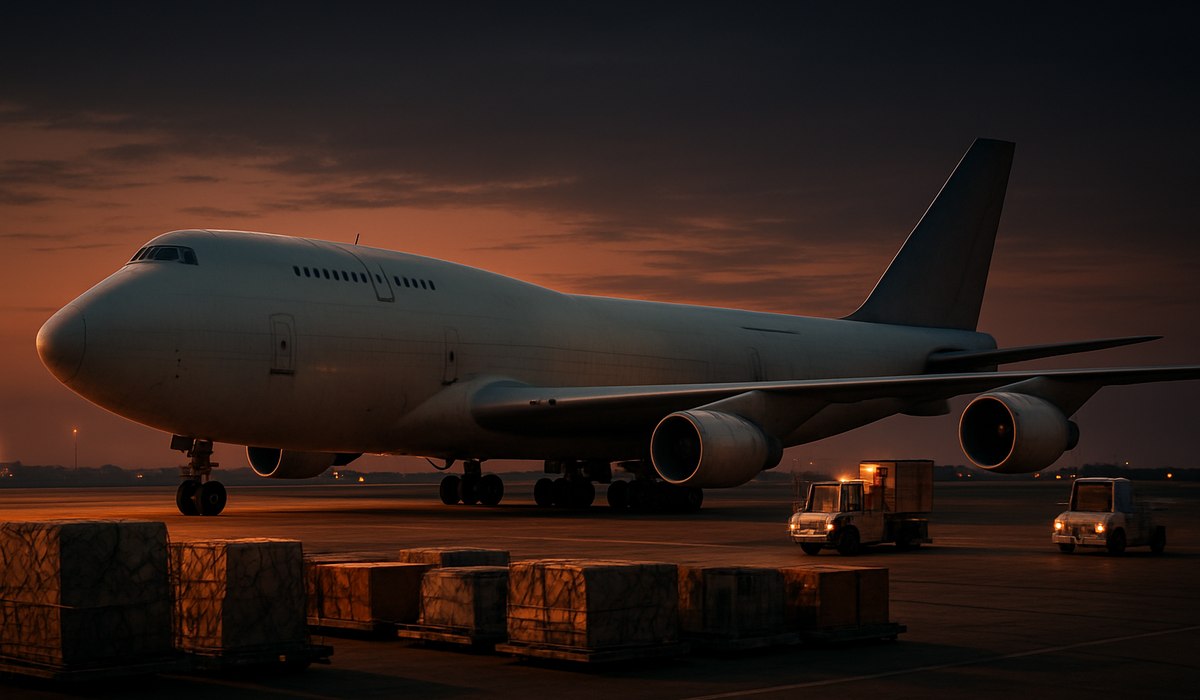
Image generated by AI
Boeing 747 Freighter Pricing Enters Unpredictable Territory in 2026
The Boeing 747 freighter remains the backbone of intercontinental cargo operations, yet determining actual purchase prices in 2026 has become an opaque undertaking for logistics operators worldwide. Following production termination in 2023, the iconic wide-body aircraft now trades exclusively on secondary markets, where pricing fluctuates based on availability, condition, age, and operational capabilities. Cargo operators seeking Boeing 747 freighter cost information face unprecedented valuation challenges as demand outpaces supply.
The absence of transparent pricing mechanisms reflects a fundamental market shift. When manufacturers produce aircraft, list prices provide benchmarks for negotiations. Today's secondary market lacks such reference points, leaving operators to evaluate aging inventory against anticipated future cargo volumes and fuel efficiency standards.
Why 747 Freighters Remain Essential to Global Cargo Operations
The Boeing 747-400F and 747-8F variants dominate intercontinental cargo routes because no direct replacement exists. These aircraft deliver unmatched payload capacity—approximately 134 metric tons for the 747-8F—combined with operational flexibility unavailable in smaller alternatives. Express delivery networks, manufacturing components, and perishable goods shipments depend on 747 freighter reliability.
Airlines including FedEx, UPS, Lufthansa Cargo, and Cathay Pacific Cargo operate extensive 747 fleets totaling over 400 active aircraft globally. These operators cannot easily transition to alternative equipment without massive operational restructuring. Boeing's 777F and Airbus A330-200F offer inferior payload capacity and range, making the 747 irreplaceable for premium cargo routes linking Asia, Europe, and North America.
Production cessation has paradoxically strengthened 747 freighter demand. Operators recognize limited availability and invest aggressively to secure remaining aircraft before inventory depletes entirely. This dynamic directly drives escalating aircraft pricing in 2026 secondary markets.
New vs. Used: Understanding the 2026 Pricing Divide
When production operated, Boeing's 747-8F list price approached $445 million. Today, secondary market pricing reflects dramatically different variables. A well-maintained 747-400F with 15,000+ flight hours might command $80–150 million depending on engine condition, avionics modernization, and maintenance records. Newer 747-8F models with fewer than 10,000 flight hours could reach $200–300 million.
These estimates carry substantial uncertainty. Unlike traditional aviation markets with established pricing indices, cargo freighter valuations remain highly subjective. Brokers, aircraft leasing companies, and direct sales rarely disclose actual transactions publicly. This opacity frustrates operators attempting capital budgeting and fleet modernization planning.
Lessees offering 747 freighters on short-term contracts (2–5 years) provide alternative financing without massive upfront expenditures. Monthly lease rates typically range from $400,000–$800,000 depending on aircraft condition and agreement terms. Many operators now prefer leasing flexibility over ownership commitments, given market uncertainty.
Market Factors Driving Unpredictable Valuations in 2026
Boeing 747 freighter cost volatility stems from intersecting supply-demand pressures and regulatory shifts. Fuel surcharges incentivize operators to retire aging aircraft, reducing available secondary inventory. Simultaneously, e-commerce growth and post-pandemic supply chain reconfiguration drive cargo demand higher than historical norms.
Environmental regulations compound valuation complexity. The International Civil Aviation Organization's Carbon Offsetting and Reduction Scheme for International Aviation (CORSIA) and emerging regional emissions standards increase operating costs. Older 747-400F variants consume 20–25% more fuel than newer 747-8F models, affecting long-term ownership economics.
Engine availability influences pricing substantially. General Electric GE90 and Pratt & Whitney PW4000 series engines power most operational 747 freighters. Supply chain disruptions for engine components and spare parts availability affect aircraft desirability and resale value. A 747 freighter with recently overhauled engines commands 15–20% premiums over identical aircraft with uncertain engine timelines.
Currency fluctuations introduce additional pricing volatility. Cargo operators headquartered in Asia and Europe negotiate aircraft purchases in US dollars, exposing them to exchange rate risks. Euro and Chinese yuan weakness in early 2026 reduced purchasing power for non-US operators, constraining demand and dampening secondary market prices regionally.
Market Data: Boeing 747 Freighter Pricing and Availability in 2026
| Factor | 747-400F | 747-8F | Impact on Pricing |
|---|---|---|---|
| Typical Age Range | 18-28 years | 5-12 years | Older aircraft discount 40-60% |
| Estimated Valuation Range | $80M-$150M | $200M-$300M | New production list: $445M+ |
| Monthly Lease Rate | $400K-$600K | $600K-$800K | Leasing bypasses ownership risk |
| Flight Hours Range | 60,000-90,000 | 10,000-35,000 | Higher hours reduce residual value |
| Engine Overhaul Status | Critical variable | Critical variable | Recent overhaul adds 15-20% value |
| Global Fleet Inventory | 250+ aircraft | 150+ aircraft | Limited supply = pricing power |
| Production Status | Ended 2023 | Ended 2023 | No new supply supports prices |
What Operators Should Know Before Buying Aircraft in 2026
Cargo operators evaluating 747 freighter acquisitions should establish clear due diligence protocols. Comprehensive aircraft inspections by independent third-party engineers prevent costly surprises post-purchase. Maintenance records spanning the aircraft's entire history—including all major overhauls, component replacements, and modification work—provide essential transparency into true operational condition.
Financing arrangements demand careful structuring. Traditional aircraft loans require substantial down payments (20–30%) and carry interest rates reflecting market uncertainty. Asset-backed securitization and specialized aviation financing from institutions like Aviation Capital Group and Wells Fargo Equipment Finance offer flexible alternatives.
Operators must evaluate redundancy and backup capacity within fleet planning. Purchasing a single 747 freighter introduces concentration risk if maintenance or unexpected mechanical issues ground the aircraft. Larger operations should maintain 10–15% spare capacity to absorb maintenance intervals and unexpected downtime.
Regulatory compliance timelines accelerate decision-making. Emerging cockpit technology mandates and emissions standards may require costly retrofitting on older 747-400F models. Budgeting for avionics upgrades, winglet installations, and engine modifications should inform purchase valuation analysis.
What This Means for Cargo Operators and Travel Supply Chains
The impact of uncertain Boeing 747 freighter cost extends throughout global supply chains. Cargo pricing for international shipments reflects aircraft availability and acquisition expenses. When freighter acquisition costs rise, express delivery services increase rates to maintain operational margins.
For businesses shipping time-sensitive cargo internationally, 2026 represents a critical planning year. Secured capacity on established carriers benefits from fleet certainty, while spot market purchases face potential rate increases. Strategic partnerships with FedEx, UPS, DHL, and Lufthansa Cargo provide rate stability compared to opportunistic spot market participation.
Actionable Steps for Shippers:
- Review shipping contracts expiring in 2026–2027 and negotiate multi-year agreements before rate adjustments take effect
- Diversify carrier relationships across multiple operators to reduce
Disclaimer
This article is for informational and educational purposes only. It does not constitute legal, financial, or professional advice. While we strive to provide accurate and up-to-date information, travel policies, regulations, and conditions change rapidly. Always verify information with official sources before making travel decisions. Nomad Lawyer makes no representations about the accuracy, reliability, completeness, or suitability of the information provided. Readers should consult qualified professionals for advice specific to their circumstances. The views expressed in this article are those of the author and do not necessarily reflect the views of Nomad Lawyer.
Kunal K Choudhary
Co-Founder & Contributor
A passionate traveller and tech enthusiast. Kunal contributes to the vision and growth of Nomad Lawyer, bringing fresh perspectives and driving the community forward.
Learn more about our team →