
US Department of State Overhauls Passport Process with Online Applications and New Booklet Design 2026
The US government is transitioning first-time passport applications to a digital ecosystem, eliminating mandatory in-person appointments and introducing a standardized 38-page booklet design for all citizens.

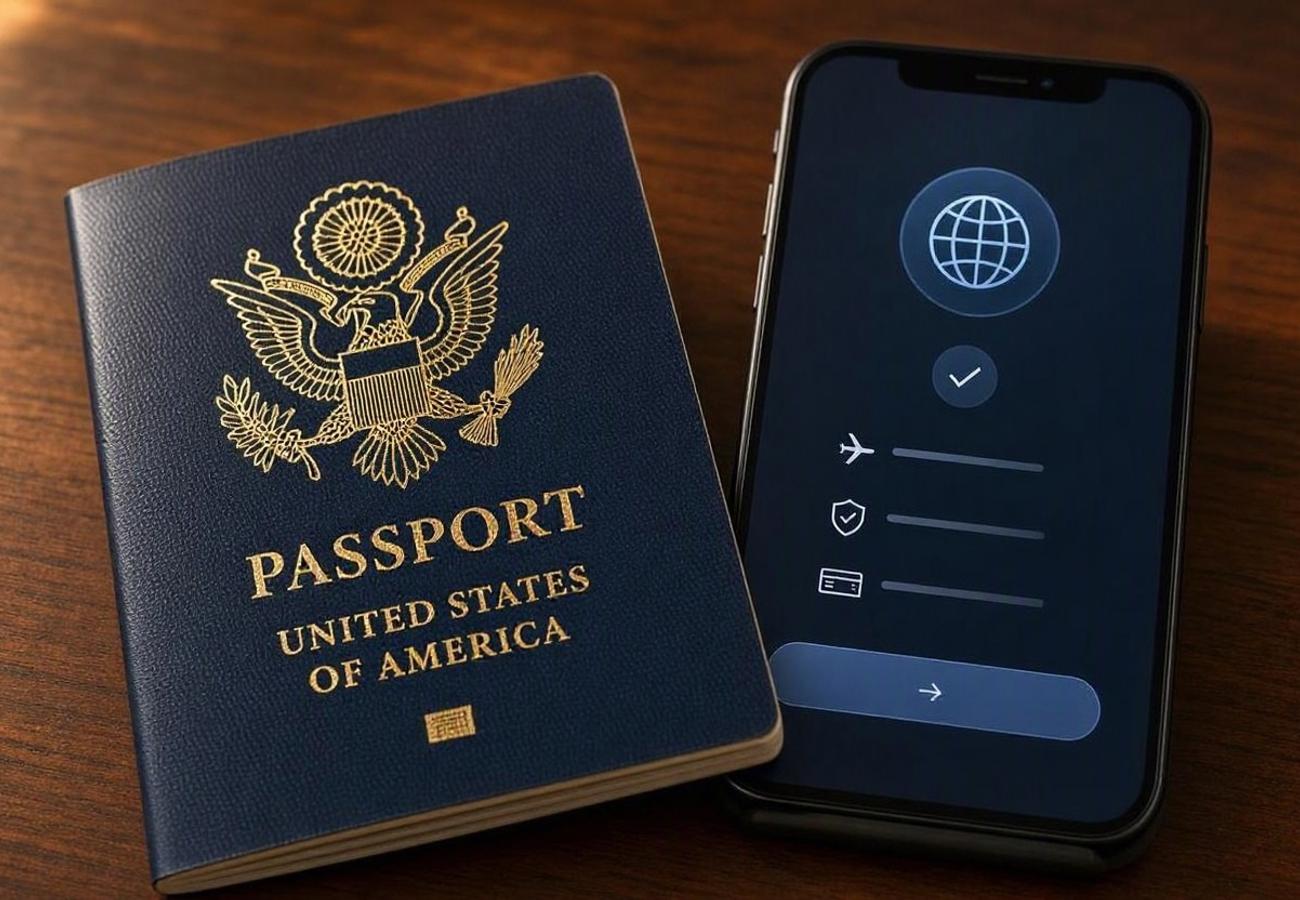
Image generated by AI
Imagine a first-time traveler preparing for a dream trip to Tokyo, only to face the dread of scheduling a post office appointment three months in advance and hunting for a physical DS-11 form. This bureaucratic hurdle is becoming a thing of the past as the US government migrates the entire passport issuance framework into a digital ecosystem.
The 2026 US Passport Modernization Initiative
Secretary of State Marco Rubio has announced a comprehensive shift in how US citizens obtain and hold travel credentials. The primary objective is the removal of administrative bottlenecks that have historically plagued first-time applicants. For decades, the process was tethered to physical locations—such as libraries, courthouses, and post offices—requiring manual paperwork and rigid scheduling.
The new system transitions first-time applications away from the traditional paper-based workflow. By moving these protocols online, the government is effectively eliminating the need for citizens to visit authorized regional facilities to initiate their travel documents.
Beyond the application process, the physical passport booklet is receiving a visual and structural update. The new design features a more prominent Great Seal on the front cover, finished in gold. Internally, the pages now feature an illustrated eagle. Most notably, the government is abandoning the choice between 26 and 52 pages, instead implementing a universal 38-page format for all issued booklets.
Comparison of Legacy vs. Modernized Passport Protocols
The following table breaks down the specific shifts in costs, requirements, and physical specifications.
| Feature | Legacy System (Pre-2026) | Modernized System (2026) |
|---|---|---|
| First-Time Application | Physical DS-11 form + In-person visit | Fully digital online application |
| Application Fee | $130 standard cost | $130 standard cost |
| Facility Fee | $35 (paid to post office/library) | Eliminated (for digital apps) |
| Photo Submission | Physical prints from pharmacy/studio | Smartphone upload with digital preview |
| Booklet Page Count | Choice of 26 or 52 pages | Standardized 38 pages |
| Cover Design | Standard Great Seal | Enlarged, gold-finished Great Seal |
Your Rights and Application Options
For the modern traveler, these changes significantly lower the barrier to international mobility. However, it is important to understand which category of applicant you fall into to ensure you use the correct channel.
First-Time Applicants: You can now bypass the US Department of State physical appointment requirements. The ability to upload smartphone photos directly reduces the risk of application rejection due to poor photo quality, as the system now allows for a digital preview before final submission.
Adult Renewals (Ages 25+): Digital renewal is already active for those whose passports expire within 12 months or have been expired for less than five years. There are ongoing regulatory reviews to expand this eligibility to citizens living abroad, who currently face stricter expiration windows.
Existing Passport Holders: If you hold a valid passport, you are under no legal or regulatory obligation to upgrade. Your current document remains fully compliant with international border standards until the printed expiration date.
Rebooking and Documentation Strategy
While the digital shift is designed to increase efficiency, the removal of facility fees has created a vacuum for local government offices, and some expedited private-sector services are adjusting their models. If you are facing an urgent travel deadline, consider these steps:
- Verify Status Regularly: Use official digital status trackers to monitor your application from the moment of approval to final delivery.
- Photo Compliance: Ensure your smartphone upload meets strict digital formatting parameters. Even with a preview tool, incorrect lighting or background colors can trigger an automated rejection, delaying your document by weeks.
- Emergency Issuance: If you have a life-or-death emergency or immediate business travel, check the US Department of State's emergency passport guidelines. Digital portals are efficient for standard requests, but emergency "life-or-death" appointments may still require specific physical interventions.
- Avoid Premature Renewal: Do not pay for a renewal simply to get the new golden seal design. This creates unnecessary processing volume and may lead to longer wait times for those who actually need documents for imminent travel.
FAQ: US Passport Updates 2026
Do I need to replace my current passport to get the new design? No. All currently valid US passports remain legal and accepted globally until their expiration date. There is no requirement to upgrade to the 38-page gold seal version.
Is the $35 facility fee still required? For those using the new online application system, the $35 facility fee previously charged by post offices and libraries is eliminated.
Can I still apply in person if I prefer? While the government is pushing for a digital-first ecosystem, physical options generally remain for those without digital access, though they may still incur facility fees.
How do I know if my smartphone photo is acceptable? The new online portal includes a preview feature that shows exactly how your photo will appear in the booklet, helping you correct issues before submission.
Your passport is your most vital travel asset; ensure your digital upload is flawless to avoid border-crossing delays.
Related Travel Guides
Disclaimer
This article is for informational and educational purposes only. It does not constitute legal, financial, or professional advice. While we strive to provide accurate and up-to-date information, travel policies, regulations, and conditions change rapidly. Always verify information with official sources before making travel decisions. Nomad Lawyer makes no representations about the accuracy, reliability, completeness, or suitability of the information provided. Readers should consult qualified professionals for advice specific to their circumstances. The views expressed in this article are those of the author and do not necessarily reflect the views of Nomad Lawyer.
Naina Thakur
Contributor & Travel Specialist
Travel enthusiast and legal writer covering visa regulations, responsible tourism, and cultural journeys across global destinations.
Learn more about our team →