
AI, Robotaxis, and Autonomous Mobility Redefine Global Tourism Transit Across the US, UK, and Europe
As US international arrivals target 70.5 million in 2026, AI-powered transit, robotaxis, and Uber restructuring signal a global shift toward automated travel mobility.

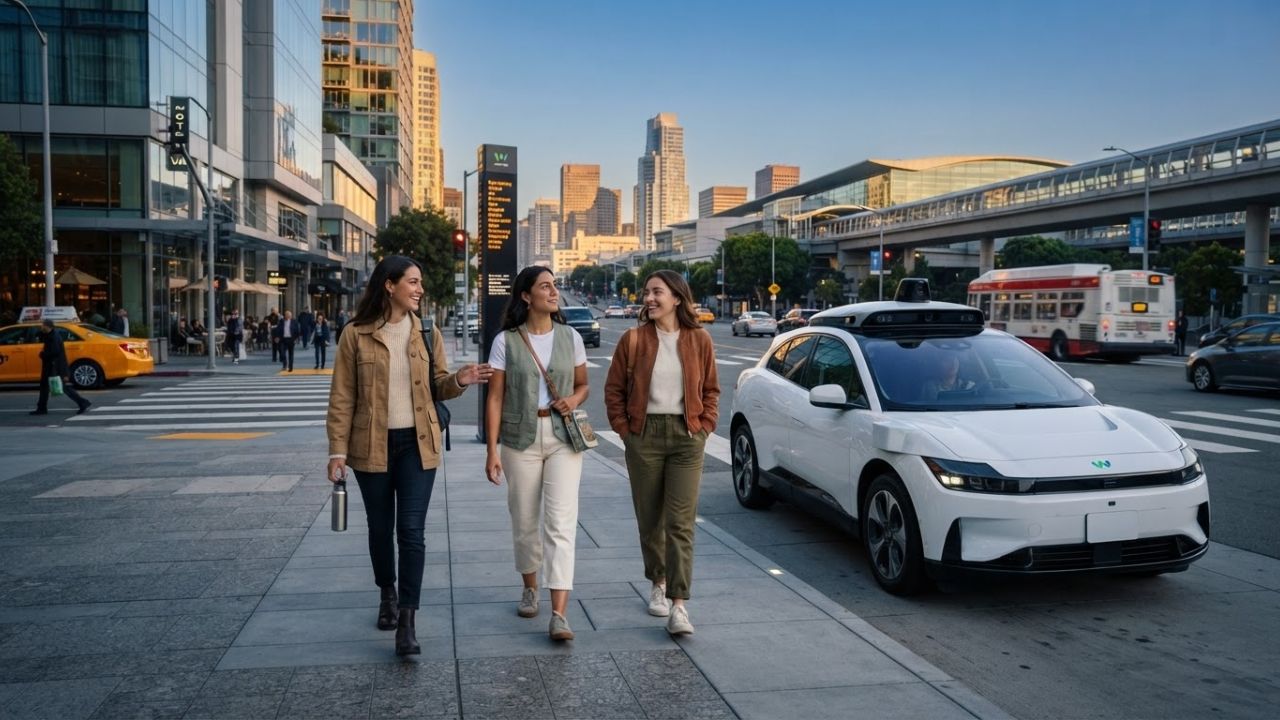
Image generated by AI
Rising international travel demand and major corporate restructurings across ride-hailing networks are accelerating the deployment of artificial intelligence, autonomous robotaxis, and integrated smart mobility infrastructure across key global tourism markets.
WASHINGTON — Global tourism is entering a structural transformation as municipal transport networks, airport authorities, and digital mobility platforms accelerate investments in artificial intelligence and autonomous passenger transit. Driven by expanding international visitor numbers and corporate operational pivots—exemplified by Uber’s strategic workforce reduction of approximately 3,300 corporate roles to redirect capital toward autonomous technology—destinations across North America, Europe, and the Middle East are modernizing ground transport systems to handle record traveler volume.
| Region | 2026 Tourism Mobility Development | Impact on Travel |
|---|---|---|
| United States | Higher international visitor demand | Increased need for streamlined airport and city transport |
| United Kingdom | Smart mobility infrastructure development | Technology-led visitor movement and automated transit |
| Europe | Growing foreign tourism activity | Rising demand for connected cross-border transit |
| Middle East | Smart destination capital investment | AI-powered tourism mobility and automated fleets |
Forecasted 70.5 Million US International Arrivals Surge Ground Transport Demand
The United States represents a central focal point in the global tourism mobility transformation. Data published by the National Travel and Tourism Office (NTTO) projects international visitor arrivals to the United States to reach approximately 70.5 million in 2026. This influx of long-haul travelers is putting increased operational pressure on ground transit hubs connecting major international airport gateways with downtown hotel districts and convention centers.
Major tourism markets including New York City, Orlando, Los Angeles, and Las Vegas depend heavily on commercial ride-hailing networks and airport transfer services. As passenger volume climbs, transportation planners are integrating AI-driven traffic management and autonomous vehicle testing to mitigate urban congestion and lower last-mile transit costs for visitors.
| US Tourism Factor | 2026 Impact |
|---|---|
| International arrivals | Around 70.5 million visitors forecast |
| Key tourism cities | New York, Orlando, Los Angeles, Las Vegas |
| Transport demand | Expanded airport transfers and urban mobility options |
| Future trend | AI-powered autonomous travel networks |
United Kingdom Expands Smart Mobility and Autonomous Airport Transfer Testing
The United Kingdom is rapidly deploying next-generation smart mobility frameworks to maintain its position as a top international destination. London’s airport system—handling tens of millions of incoming foreign travelers annually—serves as a primary testing ground for automated terminal connections and smart traffic routing.
UK transport policies emphasize integrated digital booking platforms and connected vehicle infrastructure. The long-term deployment of autonomous shuttle fleets and robotaxis aims to streamline airport-to-hotel transfers, allowing foreign travelers to navigate complex urban transit grids without linguistic or logistical barriers.
| UK Mobility Area | Tourism Importance |
|---|---|
| London airports | Major international entry points requiring fast passenger clearance |
| Public transport | Synchronized visitor movement across city hubs |
| Digital mobility | Unified travel planning and contactless ticketing |
| Autonomous technology | High-capacity automated airport transit options |
European Destinations Integrate Smart Transit Systems to Manage Peak Flows
Tourism accommodation metrics reported by Eurostat demonstrate sustained growth in foreign overnight stays across the European Union. High-density destinations in Spain, France, Italy, and Germany face mounting operational challenges during peak summer and holiday travel seasons, prompting municipal authorities to adopt AI-powered mobility solutions.
European travel destinations are prioritizing unified digital transit apps that connect high-speed rail lines, municipal subways, and micro-mobility options into a single passenger interface. Streamlining regional transit access enhances destination competitiveness and prevents severe bottlenecks in historic city centers.
| European Country | Tourism Mobility Challenge |
|---|---|
| Spain | Managing high seasonal visitor flows along coastal and urban corridors |
| France | Supporting heavy tourist volume across major metropolitan rail nodes |
| Italy | Improving heritage site accessibility without urban congestion |
| Germany | Synchronizing intercity business transit with leisure tourism mobility |
Middle Eastern Capitals Invest Millions in AI-Powered Destination Mobility
Gulf nations are leading capital co-investments in smart city infrastructure and automated passenger transit. The United Arab Emirates, Saudi Arabia, and Qatar are integrating artificial intelligence into municipal transport networks, connecting international airport hubs directly to mega-resorts, cultural districts, and sports venues.
By embedding autonomous vehicle lanes and smart fleet management into urban master plans, Middle Eastern destinations aim to establish frictionless visitor transit models that minimize wait times for international travelers.
| Country | Tourism Technology Development |
|---|---|
| United Arab Emirates | Smart city mobility systems and autonomous taxi trial zones |
| Saudi Arabia | Large-scale giga-project tourism transport infrastructure |
| Qatar | Event-driven automated visitor transit networks |
Digital Transformation Reshapes the Global Tourism Labor Force
While tourism remains a primary engine of global employment, the operational structure of travel transit companies is evolving rapidly. Corporate restructuring—such as Uber’s reduction of roughly 3,300 corporate staff—reflects a broader industry-wide reallocation of capital away from traditional administrative layers and toward software engineering, data analytics, and autonomous fleet integration.
Industry analysts emphasize that automation will not eliminate travel workforce demand; rather, it shifts labor requirements toward specialized digital operations, fleet maintenance, and tech-supported guest management.
| Tourism Employment Area | Future Direction |
|---|---|
| Hospitality | Sustained growth in guest-facing service roles |
| Transportation | Rapid adoption of automated vehicle technology |
| Digital travel | Surging demand for software engineering and data roles |
| Mobility services | Deep integration of AI route optimization algorithms |
How Robotaxis and AI Algorithms Will Redefine the Passenger Journey
Autonomous robotaxi fleets are expected to fundamentally alter urban tourism logistics over the coming decade. By providing low-cost, 24/7 point-to-point transit, automated fleets offer accessible transportation for international visitors, elderly travelers, and non-native speakers who may struggle with local public transit systems or car rentals.
Integrating artificial intelligence into travel booking apps allows algorithms to predict flight delays, dynamically adjust pick-up times, and reserve autonomous transfer vehicles before passengers even deplane.
| Technology | Possible Tourism Impact |
|---|---|
| Robotaxis | On-demand automated transfers between airports and hotels |
| Artificial intelligence | Personalized route planning and dynamic schedule updates |
| Digital platforms | Instant cross-provider transit booking |
| Smart infrastructure | Reduced urban congestion around major tourist attractions |
Corporate Shifts Signal a New Era in Transportation Infrastructure
The reorganization of major mobility platforms highlights a broader transition across global travel infrastructure. As transportation companies prioritize autonomous vehicle development, municipalities are adapting curbside management, charging infrastructure, and traffic signaling to support driverless fleets.
Destinations that successfully integrate smart transit solutions will secure a competitive edge in attracting high-value international travelers who prioritize speed, safety, and digital convenience.
| Future Tourism Trend | Expected Development |
|---|---|
| Digital mobility | Widespread adoption of unified transit platforms |
| AI transport | Automated route optimization across city transit networks |
| Autonomous vehicles | Long-term commercial deployment of robotaxis in tourism hubs |
| Smart destinations | Intensifying global competition among technology-driven cities |
Practical Implications for International Travelers
For global travelers, the rise of AI-driven mobility means fewer transit friction points from arrival to departure. Integrated mobile apps allow visitors to book flights, airport transfers, and urban rides through a single digital pass.
As robotaxis and automated airport shuttles deploy across major hubs, travelers can expect lower transfer costs, reduced wait times at arrivals terminals, and greater accessibility when exploring destination cities.
Frequently Asked Questions
How many international visitors are expected to arrive in the US in 2026?
According to the National Travel and Tourism Office (NTTO), international arrivals to the United States are forecast to reach approximately 70.5 million visitors in 2026.
Why are ride-hailing companies restructuring corporate teams in 2026?
Major mobility platforms, including Uber, are streamlining traditional corporate teams (such as reducing around 3,300 roles) to reallocate capital toward artificial intelligence, autonomous vehicle integration, and robotaxi deployment.
How do robotaxis benefit international tourists visiting major cities?
Robotaxis provide automated, 24/7 on-demand transit with built-in translation features and predictable pricing, easing mobility for international travelers unfamiliar with local transit or driving rules.
Which regions are leading investments in AI-powered tourism mobility?
The United States, United Kingdom, European Union nations, and Middle Eastern countries like the UAE and Saudi Arabia are leading capital co-investments in smart city transport and automated transit hubs.
Related Travel Guides
Disclaimer
This article is for informational and educational purposes only. It does not constitute legal, financial, or professional advice. While we strive to provide accurate and up-to-date information, travel policies, regulations, and conditions change rapidly. Always verify information with official sources before making travel decisions. Nomad Lawyer makes no representations about the accuracy, reliability, completeness, or suitability of the information provided. Readers should consult qualified professionals for advice specific to their circumstances. The views expressed in this article are those of the author and do not necessarily reflect the views of Nomad Lawyer.
Kunal K Choudhary
Co-Founder & Contributor
A passionate traveller and tech enthusiast. Kunal contributes to the vision and growth of Nomad Lawyer, bringing fresh perspectives and driving the community forward.
Learn more about our team →