
African Wildlife Permit Refund Rules: How Rwanda, Uganda, DR Congo, Tanzania, and Ethiopia Shape Adventure Tourism

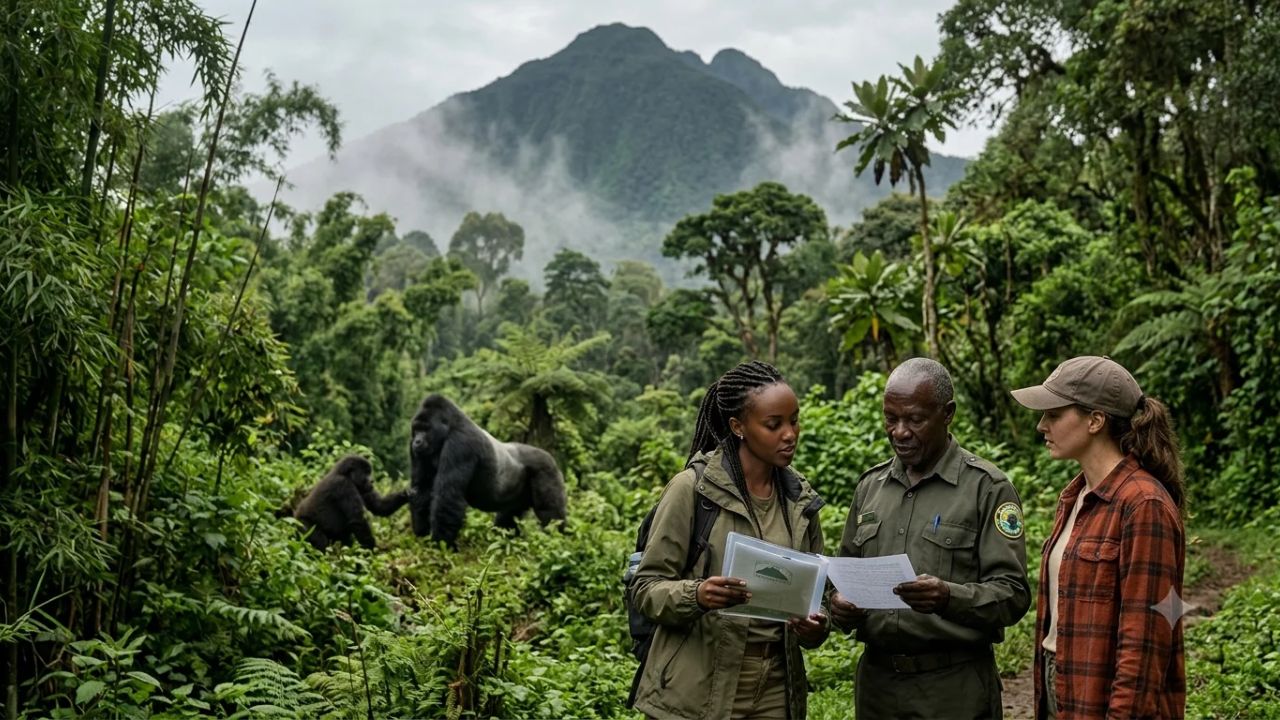
Wildlife trekking permit rules across Rwanda, Uganda, the DR Congo, Tanzania, and Ethiopia require travelers to navigate strict cancellation and rescheduling policies
[KIGALI, Oct 30, 2026] — Across East and Central Africa’s premier wildlife sanctuaries, international adventure travelers and commercial safari operators are confronting a complex patchwork of non-refundable fees, strict rescheduling surcharges, and divergent cancellation policies as national conservation authorities balance multi-million-dollar park revenues against volatile global travel disruptions.
[!NOTE] Key Regulatory Contrast Across Five African Nations: Wildlife tracking and adventure permits carry vastly different cancellation protections across the region. The Rwanda Development Board (RDB) charges a $300 fee (20%) to reschedule its premier $1,500 gorilla permits and strictly restricts voluntary cancellation refunds. In Uganda, the Uganda Wildlife Authority (UWA) implemented significant 2026 booking reforms: introducing discounted $600 low-season gorilla permits that cannot be rescheduled under any circumstance, abolishing the seven-day unpaid reservation window, and enforcing a rigid graduated refund schedule on standard $800 permits. Meanwhile, the Democratic Republic of the Congo’s Virunga National Park lists mountain gorilla and Nyiragongo volcano treks as closed due to regional security conditions, requiring $100,000 emergency medical evacuation insurance. In Tanzania and Ethiopia, authorities maintain strictly non-refundable fee policies for specialized mountain climbing, chimpanzee tracking, and national park entries.
AFRICAN WILDLIFE PERMIT REGULATORY & FINANCIAL ARCHITECTURE
| Column 1 |
|---|
| [ FIVE DESTINATIONS WITH DIVERGENT PERMIT RULES ] |
| - Tanzania (Kilimanjaro & Gombe): Non-Refundable Mawenzi Climbs & Chimpanzee Permits |
| - Ethiopia (Bale Mountains): Non-Refundable Park Entrance Fees at Dinsho Headquarters |
| +----------------------------+-----------------------------+ |
| v v |
| [ THREE ROOT DRIVERS OF BOOKING DISRUPTION ] [ CONSERVATION FINANCING STAKES ] |
| - Medical Exclusion: Contagious disease bans at gates - Rwanda: $35.8M from Volcanoes NP |
| - Security Suspensions: Authority-directed park closures - Uganda: 20% revenue-sharing with |
| - Itinerary Changes: Flight delays & voluntary drops surrounding frontline communities |
| +----------------------------+-----------------------------+ |
| v |
| [ STRATEGIC IMPLICATIONS FOR OPERATORS & TRAVELERS ] |
| - Low permit prices carry hidden flexibility trade-offs (e.g., Uganda low-season non-reschedule) |
| - Operators must separate permit costs from lodging and private 4x4 safari vehicle transport |
| - Comprehensive Cancel For Any Reason (CFAR) and $100,000+ medical evacuation insurance required |
The High-Stakes Economics of African Wildlife Permits
Specialized nature-based tourism in East and Central Africa is fundamentally anchored to finite, fragile ecosystems. Unlike conventional mass-market beach resorts or urban sight-seeing destinations where capacity can expand dynamically to meet consumer demand, wildlife encounters involving endangered species—most notably mountain gorillas (Gorilla beringei beringei) and chimpanzees (Pan troglodytes)—are governed by strict ecological carrying capacities.
To safeguard vulnerable primate populations from excessive human disturbance and pathogen transmission, park authorities restrict daily visitation. In mountain gorilla habitats across the Albertine Rift, visits are capped at a single group of eight tourists per habituated gorilla family per day, with direct contact strictly limited to sixty minutes. This extreme scarcity turns tracking permits into highly prized international commodities that must be booked months or even years in advance.
The substantial fees collected from these permits do not represent standard commercial profits. Instead, they form the financial backbone of national conservation strategies. Permit revenues directly finance 24-hour armed ranger patrols, anti-poaching operations, veterinary interventions by groups like Gorilla Doctors, infrastructure maintenance, and local community revenue-sharing initiatives. When a traveler cancels a booking or demands a refund, park authorities face immediate fiscal stress, creating a structural tension between consumer flexibility and wildlife preservation financing.
PRICING AND REGULATORY FRAMEWORK SUMMARY ACROSS 5 NATIONS
| Column 1 |
|---|
| Country Target Activity Permit Price Cancellation Policy Rescheduling Terms |
| -------------------------------------------------------------------------------------------- |
| Rwanda Gorilla Tracking USD 1,500 Restricted refunds; 20% fee ($300); |
| (Volcanoes NP) 75% if trek fails Discretionary if late |
| Uganda Gorilla Tracking USD 800 Standard Graduated refunds Standard: 1st free, |
| (Bwindi/Mgahinga) USD 600 Discount (75% down to 0%) 2nd 25%; Discount: NO |
| DR Congo Gorilla & Volcano USD 400 (Gorilla) Suspended operations Park-directed refund |
| (Virunga NP) USD 300 (Nyiragongo)Security closures terms published |
| Tanzania Kilimanjaro/Chimps Activity Specific Non-refundable for Non-refundable for |
| (Mawenzi / Gombe) Varies by park specified permits technical climbing |
| Ethiopia Bale Mountains Entry Published Park Non-refundable Fixed registration |
| (EWCA Sanetti) Tariff Schedules entrance fees at Dinsho headquarters |
Rwanda: The High-Value Conservation Model in Volcanoes National Park
Rwanda has positioned itself at the apex of global eco-tourism through an intentional high-value, low-volume tourism model. Centered on Volcanoes National Park in the Virunga Mountains, Rwanda charges USD 1,500 per person for a standard foreign non-resident gorilla trekking permit, with a strict minimum trekking age of 15 years.
Permit Rescheduling Regulations and Administrative Fees
The Rwanda Development Board (RDB), which oversees national park administration and commercial tourism licensing, enforces clear administrative requirements for travelers seeking to modify booked dates:
- Rescheduling Surcharges: RDB levies a mandatory fee of 20% of the original permit application cost to reschedule a tracking date. For an international visitor holding a USD 1,500 permit, this represents an out-of-pocket penalty of USD 300 per permit.
- Advance Notice Thresholds: Rescheduling applications submitted more than seven days prior to the scheduled tracking date receive administrative approval through RDB's centralized online portal. Requests submitted within seven days of tracking require formal discretionary review and specific justification.
- Discretionary Review for Expired Permits: RDB operates an exceptional review procedure for permits that have already expired without being utilized. If unforeseen emergencies—such as severe medical incidents or catastrophic international transit failures—prevent a visitor from attending, the permit holder can submit documented evidence to request date reinstatement, though approval is not guaranteed.
- Exclusion of Routine Travel Delays: RDB regulations explicitly state that routine flight cancellations, missed road transfers, or personal scheduling conflicts do not constitute grounds for an automatic refund.
Specialized Encounter Policies and Contagious Illness Protections
Primate tourism carries inherent biological risks. Because humans and mountain gorillas share approximately 98% of their genetic makeup, gorillas are highly susceptible to human respiratory pathogens, including the common cold, influenza, and airborne viral infections.
To protect gorilla families from cross-species contagion, park wardens conduct mandatory health screenings at the Kinigi park headquarters before morning treks begin. Any visitor exhibiting visible symptoms of contagious illness (such as coughing, sneezing, or fever) is legally prohibited from entering the forest. While this restriction protects endangered wildlife, it leaves the affected traveler facing potential financial loss unless covered by third-party trip insurance.
RDB maintains distinct refund provisions for tracking attempts that fail due to animal behavior rather than human cancellation:
- Gorilla Group Movement: In rare instances where habituated gorilla groups range across international borders into Uganda or the Democratic Republic of the Congo, or move into inaccessible volcanic ravines, park management offers travelers an alternative tracking date or a full 100% refund.
- Unsuccessful Tracking Attempts: If a tracking party spends an entire day searching under official guide supervision but fails to locate the assigned gorilla family due to extreme terrain or adverse weather, RDB provides a 75% refund of the permit cost, retaining 25% to cover park operational expenditures.
The Economic Scale of Rwanda's Tourism Economy
The rigor of Rwanda's permit management reflects the economic importance of the sector. Official RDB performance reporting reveals that Rwanda generated USD 685 million in total tourism revenues during 2025, welcoming approximately 1.49 million international arrivals.
National parks played a pivotal role in this economic engine, recording 155,394 visits and generating USD 40.8 million in direct conservation revenue. Volcanoes National Park alone contributed USD 35.8 million—nearly 88% of all national park revenues nationwide. Combined with a meetings, incentives, conferences, and exhibitions (MICE) sector that delivered USD 94.7 million, Rwanda's structured permit framework provides stability for an industry that underpins national economic development.
RWANDA TOURISM FISCAL PERFORMANCE (2025 PERFORMANCE REPORT)
| Economic Metric Financial Volume Operational Significance |
|---|
| -------------------------------------------------------------------------------------------- |
| Total Tourism Revenue USD 685.0 Million Primary service export sector |
| Total International Visitors1.49 Million Arrivals Regional hub connectivity |
| All National Parks Revenue USD 40.8 Million Direct conservation funding |
| Volcanoes National Park USD 35.8 Million (87.7% share) Gorilla tourism financial pillar |
| MICE & Business Tourism USD 94.7 Million Conference & event infrastructure |
Uganda: The 2026 Tariff Overhaul and the Flexibility Trade-Off
Uganda manages its mountain gorilla population across two primary protected areas: Bwindi Impenetrable National Park and Mgahinga Gorilla National Park. Governed by the Uganda Wildlife Authority (UWA), Uganda's approach to gorilla tourism has historically emphasized broader accessibility compared to Rwanda's ultra-premium pricing. However, significant tariff restructuring enacted in early 2026 has reshaped booking dynamics.
The 2026 Discounted Permit Policy and Rescheduling Ban
In an official tariff communication issued on February 26, 2026, UWA introduced seasonal promotional rates for gorilla and chimpanzee tracking to stimulate visitor traffic during traditionally rainy months:
- Discounted Seasonal Rates: For tracking dates during April, May, and November, foreign non-resident gorilla permits are priced at USD 600, representing a USD 200 saving compared to the standard rate of USD 800.
- The Zero-Rescheduling Clause: In exchange for the discounted price, UWA established an uncompromising condition: promotional low-season permits cannot be rescheduled under any circumstances. If an international traveler purchases a USD 600 permit and subsequently encounters a flight cancellation, visa delay, or business emergency, the permit cannot be transferred to a later date or another calendar season.
- Abolition of Unpaid Booking Windows: Effective March 1, 2026, UWA eliminated its long-standing seven-day provisional reservation window. Tour operators were historically permitted to hold permit dates for seven days before submitting payment. Under the new directive, 100% of the permit fee must be paid immediately at the time of reservation, forcing tour operators to collect full non-refundable deposits from clients upfront.
Standard Permit Rescheduling Structure
For standard full-price permits (USD 800 for foreign non-residents), UWA maintains a structured rescheduling policy:
- First Reschedule: Standard permits can be rescheduled once without an administrative penalty, provided the request is submitted well in advance of the operational date.
- Second Reschedule: A second date change attracts a mandatory 25% surcharge of the permit face value (USD 200).
- Subsequent Restrictions: Permits that have been rescheduled twice cannot be moved again, and previously rescheduled permits lose all eligibility for cash refunds.
UGANDA WILDLIFE AUTHORITY (UWA) GRADUATED REFUND SCALE
| Column 1 |
|---|
| Cancellation Notice Period Published Refund Percentage Actual Refund on USD 800 Permit |
| -------------------------------------------------------------------------------------------- |
| 61 Days or More Notice 75% Refund USD 600 (UWA retains USD 200) |
| 46 to 60 Days Notice 50% Refund USD 400 (UWA retains USD 400) |
| 15 to 45 Days Notice 25% Refund USD 200 (UWA retains USD 600) |
| Within 14 Days of Tracking 0% Refund (Total Forfeiture) USD 0 (UWA retains USD 800) |
| -------------------------------------------------------------------------------------------- |
| Deductions: All refunds subject to administrative deductions, statutory banking charges, taxes |
Graduated Cancellation Terms and In-Park Medical Provisions
Under UWA’s July 2024 permit-management guidelines, standard gorilla tracking permits are eligible for graduated cash refunds based on the exact calendar notice provided prior to the tracking date:
- Notice of 61 days or more yields a 75% refund.
- Notice between 46 and 60 days yields a 50% refund.
- Notice between 15 and 45 days yields a 25% refund.
- Cancellations submitted within 14 days of the tracking date result in zero refund.
To claim a refund under these provisions, travelers or their booking agents must submit formal written cancellation requests, with the official date of receipt determining the applicable percentage tier.
UWA also maintains a specific medical exception. Under official park rules, if a visitor travels to Bwindi or Mgahinga but develops an acute, medically verified illness while physically inside the park prior to tracking, the Executive Director of UWA holds discretionary authority to authorize a 50% refund. This rule encourages visitors suffering from contagious respiratory infections to declare their condition honestly rather than attempting to conceal illness to avoid total financial forfeiture. However, this exception does not apply to illnesses contracted before reaching the national park.
Community Revenue-Sharing Foundations
Similar to Rwanda, Uganda links wildlife permit fees directly to local community survival. Under UWA's statutory revenue-sharing framework, 20% of all national park gate entrance collections are distributed directly to frontline communities living adjacent to park boundaries, supplemented by dedicated statutory levies extracted from every gorilla permit sold. These funds build local schools, rural health clinics, and agricultural defenses against wildlife crop-raiding, ensuring that neighboring populations view living gorillas as economic assets rather than competitors for land.
RWANDA VS. UGANDA: PERMIT RISK & REVENUE ARCHITECTURE
| Column 1 |
|---|
| Policy Dimension Rwanda (Volcanoes NP) Uganda (Bwindi & Mgahinga) |
| -------------------------------------------------------------------------------------------- |
| Standard Foreign Rate USD 1,500 USD 800 |
| Low-Season Promotional Rate None (Flat year-round pricing) USD 600 (April, May, November) |
| Rescheduling Surcharge 20% fee (USD 300) 1st change Free; 2nd change 25% fee |
| Discounted Rescheduling Not applicable STRICTLY PROHIBITED |
| Voluntary Cancellation Restricted; Discretionary Graduated scale (75%, 50%, 25%, 0%) |
| In-Park Illness Provision Exclusion without auto-refund 50% refund by Executive Director |
| Unsuccessful Encounter 75% refund after full-day trek Alternative date or full refund |
Democratic Republic of the Congo: Virunga's Security Suspensions
The Democratic Republic of the Congo presents a starkly different operational environment. Virunga National Park—Africa’s oldest national park, founded in 1925—spans 7,800 square kilometers across North Kivu province, encompassing mountain gorilla sectors, savannah plains, and Mount Nyiragongo, an active stratovolcano featuring a renowned lava lake.
Active Trek Closures and Conflicting Public Notices
Despite offering the most affordable gorilla permits in the Albertine Rift (historically priced at USD 400 for standard tracking), Virunga has faced chronic security disruptions resulting from armed conflict and regional military confrontations.
At present, official Virunga National Park communications confirm that all mountain gorilla treks and Mount Nyiragongo hiking expeditions remain closed until further notice.
A notable operational challenge confronting international travelers is an informational discrepancy across official channels: while the park's primary homepage clearly announces operational suspensions, secondary pages and archived frequently asked questions sections still contain outdated references describing tours as open. Independent travelers reviewing older web pages risk assuming that bookings are active when field operations are completely suspended.
Park-Directed Cancellations Versus Voluntary Withdrawals
Virunga's published booking terms draw an essential legal distinction between park-initiated closures and voluntary traveler withdrawals:
- Authority-Directed Security Closures: When park authorities suspend tourism operations due to active civil insecurity, military offensives, or volcanic eruptions, the park's published terms provide affected guests with the choice of rescheduling to a future date or receiving a full refund of permit and accommodation payments made directly to the park.
- Independent Traveler Cancellations: If a traveler decides to cancel an expedition independently while the park remains officially open—even if international governments have issued severe travel warnings—the booking is subject to standard cancellation penalties, which frequently involve the total forfeiture of deposited sums.
- Collateral Travel Expenses: The park's legal framework explicitly disclaims liability for associated travel costs. If an authority-directed closure forces the cancellation of a gorilla trek, the park does not reimburse international airfares, regional charter flights, Congolese tourist visa fees, or independent hotel bookings in neighboring transit cities like Goma or Kigali.
- Mandatory Insurance Requirements: Virunga enforces some of the strictest insurance prerequisites in the global safari sector. All visitors participating in park activities must present proof of comprehensive insurance providing a minimum of USD 100,000 in emergency medical evacuation coverage alongside USD 100,000 for international medical treatment expenses.
VIRUNGA NATIONAL PARK (DRC) RISK PROFILE
| Column 1 |
|---|
| Operational Parameter Park Regulation Commercial Traveler Impact |
| -------------------------------------------------------------------------------------------- |
| Current Tourism Status Closed until further notice No active tracking permitted |
| Park-Directed Closure Terms Full refund or open reschedule Applies only to direct park bookings |
| Voluntary Traveler Drop Standard cancellation penalty Total deposit loss if park is open |
| Third-Party Travel Costs Strictly excluded from refund Airfares & visas remain at risk |
| Mandatory Evacuation Cover USD 100,000 minimum limit Required before booking confirmation |
| Mandatory Medical Cover USD 100,000 minimum limit Emergency hospital coverage |
Tanzania: Activity-Specific Non-Refundable Rules on Kilimanjaro and Chimpanzee Habitats
Tanzania represents one of the world's premier adventure and wildlife destinations, managed by the Tanzania National Parks Authority (TANAPA). While northern circuit savannah safaris (such as Serengeti and Ngorongoro) operate primarily on daily conservation entry fees, specialized trekking activities in mountainous and forested parks carry rigid non-refundable rules.
Mount Kilimanjaro and Mawenzi Technical Climbs
Mount Kilimanjaro National Park attracts tens of thousands of trekkers annually attempting the 5,895-meter summit of Uhuru Peak via popular routes including Machame, Marangu, and Lemosho. Standard trekking fees consist of daily conservation fees, camping or hut fees, rescue fees, and guide/porter entry fees.
However, for technical alpine ascents on Mawenzi—Kilimanjaro's rugged volcanic peak rising 5,149 meters above sea level—TANAPA enforces specialized regulations:
- Strictly Non-Refundable Surcharges: All special permit fees paid for technical climbing on Mawenzi are completely non-refundable once issued.
- Technical Competency Requirements: Climbers attempting Mawenzi must submit documented proof of alpine technical proficiency, carry specialized technical climbing hardware, and present verified emergency medical evacuation protocols.
- Weather and Altitude Abortions: If adverse meteorological conditions, rockfalls, or altitude sickness force climbers to abandon an ascent midway, TANAPA does not issue refunds or permit credits.
Chimpanzee Habitats: Gombe Stream and Mahale Mountains
On the remote shores of Lake Tanganyika, Gombe Stream National Park and Mahale Mountains National Park harbor habituated chimpanzee communities. Trekking to observe these primates requires specialized primate tracking permits regulated under TANAPA’s chimpanzee viewing guidelines:
- Non-Refundable Primate Tariffs: Payments made for chimpanzee tracking permits in Gombe and Mahale are classified as non-refundable. Because access to these remote parks requires multi-day boat journeys or expensive regional bush flights, travelers who cancel incur heavy financial losses.
- Health Exclusions: Similar to mountain gorilla protocols, visitors displaying visible signs of infectious disease (respiratory infections, gastrointestinal illness, or fever) are legally barred from approaching chimpanzees. TANAPA guidelines do not provide automated cash compensation for visitors turned away at the ranger station on health grounds.
- Tariff Currency and Outdated Schedules: Travel planners must exercise caution when consulting public TANAPA portals, as online fee tables frequently display historical tariff schedules from prior financial years. Tour operators must obtain current, written fee confirmation directly from TANAPA headquarters before issuing client quotations.
TANZANIA (TANAPA) SPECIALIZED PERMIT SPECIFICATIONS
| Column 1 |
|---|
| Park / Destination Target Experience Official Refund Stance |
| -------------------------------------------------------------------------------------------- |
| Kilimanjaro (Mawenzi Peak) Technical Alpine Climbing Strictly non-refundable fees |
| Gombe Stream National Park Chimpanzee Habituation TrackingNon-refundable permit tariffs |
| Mahale Mountains Nat'l Park Deep Forest Chimp Viewing Non-refundable conservation charges |
| General Safari Gate Fees Savannah Game Drives Valid for 24 hours; non-refundable |
Ethiopia: Bale Mountains National Park and High-Altitude Conservation
Ethiopia provides a compelling contrast to East Africa's commercial primate safaris. Managed by the Ethiopian Wildlife Conservation Authority (EWCA), the nation's protected areas safeguard unique endemic fauna, including the endangered Ethiopian wolf (Canis simensis), mountain nyala, and gelada baboons.
Bale Mountains National Park UNESCO Realities
Located in southeastern Ethiopia, Bale Mountains National Park encompasses approximately 215,000 hectares across the Afro-alpine Sanetti Plateau and the dense Harenna Forest. In 2023, the park achieved global recognition when it was officially inscribed as a UNESCO World Heritage property under the auspices of the UNESCO World Heritage Centre.
The park's official visitor fee instructions establish strict operational conditions:
- Mandatory Registration at Dinsho: All visitors entering the park for trekking, horseback riding, or wildlife viewing must register in person at park headquarters near Dinsho, declare the precise duration of their intended stay, and retain physical proof of payment.
- Non-Refundable Conservation Fees: Published visitor-fee instructions state unequivocally that park entrance and activity fees are non-refundable once paid.
- Absence of Standardized 2026 Exception Protocols: Unlike Uganda’s detailed graduated refund tables or Rwanda’s documented discretionary mechanisms, Bale Mountains National Park does not maintain an automated digital protocol for processing refunds caused by regional transit delays, civil disruptions, or sudden severe alpine weather. If a trekker is forced to shorten their stay on the Sanetti Plateau due to severe hypothermia or acute mountain sickness (AMS), unused park days are simply forfeited.
ETHIOPIA BALE MOUNTAINS CONSERVATION & FEE PROFILE
| Administrative Metric Official Specification Field Reality |
|---|
| -------------------------------------------------------------------------------------------- |
| Total Protected Area 215,000 Hectares Sanetti Plateau & Harenna Forest |
| Global Inscription UNESCO World Heritage (2023) Recognized high-biodiversity site |
| Governing Authority Ethiopian Wildlife (EWCA) Administered via Dinsho Headquarters |
| Entrance Fee Terms Strictly Non-Refundable No automatic cash refund framework |
| Emergency Evacuation No park-provided air ambulance Requires private international cover |
The Three Root Drivers of Booking Failure: Medical, Security, and Personal
Analyzing wildlife permit conditions across these five African nations reveals that refund disputes invariably stem from three distinct triggers. Travel advisors and independent travelers must understand how each trigger is treated under national park regulations:
THE THREE ROOT DRIVERS OF SAFARI PERMIT DISRUPTION
| Column 1 |
|---|
| [ 1. MEDICAL EXCLUSION AT PARK GATES ] |
| - Cause: Primate respiratory safety rules; ranger identifies coughing, flu, or fever |
| - Legal Reality: Traveler is legally excluded to protect wildlife; no airline/hotel refund link |
| - Authority Stance: Uganda offers 50% discretionary refund; Rwanda provides no automated cash |
| +----------------------------+-----------------------------+ |
| v v |
| [ 2. AUTHORITY-DIRECTED CLOSURES ] [ 3. VOLUNTARY TRAVELER CHANGES ] |
| - Cause: Civil instability, war, volcanic eruption - Cause: Flight delays, missed vans, |
| - Legal Reality: Park shuts gates; safety decision personal schedule adjustments |
| - Authority Stance: Rescheduling or refund issued - Authority Stance: Strict forfeiture |
| for direct park fees (e.g., Virunga published FAQ) or high penalties (Rwanda $300 fee) |
1. Medical Exclusion at Park Gates
Primate health protocols create a distinct legal dilemma: an international tourist who arrives in good faith on the morning of an excursion can be turned away at the gate solely because of a cough or mild fever. In Uganda, if a visitor arrives at Bwindi or Mgahinga and is excluded for medical reasons by park rangers, the Executive Director holds statutory discretion to approve a 50% refund. In Rwanda, the traveler is prohibited from entering Volcanoes National Park to protect the gorillas, but the law does not grant an automatic cash refund; rescheduling remains strictly at the discretion of the Rwanda Development Board upon submission of medical documentation. In Tanzania, chimpanzee viewing rules in Gombe and Mahale strictly bar symptomatic visitors, with no standardized statutory cash compensation mechanism. Importantly, third-party service providers—including safari lodges, private drivers, and domestic airlines—will not refund reservations simply because a traveler was excluded at the park gate.
2. Authority-Directed Security and Environmental Closures
When a conservation agency or national government suspends park operations due to military activity, regional conflict, or environmental emergencies like volcanic eruptions, administrative mechanisms differ from private traveler cancellations. Under published regulations in Virunga National Park, the managing body typically issues a full refund of direct park fees or permits open-ended date transfers. However, this relief applies exclusively to payments made directly to the park authority for permits and official park accommodations. It does not extend to independent international flights, connecting bush charters, entry visas, or third-party luxury lodges situated outside the park perimeter.
3. Voluntary Traveler Cancellations and International Transit Delays
The vast majority of financial losses occur when travelers cancel trips voluntarily or miss activities due to international flight delays. Under Uganda's graduated refund framework, a traveler holding an $800 standard permit who cancels 20 days prior to departure recovers only 25% of their fee. If the cancellation occurs within 14 days of tracking, the refund drops to zero. A traveler holding a discounted $600 low-season Uganda permit forfeits the entire sum, regardless of how far in advance they cancel. In Rwanda, attempting to reschedule within seven days of tracking requires exceptional discretionary approval, and voluntary cancellations do not qualify for cash refunds.
The Operator Dilemma: Managing Cash Flow, Escrow, and Unbundled Safaris
For international outbound travel agents and local destination management companies based in Kigali, Kampala, or Arusha, handling divergent permit refund rules represents a major commercial challenge.
The Elimination of Reservation Credit Windows
Historically, tour operators could reserve gorilla permits with national authorities and hold them for up to seven days before depositing client funds. This window allowed operators to confirm international flights, collect credit card payments, and finalize safari itineraries without tying up capital.
The elimination of this reservation window by the Uganda Wildlife Authority in March 2026, combined with Rwanda's long-standing requirement for immediate payment, has removed cash flow buffers. Tour operators must now collect 100% of permit fees from clients upfront before confirming reservations, shifting liquidity pressures directly onto the consumer.
The Necessity of Contractual Unbundling
Professional safari operators protect their commercial viability by strictly unbundling booking components within their client contracts.
Under an unbundled contract architecture, the wildlife permit clause explicitly states that tracking permits are subject to statutory national park authority terms and are non-refundable once purchased. The logistics clause governs vehicle charters, private driver-guide fees, and fuel costs as a separate logistical package with distinct cancellation schedules. The lodging clause addresses safari lodges in remote regions like Bwindi or Volcanoes National Park. Because these intimate eco-lodges operate with small room inventories—often just six to twelve luxury cottages—they enforce strict cancellation schedules, routinely forfeiting 100% of deposits for cancellations made within 30 to 45 days of arrival.
By separating these components into clear legal categories, operators prevent situations where an unhappy client demands a full refund for an entire $10,000 safari package because an unforeseen event disrupted a single $800 gorilla permit.
- Logistics Clause: Vehicle charters, private driver-guide fees, and fuel costs are billed as a separate logistical package with distinct cancellation schedules.
- Lodging Clause: Safari lodges in remote regions like Bwindi or Volcanoes National Park operate with tiny room inventories (often just 6 to 12 luxury cottages). Lodges enforce strict cancellation schedules, routinely forfeiting 100% of deposits for cancellations made within 30 to 45 days of arrival.
By separating these components, operators prevent situations where a client expects a full refund for an entire $10,000 safari package because an unforeseen event disrupted a single $800 gorilla permit.
SAFARI PACKAGE CONTRACT UNBUNDLING ARCHITECTURE
| Column 1 |
|---|
| Package Component Billing Structure Cancellation / Refund Treatment |
| -------------------------------------------------------------------------------------------- |
| Wildlife Permits 100% Non-refundable upfront Governed strictly by RDB / UWA rules |
| Luxury Safari Lodging 30-50% deposit; balance at 45d Governed by private lodge contracts |
| Private 4x4 Transport Fixed vehicle day rate Partial refund if canceled early |
| Internal Air Charters Prepaid airline tickets Subject to bush carrier tariff terms |
The Role of Specialized Travel Insurance: Beyond Standard Policies
Given the rigid refund restrictions enforced by African wildlife agencies, standard off-the-shelf single-trip travel insurance policies are rarely sufficient for high-altitude or primate trekking expeditions.
Why Standard Travel Insurance Fails
Standard travel insurance policies often fail to cover safari permit losses due to specific contractual exclusions:
- War, Civil Commotion, and Hostilities Exclusions: If a traveler cancels an expedition because of escalating regional tensions or armed conflict (such as the situation in eastern DR Congo), standard insurers deny claims under civil unrest or war risk exclusions.
- Pre-Existing Medical Conditions and Minor Illnesses: A standard policy will compensate a traveler who is hospitalized with severe malaria, but it will not cover losses if a park ranger excludes a tourist from a gorilla trek for displaying symptoms of the common cold or bronchitis.
- Government Travel Advisories: If an international government (such as the US State Department or UK Foreign Office) issues a "Do Not Travel" advisory after a booking is finalized, standard insurers often treat subsequent cancellations as voluntary withdrawals.
The Solution: Cancel For Any Reason (CFAR) and Medical Evacuation Riders
To achieve complete financial protection, adventure travelers booking African wildlife experiences should obtain two specialized insurance products:
- Cancel For Any Reason (CFAR) Coverage: A CFAR rider allows travelers to cancel their journey for any subjective reason—including anxiety regarding regional stability or personal schedule changes—typically providing reimbursement of 50% to 75% of prepaid, non-refundable expenses. CFAR coverage must generally be purchased within 14 to 21 days of making an initial trip deposit.
- High-Limit Emergency Medical Evacuation Coverage: Remote wildlife parks like Bwindi, Volcanoes, and Bale Mountains are situated hours away from advanced trauma centers. Evacuation coverage must provide a minimum of $100,000 to $250,000 to cover emergency air ambulance flights (such as AMREF Flying Doctors) from remote bush airstrips to international hospitals in Nairobi or Johannesburg.
ADVENTURE SAFARI INSURANCE REQUIREMENT CHECKLIST
| Column 1 |
|---|
| Insurance Element Recommended Coverage Limit Operational Coverage Function |
| -------------------------------------------------------------------------------------------- |
| Cancel For Any Reason (CFAR)75% of total package cost Protects against non-refundable drops |
| Emergency Medical EvacuationUSD 100,000 to USD 250,000 Air ambulance from bush to trauma hub |
| Emergency Medical Treatment USD 50,000 to USD 100,000 Inpatient hospital & surgery care |
| High-Altitude Trekking RiderUp to 6,000 meters altitude Covers Kilimanjaro & Bale ascents |
| Primate Disease Quarantine Standard trip delay provision Covers quarantine lodging if excluded |
Practical Actionable Checklist for Adventure Travelers and Travel Advisors
Before submitting non-refundable deposits for wildlife tracking permits in East and Central Africa, travelers and professional travel advisors should implement a methodical eight-step risk mitigation framework.
Step 1: Verify Original Regulatory Directives Directly
Never rely on general promotional blogs or third-party safari marketing materials. Regulatory frameworks change rapidly, as demonstrated by Uganda's 2026 tariff overhaul. Always verify published permit rules directly through official government portals: the Rwanda Development Board, the Uganda Wildlife Authority, Virunga National Park, TANAPA in Tanzania, and the Ethiopian Wildlife Conservation Authority.
Step 2: Evaluate the Hidden Costs of Discounted Permits
Recognize that lower headline permit prices frequently involve severe flexibility trade-offs. While saving $200 on Uganda's promotional $600 low-season gorilla permit is financially attractive, the complete prohibition on date rescheduling means any unexpected travel hiccup results in total financial forfeiture. For travelers facing complex international flights, paying for the standard $800 permit preserves the right to reschedule.
Step 3: Contractually Unbundle Safari Invoices
Demand an itemized billing invoice that separates statutory wildlife permit fees from accommodation, ground transportation, internal bush flights, and guide gratuities. Understanding the distinct legal cancellation terms applicable to each component prevents misunderstandings if an itinerary must be modified.
Step 4: Track Calendar Cancellation Deadlines Aggressively
When managing standard permits in Uganda, mark notification windows on your calendar. Missing the 61-day cancellation deadline by even twenty-four hours reduces your recoverable permit refund from 75% down to 50%, representing an immediate loss of USD 200 per permit.
Step 5: Secure Official Documentation for Medical Exclusions
If a traveler is turned away at a park ranger post due to visible symptoms of contagious respiratory illness, obtain written, signed documentation from the lead park warden confirming the medical exclusion before departing the park headquarters. This official paperwork is required to file travel insurance claims or request discretionary relief.
Step 6: Confirm Official Closure Status from Park Management
Never assume that media reports of regional unrest or generalized government travel advisories automatically trigger park refund obligations. Contact park management directly to confirm whether the park authority has formally declared an operational suspension.
Step 7: Purchase Cancel For Any Reason (CFAR) Coverage Promptly
Because sovereign park closures, regional security tensions, and contagious illnesses often trigger policy exclusions under basic travel insurance, secure a specialized travel policy featuring Cancel For Any Reason coverage. To remain valid, CFAR riders must generally be purchased within 14 to 21 days of making your initial trip deposit.
Step 8: Verify Mandatory Equipment and Demographic Prerequisites
Ensure every participant meets strict statutory criteria before booking. Primate tracking in Rwanda and Uganda requires participants to be at least 15 years of age. Technical climbing on Mount Kilimanjaro's Mawenzi peak requires documented alpine experience and specialized gear. Arriving without necessary qualifications leads to immediate disqualification without refund.
Strategic Outlook: The Future of African Wildlife Booking Protections
As international tourism rebounds and competition for global adventure travelers intensifies, wildlife permit policies will increasingly influence national tourism competitiveness.
While conservation authorities must protect fragile revenues to fund anti-poaching operations and support frontline communities, rigid and non-refundable booking systems create commercial friction for international travelers. Destinations that invest in transparent digital permit portals, flexible rescheduling frameworks, and standardized emergency refund protocols will build greater long-term confidence among international tour operators.
Until regional policies harmonize, the responsibility for managing booking risk rests with travelers and tour planners. By understanding national regulations, budgeting for non-refundable deposits, and securing comprehensive insurance, adventure enthusiasts can witness Africa’s extraordinary wildlife while safeguarding their financial investments.
Frequently Asked Questions (PAA)
Are gorilla trekking permits refundable in Rwanda?
Ordinary cancellations, missed road transfers, and flight delays do not qualify for automatic refunds in Rwanda. The Rwanda Development Board permits rescheduling for a fee of 20% of the permit cost (USD 300 on a USD 1,500 permit) if submitted more than seven days in advance. Specific exceptions apply when tracking is unsuccessful: RDB provides a 75% refund if visitors complete a full-day tracking attempt but fail to find gorillas, or an alternative date/full refund if a habituated gorilla group moves across international borders.
Can travelers reschedule discounted Uganda gorilla permits in 2026?
No. Under the Uganda Wildlife Authority tariff changes communicated on February 26, 2026, discounted low-season gorilla permits (priced at USD 600 for April, May, and November) cannot be rescheduled under any circumstance. If a traveler cannot track on the designated date, the permit fee is forfeited.
Are gorilla trekking and Nyiragongo volcano experiences currently operating in the DR Congo?
No. Virunga National Park's official tourism management lists both mountain gorilla tracking and Mount Nyiragongo volcano treks as closed until further notice due to ongoing regional security conditions. Travelers must verify operational status directly with the park before making travel commitments.
Does Tanzania refund Kilimanjaro trekking permits following severe weather?
The Tanzania National Parks Authority does not issue universal weather-related refunds for standard Kilimanjaro climbs. For specialized ascents, such as technical climbing on Mawenzi peak (5,149 meters), TANAPA regulations establish that all fees are strictly non-refundable, regardless of whether adverse weather, rockfalls, or altitude sickness prevent the climb.
Can tourists receive refunds for Ethiopian national park entrance fees?
In Bale Mountains National Park and other protected areas managed by the Ethiopian Wildlife Conservation Authority, published fee schedules state that park entrance fees are strictly non-refundable. The park does not maintain an automated cash refund system for weather disruptions, travel cancellations, or personal emergencies.
What happens if a tourist is sick on the morning of a gorilla trek?
Because mountain gorillas and chimpanzees are vulnerable to human respiratory infections, tourists displaying visible symptoms of contagious illness (such as coughing, flu, or fever) are legally barred from tracking. In Uganda, park regulations allow the Executive Director to authorize a 50% refund if a visitor is medically excluded while physically inside the park. In Rwanda, excluded visitors do not receive an automatic cash refund, but may apply for discretionary rescheduling.
Related Travel Guides
This article is for informational purposes. Flight routes, passenger regulations, visa rules, and transit advisories are subject to change by airlines and aviation authorities. Readers are advised to verify schedules and travel documentation with relevant carriers and border agencies before departure.
Related Stories
London Museums Surge in Global Attendance Rankings as Natural History and British Museum Draw 13.5 Million Visits

UAE Tourism Strategy 2031: How Abu Dhabi, Dubai, and Sister Emirates Drive a 40-Million-Guest Hospitality Boom
