
Africa's Energy Crisis Deepens: Egypt, Morocco, South Africa Face Supply Shortages as Iran-Oman Strait Deal Looms
African nations including Egypt, Morocco, and South Africa grapple with severe medical supply and fuel shortages as Iran and Oman prepare a critical joint statement on Strait of Hormuz management amid global energy disruptions.

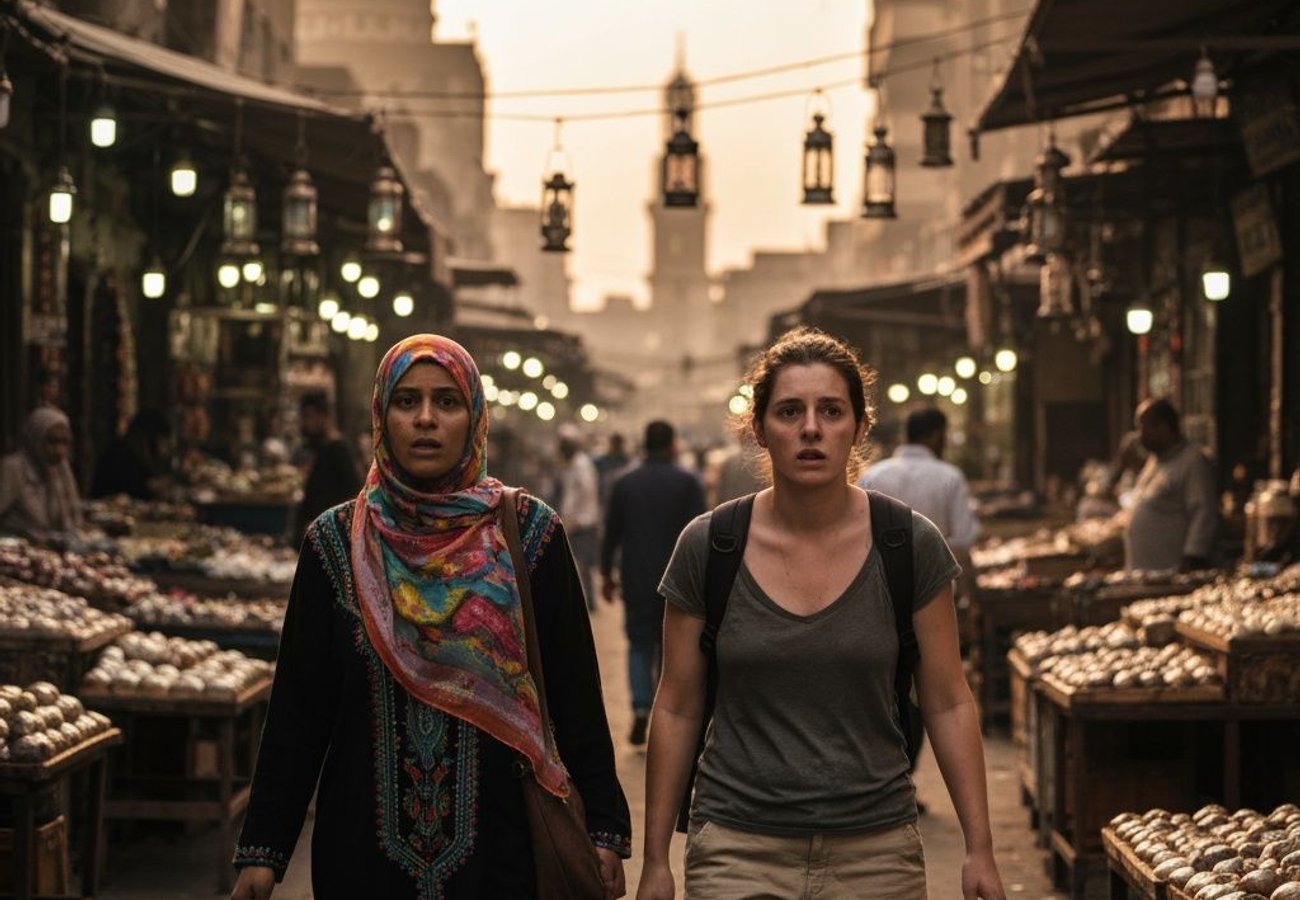
Image generated by AI
A Continental Crisis: How Global Energy Disruptions Are Crippling African Nations
Africa is suffocating. From the pharmaceutical factories of Egypt to the fuel depots of Morocco, a cascading energy and supply chain crisis is strangling economies across the continent. The culprit? A single chokepoint 5,000 miles away—the Strait of Hormuz—where roughly 20% of global oil flows pass through narrow, contested waters.
When that corridor destabilized in February 2026, it triggered a domino effect that has left nations scrambling for medical supplies, crude oil, liquefied natural gas (LNG), and liquefied petroleum gas (LPG). The impact has been swift and devastating: tourism is stalling, pharmaceutical supply chains are collapsing, and governments are burning through strategic reserves just to keep the lights on.
Now, as Iran and Oman prepare to release a joint statement on Strait management, African leaders are watching closely. This diplomatic development could be a lifeline—or it could signal that recovery remains years away.
The Numbers That Tell the Story
The Strait of Hormuz disruption wasn't a minor hiccup. When maritime traffic was interrupted, global crude oil supplies dropped by an estimated 10 million barrels per day. Shipping insurance premiums skyrocketed. Cargo routing became prohibitively expensive. The shockwave rippled across continents in weeks.
For context, the Brent crude price surged above $108 per barrel—far exceeding pre-crisis expectations that governments had budgeted around $60. That gap isn't academic; it's the difference between a functioning economy and one burning through reserves.
Reddit: "My family is in Cairo. Medicine prices have doubled in three months. The pharmacies are turning people away." — r/Africa
The crisis exposed a structural weakness across the continent: African nations are overwhelmingly dependent on imported energy and pharmaceuticals. When global supply chains tighten, there's nowhere to turn.
Egypt's Pharmaceutical Time Bomb
Egypt stands as the most exposed nation in North Africa. Nearly 90% of active pharmaceutical ingredients (APIs) are imported, making the country hostage to international shipping and currency fluctuations.
Hospital shelves are emptying. Manufacturers are rationing production. And Prime Minister Mostafa Madbouly has already moved to emergency measures—slashing procurement payment cycles from 120 days to just 30 days—to push cash to suppliers faster and accelerate critical medical shipments.
But here's the real crisis: when you're dependent on imports and prices are skyrocketing, cutting payment timelines only works if foreign suppliers will extend credit. In a global energy emergency, they often won't.
The Brent crude surge compounds Egypt's burden. Rising fuel import costs are draining foreign exchange reserves, making it harder to afford the very medicines the nation desperately needs.
Morocco's Gamble on Strategic Reserves
Morocco built its entire 2026 fiscal budget around oil at $60 per barrel. That assumption collapsed the moment Hormuz disrupted.
The North African nation is now in a precarious position: it has approximately 51 days of diesel supply in strategic reserves, but at current consumption rates during an energy crisis, that reserve is burning down fast. The government is rationing, subsidizing heavily, and hoping for relief.
What makes Morocco particularly vulnerable is a strategic misstep: the country canceled its planned Nador LNG project, betting it could source cheaper gas from global markets. Today, that LNG must be routed through Spain—adding transportation costs and reducing energy independence.
Manufacturing sectors across the country are facing double-digit cost inflation. Tourism operators are canceling bookings as fuel surcharges make travel prohibitively expensive. The recovery that was supposed to accelerate in 2026 is instead stalling.
South Africa and the Manufacturing Collapse
South Africa's industrial sector—already battered by years of load-shedding and infrastructure challenges—is now facing a perfect storm: rising energy costs, raw material shortages, and logistics expenses that have spiraled out of control.
Manufacturing output is contracting. Businesses are delaying expansion. And the ripple effects are spreading to tourism, where higher operational costs mean fewer visitors from cash-conscious travelers.
The Iran-Oman Wild Card: What's Actually at Stake
Here's what's drawing intense scrutiny from African governments: the anticipated Iran-Oman joint statement on Strait of Hormuz management could reshape regional stability—or it could disappoint entirely.
According to shipping and energy analysts monitoring the situation, the statement is expected to focus on:
- Maritime governance frameworks that establish rules for safe passage
- Crisis communication protocols to prevent escalation from minor incidents
- Navigation safety mechanisms that reduce insurance risk and shipping costs
- Confidence-building measures aimed at stabilizing global energy markets
If successful, such an agreement could gradually lower shipping insurance premiums, stabilize crude oil prices, and allow pharmaceutical supply chains to normalize. For African nations burning reserves and rationing medicines, normalization is survival.
But therein lies the catch: even an agreement takes time to implement. And in Africa, time is running out.
Tourism Recovery Hangs in the Balance
The travel and tourism sectors across Africa are facing a crisis within the crisis. Airlines are reporting fuel surcharges that have pushed ticket prices out of reach for millions. Hotels and tour operators are seeing bookings collapse as consumers pull back. According to industry analysis on aviation fuel impact, jet fuel represents roughly 25-30% of operating costs for international carriers—and with crude elevated, those margins are evaporating.
Safari lodges in Kenya and Tanzania are cutting operations. Beach resorts in Namibia are seeing occupancy rates plummet. Hotel chains across Zimbabwe are delaying renovations and laying off staff.
The irony is brutal: just as these nations were hoping to rebuild post-pandemic tourism economies, a global energy crisis has knocked them backward. And recovery won't come until maritime routes stabilize and fuel costs normalize.
What Policymakers Are Watching
African government officials are tracking several critical indicators:
Timing of the Iran-Oman statement and whether it signals genuine commitment to Strait stability. Global crude and LNG price movements following any diplomatic breakthrough. Shipping insurance rates—a leading indicator of whether markets believe the crisis is easing. Pharmaceutical supply chain recovery in real time, measured by medicine availability and pricing in hospitals.
The stakes are existential. For nations like Egypt, Morocco, and South Africa, the next 90 days will determine whether 2026 becomes a year of gradual recovery or deepening crisis.
The Bottom Line: A Continent Waiting for Relief
Africa didn't create the energy crisis in the Strait of Hormuz, but Africa is paying the steepest price. Governments are burning reserves. Hospitals are rationing medicines. Airlines are hiking prices. Tourists are staying home.
The Iran-Oman statement represents a glimmer of hope—a diplomatic signal that regional powers might prioritize maritime stability over geopolitical brinkmanship. If the statement leads to genuine de-escalation and normalized shipping, relief could arrive within months.
But if it's merely words on paper, African nations will continue their slow march toward deeper crisis: currency devaluations, sectoral collapses, and the kind of social unrest that typically follows economic shock.
The next move belongs to Iran and Oman—and African economies are holding their breath.
Related Travel Guides
Disclaimer
This article is for informational and educational purposes only. It does not constitute legal, financial, or professional advice. While we strive to provide accurate and up-to-date information, travel policies, regulations, and conditions change rapidly. Always verify information with official sources before making travel decisions. Nomad Lawyer makes no representations about the accuracy, reliability, completeness, or suitability of the information provided. Readers should consult qualified professionals for advice specific to their circumstances. The views expressed in this article are those of the author and do not necessarily reflect the views of Nomad Lawyer.
Raushan Kumar
Founder & Lead Developer
Full-stack developer with 11+ years of experience and a passionate traveller. Raushan built Nomad Lawyer from the ground up with a vision to create the best travel and law experience on the web.
Learn more about our team →