
Madison County Alabama Launches 2026 Tourism Overhaul: Science, Sports, and Outdoor Adventures Drive Regional Growth Strategy
Madison County unveils aggressive 2026 tourism campaign blending space exploration, sports events, and outdoor recreation to boost visitor spending and regional economy across northern Alabama.

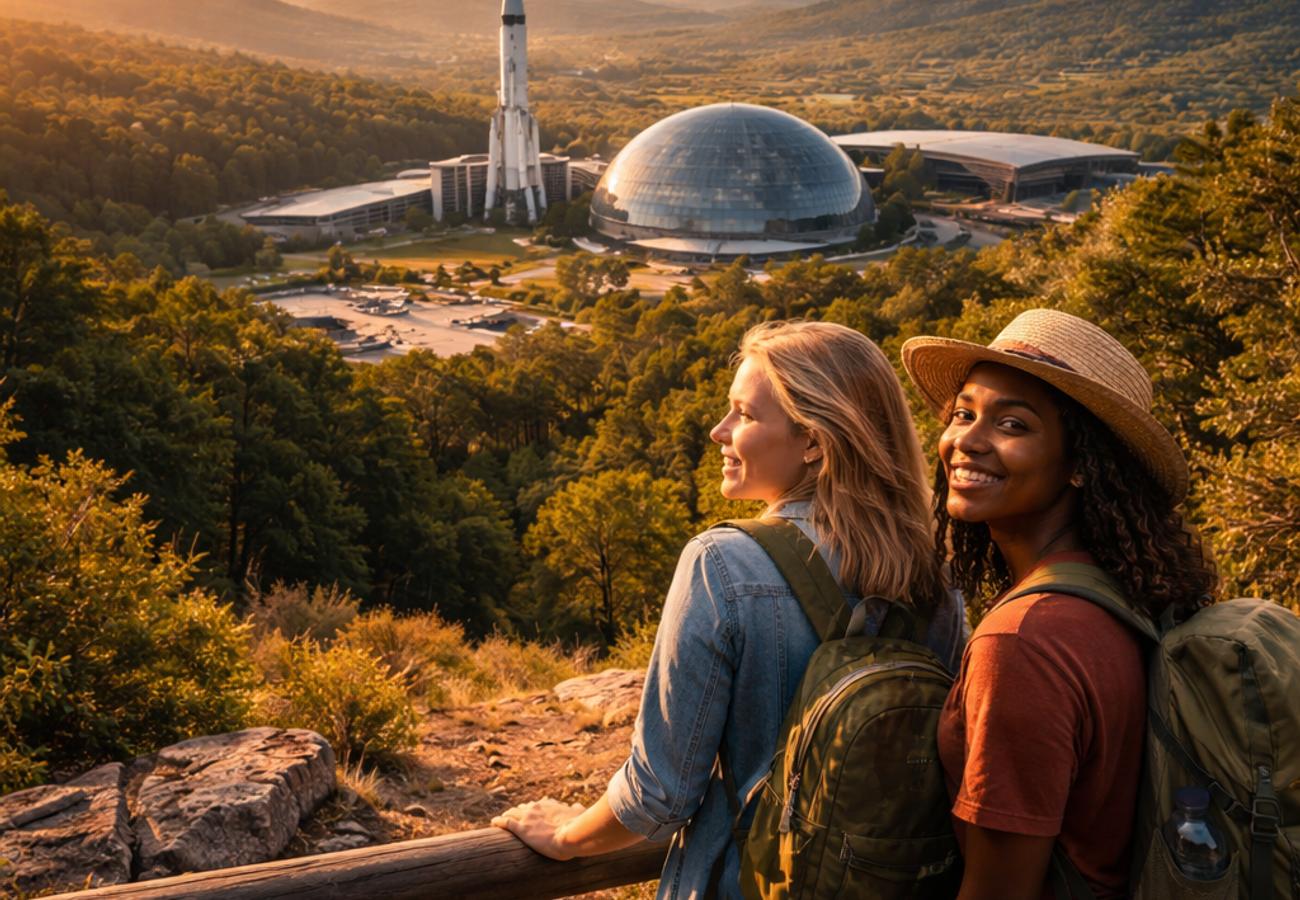
Image generated by AI
A Tourism Turning Point for Northern Alabama
Madison County, Alabama is making its boldest tourism move yet. The region just unveiled an entirely reimagined visitor strategy for 2026 that abandons the old playbook of isolated attraction marketing in favor of immersive, interconnected travel experiences.
This isn't incremental growth. It's a fundamental shift in how the county positions itself on the global travel stage—and the early indicators suggest it's working.
Experience Economy, Not Destinations
The core philosophy driving this campaign is deceptively simple: stop thinking like a tourist board promoting individual attractions. Start thinking like a curator designing complete journeys.
Reddit: "Madison County used to feel like a checklist. Now it feels like an actual trip." — r/travel
Instead of promoting Huntsville's space museums in isolation, the county's tourism authorities are weaving together science attractions, outdoor recreation, cultural landmarks, and sports events into singular, coherent travel narratives. A family doesn't just visit a planetarium. They experience a multi-day journey combining aerospace innovation, nature trails, local dining, and community events.
This experience-driven approach addresses a critical tourism challenge: visitor retention. Single-attraction destinations rarely convert day-trippers into extended stays. Curated experiences do.
Huntsville's Space Tourism Advantage
Huntsville remains the crown jewel anchoring this strategy. The city's deep connection to American space exploration—home to NASA's Marshall Space Flight Center and world-class aerospace exhibits—gives Madison County a globally recognized calling card.
Interactive science centers, aerospace museums, and educational attractions draw families, students, and international travelers specifically seeking space and innovation content. The 2026 campaign amplifies this strength while positioning Huntsville not as a niche space destination but as a science tourism hub with universal appeal.
The marketing challenge was real: how do you move beyond "space nerds only" messaging? The answer: position space exploration as foundational narrative that encompasses education, family bonding, and future-focused innovation that appeals to mainstream travelers.
Nature and Outdoor Recreation as Year-Round Draw
Madison County's natural infrastructure has historically been undersold. The region features parks, walking trails, lakes, and recreational areas that rival better-known outdoor destinations.
The 2026 strategy explicitly targets the wellness and eco-tourism segments—both experiencing explosive growth globally. Seasonal outdoor events and nature-based activities are being promoted to smooth tourism demand across traditionally slower periods.
This geographic diversification matters. Summer visits cluster around space attractions and indoor venues. The outdoor push addresses shoulder seasons when travelers seek hiking, kayaking, and relaxation experiences. Year-round visitation means year-round economic activity for hospitality, retail, and service sectors.
Cultural Tourism and Local Identity
Madison County's cultural calendar—music festivals, heritage events, art programs, community celebrations—gets elevated from nice-to-have to core positioning element.
Cultural experiences create emotional connections that transcend typical tourist transactions. A visitor attending a local music festival or heritage event doesn't just spend money; they develop loyalty and become repeat visitors.
The campaign recognizes that international travelers increasingly seek authentic local experiences over standardized resort experiences. Community engagement, storytelling, and cultural participation are becoming primary travel motivators.
Sports Tourism: The Economic Multiplier
Sports events are the quiet economic powerhouse of modern destination marketing. Madison County hosts tournaments, competitions, and sporting events that generate substantial hotel occupancy and concentrated local spending.
Sports tourism requires less persuasion than leisure tourism. Families attending tournaments arrive with predetermined spending budgets and extended stays. They book hotels, rent cars, eat at restaurants, and purchase retail goods with intention and frequency.
Tourism officials are actively pursuing larger regional and national sporting events as part of long-term growth strategy. Each major tournament signed represents thousands of guaranteed visitor nights and millions in economic activity.
Digital Marketing and International Reach
Here's where the 2026 campaign breaks decisively from traditional destination marketing. Instead of billboard campaigns and print advertising, Madison County is deploying sophisticated digital strategies targeting global audiences at the moment of travel planning.
Video storytelling, social media campaigns, and interactive travel guides are being weaponized to influence decisions before travelers book. The strategy recognizes a fundamental truth: travel decisions are now made through digital research, not print brochures.
This digital-first approach gives a regional destination like Madison County competitive reach against world-famous destinations. An Instagram video showing Huntsville's aerospace exhibits or a curated travel guide highlighting integrated experiences can reach millions of potential visitors globally—something print advertising simply cannot accomplish.
Economic Impact and Community Sustainability
The numbers matter. Tourism drives job creation across hospitality, transportation, and retail sectors. It supports restaurants, hotels, attractions, and small businesses directly dependent on visitor spending.
But the campaign also emphasizes balanced growth. Unchecked tourism can damage community character, strain infrastructure, and create resentment among residents. Madison County's strategy acknowledges that sustainable tourism benefits both visitors and residents while maintaining long-term destination viability.
This represents mature destination thinking. The goal isn't maximum visitor volume—it's optimal visitor quality and sustainable economic activity.
The Competitive Landscape
Madison County faces significant competition from established southeastern destinations: Charleston, Savannah, Nashville, New Orleans. These cities have built powerful destination brands over decades.
The counter-strategy is specialization and authentic differentiation. Instead of trying to out-Charleston Charleston, Madison County leans into what makes it genuinely distinctive: credible space tourism positioning, strong sports infrastructure, authentic cultural character, and diverse outdoor opportunities.
This focused differentiation is stronger than attempting to replicate proven destination formulas.
Looking Forward: 2026 and Beyond
The campaign's success will be measured through specific metrics: visitor arrivals, average length of stay, visitor spending, hotel occupancy rates, and repeat visitation patterns.
Early signals suggest momentum is building. The combination of experience-driven messaging, digital marketing reach, and genuine destination assets creates conditions for meaningful growth. Madison County isn't launching a tourism campaign in 2026—it's repositioning itself as a serious competitor in the southeastern tourism market.
For travelers researching active, diverse, multi-experience destinations offering science, culture, nature, and sports, Madison County is suddenly appearing on consideration sets where it previously didn't register.
The county has positioned itself not as a single-attraction destination but as a complete travel ecosystem. That distinction could reshape northern Alabama's economic trajectory for the next decade.
Tourism strategy works when visitors arrive intending to stay for one attraction and leave planning their next visit.
Related Travel Guides
Air India Routes Temporarily Suspended: Three U.S. Destinations Cut Amid Fuel Crisis
Disclaimer
This article is for informational and educational purposes only. It does not constitute legal, financial, or professional advice. While we strive to provide accurate and up-to-date information, travel policies, regulations, and conditions change rapidly. Always verify information with official sources before making travel decisions. Nomad Lawyer makes no representations about the accuracy, reliability, completeness, or suitability of the information provided. Readers should consult qualified professionals for advice specific to their circumstances. The views expressed in this article are those of the author and do not necessarily reflect the views of Nomad Lawyer.
Preeti Gunjan
Contributor & Community Manager
A passionate traveller and community builder. Preeti helps grow the Nomad Lawyer community, fostering engagement and bringing the reader experience to life.
Learn more about our team →