
UK, France, Germany Launch Emergency Maritime Rescue as Strait of Hormuz Crisis Strands Thousands of Vessels in 2026
Eight nations coordinate urgent rescue operation as Strait of Hormuz collapses into high-risk zone, stranding thousands of vessels and disrupting global cruise and shipping routes.

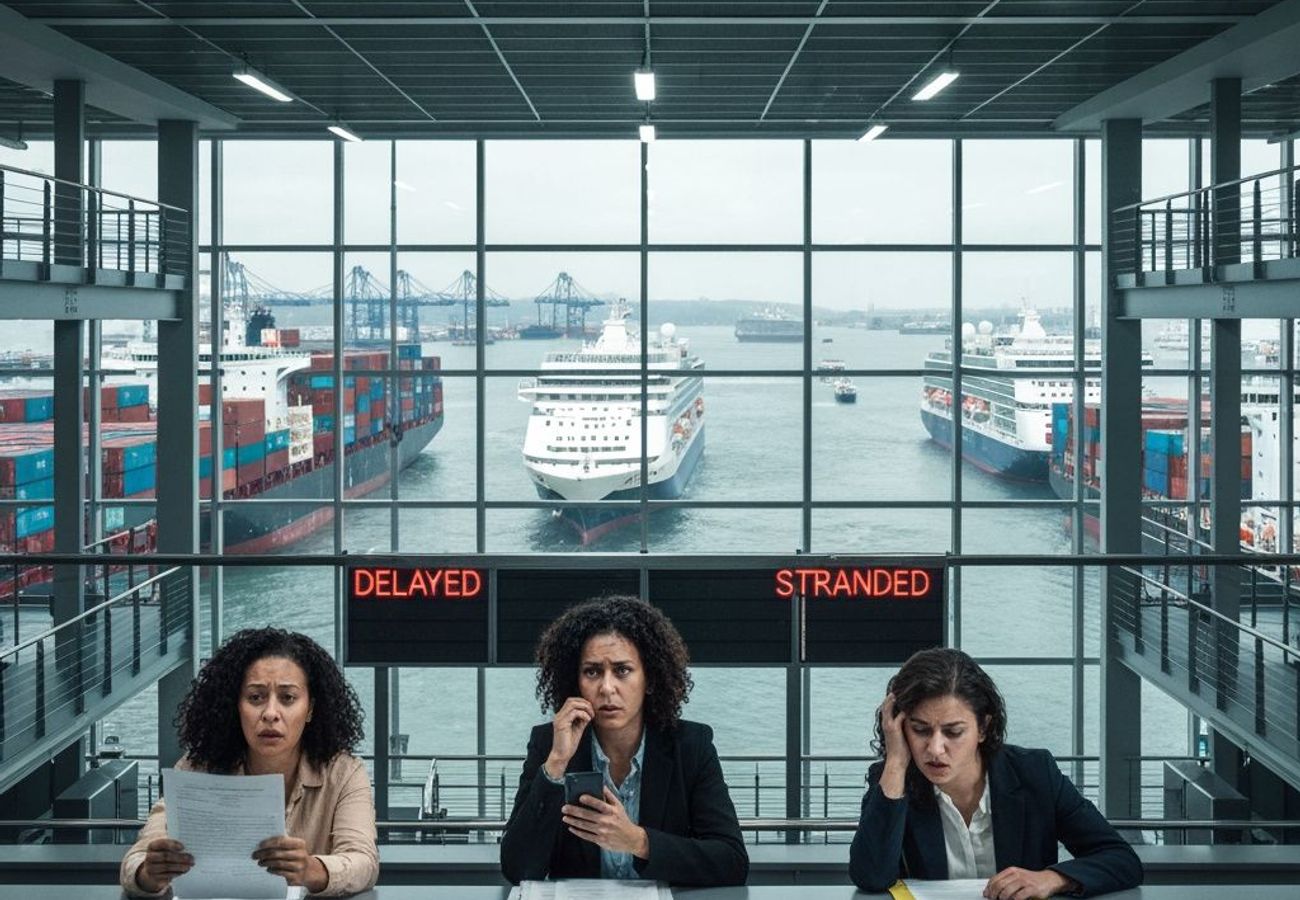
Image generated by AI
The Crisis Unfolds: When a Critical Waterway Becomes a Travel Disaster Zone
The Strait of Hormuz just became ground zero for one of the worst maritime emergencies in recent memory. On June 14, 2026, eight major world powers—the United Kingdom, France, Germany, Singapore, Australia, South Africa, Egypt, and multiple allied nations—launched a coordinated emergency rescue operation to handle thousands of stranded vessels, paralyzed shipping lanes, and unprecedented disruption to global cruise and passenger routes.
What started as regional tensions has escalated into a full-blown international crisis affecting energy logistics, commercial shipping, and travel networks worldwide. Thousands of cargo ships, oil tankers, and passenger vessels are now anchored across the Gulf region, waiting for clearance that may not come for weeks.
This isn't just shipping news—it's a travel catastrophe with direct implications for nomadic travelers, cruise passengers, and anyone relying on maritime commerce.
Why the Strait of Hormuz Matters (And Why Its Collapse Matters More)
The Strait of Hormuz connects the Persian Gulf to the Arabian Sea and the Gulf of Oman. It's a 21-mile-wide maritime chokepoint that handles roughly 20% of global crude oil flow and massive quantities of liquefied natural gas. For context: hundreds of ships transit this waterway daily under normal conditions.
Reddit: "I had a cruise scheduled through the Gulf in July. Just got notified my entire itinerary is rerouted to the Mediterranean. Lost $3K on my original booking. This is insane." — r/cruisejunkie
Today, that normal flow has been reduced to a fraction of capacity. The situation is characterized by:
- Severe security escalation and heightened naval monitoring from multiple nations
- Selective vessel clearance procedures that create unpredictable delays
- Rising maritime strike risks and navigational hazards
- Insurance withdrawal or extreme premium hikes making passage prohibitively expensive
- Sudden fleet rerouting adding weeks to global shipping timelines
The result? A maritime gridlock that's forcing cruise operators, cargo companies, and energy traders to completely reimagine their route strategies.
Germany Takes Command: Satellite Tracking and Real-Time Vessel Monitoring
Germany has emerged as the operational leader of the multinational response, deploying sophisticated maritime surveillance systems and logistics intelligence networks across the Gulf region.
Germany's strategic role includes:
- Satellite tracking systems identifying safe navigation corridors through congested waters
- Real-time vessel monitoring integrated with global port authority networks
- Maritime risk data analysis supporting rerouting decisions and convoy planning
- Coordination with European shipping insurers to stabilize underwriting frameworks
German officials are facing mounting domestic pressure: manufacturing sectors dependent on imported Gulf energy are experiencing severe volatility. Supply chain costs are skyrocketing as industrial shipments face multi-week delays.
France Mobilizes Naval Operations and Evacuation Protocols
France is contributing naval coordination efforts and emergency evacuation planning for stranded crew members across the crisis zone.
French contributions focus on:
- Naval advisory coordination in international waters beyond territorial claims
- Evacuation protocol support for crews trapped on delayed vessels
- Crisis communication channels to European shipping operators
- Mediterranean cruise scheduling adjustments to compensate for rerouted vessels
The impact on French energy markets is immediate: refined fuel distribution chains are stressed as tanker arrivals slip by weeks. Major cruise operators based in French Mediterranean ports are scrambling to reschedule itineraries, creating cascading cancellations affecting thousands of European passengers.
United Kingdom Stabilizes Maritime Finance and Insurance Markets
The UK has positioned itself as the anchor of maritime finance, deploying emergency insurance frameworks to prevent market collapse as vessel risk premiums explode.
UK shipping stabilization measures:
- Emergency underwriting frameworks for vessels transiting Gulf waters
- Risk classification protocols identifying safe versus high-risk passage routes
- London maritime hub coordination with global shipping companies and traders
- Fuel price stabilization initiatives to prevent energy market shock
UK fuel pricing remains extraordinarily sensitive to global oil volatility. Port logistics at Southampton, Liverpool, and Felixstowe are under unprecedented stress as rerouted cargo creates unexpected congestion.
Singapore Redirects Global Shipping Traffic Through Southeast Asia
Singapore, the world's second-busiest port, is absorbing massive volumes of diverted traffic as vessels reroute away from the Hormuz bottleneck.
Singapore's response strategy includes:
- Global port coordination for vessels diverted from Middle Eastern routes
- Digital tracking systems monitoring real-time shipping flow disruptions
- Emergency cargo redistribution infrastructure
- Alternative route optimization connecting Asian markets to European and African partners
The pressure is immense. Singapore's port authority reported unprecedented congestion as diverted ships stack up, creating secondary delays across the entire Pacific and Indian Ocean shipping network.
Australia Secures Energy Supply and Maritime Safety
Australia, heavily dependent on Gulf energy imports and LNG logistics, is taking direct action to secure energy supplies and monitor maritime safety for Pacific-bound vessels.
Australian crisis management includes:
- LNG shipment monitoring across Gulf-dependent trade routes
- Maritime safety advisories for vessels bound for Australian ports
- Regional energy security coordination with Asian import partners
- Price volatility hedging to protect Australian fuel markets
Australia faces indirect LNG pricing fluctuations that threaten long-term energy agreements with Asian buyers. The delayed shipments are creating forecast uncertainty across the continent's industrial sectors.
South Africa's Cape Route Becomes the Critical Alternative
South Africa is emerging as a lifeline for global shipping, offering the Cape of Good Hope as an alternative maritime passage for vessels avoiding Hormuz entirely.
South African strategic contributions:
- Alternative route support for vessels bypassing the Hormuz bottleneck
- Port expansion at Durban and Cape Town to handle rerouted traffic
- Maritime logistics coordination across the Indian and Atlantic Oceans
- Extended shipping corridor management
The trade-off is brutal: vessels rerouting around Africa add 6,000 additional nautical miles to their journeys. Extended transit times mean higher fuel consumption, increased crew costs, and cascading delays across global supply chains. Research from the International Maritime Organization indicates such rerouting adds 10-14 days to typical Gulf-Europe shipping timelines.
Egypt Manages Suez Canal Pressure as Rerouted Traffic Surges
Egypt's control of the Suez Canal makes it a critical pressure point as rerouted shipping pivots toward alternative passages.
Egypt's operational responsibilities:
- Monitoring increased vessel inflow from diverted Gulf traffic
- Canal scheduling adjustments to prevent secondary bottlenecks
- Global shipping operator coordination for passage scheduling
- Alternative route traffic balancing to prevent cascade failures
The Suez Canal already handles roughly 12% of global trade. Adding diverted Hormuz traffic creates unprecedented scheduling complexity and risks creating a secondary crisis if congestion overwhelms Egyptian canal management capacity.
The Human Cost: What This Means for Travelers and Passengers
This isn't an abstract shipping story. Real people are affected right now.
Cruise passengers are facing cancellations or 2,000+ mile reroutes through unfamiliar waters. Cargo shipments destined for retail shelves are delayed by weeks. Families expecting energy deliveries are facing price spikes. Business travelers depending on reliable international maritime logistics are experiencing unprecedented disruption.
Reddit: "My container ship carrying automotive parts just got diverted to the Cape route. We're talking a month-long delay instead of 2 weeks. Our manufacturing line is shutting down. This is catastrophic." — r/logistics
What Happens Next? The Path to Stabilization
The eight-nation coalition is working on multiple simultaneous tracks:
Immediate phase: Rescue stranded crews, clear navigation hazards, establish temporary safe corridors.
Medium-term phase: Negotiate passage agreements, establish convoy systems, rebuild insurance confidence.
Long-term phase: Restore normal flow, rebuild supply chain resilience, prevent future crises through international maritime frameworks.
The multinational response is being coordinated through real-time intelligence sharing, satellite monitoring, naval coordination, and diplomatic pressure on all parties to permit controlled maritime passage.
But here's the hard truth: even with eight major nations coordinating rescue efforts, normalizing the Strait of Hormuz will take weeks—not days. The global cruise industry, shipping networks, and energy markets are in for a long, volatile recovery period.
The Strait of Hormuz crisis just rewrote the playbook for global travel and maritime logistics. Stay informed—your next trip or shipment depends on it.
Related Travel Guides
Disclaimer
This article is for informational and educational purposes only. It does not constitute legal, financial, or professional advice. While we strive to provide accurate and up-to-date information, travel policies, regulations, and conditions change rapidly. Always verify information with official sources before making travel decisions. Nomad Lawyer makes no representations about the accuracy, reliability, completeness, or suitability of the information provided. Readers should consult qualified professionals for advice specific to their circumstances. The views expressed in this article are those of the author and do not necessarily reflect the views of Nomad Lawyer.
Kunal K Choudhary
Co-Founder & Contributor
A passionate traveller and tech enthusiast. Kunal contributes to the vision and growth of Nomad Lawyer, bringing fresh perspectives and driving the community forward.
Learn more about our team →