
Afghanistan Tourism Gains Momentum As Taliban Reports Thirty Percent Foreign Visitor Rise Attracting Global Travellers
Afghanistan Tourism Gains Momentum As Taliban Reports Thirty Percent Foreign Visitor Rise Attracting Global Travellers

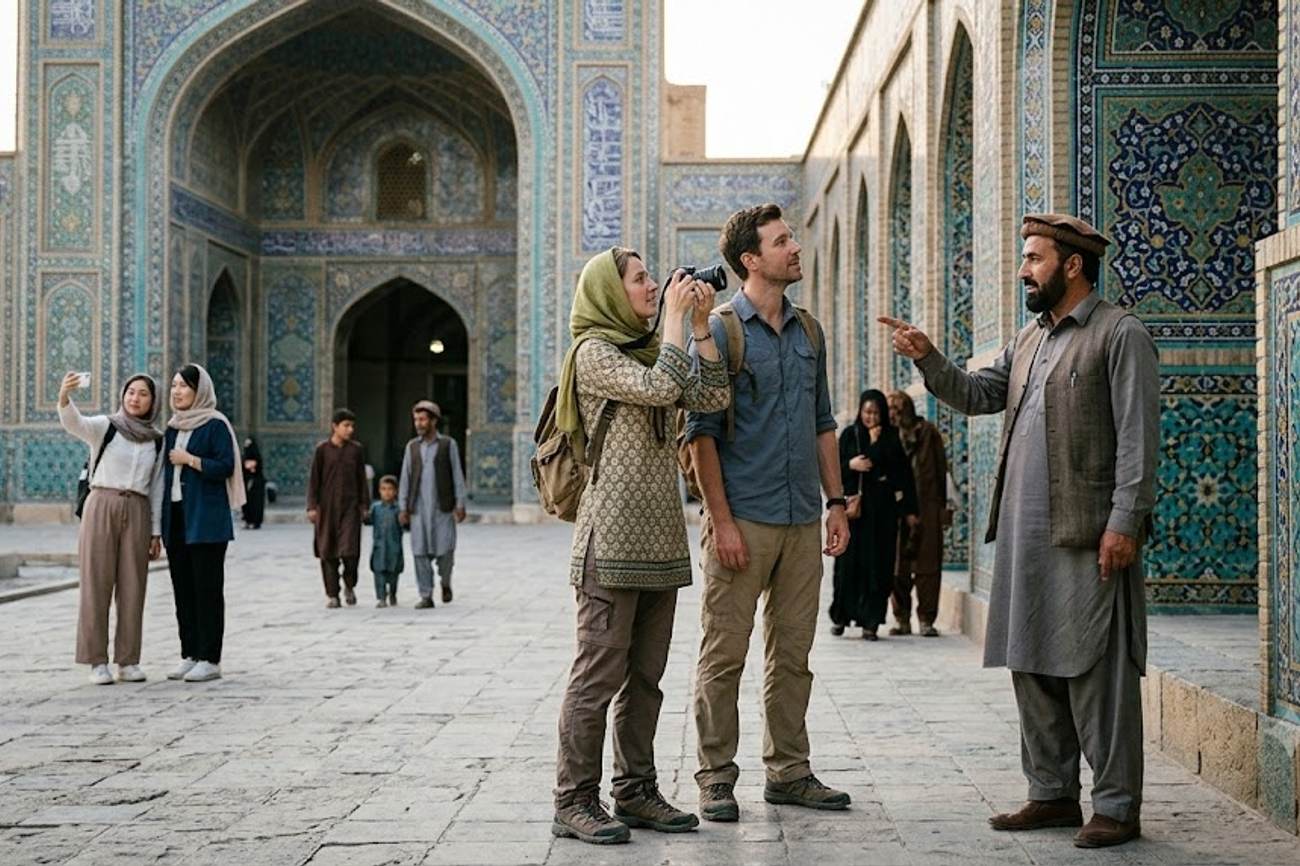
Image generated by AI
Despite decades of conflict, foreign visitor numbers to Afghanistan have reportedly surged by 30% over the last three years. This spike comes at a time when the current administration is aggressively promoting a narrative of stability, attempting to pivot the global perception of the country from a war zone to a viable destination for intrepid cultural explorers.
The Shift Toward Structured Exploration
For years, visiting Afghanistan was the domain of the truly daring or the professionally connected. Now, there is a visible move toward formalizing the visitor experience. The General Directorate of State-Owned Companies is actively pushing for a more organized tourism framework, moving away from the haphazard arrangements of the past. This shift is most evident in the rise of specialized agencies, such as Afghan Tour UAE, which act as intermediaries for international arrivals.
These agencies are no longer just providing a driver; they are coordinating entire ecosystems of travel. This includes the procurement of vetted local guides, the securing of hotel bookings in a fragmented hospitality market, and the organization of complex transport logistics across provinces. The goal is to replace the uncertainty of solo travel with a structured support system that makes the country's historical landmarks and rugged terrains accessible to a broader demographic of travelers.
The administration views this growth not just as a revenue stream, but as a diplomatic tool. By facilitating the arrival of foreign nationals, they aim to signal a return to normalcy and a willingness to engage with the outside world through the lens of heritage and nature. While the government has not released specific country-of-origin data or raw arrival numbers, the reported 30% increase suggests a growing appetite among a specific niche of global travelers who prioritize authenticity and rarity over luxury.
What Makes Afghanistan Different
Afghanistan is not a destination for the casual tourist; it is a destination for the historian, the mountaineer, and the student of human civilization. The country serves as the ancestral crossroads of the Silk Road, where Greek, Persian, and Indian influences collided and fused. This is a place where you can stand in the ruins of ancient cities that once dictated the flow of global trade, or explore archaeological sites that date back millennia.
The geography itself is a primary draw. The towering peaks of the Hindu Kush provide a stark, dramatic backdrop to the cultural hubs of the cities. For those interested in the intersection of nature and history, the contrast between the high-altitude mountain passes and the intricate architecture of the urban centers is jarring and beautiful. Unlike the polished tourism circuits of neighboring Central Asian republics, Afghanistan offers a raw, unmediated encounter with its own past.
The experience here is defined by a profound sense of hospitality that persists regardless of political climate. The local culture places an immense value on the guest, often treating foreign visitors with a level of generosity that is rare in more commercialized destinations. This human element, combined with the sheer scale of the UNESCO World Heritage sites scattered across the region, creates an experiential depth that few other places on earth can match.
Visitor Insider Tips
Navigating Afghanistan requires a mindset shift. This is not a place for spontaneous itineraries; it is a place for careful coordination.
Timing and Logistics The window for visiting is narrow. Spring (March to May) and Autumn (September to November) are the only viable times for extensive travel. Summer heat in the lowlands is oppressive, and winter in the highlands can render roads impassable due to snow. To avoid the heaviest crowds at major sites, aim for the shoulder seasons of late April or early October.
Local Etiquette and Dress Respect for local norms is the most critical component of a safe trip. For men, avoid shorts and opt for long trousers and modest shirts. For women, the requirements are stricter; a headscarf and loose-fitting, full-coverage clothing (such as an abaya) are essential. When interacting with locals, remember that the culture is deeply conservative. Always ask for permission before taking photographs of people, especially women, and avoid discussing sensitive political topics unless your guide suggests it is appropriate.
Regional Specialties Do not leave without trying Kabuli Pulao—the national dish of steamed rice with carrots, raisins, and tender lamb. In the tea houses (chai khanas), order the green tea and enjoy the slow pace of local life. These spaces are the social heart of the community and offer the best opportunity to observe the local rhythm.
Transport Hacks While the administration is promoting new services, the internal infrastructure remains fragile. Always book your transport through a reputable agency rather than attempting to find rides on the street. Ensure your driver has a reliable 4x4 vehicle, as many of the most stunning cultural sites are accessible only via unpaved, mountainous roads. For those planning their entry, checking current requirements via the official tourism portals of neighboring transit hubs like Dubai or Istanbul is often the best way to gauge the current ease of transit.
Cultural and Environmental Context
The resurgence of tourism in Afghanistan exists in a delicate balance. On one hand, the influx of foreign currency provides a vital lifeline to local communities. Guides, hotel owners, and transport providers in remote provinces often rely on tourism as their primary source of income, creating a direct economic link between the visitor and the village.
However, this growth brings significant challenges. The country’s infrastructure is struggling to keep pace with the reported 30% increase in visitors. There is a chronic shortage of globally recognized hospitality standards, and the pressure on archaeological sites can lead to degradation if not managed with strict conservation protocols.
Furthermore, there is a tension between the desire for economic openness and the strict social policies of the current administration. Tourism acts as a window for the world to see Afghanistan, but it also forces a negotiation between the liberal expectations of international travelers and the traditionalist values of the local population. The sustainability of this growth depends on whether the administration can maintain security while slowly improving the transparency of their tourism data and infrastructure.
FAQ: Visiting Afghanistan 2025
What is the best time to visit? The ideal windows are spring (March to May) and autumn (September to November). These periods offer the most temperate weather and the best accessibility to the mountainous regions and rural archaeological sites.
Do I need a visa? Yes, a visa is mandatory for all foreign nationals. It is highly recommended to process your visa through an Afghan embassy or consulate in a major hub like Dubai or Islamabad before attempting to enter the country.
How do I get there from a major hub? Most international travelers fly into Kabul from hubs such as Dubai, Istanbul, or Doha. From Kabul, internal travel is typically managed via private 4x4 vehicles arranged by licensed tour operators.
Is it safe for solo travelers? Solo travel is strongly discouraged. Due to security perceptions and the complexity of local logistics, it is essential to travel with a professional guide and a structured itinerary provided by a recognized tourism agency.
A journey here is less about the destination and more about witnessing the resilience of a culture that refuses to be erased.
#AfghanistanTravel2025 #HinduKushExploration #SilkRoadHeritage #KabulTourism #CentralAsiaAdventure
Related Travel Guides
- Nevada Stands Alongside California And More US Travel Destinations As Over 30% Oil Price Climb Transforms Tourism Patterns
- US Overtakes Others as Global City Rankings Reveal New Momentum for Tourism and Urban Travel in 2026
- South Korea Busan Beaches Welcome Record Over Twenty Two Million Travellers Driving Historic Coastal Tourism Growth
Disclaimer
This article is for informational and educational purposes only. It does not constitute legal, financial, or professional advice. While we strive to provide accurate and up-to-date information, travel policies, regulations, and conditions change rapidly. Always verify information with official sources before making travel decisions. Nomad Lawyer makes no representations about the accuracy, reliability, completeness, or suitability of the information provided. Readers should consult qualified professionals for advice specific to their circumstances. The views expressed in this article are those of the author and do not necessarily reflect the views of Nomad Lawyer.
Raushan Kumar
Founder & Lead Developer
Full-stack developer with 11+ years of experience and a passionate traveller. Raushan built Nomad Lawyer from the ground up with a vision to create the best travel and law experience on the web.
Learn more about our team →