
Philippines, Indonesia, Mozambique, and Madagascar Redefine Affordable Beach Escapes, Offering Sustainable Ocean Adventures Away from Overcrowded Coastal Hotspots: New Travel Alert
Emerging destinations like the Philippines, Indonesia, Mozambique, and Madagascar offer affordable beach escapes, avoiding crowds in Thailand and Mexico.

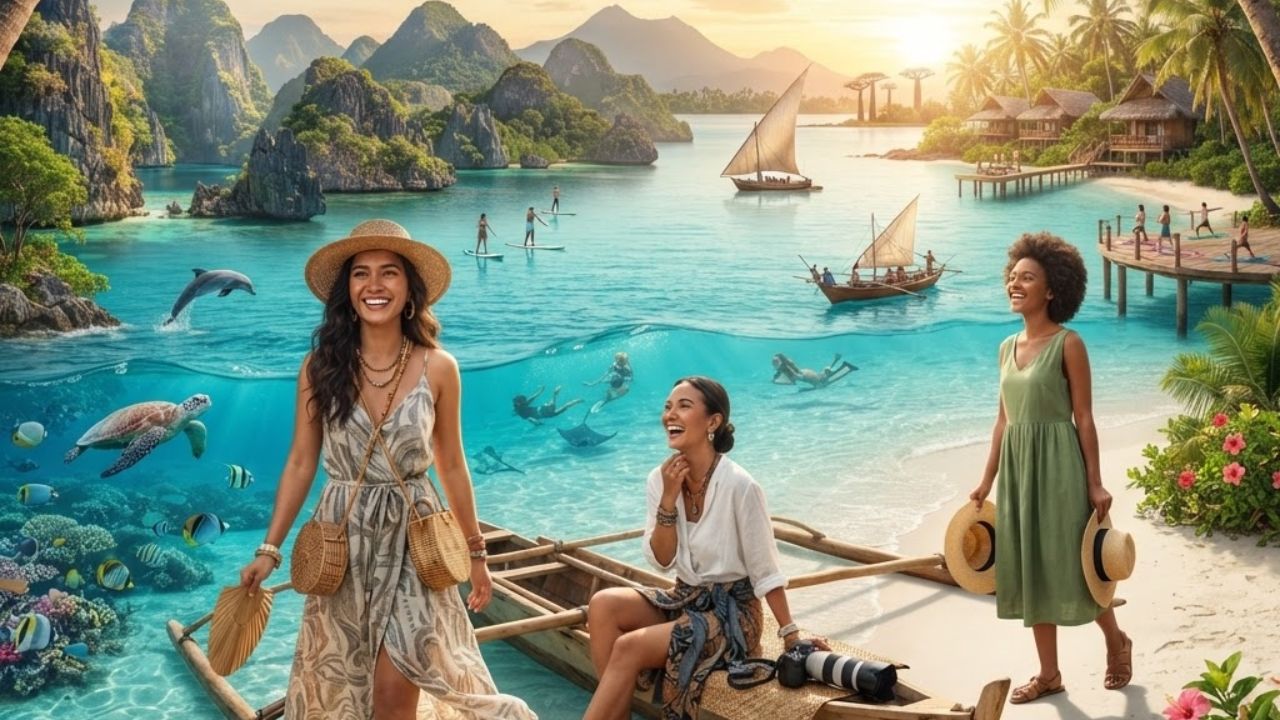
Image generated by AI
Published on July 23, 2026
The tourism administrations of the Philippines, Indonesia, Mozambique, and Madagascar have highlighted their emerging coastal destinations to meet the growing global demand for affordable beach escapes. As international tourists look beyond traditional, heavily commercialized coastlines, these countries are positioning their pristine shores as sustainable alternatives for authentic nature travel. Visitors searching for snorkeling, diving, and community-based experiences are encouraged to research local environmental guidelines, choose responsible accommodations, and support marine conservation efforts.
Quick Summary
- Shift in Beach Travel: Modern travelers are turning away from overcrowded coastal hubs due to overtourism, rising costs, and environmental pressures.
- Island Variety & Biodiversity: The Philippines and Indonesia offer thousands of islands featuring limestone lagoons, coral reefs, and traditional villages.
- African Coastal Gems: Mozambique and Madagascar provide untouched Indian Ocean coastlines, marine reserves, and unique endemic land wildlife.
- Sustainable Eco-Lodges: Development focuses on low-impact, community-based lodgings that protect marine habitats and support local economies.
Context and Background: Shifting Trends Toward Affordable Beach Escapes
The rise of these emerging coastal destinations represents a major shift in international travel preferences toward sustainability and authenticity. For decades, globally recognized hotspots dominated the beach tourism market, but commercial congestion, infrastructure limits, and rising costs have led travelers to seek quieter options. This trend is supported by programs from the United Nations Environment Programme (UNEP) that encourage marine habitat protection and sustainable coastal development.
By promoting less crowded coastal environments, destination managers aim to protect fragile marine corridors while distributing tourism benefits to local communities. The Philippine Department of Tourism and the Ministry of Tourism of Indonesia are actively developing guidelines to manage visitor capacity in delicate reef zones. This focus on environmental preservation supports affordable beach escapes while ensuring that coastal tourism remains viable for future generations.
Event and Incident Details: Core Highlights of Emerging Coastal Alternatives
Emerging beach destinations offer exceptional biodiversity, relaxed settings, and outdoor recreation that emphasize nature over luxury infrastructure. Visitors can explore dramatic limestone cliffs, tropical dry forests, and extensive marine reserves that support species like whale sharks, dolphins, and lemurs. The lack of large commercial complexes allows travelers to experience daily local life and appreciate pristine landscapes in a quiet environment.
To help travelers understand why beachgoers are looking elsewhere, the table below outlines the concerns associated with traditional coastal hotspots:
| Popular Destination | Country | Common Visitor Concerns | Emerging Travel Trend & Alternative |
|---|---|---|---|
| Phuket | Thailand | Heavy crowds, busy beaches, commercial tourism | Seeking quieter islands like Lombok or Nusa Islands |
| Tulum | Mexico | Rising costs, infrastructure pressure | Preference for authentic coastal towns and eco-lodges |
| Mykonos | Greece | Premium pricing, high congestion | Interest in affordable, nature-focused Mediterranean alternatives |
| Cancún | Mexico | Large resort concentration, crowded shores | Demand for remote island escapes and marine reserves |
| Waikiki | United States | Urban congestion, vehicle traffic | Preference for remote island environments with low density |
Specifically, visitors can expect several key highlights through the program:
- Diverse Island Ecosystems: Over 7,000 islands in the Philippines and 17,000 in Indonesia, offering endless limestone lagoons and coral reefs.
- Pristine Marine Wildlife Encounters: Spotting whale sharks, dolphins, and migrating whales in Mozambique's reserves and Madagascar's channels.
- Community-Led Eco-Lodges: Sustainable, lower-cost accommodations that benefit local economies and reduce visitor impact.
- Uncrowded Adventure Sports: Excellent uncrowded diving, snorkeling, sailing, and volcanic trekking opportunities.
In the Philippines, destinations like Palawan, Siargao, Bohol, and Coron offer diving and island hopping among limestone cliffs. In Indonesia, alternatives like Lombok, Raja Ampat, Flores, and the Nusa Islands offer coral reefs and traditional village tourism. In Africa, Mozambique's Bazaruto and Quirimbas archipelagos provide sailing and diving in marine reserves, while Madagascar's Nosy Be and Île Sainte-Marie combine white-sand beaches with rainforest and lemur safaris.
Risk and Impact: Managing Over-sharing and Local Eco-Systems
To protect these sensitive coastal destinations, travelers must be mindful of environmental risks and local guidelines:
- Impact of Rapid Social Media Exposure: Viral sharing of hidden gems can lead to sudden, unmanaged tourism spikes that strain local resources.
- Delicate Marine Habitats: Coastal ecosystems are highly vulnerable to anchor damage, plastic pollution, and irresponsible snorkeling.
- Limited Medical and Transit Services: Remote islands in Madagascar and Mozambique may have minimal infrastructure and medical support.
- Conservation Funding Gaps: Protecting extensive marine areas requires consistent local management and visitor compliance.
- Varying Seasonal Weather: Tropical environments are subject to monsoons and storms, requiring flexible travel schedules.
By selecting eco-conscious tour operators and avoiding single-use plastics, visitors help protect marine reserves from degradation and support local conservation efforts.
What Authorities Are Saying: Promoting Responsible Marine and Coastal Travel
Tourism boards and wildlife protection agencies emphasize that the growth of these destinations must prioritize environmental protection. Regional directors state that sustainable development is essential for preserving the marine biodiversity that attracts visitors. They highlight that community tourism programs ensure local residents directly benefit from visitor spending, discouraging destructive fishing practices.
Conservation managers advise travelers to follow local regulations, such as avoiding feeding marine wildlife or touching coral formations. They stress that visitor management is necessary to prevent the overcrowding issues observed in commercial resort hubs. By promoting responsible travel, authorities aim to protect these natural habitats while supporting sustainable economic growth.
Practical Traveler Advice: Planning Your Affordable Beach Escapes
For independent travelers and nature lovers planning a trip to these emerging destinations, travel coordinators recommend the following tips:
- Research Local Entry Permits: Check if remote marine sanctuaries like Raja Ampat require special visitor permits or conservation fees.
- Practice Reef-Safe Snorkeling: Use biodegradable sunscreen and avoid standing on or touching fragile coral formations.
- Book Community Homestays: Choose locally owned guesthouses to support native communities and keep your costs low.
- Respect Wildlife Codes: Keep a safe distance during whale shark or lemur viewings and do not feed wild animals.
- Plan for Limited Connectivity: Carry cash and offline maps, as internet services can be spotty on remote islands.
Broader Context: Moving Beyond Traditional Luxury Beach Resorts
The shift toward emerging beach destinations reflects a growing travel trend where visitors prioritize personal discovery and environmental quality over commercial luxury. Many travelers now value clean water, cultural authenticity, and natural scenery over premium resort amenities. This movement supports local conservation efforts by demonstrating that preserved natural landscapes have high economic value.
Furthermore, these destinations allow travelers to enjoy longer stays and more immersive experiences due to lower local costs. By choosing uncrowded coastlines, visitors can experience regional gastronomy, local traditions, and outdoor recreation in a relaxed and authentic setting.
Looking Ahead: Strengthening Sustainable Development and Marine Protection
Over the next few years, local governments and environmental organizations plan to expand protected marine zones and invest in eco-friendly tourism infrastructure. Upcoming projects focus on upgrading waste management, improving community-led guide services, and expanding solar energy installations on remote islands. These developments aim to support responsible tourism while keeping environmental impacts to a minimum.
Tourism authorities also plan to develop marketing campaigns that highlight conservation-focused travel. By educating visitors on environmental responsibility, these nations aim to build resilient tourism sectors that protect their unique natural and cultural heritage.
Conclusion: Emphasizing Preparedness and Vigilance
In conclusion, emerging destinations like the Philippines, Indonesia, Mozambique, and Madagascar offer a rewarding, sustainable, and affordable alternative for beach vacations. However, visiting these remote coastlines requires careful preparation, respect for local cultures, and commitment to environmental protection. By planning ahead, supporting local businesses, and practicing responsible travel, visitors can enjoy a memorable and impactful ocean adventure.
FAQ: Navigating Emerging Beach Destinations
Why are travelers choosing emerging beach destinations?
Many travelers seek uncrowded shores, authentic cultural experiences, and better value for money while avoiding the overtourism and high prices of commercial hotspots.
What are the top alternatives to Bali in Indonesia?
Lombok, Raja Ampat, Flores, and the Nusa Islands offer exceptional beaches and marine biodiversity with lower visitor density than Bali.
What wildlife experiences are available in Madagascar?
Madagascar combines coastal tourism with unique rainforest safaris, lemur watching, and seasonal whale watching in its protected marine channels.
Is sustainable travel more expensive in these regions?
No. Choosing locally owned guesthouses and community tours supports the local economy and is often much more affordable than staying in commercial luxury resorts.
How can travelers help protect marine reserves?
Visitors can practice reef-safe snorkeling, avoid using single-use plastics, choose certified eco-tours, and respect local wildlife observation guidelines.
Related Travel Guides
- Greece Promotes Authentic Greek Island Experiences at Lefkada's Gyra Beach, Unveiling a Serene Sunset Escape with Scenic Lagoon Views: New Travel Alert
- California Unveils Authentic Wine Country Travel in California at Sonoma Plaza, Combining Historic Landmarks, Boutique Tasting Rooms, and Local Markets: New Travel Alert
- Colombia Promotes Southern Caribbean Beaches from Arboletes to Tolú, Aligning with Regional Eco-Initiatives to Offer Sustainable and Affordable Caribbean Travel Alternatives: New Travel Alert
Disclaimer
This article is for informational and educational purposes only. It does not constitute legal, financial, or professional advice. While we strive to provide accurate and up-to-date information, travel policies, regulations, and conditions change rapidly. Always verify information with official sources before making travel decisions. Nomad Lawyer makes no representations about the accuracy, reliability, completeness, or suitability of the information provided. Readers should consult qualified professionals for advice specific to their circumstances. The views expressed in this article are those of the author and do not necessarily reflect the views of Nomad Lawyer.
Kunal K Choudhary
Co-Founder & Contributor
A passionate traveller and tech enthusiast. Kunal contributes to the vision and growth of Nomad Lawyer, bringing fresh perspectives and driving the community forward.
Learn more about our team →