
Addis Ababa Modernises Sub-Saharan Africa’s First Urban Light Rail to Boost 2026 Cultural Tourism
Ethiopia is upgrading the Addis Ababa Light Rail Transport (AALRT) with new signalling and maintenance to improve visitor access to historic landmarks and cultural districts.

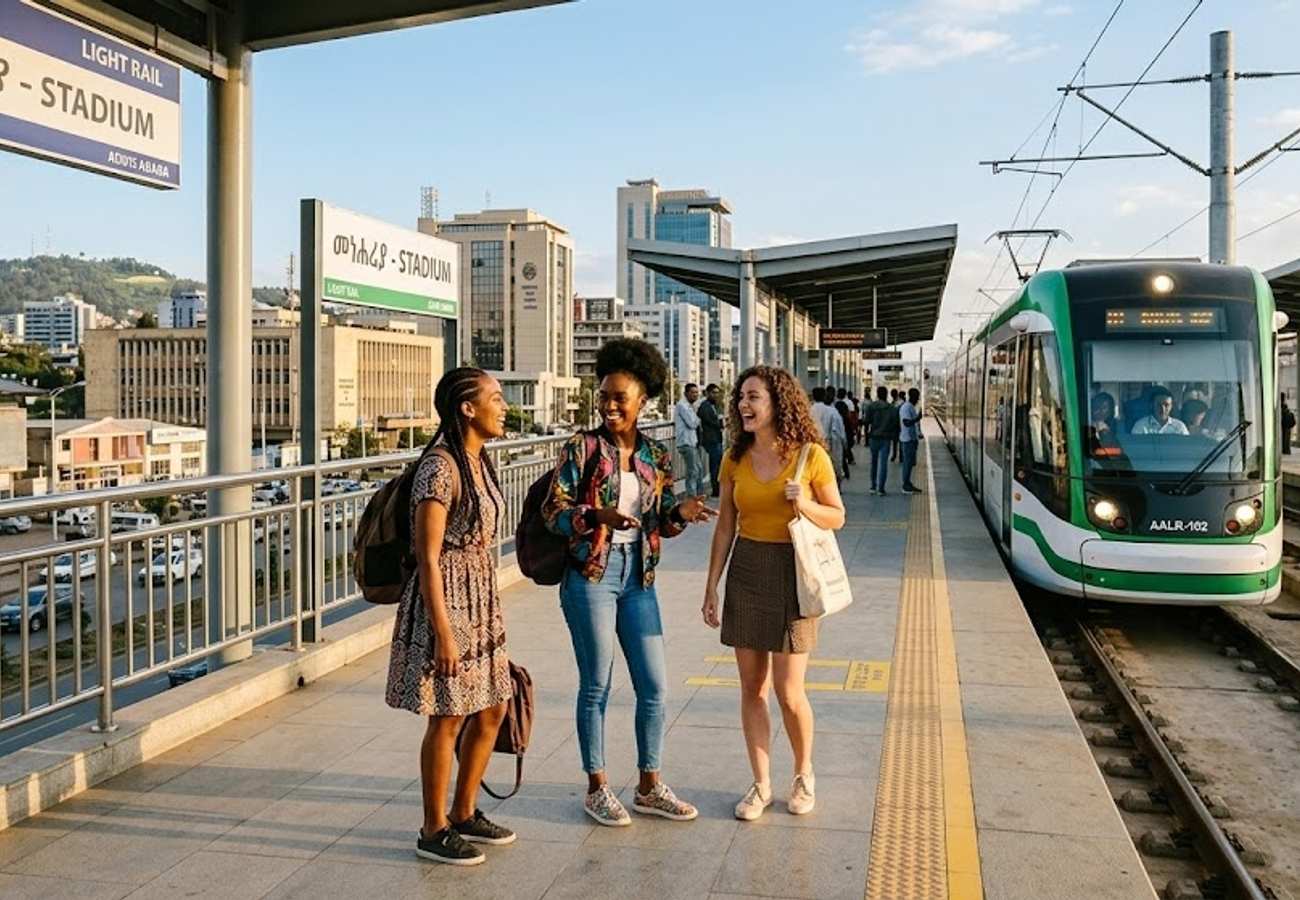
Image generated by AI
The first modern urban light rail system in Sub-Saharan Africa is undergoing a massive technical overhaul to eliminate delays and reconnect visitors with Ethiopia's cultural heart.
The Local Trend Revealed: A Shift Toward Seamless Urban Mobility
Addis Ababa is evolving from a diplomatic hub into a more accessible cultural destination. The Addis Ababa Light Rail Transport (AALRT) is currently implementing a series of maintenance overhauls and signalling infrastructure upgrades across its North–South and East–West corridors.
For the international visitor, this is not merely a technical update. The shift is about removing the friction of urban navigation. By improving service reliability and operational efficiency, the city is moving away from a heavy reliance on private taxis and congested road networks, allowing travelers to move through the capital with a level of predictability previously unavailable.
Cultural & Environmental Value: Beyond the Commute
The real impact of these upgrades lies in the democratization of the city. When transport is reliable and affordable, the "tourist bubble" bursts. Visitors are no longer confined to hotel shuttles; they can now independently access the National Museum of Ethiopia, the Holy Trinity Cathedral, and the sprawling Merkato Market.
From a sustainability perspective, the AALRT serves as a blueprint for eco-tourism in East Africa. By prioritizing electric rail over combustion-engine vehicles, Addis Ababa is reducing its urban carbon footprint. For the conscious traveler, using the light rail is a direct way to support low-emission infrastructure and reduce the congestion that plagues the city's historic districts.
Navigating the Capital: Key Connectivity Data
The network is designed to link the most critical nodes of the city, making it the primary artery for both business delegates attending African Union meetings and leisure travelers.
| Key Hub | Primary Use for Visitors | Connectivity |
|---|---|---|
| Meskel Square | Cultural events, cafés, and government hubs | Direct AALRT Access |
| Lideta | Commercial districts and urban exploration | Direct AALRT Access |
| Mexico Square | Hotels, business districts, and dining | Direct AALRT Access |
| Intercity Terminals | Gateway to regional Ethiopia travel | Direct AALRT Access |
Visitor Insider Tips: Mastering Addis Ababa
To make the most of the AALRT and the surrounding city, keep these local insights in mind:
- The Coffee Ritual: Don't just visit a café; look for the traditional coffee ceremonies in the neighborhoods surrounding the Lideta and Mexico Square stops. This is where the authentic "coffee culture" lives, away from the high-end hotel lobbies.
- Timing the Transit: To avoid the heaviest commuter rushes, aim to travel between 10:00 AM and 3:00 PM. This is the "golden window" for sightseeing when trains are less crowded.
- Currency Ready: Keep small denominations of Ethiopian Birr (ETB) on hand. While the system is modern, smaller local vendors and kiosks near the stations operate exclusively in cash.
- The Merkato Strategy: When visiting Merkato, use the light rail to get as close as possible, then transition to a local guide. The market is a labyrinth; having a local "fixer" helps you find the best leather goods and spices without getting lost.
Tourism Outlook: The Long-Term Vision
The modernization of the AALRT is a strategic move to position Addis Ababa as a premier gateway to Africa. By integrating the light rail with the Addis Ababa–Djibouti Railway terminal and the Bole International Airport (ADD)—located approximately 8 km from the city center—Ethiopia is creating a multi-modal transport web.
The long-term goal is clear: transform the capital from a transit point into a destination. As reliability increases, the city expects a rise in "slow tourism," where visitors spend more days exploring the urban fabric of the city rather than rushing to the highlands or the Rift Valley.
The rails are being laid for a new era of Ethiopian exploration.
Related Travel Guides
Disclaimer
This article is for informational and educational purposes only. It does not constitute legal, financial, or professional advice. While we strive to provide accurate and up-to-date information, travel policies, regulations, and conditions change rapidly. Always verify information with official sources before making travel decisions. Nomad Lawyer makes no representations about the accuracy, reliability, completeness, or suitability of the information provided. Readers should consult qualified professionals for advice specific to their circumstances. The views expressed in this article are those of the author and do not necessarily reflect the views of Nomad Lawyer.
Raushan Kumar
Founder & Lead Developer
Full-stack developer with 11+ years of experience and a passionate traveller. Raushan built Nomad Lawyer from the ground up with a vision to create the best travel and law experience on the web.
Learn more about our team →