
5 Most Affordable Neighborhoods in Miami FL for 2026: Budget-Friendly Rental and Housing Markets
Explore the five most affordable neighborhoods in Miami FL for 2026, featuring detailed rental costs and home values for areas like Gladeview and Westchester.

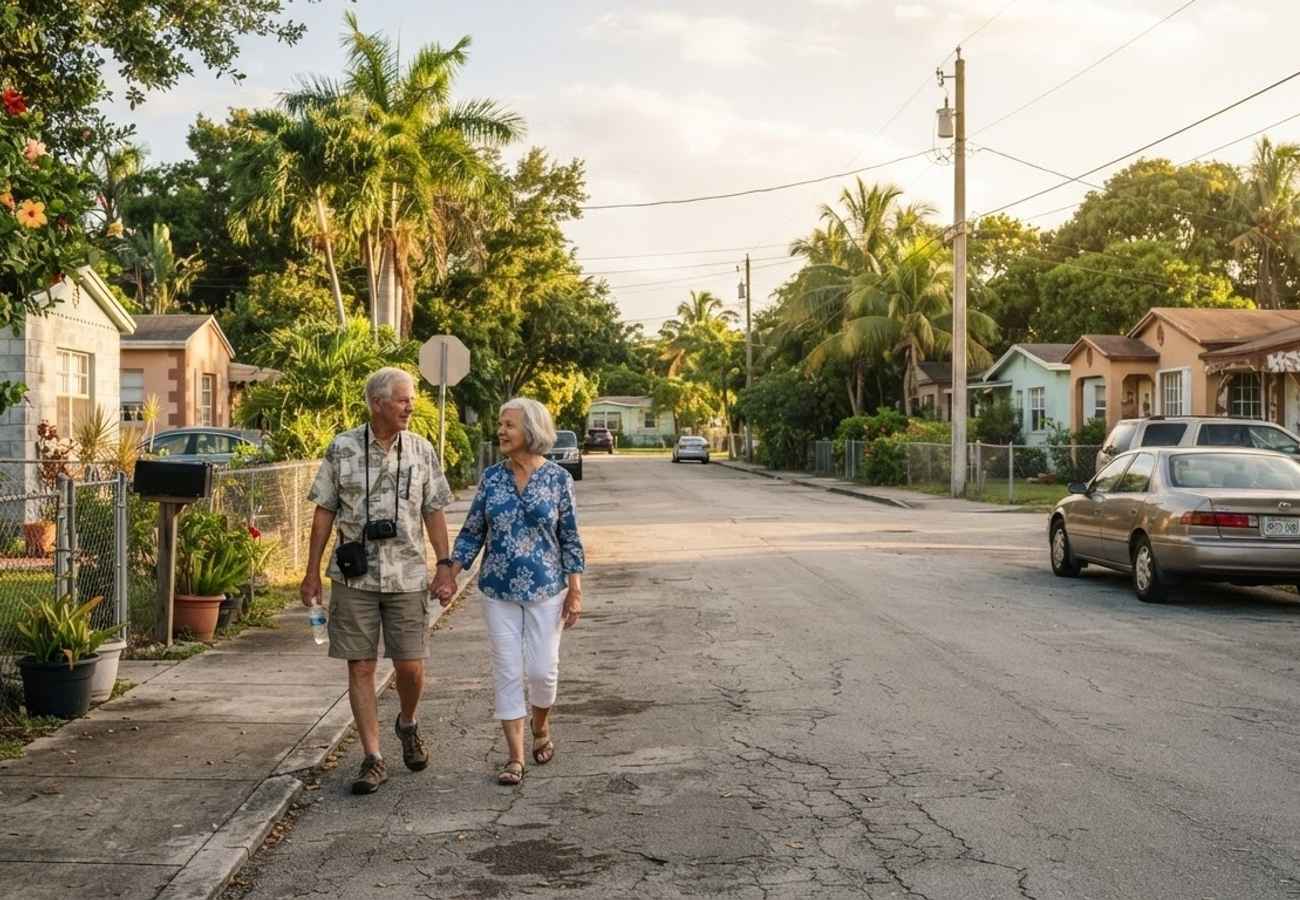
Image generated by AI
[Miami, FL] — As the cost of living in South Florida continues to climb, budget-conscious residents and digital nomads are shifting their focus toward emerging residential pockets that offer value without sacrificing urban accessibility. While the city's core remains a high-cost environment, five specific districts have emerged in 2026 as the most financially viable options for those seeking lower rental rates and attainable property values.
The Miami metropolitan area is globally recognized for its luxury beachfront properties and high-end retail districts, but these hallmarks often mask a diverse range of housing costs. Recent market data indicates a significant disparity between the city-wide average rent and the pricing found in unincorporated or residential-heavy zones. For individuals looking to balance a professional life in the city center with a more sustainable monthly budget, identifying these specific geographic "sweet spots" is essential.
Gladeview Offers Lowest Entry Costs in Miami
Located approximately seven miles north of the downtown core, Gladeview stands out as one of the most economical options for renters in 2026. This area, situated within the unincorporated sections of Miami-Dade County, is characterized by a blend of modest apartment complexes and traditional single-family residences.
Residents in Gladeview benefit from proximity to local recreation, such as Gwen Cherry Park, which serves as a community hub offering swimming and fitness facilities. The local culinary scene is anchored by spots like Theo’s Seafood and Pasta, known for its substantial portions. For those seeking the city's famous art scene, the Wynwood Walls are a short commute away.
From a logistics perspective, Gladeview is highly strategic. Immediate access to I-95 allows for rapid transit across the metro area, while the Metrorail and local bus networks provide viable alternatives to car ownership for those commuting to downtown offices.
Westchester Combines Suburban Comfort with Academic Energy
Westchester is defined by its wide, tree-lined streets and a variety of home styles ranging from mid-century aesthetics to contemporary builds. A primary driver of the area's vibrancy is the presence of the Florida International University (FIU) main campus, which injects a youthful, cultural energy into the neighborhood.
Local leisure activities often center around Tropical Park and the Miami-Dade County Fair and Exposition Center, the latter of which hosts a rotating calendar of concerts and festivals. The dining landscape is diverse, with Brazilian steakhouse El Toro Loco Churrascaria being a frequently cited local favorite.
Commuting from Westchester is streamlined by the Palmetto Expressway (826) and the Dolphin Expressway (836). The Metrobus network further integrates the area with the Metrorail, facilitating easier travel to the Brickell financial district, Coral Gables, and Miami International Airport.
South Miami Heights Features Mid-Century Growth
South Miami Heights, a region with a unique geographic footprint resembling a small-scale version of Texas, saw a surge in development during the mid-1900s. This history is reflected in the current housing stock, which consists largely of single-story bungalows and newer multi-level apartment structures.
The neighborhood is a gateway to some of the city's most prominent attractions. Zoo Miami is located nearby, housing nearly 400 species and featuring the themed Miami Ice shop. Shoppers typically gravitate toward the Southland Mall, while those seeking authentic Haitian flavors frequently visit Sak Pase for traditional pikliz.
Connectivity is a strong suit for South Miami Heights, with direct access to U.S. 1 and Florida’s Turnpike. This makes the area an ideal base for those who need to travel between the urban center and the southern reaches of the state toward the Florida Keys.
Flagami Provides Centralized Access and Diverse Housing
Flagami derives its name from the intersection of Flagler Street and the Tamiami Trail. The architectural landscape here is eclectic, featuring a mix of brightly colored single-family homes, duplexes, and apartment blocks.
The area is known for the Magic City Casino, a hub for gaming and live entertainment. Despite its residential feel, Flagami is strategically positioned; it is only eight miles from downtown Miami and roughly 14 miles from the beaches, allowing residents to enjoy the "big city" experience without paying premium downtown rents.
For frequent flyers, Flagami is exceptionally convenient, located less than five miles from Miami International Airport. The combination of nearby Metrorail stations and access to the Dolphin Expressway makes it one of the most accessible budget neighborhoods in the city.
Upper East Side North Blends Art Deco and Modernity
Along the corridor of Biscayne Boulevard, Upper East Side North offers a more sophisticated atmosphere while remaining more affordable than the immediate downtown core. The area is noted for its 1940s Art Deco architecture and lush greenery, though newer boutique condos have recently entered the market.
Cultural enrichment is a primary draw here, with the Museum of Contemporary Art and the luxury-centric Miami Design District providing world-class shopping and art. The culinary scene is equally expansive, featuring everything from Vietnamese street food to Italian fine dining, with Pinch Kitchen + Bar being a noted destination for brunch.
The neighborhood's transit is anchored by Biscayne Boulevard, which connects residents to Midtown and Miami Beach. The use of the free trolley service and the Miami-Dade bus system significantly reduces the reliance on private vehicles for short-distance urban travel.
Comparative Housing and Rental Data for Miami Neighborhoods (2026)
The following data outlines the financial landscape of these neighborhoods compared to the broader Miami average.
| Neighborhood | Avg. 1-BR Rent | Avg. Home Value / List Price | Primary Transit Link |
|---|---|---|---|
| Miami Average | $2,211 | N/A | Various |
| Gladeview | $1,010 | $440,245 | I-95 / Metrorail |
| Westchester | $1,616 | $697,658 | Palmetto Exp / 836 |
| South Miami Heights | $1,780 | $565,375 | U.S. 1 / FL Turnpike |
| Flagami | $1,765 | $539,450 | Dolphin Exp / MIA Airport |
| Upper East Side North | $1,988 | $1,095,000 | Biscayne Blvd / Trolley |
Analysis of Miami's Budget Housing Market
The data reveals a stark contrast in affordability, particularly in Gladeview, where one-bedroom rentals are less than half the city-wide average. This suggests that moving just a few miles away from the primary tourist and financial hubs can result in significant monthly savings.
The "value" of these neighborhoods is not just found in the rent, but in the proximity to essential infrastructure. The consistent theme across all five areas is the integration with the Metrorail and major expressways, which mitigates the "distance penalty" typically associated with cheaper housing.
Why This Matters (Information Gain)
For the modern professional or "digital nomad," the shift toward these neighborhoods represents a strategic move toward "lifestyle arbitrage." By residing in areas like Flagami or Westchester, individuals can maintain a high quality of life and access to Miami's global economy while drastically reducing their overhead.
Furthermore, the variation in home values—ranging from $440,000 in Gladeview to over $1 million in Upper East Side North—indicates that Miami's "affordable" spectrum is broad. Investors and long-term residents are increasingly looking at these secondary hubs as the primary city center becomes saturated. The ability to find a rental under $1,800 in a city where the average is over $2,200 provides a critical financial cushion in an inflationary economy.
Finding a balance between urban luxury and financial sanity remains the primary challenge for Miami residents in 2026.
Related Travel Guides
Disclaimer
This article is for informational and educational purposes only. It does not constitute legal, financial, or professional advice. While we strive to provide accurate and up-to-date information, travel policies, regulations, and conditions change rapidly. Always verify information with official sources before making travel decisions. Nomad Lawyer makes no representations about the accuracy, reliability, completeness, or suitability of the information provided. Readers should consult qualified professionals for advice specific to their circumstances. The views expressed in this article are those of the author and do not necessarily reflect the views of Nomad Lawyer.
Kunal K Choudhary
Co-Founder & Contributor
A passionate traveller and tech enthusiast. Kunal contributes to the vision and growth of Nomad Lawyer, bringing fresh perspectives and driving the community forward.
Learn more about our team →