
Miami's Most Pet-Friendly Neighborhoods: 2026 Rental Costs and Canine Infrastructure Analysis
An analysis of Miami's top pet-friendly neighborhoods in 2026, evaluating rental price points against access to dog parks, waterfront trails, and canine-centric amenities.

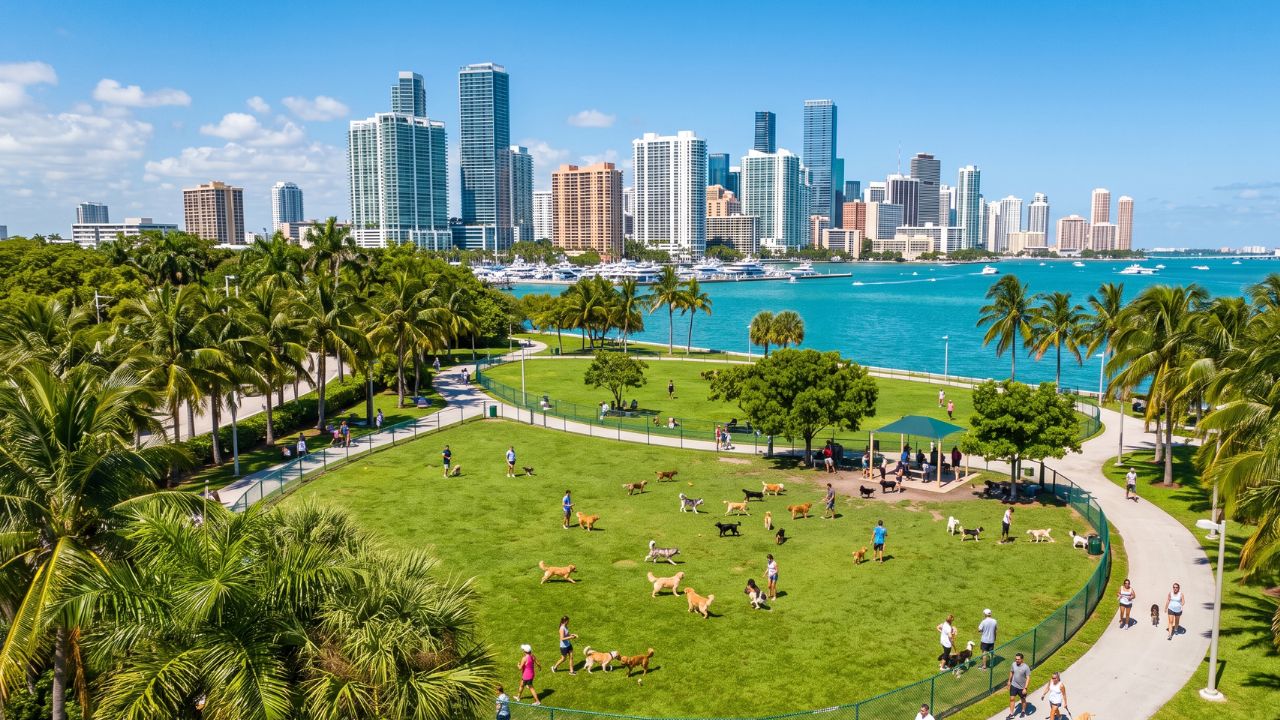
Image generated by AI
Miami ranks as the fourth most dog-friendly city in the U.S., according to Tractor Supply Co. data. The city's year-round temperate climate and high walkability make it a primary hub for pet owners.
The urban layout of Miami prioritizes outdoor access, utilizing extensive trail networks, shaded groves, and specialized dog beaches to mitigate overheating risks. For pet owners, the selection of a neighborhood now depends on a balance between rental premiums and proximity to high-quality "canine infrastructure" such as off-leash parks and pet-inclusive dining.
Neighborhood Infrastructure and Rental Costs
The following data outlines the primary pet-friendly zones in Miami, categorized by their average monthly rent and key utility landmarks.
| Neighborhood | Average Monthly Rent | Top Pet Destination | Primary Dog Park |
|---|---|---|---|
| Park West | $3,382 | Dogs and Cats Walkway | Maurice A. Ferré Park |
| Brickell | $3,219 | The Underline | Bayfront Park |
| Wynwood | $2,940 | Cielito Artisan Pops | Margaret Pace Park |
| Edgewater | $2,690 | Pinocchio on the Bay | Margaret Pace Park |
| NE Coconut Grove | $2,511 | The Commodore Trail | David T. Kennedy Park |
| Upper East Side South | $2,427 | Morningside Park | Legion Memorial Park |
| SW Coconut Grove | $2,356 | Glass & Vine | Blanche Park |
| Upper East Side North | $2,001 | Ms. Cheezious | Legion Memorial Park |
| Overtown | $1,993 | Candela y Café Market | Bayfront Park |
| Little Havana | $1,619 | LoanDepot Park | Salvadore Dog Run |
District Analysis: High-Density Urban Hubs
Brickell & Park West These areas represent the premium end of the market. Brickell leverages "The Underline" (formerly M-Path Trail) as a central artery for pet exercise. High-end dining options like American Social and Crazy About You provide waterfront seating for pets. Park West offers specialized cultural intersections, such as the Dogs and Cats Walkway & Sculpture Garden.
Wynwood & Edgewater Wynwood blends street art with pet accessibility, notably at Cielito Artisan Pops, which offers canine-specific treats. Edgewater serves as a waterfront alternative, utilizing the 8-acre Margaret Pace Park, which features dedicated sections for small and large dogs.
District Analysis: Residential and Green Belts
Coconut Grove (Southwest & Northeast) The Grove is characterized by a high density of green spaces. The Commodore Trail serves as a primary transit route for dogs, connecting various parks including Ingraham and Peacock. Southwest Coconut Grove is particularly noted for "canine-centric" menus at establishments like Glass & Vine.
Upper East Side (North & South) This region focuses on specialized pet services. The South sector hosts high-end grooming and daycare facilities such as Paw’s PetLand and Miami Dog Spaw & Daycare. Residents here rely heavily on the Legion Memorial Park for off-leash activities.
Little Havana & Overtown These neighborhoods offer the most competitive rental rates. Little Havana provides diverse experiences, from the Salvadore Dog Run to "Bark at the Park" events with the Miami Marlins at LoanDepot Park. Overtown integrates historic urban exploration with access to the Downtown Miami waterfront.
Why This Matters: The "Pet-Premium" in Urban Planning
Industry observers note that Miami's ranking as a top dog-friendly city is not accidental but a result of integrating "pet-infrastructure" into urban redevelopment. The transformation of the M-Path Trail into The Underline signifies a shift toward multi-modal urban spaces that prioritize non-human residents.
From a real estate perspective, there is a clear correlation between "pet-amenity density" and rental pricing. Neighborhoods like Park West and Brickell command a significant premium, not just for luxury housing, but for immediate proximity to curated pet experiences. This suggests that "pet-friendliness" has evolved from a basic amenity (like a dog door) to a luxury lifestyle commodity that drives property valuations.
Industry Outlook
Expect further expansion of "canine-inclusive" commercial zoning. As more restaurants and retail spaces in areas like Little Havana and Overtown adopt pet-friendly outdoor seating, the demand for walkable, pet-centric residential pockets will likely push rental prices upward in previously undervalued districts. We anticipate a rise in specialized "pet-concierge" services within high-rent districts like Brickell to cater to the growing demographic of high-net-worth pet owners.
Miami continues to redefine the intersection of urban luxury and pet accessibility.
Related Travel Guides
Disclaimer
This article is for informational and educational purposes only. It does not constitute legal, financial, or professional advice. While we strive to provide accurate and up-to-date information, travel policies, regulations, and conditions change rapidly. Always verify information with official sources before making travel decisions. Nomad Lawyer makes no representations about the accuracy, reliability, completeness, or suitability of the information provided. Readers should consult qualified professionals for advice specific to their circumstances. The views expressed in this article are those of the author and do not necessarily reflect the views of Nomad Lawyer.
Preeti Gunjan
Contributor & Community Manager
A passionate traveller and community builder. Preeti helps grow the Nomad Lawyer community, fostering engagement and bringing the reader experience to life.
Learn more about our team →