
Air India Suspends Ultra-Long-Haul US Routes Amid Middle East Airspace Disruptions and Rising Operating Costs
Breaking airline news and aviation industry updates for 2026.

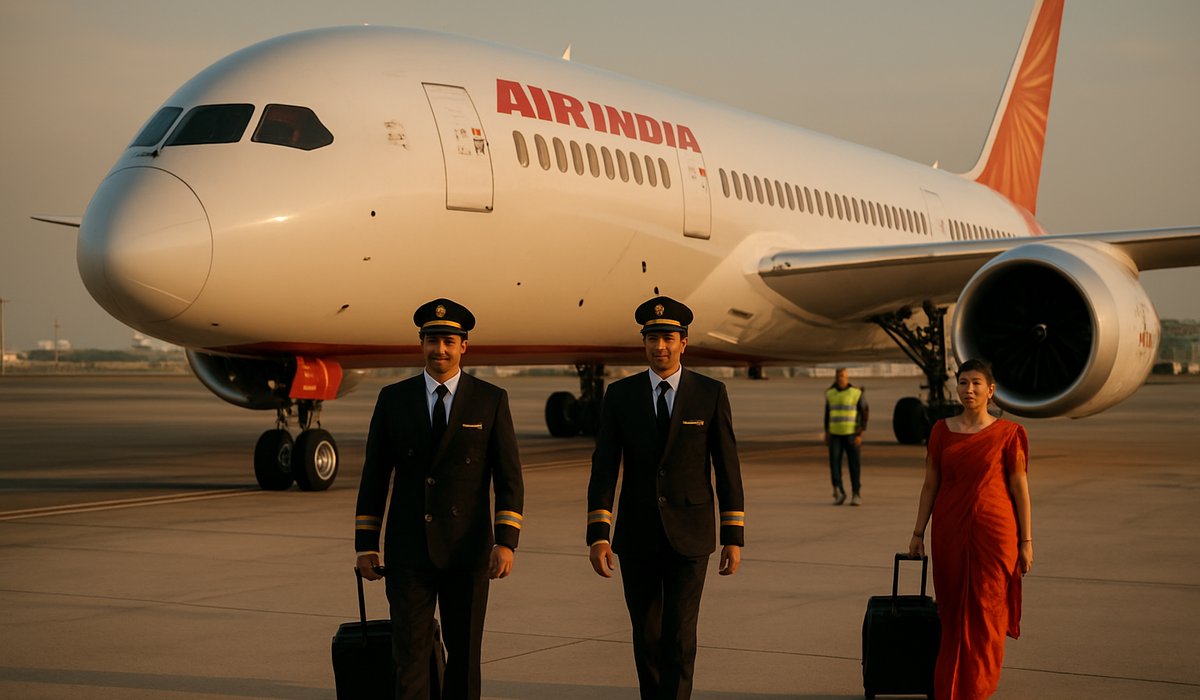
Image generated by AI
Air India Suspends Ultra-Long-Haul US Routes Amid Middle East Airspace Disruptions and Rising Operating Costs
Geopolitical tensions and fuel economics reshape transatlantic aviation strategy
Major Carrier Retreats from Longest Routes
Air India has announced the suspension of three ultra-long-haul services connecting India to the United States, marking a significant strategic pullback for one of Asia's largest international carriers. The decision reflects mounting operational pressures stemming from geopolitical uncertainty over Middle Eastern airspace—a critical corridor that accounts for a substantial portion of the airline's North American routing—combined with escalating jet fuel expenses and broader aviation sector headwinds.
The affected routes represent some of the longest commercial flights in the airline's network, with journey times exceeding 22 hours. The suspension underscores how regional instability can cascade into operational constraints for carriers dependent on established flight corridors, particularly those serving long-distance intercontinental markets.
Middle East Airspace as Critical Chokepoint
Air India's reliance on transiting Middle Eastern airspace to efficiently serve European and North American destinations cannot be overstated. The ongoing geopolitical tensions referenced as the 2026 Iran Crisis have created operational uncertainty in one of the world's busiest aviation corridors, forcing carriers to recalculate flight plans, extend routing times, and absorb additional fuel surcharges.
When airlines cannot utilize direct airspace corridors, they face compounding economic pressures: longer flight times increase crew fatigue management costs, burn additional fuel, and delay aircraft turnaround schedules—ultimately eroding profitability on ultra-long-haul routes that already operate on razor-thin margins.
Cascading Cost Pressures on Airline Economics
The suspension arrives amid a broader cost crisis affecting international carriers. Elevated jet fuel prices, driven by geopolitical volatility and global energy markets, have squeezed airline profitability across the sector. For Air India, the combination of route-specific challenges and industry-wide cost inflation has made the financial case for maintaining these services untenable.
Industry analysts note that suspensions of this scale typically signal that carriers have exhausted cost-mitigation strategies—including baggage fee adjustments, fuel surcharges, and capacity optimization—without achieving sustainable operations on affected routes.
Broader Implications for Transatlantic Aviation
The move signals potential restructuring across India-US aviation connectivity. Other carriers may face similar pressures, potentially affecting airline fees, ticket pricing, and service frequencies on competing routes. Passengers traveling between India and North America could face reduced options and higher ticket costs as capacity tightens.
The suspension also highlights how aviation supply chains remain vulnerable to geopolitical disruption, with implications extending across airline pricing strategies, operational efficiency, and global travel accessibility.
FAQ: Ultra-Long-Haul Aviation and Route Suspensions
Why do airlines suspend long-distance routes? Ultra-long-haul flights operate on thin profit margins. When fuel costs rise, airspace becomes disrupted, or operational constraints increase—such as extended routing—carriers reassess viability. Suspensions occur when revenue cannot cover escalating expenses.
How do Middle East airspace restrictions affect airline fees? Longer routing requires additional fuel consumption, pushing up operating costs. Airlines typically pass these costs to consumers through higher ticket prices and increased baggage charges to maintain profitability.
What impact do jet fuel prices have on aviation industry routes? Elevated fuel expenses directly reduce route profitability. When fuel prices spike, airlines discontinue marginal services first—typically ultra-long-haul routes with lower demand elasticity.
How will this affect travelers between India and the US? Reduced capacity typically increases ticket prices as remaining seats command premium pricing. Passengers may also experience longer layovers as carriers consolidate services through hub airports.
Are other carriers likely to suspend similar routes? Yes. If geopolitical disruptions persist and fuel costs remain elevated, additional carriers dependent on Middle Eastern corridors may announce similar service reductions on comparable ultra-long-haul international routes.
Related Travel Guides
Disclaimer
This article is for informational and educational purposes only. It does not constitute legal, financial, or professional advice. While we strive to provide accurate and up-to-date information, travel policies, regulations, and conditions change rapidly. Always verify information with official sources before making travel decisions. Nomad Lawyer makes no representations about the accuracy, reliability, completeness, or suitability of the information provided. Readers should consult qualified professionals for advice specific to their circumstances. The views expressed in this article are those of the author and do not necessarily reflect the views of Nomad Lawyer.
Preeti Gunjan
Contributor & Community Manager
A passionate traveller and community builder. Preeti helps grow the Nomad Lawyer community, fostering engagement and bringing the reader experience to life.
Learn more about our team →