
Major US Airlines Launch 13 New Routes in Four Days as Market Competition Intensifies
Breaking airline news and aviation industry updates for 2026.

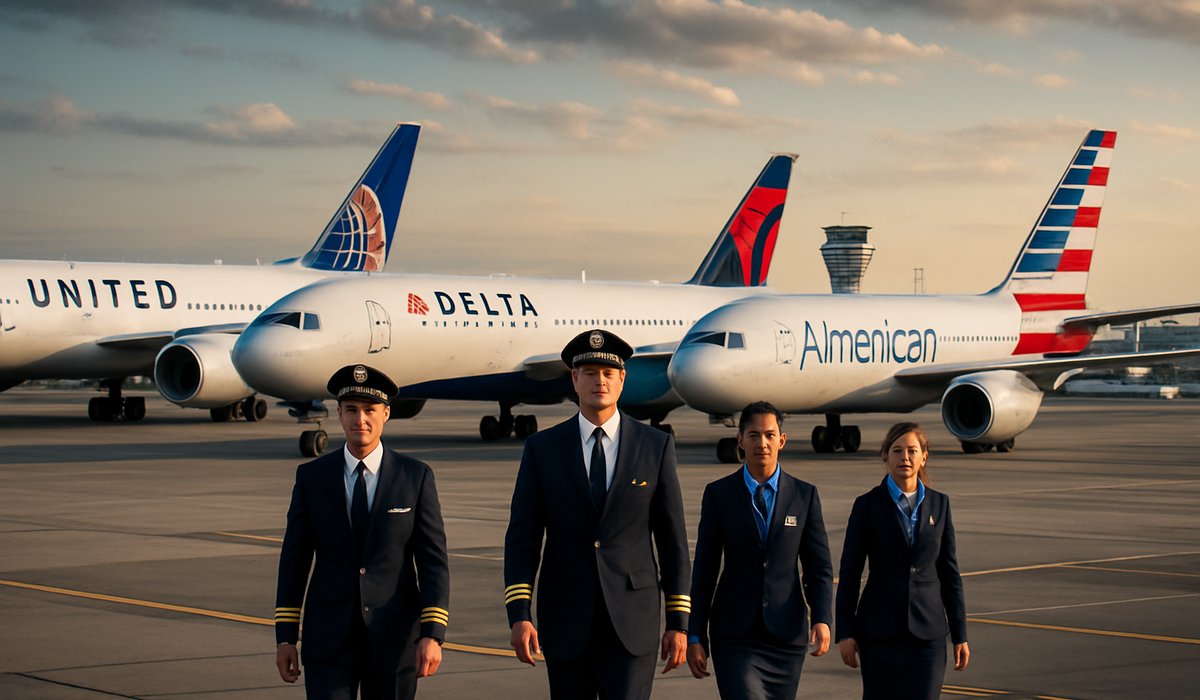
Image generated by AI
Major US Airlines Launch 13 New Routes in Four Days as Market Competition Intensifies
American, Delta, and United accelerate expansion strategies while dominating domestic aviation landscape
The Big Three Make Strategic Moves
America's three largest carriers—American Airlines, Delta Air Lines, and United Airlines—have collectively introduced 13 fresh routes within a compressed four-day window, signaling intensified competition and aggressive network expansion across the United States. The coordinated rollout underscores how these carriers continue to reshape domestic aviation patterns while maintaining their stranglehold on the industry.
According to data compiled by Cirium Diio, an aviation analytics platform, the Big Three collectively control approximately 60% of all scheduled flights departing from US airports this year. This dominant market position gives the carriers substantial influence over pricing, scheduling, and route availability—factors that directly impact consumers navigating higher airline fees and baggage charges.
Regional Operations Drive Frequency and Coverage
A critical component of the carriers' expansion strategy relies heavily on regional aircraft operations. Industry data reveals that 58% of the Big Three's total service capacity operates on smaller regional jets, a fleet composition that enables these airlines to maintain frequent departures on less densely-trafficked routes while managing operational costs.
This reliance on regional units represents a fundamental shift in how major carriers structure their networks. By deploying smaller aircraft to secondary markets, American, Delta, and United can sustain competitive frequency without the overhead associated with deploying larger, wide-body aircraft. The approach has become essential given volatile jet fuel prices and elevated operational expenses that have pushed airlines to introduce ancillary revenue strategies—including expanded baggage charges and seat selection fees.
Industry Context: Competition and Consolidation
The latest route expansion arrives amid broader industry dynamics shaped by consolidation, geopolitical pressures affecting fuel costs, and shifting consumer demand patterns. With the aviation industry still absorbing post-pandemic recovery dynamics, the Big Three's aggressive expansion reflects confidence in sustained travel demand while also demonstrating their capacity to absorb operational risks that smaller carriers cannot manage.
The 13 new routes announced across the four-day period represent more than symbolic gestures; they reflect calculated decisions about market opportunity, competitive positioning, and revenue optimization. Each new service addresses either underserved markets or competitive gaps where rivals have retreated or reduced frequency.
What This Means for Travelers
For passengers, the expansion offers increased connectivity options and potentially greater choice on certain routes. However, the Big Three's market dominance means limited alternatives on most major corridors. Travelers planning trips should expect sustained pressure on pricing, particularly as the carriers continue calibrating ancillary revenue models to offset persistently elevated jet fuel expenses and labor costs.
FAQ: Understanding Airline Routes and Industry Dynamics
Q: Why do US airlines keep raising baggage fees and seat charges? A: Airlines face mounting operational costs—especially volatile jet fuel prices—forcing them to supplement ticket revenue with ancillary fees for baggage, seat selection, and premium services.
Q: Do the Big Three airlines control most US flights? A: Yes. American, Delta, and United collectively operate approximately 60% of scheduled US domestic flights, giving them significant pricing and scheduling power.
Q: Why do major carriers use smaller regional aircraft? A: Regional jets allow carriers to maintain frequent service on less-dense routes while controlling costs—58% of Big Three operations use regional aircraft for this reason.
Q: Where can I find information about new airline routes? A: Aviation analytics platforms like Cirium and airline websites publish route announcements and schedule updates regularly.
Q: How do fuel prices affect airline fees? A: Rising jet fuel costs directly pressure airline margins, prompting carriers to increase baggage charges, seat fees, and other ancillary revenue to maintain profitability.
Related Travel Guides
Flight Delay Compensation Guide 2026
Understanding Airline Route Changes
Airport Security Process Updated (2026)
External Resources
Disclaimer
This article is for informational and educational purposes only. It does not constitute legal, financial, or professional advice. While we strive to provide accurate and up-to-date information, travel policies, regulations, and conditions change rapidly. Always verify information with official sources before making travel decisions. Nomad Lawyer makes no representations about the accuracy, reliability, completeness, or suitability of the information provided. Readers should consult qualified professionals for advice specific to their circumstances. The views expressed in this article are those of the author and do not necessarily reflect the views of Nomad Lawyer.
Kunal K Choudhary
Co-Founder & Contributor
A passionate traveller and tech enthusiast. Kunal contributes to the vision and growth of Nomad Lawyer, bringing fresh perspectives and driving the community forward.
Learn more about our team →