
American Airlines Offers $1,200 Bounty to Stranded Passengers as Weight Management Crisis Forces Flight Delay
Breaking airline news and aviation industry updates for 2026.

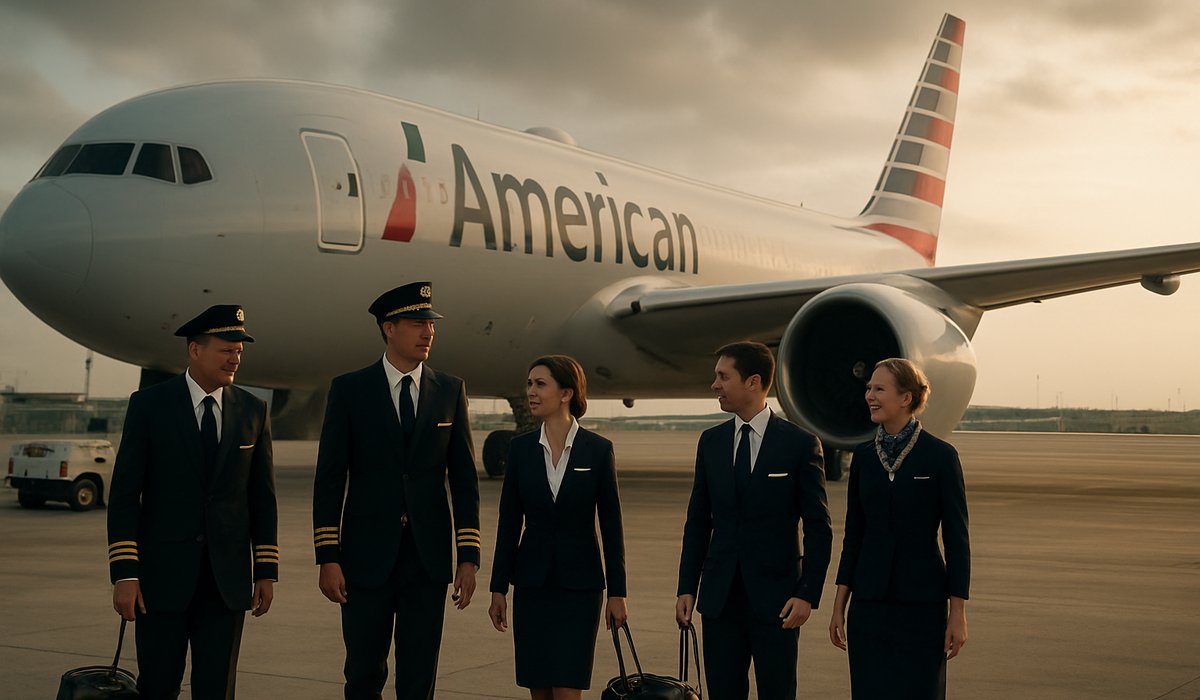
Image generated by AI
American Airlines Offers $1,200 Bounty to Stranded Passengers as Weight Management Crisis Forces Flight Delay
Regional carrier implements emergency passenger reduction protocol amid aircraft loading complications
American Eagle, the regional carrier operating under American Airlines' banner, has resorted to compensating passengers with $1,200 each to voluntarily abandon their seats following an overweight aircraft situation that threatened safe departure procedures.
The incident underscores growing operational challenges facing U.S. carriers as they navigate capacity management in an era of rising fuel costs, stricter weight regulations, and increasingly complex flight logistics across the aviation industry.
Emergency Intervention on Regional Routes
Five travelers on the affected American Eagle flight faced an unexpected proposition: accept a substantial financial incentive to relinquish their reserved seats. The aircraft had exceeded safe weight limitations for takeoff, leaving the airline with limited options to maintain schedule integrity while adhering to federal aviation safety standards.
This scenario—once considered rare in commercial aviation—reflects mounting pressures on regional carriers operating tight margins and managing escalating operational expenses. The $1,200 per-passenger compensation represents a deliberate cost calculation by the airline, weighing the expense of voluntary denied boarding against potential delays, mechanical complications, or safety protocol violations.
Industry-Wide Weight Management Pressures
Aircraft weight management has become an increasingly critical operational factor for airlines worldwide. Contributing factors include:
- Elevated jet fuel prices forcing carriers to optimize payload efficiency
- Baggage fee structures incentivizing passengers to carry more carry-on luggage, increasing aircraft weight
- Regulatory compliance requiring stricter adherence to maximum takeoff weight limits
- Route density on regional flights limiting passenger-to-cargo ratios
The incident reflects broader challenges within the aviation sector as carriers balance profitability with operational safety and passenger satisfaction—a delicate equilibrium tested regularly by external economic pressures and supply chain disruptions.
What This Means for Travelers
For passengers, such incidents reveal the hidden complexities of modern air travel. While the $1,200 compensation appears generous, it signals that overbooking and weight-related disruptions may become more commonplace as airlines optimize loading practices and manage rising operational costs.
American Airlines has not publicly detailed the specific circumstances surrounding the weight limitation, though such situations typically arise from a combination of factors: fuel loads for longer routes, passenger weight distributions, cargo considerations, and weather-related safety margins.
The carrier's willingness to compensate passengers voluntarily—rather than implementing involuntary denied boarding policies—suggests a customer-service-oriented approach, though it raises questions about pre-flight planning accuracy and whether similar situations may recur on other flights.
Frequently Asked Questions
Why do airlines overbook flights and how does weight factor in? Airlines manage capacity based on historical no-show rates and revenue optimization. Weight limitations are separate calculations involving fuel loads, passenger distribution, and aircraft performance specifications.
What are passenger rights when asked to give up seats? U.S. DOT regulations require airlines to seek volunteers first, offering compensation negotiated with passengers before implementing involuntary denial policies. The $1,200 offer exceeded standard minimums.
How do baggage fees impact aircraft weight and airline operations? Higher baggage fees incentivize carry-on packing, increasing cabin weight. Airlines must account for this when calculating maximum takeoff capacity and fuel requirements.
Are weight-related flight cancellations likely to increase? As jet fuel prices fluctuate and airlines optimize margins, weight management may become more visible to passengers, potentially increasing compensation incidents like this one.
What's the financial impact on airlines of offering such compensation? A $6,000 total expense ($1,200 × 5 passengers) is typically less costly than operational delays, fuel surcharges, crew overtime, or regulatory penalties for safety violations.
Related Travel Guides
Flight Delay Compensation Guide 2026
Understanding Airline Route Changes
Airport Security Process Updated (2026)
External Resources
Disclaimer
This article is for informational and educational purposes only. It does not constitute legal, financial, or professional advice. While we strive to provide accurate and up-to-date information, travel policies, regulations, and conditions change rapidly. Always verify information with official sources before making travel decisions. Nomad Lawyer makes no representations about the accuracy, reliability, completeness, or suitability of the information provided. Readers should consult qualified professionals for advice specific to their circumstances. The views expressed in this article are those of the author and do not necessarily reflect the views of Nomad Lawyer.
Kunal K Choudhary
Co-Founder & Contributor
A passionate traveller and tech enthusiast. Kunal contributes to the vision and growth of Nomad Lawyer, bringing fresh perspectives and driving the community forward.
Learn more about our team →