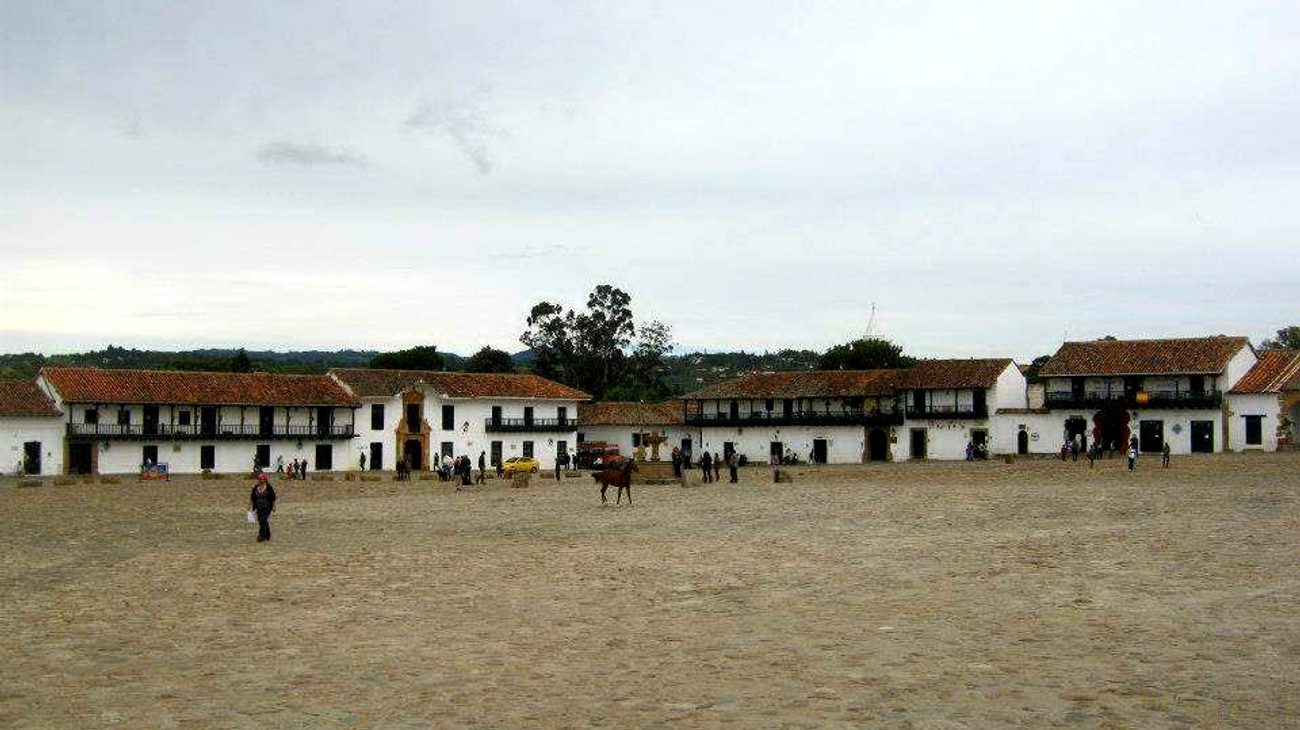
12 Underrated Destinations in Vietnam Beyond Hanoi and Ho Chi Minh City

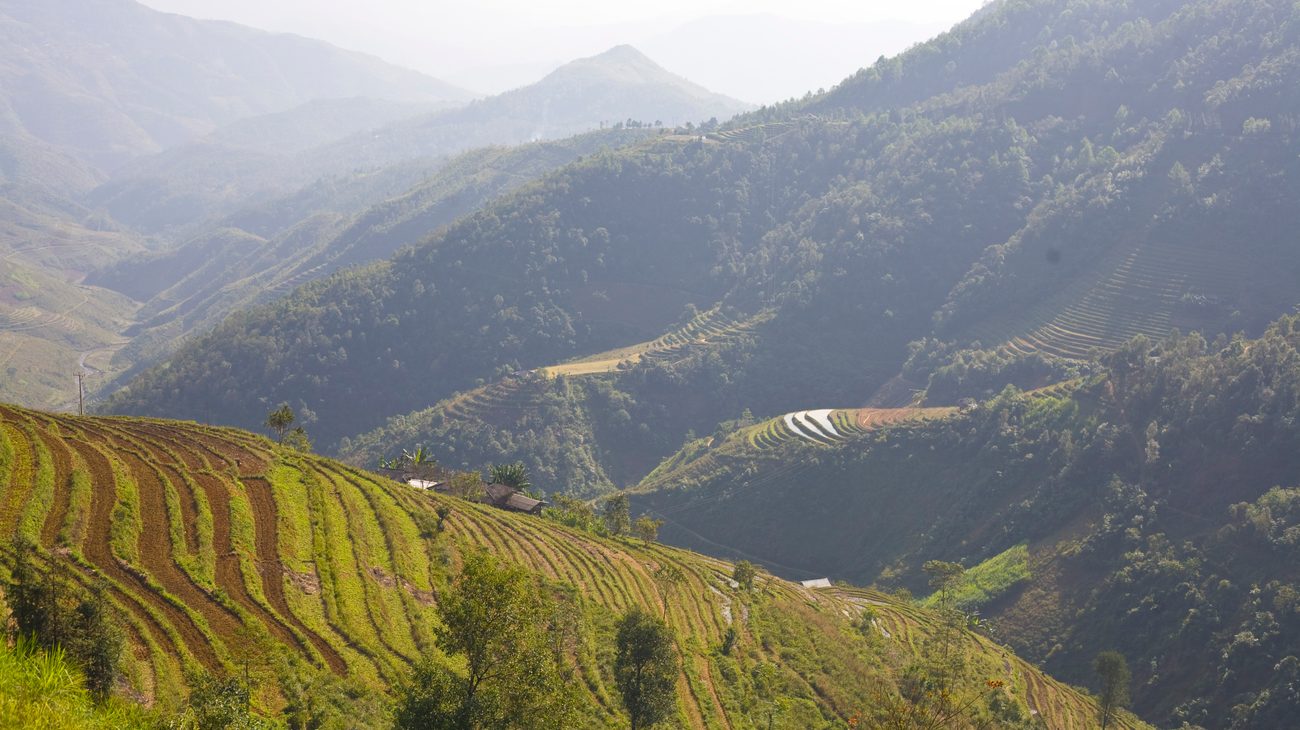
The jaw-dropping limestone karst canyons of the legendary Ha Giang Loop in northern Vietnam.
The first time I landed in Hanoi, the sensory hurricane of the Old Quarter was intoxicating: scooters swarming like schools of fish, plastic stools clustered around steaming cauldrons of phở gà, and the thick aroma of robusta beans roasting with butter and chicory. But two weeks into following the standard tourist conveyor belt down toward Ho Chi Minh City, I realized something: the genuine heart of Vietnam isn't found in urban gridlock or tourist-clogged cruise bays.
It lives in the northern highlands, where the morning fog peels back to reveal emerald rice terraces sculpted across vertical mountain walls. It lives deep inside subterranean limestone chambers large enough to park a Boeing 747, and on lonely central coastal highways where local fishing fleets paint the ocean horizon in turquoise and crimson. Across subreddits like r/VietNam and r/solotravel, experienced travelers consistently give one piece of advice: venture off the standard tourist trail. Here are twelve breathtaking destinations in Vietnam that will completely transform your understanding of this resilient, magnificent country.
1. Ha Giang: The Northern Frontier and Ma Pi Leng Pass
If you only have time to add one detour to your Vietnam journey, make it Ha Giang. Located along the jagged northern border with China, the Ha Giang Loop is widely regarded by motorcycle travelers as one of the most visually stunning road trips in Asia.
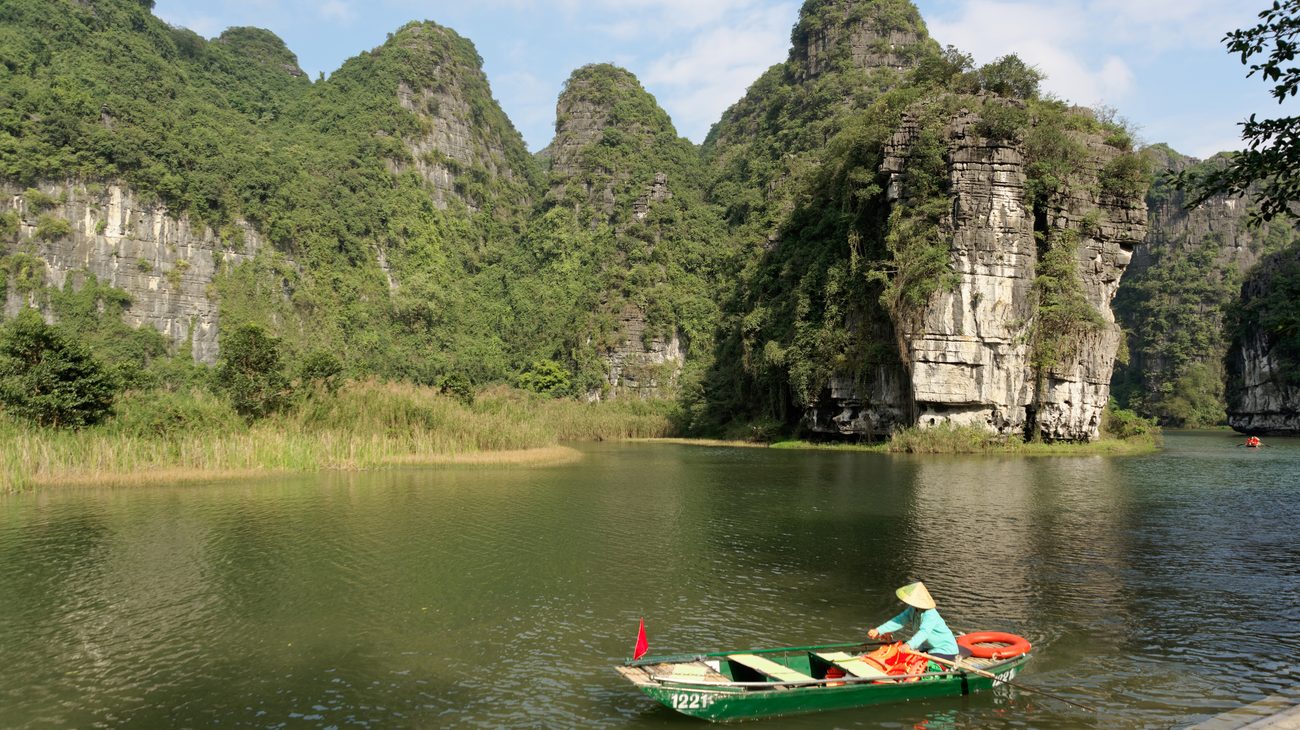 Emerald riverways and towering limestone karsts in Trang An, Ninh Binh province.
Renting a 125cc semi-automatic bike (or hiring a local "Easy Rider" guide if you don't ride), you wind through the Dong Van Karst Plateau Geopark. The climax of the route is the Ma Pi Leng Pass: a narrow ribbon of asphalt cut into sheer cliffs hanging 1,000 meters above the jade-green waters of the Nho Que River below.
- Reddit Tip (via r/VietNam): Opt for a 4-day loop rather than rushing it in 3. This gives you time to hike through Hmong and Tay minority villages in Du Gia without spending all daylight hours in the saddle.
2. Ninh Binh: "Ha Long Bay on Land"
While Halong Bay has become congested with cruise boats and diesel fumes, Ninh Binh—just two hours south of Hanoi by train—delivers identical dramatic limestone karst topography, but nestled amidst tranquil emerald rice paddies and lotus ponds.
Base yourself in Tam Coc or Trang An. Early in the morning, rent a traditional bicycle and pedal between sheer limestone towers echoing with birdsong. At the Trang An UNESCO complex, local women row wooden sampans using their feet, gliding silently through natural water caves hollowed out by ancient subterranean rivers. For the ultimate sunset panorama, climb the 500 stone steps to the dragon peak atop Mua Cave (Hang Múa).
3. Phong Nha-Kẻ Bàng: The Underground Kingdom
Beneath the lush, untamed jungle canopy of Quang Binh province lies the oldest karst mountain system in Asia—dating back over 400 million years—and the most spectacular cave systems on Earth. Phong Nha is home to Hang Son Doong (the world's largest cave), Hang En, and Paradise Cave (Thiên Đường).
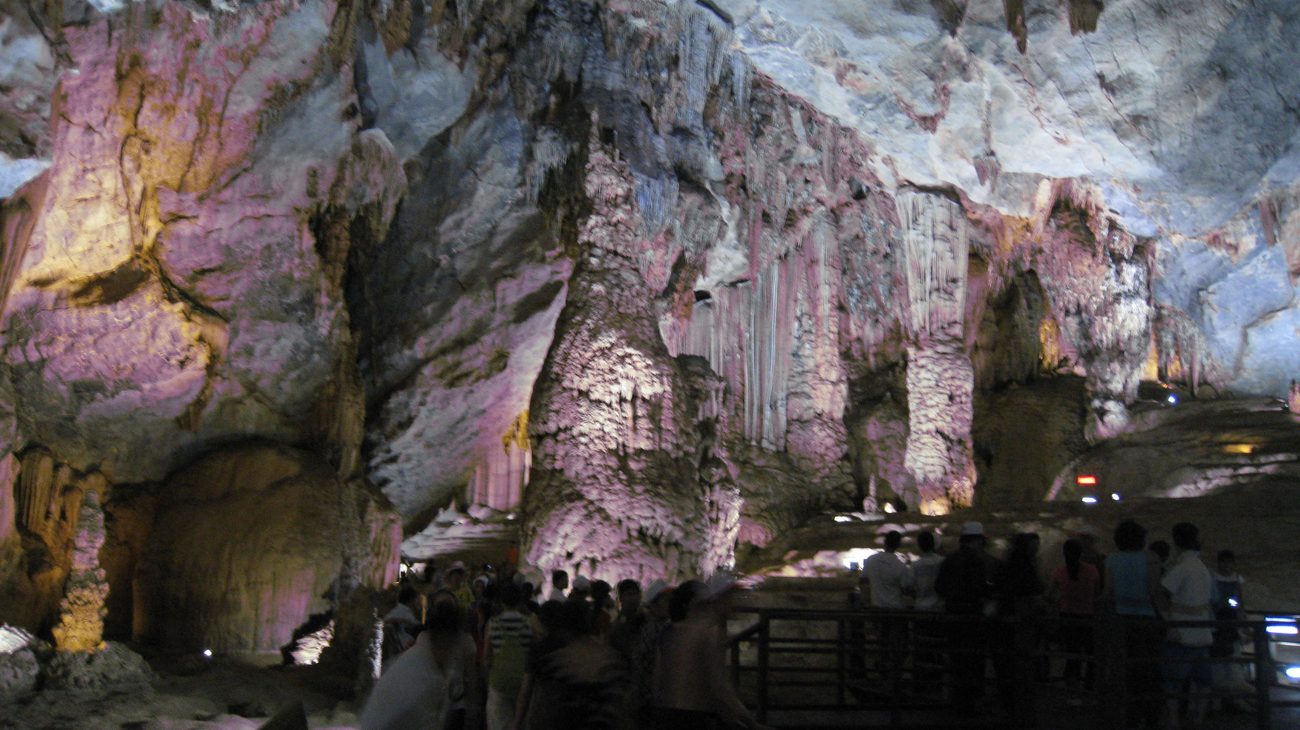 Breathtaking illuminated stalagmites and colossal limestone galleries inside Paradise Cave.
Walking into Paradise Cave is a humbling experience. Wooden boardwalks lead you beneath cathedral-high ceilings draped in delicate mineral curtains and massive stalactite pillars formed over millions of rain-soaked millennia. For adventurers, 2-day guided jungle treks to Hang En involve wading through crystalline underground rivers and camping on subterranean sand beaches inside cavern openings lit by daylight shafts.
4. Hue: Imperial Poise and Royal Cuisine
While most travelers treat Hue as a brief midway lunch stop between Hanoi and Hoi An, the former imperial capital of the Nguyen Dynasty deserves at least two to three unhurried days.
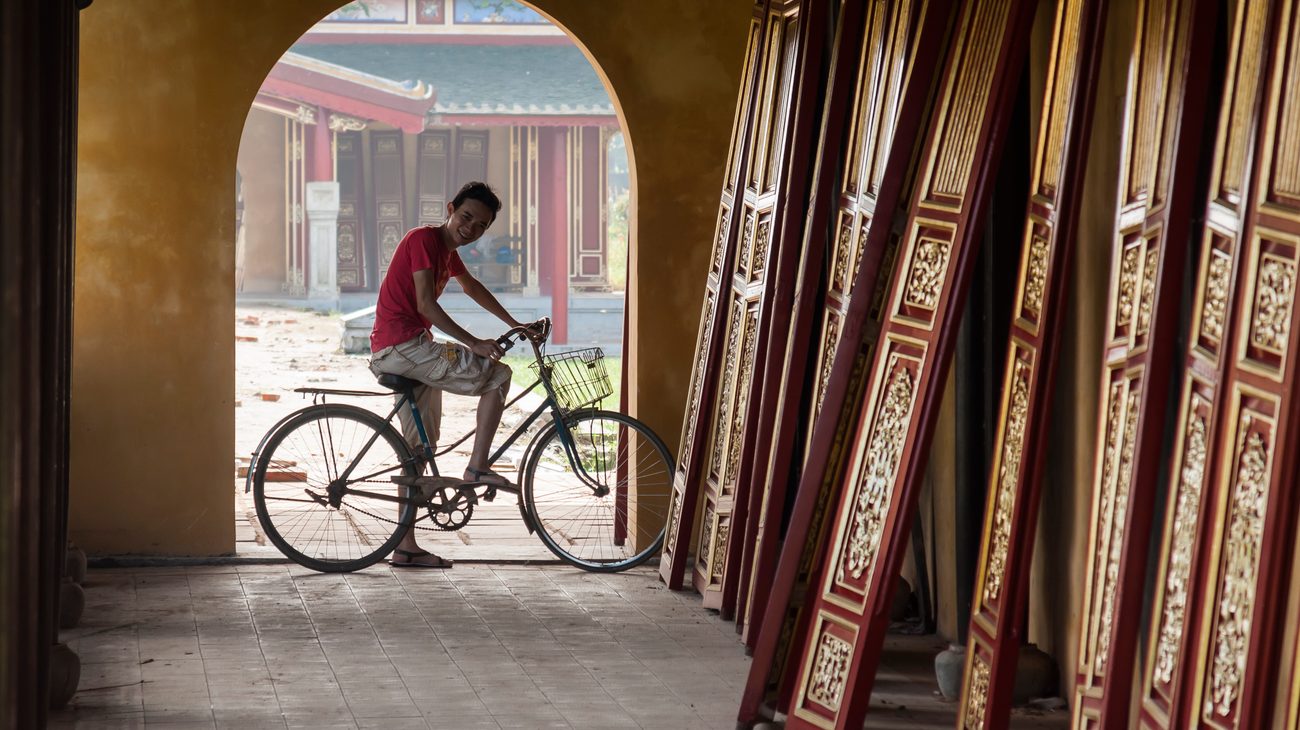 The imposing Meridian Gate and moat walls of the Imperial City of Hue.
Set along the tranquil banks of the Perfume River, the Imperial Citadel retains an aura of dignified, melancholy majesty. Beyond the fortified walls, take a scooter to the ornate royal tombs scattered throughout the pine hills—most notably the tranquil, landscaped garden tomb of Emperor Tu Duc and the striking gothic-oriental concrete mausoleum of Khai Dinh.
- Culinary Note: Hue is the undisputed food capital of central Vietnam. Order an authentic bowl of Bún Bò Huế—a fragrant, spicy beef noodle soup infused with lemongrass, fermented shrimp paste, and chili oil—followed by Bánh Bèo (steamed rice cakes served in tiny ceramic saucers topped with dried shrimp and crispy pork fat).
5. Quy Nhon: The Secret Coastal Haven
If you are looking for gorgeous ocean views without the rowdy nightlife and skyscraper resorts of Nha Trang or Da Nang, Quy Nhon is your haven. Situated on a rugged peninsula in Binh Dinh province, Quy Nhon remains remarkably untouched by mass foreign tourism.
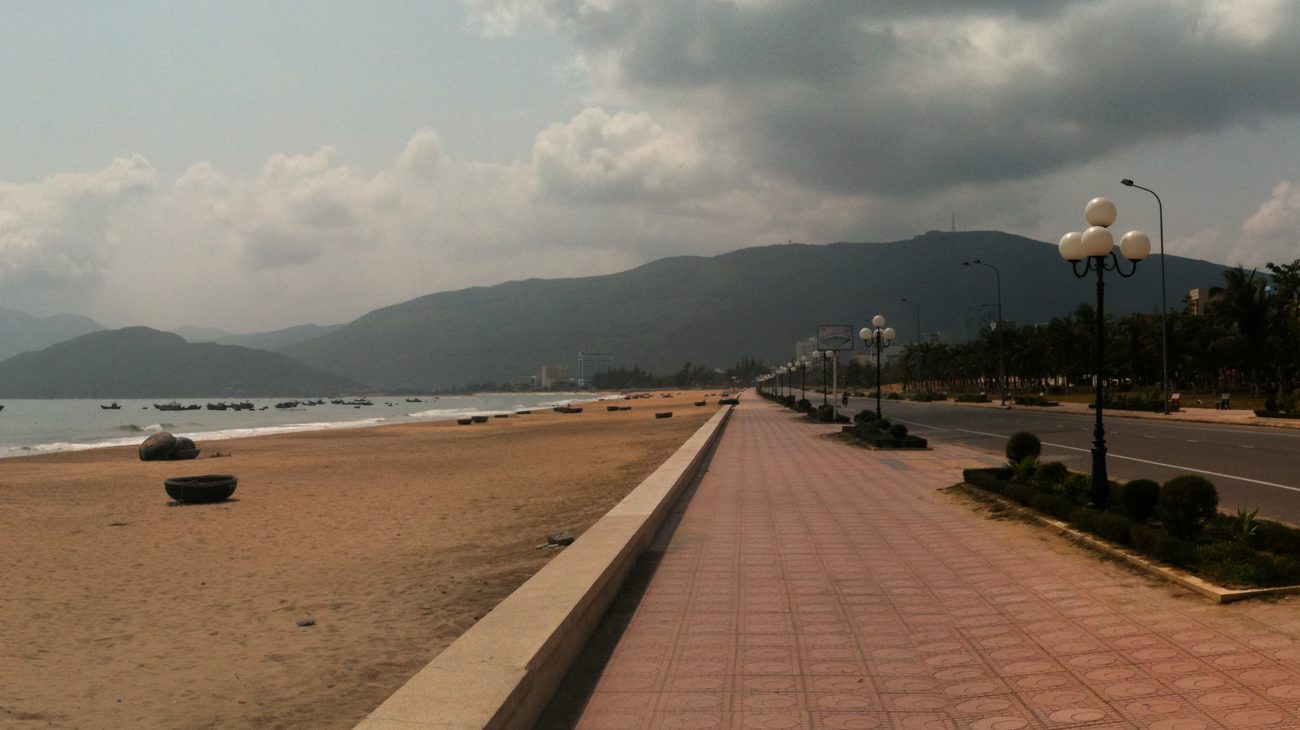 Untouched golden sands and coastal cliffs along the secluded shores of Quy Nhon.
The coastline here features curving golden sand crescents, fishing hamlets filled with traditional round bamboo basket boats (thúng), and scenic cliffside walkways like Eo Gio. High on the hills overlooking the bay stand ancient brick Cham towers dating to the 11th century, standing in silent testament to the ancient Kingdom of Champa.
6. Dalat: The Cool Pine Highlands
Perched at 1,500 meters in the Central Highlands, Dalat offers a refreshing escape from the tropical heat. Founded by the French as a hill station in the early 1900s, Dalat looks like an alpine fairytale, dotted with colonial villas, pine forests, and misty lakes.
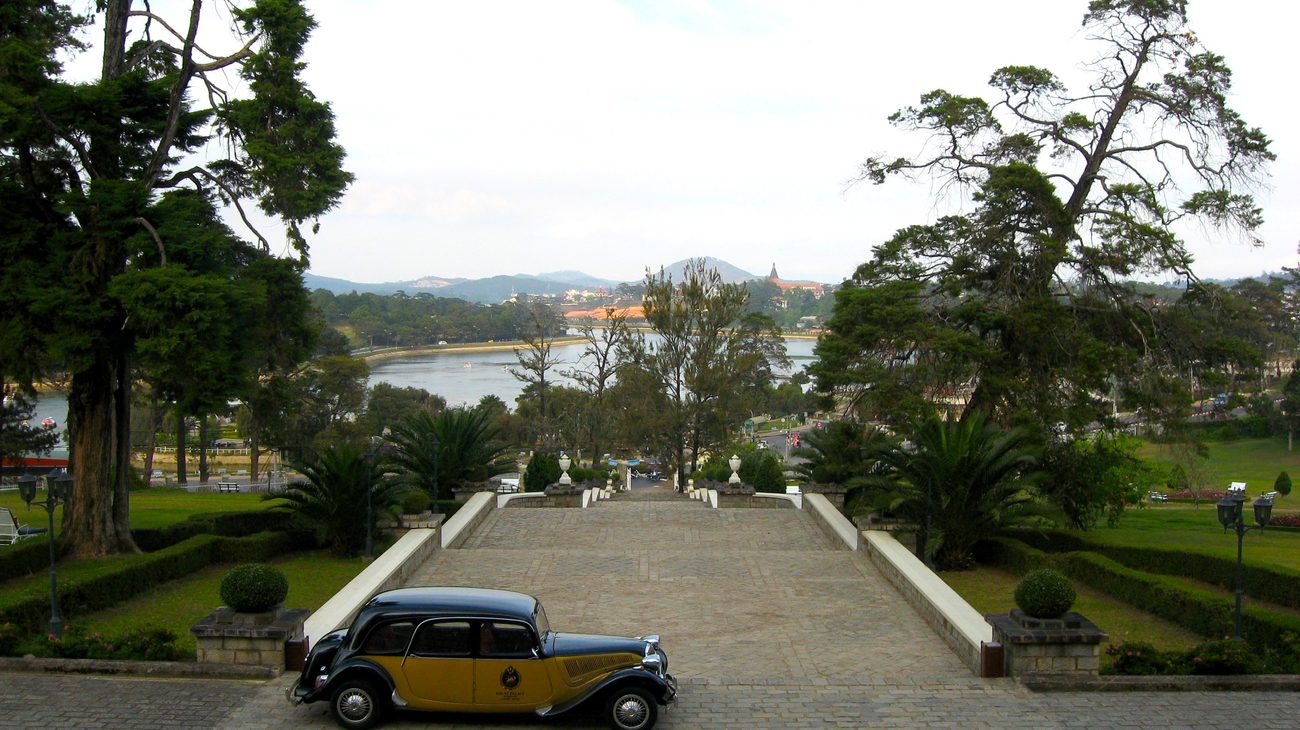 French colonial architecture and cool pine-covered hills in Dalat.
This is the agricultural heart of Vietnam: famous for artisan arabica coffee, fresh strawberries, artichoke tea, and cool-climate flowers. Spend an evening navigating the lively Dalat Night Market, warming your hands over a hot plate of Bánh Tráng Nướng (known as "Vietnamese pizza": grilled rice paper topped with egg, scallions, sausage, and chili sauce) while sipping warm soybean milk.
7. Mai Chau: Idyllic Stilt Villages
Located just 3.5 hours west of Hanoi in Hoa Binh province, Mai Chau is a wide, flat valley surrounded by lush green hills. Home to the White Thai ethnic minority, the valley feels centuries removed from the urban bustle.
Staying in a traditional stilt house in Lac or Poom Coong villages allows you to sleep under thatched roofs, wake up to roosters crowing across the rice fields, and share home-cooked dinners of grilled river fish, sticky rice in bamboo tubes (cơm lam), and local rice wine with your host family.
8. Côn Đảo Islands: Pristine Marine Sanctuary
Located 115 miles off the southern coast in the South China Sea, the Côn Đảo archipelago is one of Vietnam's most pristine ecological gems.
Once notorious as a penal colony during French colonial rule, the sixteen islands are now protected as a National Park. Its crystal-clear turquoise waters shelter healthy coral reefs, sea turtles (which nest on the beaches between May and October), and rare dugongs. With minimal traffic and wild coastal roads winding beneath granite headlands, it is arguably the finest island retreat in Southeast Asia.
9. Ba Bể Lake: Northern Mountain Serenity
Set high in the mountains of Bac Kan province, Ba Bể is Vietnam's largest natural freshwater lake. Framed by steep limestone cliffs and primary rainforest, the lake is so peaceful that the only sound is the gentle dipping of oars into water.
Take a wooden longboat excursion through the lake, gliding into the Puong Cave where the Nang River carves through a limestone mountain, and visit the roaring Dau Dang waterfalls. Homestays in Pac Ngoi village offer authentic Tay hospitality and stunning sunset views over the water.
10. Pleiku: The Central Highlands Frontier
Located in Gia Lai province, Pleiku is rarely seen by foreign tourists. Its highlight is Biển Hồ (Sea Lake), a massive, crystal-clear volcanic crater lake formed millions of years ago, fringed by pine trees and tea plantations. Pleiku is also the cultural heartland of the Jarai and Bahnar ethnic groups, famous for their unique communal houses (nhà rông) featuring towering, axe-shaped roofs.
11. Phú Yên: Geometric Volcanic Wonders
Directly south of Quy Nhon lies Phú Yên province, home to the striking geological formation of Ghềnh Đá Đĩa (The Cliff of Stone Plates). Here, thousands of interlocking hexagonal basalt columns cascade into the ocean—a natural phenomenon similar to the Giant's Causeway in Northern Ireland. With uncrowded lighthouses, golden beaches, and fresh tuna delicacies, it is a photographer's dream.
12. Đồng Hới: Underrated Gateway to Peace
While most travelers use Đồng Hới merely as the train station for Phong Nha, the coastal city itself boasts pristine, uncrowded beaches like Nhat Le, the ruins of the Tam Tòa Church, and quiet seafood shacks serving succulent butter-grilled clams and fresh squid at a fraction of tourist prices.
Vietnam Travel Logistics & Practical Matrix
| Destination | Best Season | Ideal Stay | How to Reach | Highlights |
|---|---|---|---|---|
| Hà Giang | Sep – Nov / Mar – May | 4 Days | Overnight bus from Hanoi | Ma Pi Leng Pass, ethnic homestays |
| Ninh Bình | Jan – May / Sep – Oct | 2 Days | 2-hr train from Hanoi | Trang An boat tour, Mua Cave |
| Phong Nha | Feb – Aug (Dry season) | 3 Days | Sleeper train/bus to Dong Hoi | Paradise Cave, Hang En treks |
| Huế | Jan – Apr (Cool & dry) | 2 – 3 Days | Train over Hai Van Pass | Imperial Citadel, Bun Bo Hue |
| Quy Nhơn | Mar – Sep (Sunny skies) | 3 Days | Domestic flight or train | Eo Gio cliffs, untouched beaches |
| Đà Lạt | Nov – Mar (Crisp & clear) | 2 – 3 Days | Flight or bus from HCMC | Pine forests, arabica cafes, night market |
| Mai Châu | Oct – Apr (Mild weather) | 2 Days | 3.5-hr shuttle from Hanoi | White Thai homestays, bicycling |
| Côn Đảo | Mar – Sep (Calm seas) | 3 – 4 Days | Short flight from HCMC/Can Tho | Turtle nesting, pristine diving |
Essential Travel Tips for Off-the-Beaten-Path Vietnam
- Renting Motorbikes: Only ride if you have valid international driving permits and prior experience. For mountainous regions like Ha Giang, hire an experienced "Easy Rider" guide if you are unsure; the scenery is identical, and your safety is ensured.
- Rail Travel: The Reunification Express train line connecting Hanoi and Ho Chi Minh City is scenic, affordable, and safe. The stretch between Hue and Da Nang over the Hai Van Pass offers legendary coastal vistas.
- SIM Cards & Navigation: Grab an affordable eSIM or physical Viettel SIM at the airport. Viettel provides reliable 4G/5G coverage even in deep mountain valleys and remote islands.
This article is for informational purposes. Flight routes, passenger regulations, visa rules, and transit advisories are subject to change by airlines and aviation authorities. Readers are advised to verify schedules and travel documentation with relevant carriers and border agencies before departure.
Related Stories
10 Underrated Cities in the Philippines That Deserve International Recognition
15 Beautiful Places in Peru Beyond Machu Picchu That Travelers Recommend