
Air Transat Expands Transatlantic Operations with New Long-Haul Route, Signaling Recovery in Leisure Travel Demand
Breaking airline news and aviation industry updates for 2026.

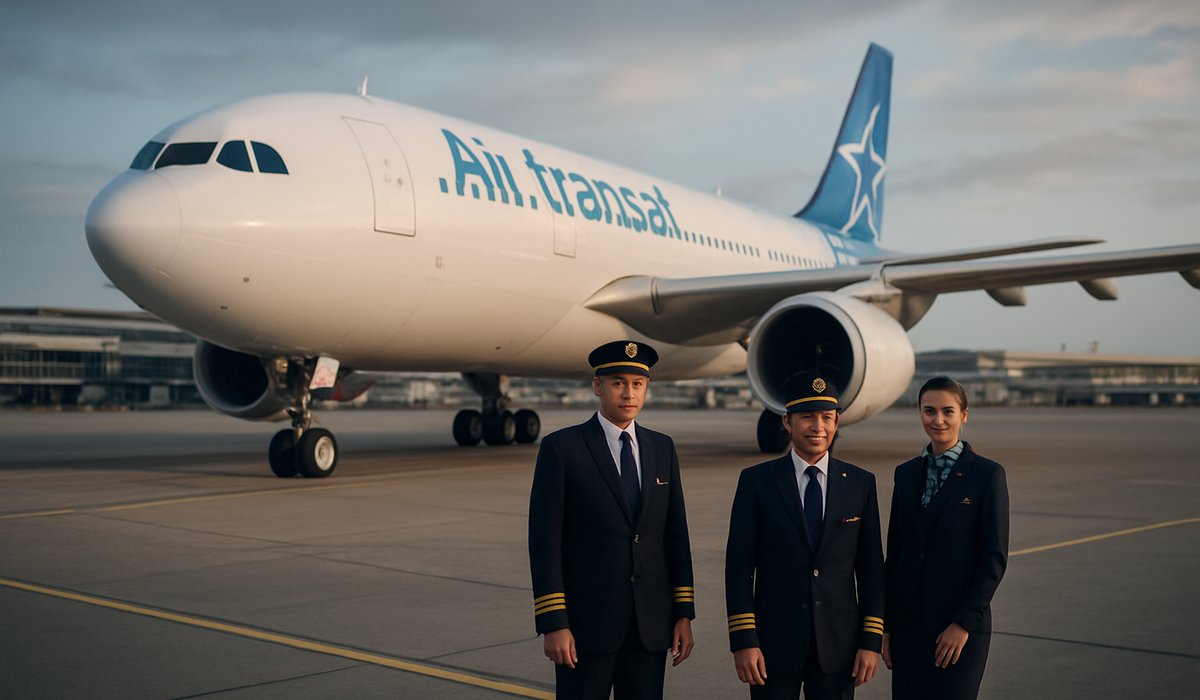
Image generated by AI
Air Transat Expands Transatlantic Operations with New Long-Haul Route, Signaling Recovery in Leisure Travel Demand
Canadian carrier posts strongest summer schedule on record as it capitalizes on post-pandemic travel surge
Leisure Carrier Announces Aggressive Growth Strategy
Canada's leading leisure airline, Air Transat, is aggressively ramping up its international operations with the launch of a new nonstop transatlantic route featuring 10-hour flights, marking a significant expansion of its long-haul network. The carrier's latest scheduling announcement reveals ambitious growth targets for the peak summer travel season, positioning the operator to capture increased demand from North American and European leisure travelers.
Record-Breaking Summer Capacity
According to operational data submitted to aviation intelligence platform OAG, Air Transat plans to operate an average of 28 daily flights throughout July and August—surpassing its previous operational peak by approximately 5 percent. This capacity surge represents the airline's strongest summer schedule in its operational history and underscores renewed confidence in the leisure travel sector following pandemic-related disruptions that decimated international tourism.
The expansion comes as global aviation recovery continues to accelerate, with leisure carriers benefiting disproportionately from pent-up demand among vacation-focused travelers. Unlike network carriers that balance business and leisure segments, Air Transat's business model allows it to capitalize fully on the current surge in holiday bookings and extended-break travel patterns.
Strategic Long-Haul Investment
The introduction of the new transatlantic route reflects Air Transat's strategic pivot toward expanding its long-haul capabilities. The 10-hour nonstop service represents a competitive offering in the transatlantic leisure segment, traditionally dominated by legacy carriers and low-cost long-haul operators. By eliminating connections on this route, Air Transat enhances travel convenience while reducing operational complexity and improving schedule reliability—critical factors for price-sensitive leisure passengers.
This network expansion also signals the airline's confidence in fuel cost stability and broader economic conditions, despite persistent inflation concerns affecting the aviation sector. Jet fuel prices, while elevated compared to pre-2020 levels, have stabilized sufficiently to support new route profitability.
Broader Industry Implications
Air Transat's aggressive scheduling reflects a broader trend among leisure carriers capitalizing on high consumer demand for European holidays. The airline's growth coincides with elevated airline fees for baggage and ancillary services—revenue streams that have become increasingly important to carrier profitability amid fuel price volatility and labor cost pressures.
The expansion also indicates shifting competitive dynamics in the transatlantic market, where traditional carriers face pressure from specialized leisure operators offering lower fares and simplified service models that appeal to budget-conscious vacation travelers.
Frequently Asked Questions
Q: What is Air Transat's new transatlantic route, and when does it launch? A: While specific route details and launch dates vary by market, Air Transat's 10-hour nonstop service expands its European network capacity during the summer peak season, typically operating between July and August schedules.
Q: How do airline fees and baggage charges affect transatlantic travel costs? A: Baggage fees on leisure carriers typically range from $30–$50 USD per checked bag per direction. These ancillary charges can significantly impact total trip costs, particularly for families traveling with multiple bags, making airline fee transparency essential when comparing fares.
Q: Why are leisure airlines expanding long-haul capacity now? A: Post-pandemic leisure travel demand remains exceptionally strong, jet fuel prices have stabilized, and travelers show willingness to pay premium fares for convenient nonstop service, creating favorable conditions for capacity expansion.
Q: How do 10-hour transatlantic flights impact passenger experience? A: Direct routing eliminates connection hassles and reduces total journey time compared to one-stop itineraries. However, ultra-long-haul economy flights require careful seat selection and advance planning to manage comfort during extended flight times.
Q: What role do jet fuel prices play in airline scheduling decisions? A: Jet fuel costs directly impact route profitability and capacity decisions. Stabilized fuel prices allow carriers to plan ambitious schedules with confidence, while price spikes typically trigger capacity reductions and fee increases.
Related Travel Guides
-
328 Flights Delayed, 16 Canceled Across Portugal's Major Airports on June 10, 2026
-
SWISS Launches Tokyo Route: New York, LA, Toronto Service Expansion 2026
External Resources
Disclaimer
This article is for informational and educational purposes only. It does not constitute legal, financial, or professional advice. While we strive to provide accurate and up-to-date information, travel policies, regulations, and conditions change rapidly. Always verify information with official sources before making travel decisions. Nomad Lawyer makes no representations about the accuracy, reliability, completeness, or suitability of the information provided. Readers should consult qualified professionals for advice specific to their circumstances. The views expressed in this article are those of the author and do not necessarily reflect the views of Nomad Lawyer.
Kunal K Choudhary
Co-Founder & Contributor
A passionate traveller and tech enthusiast. Kunal contributes to the vision and growth of Nomad Lawyer, bringing fresh perspectives and driving the community forward.
Learn more about our team →