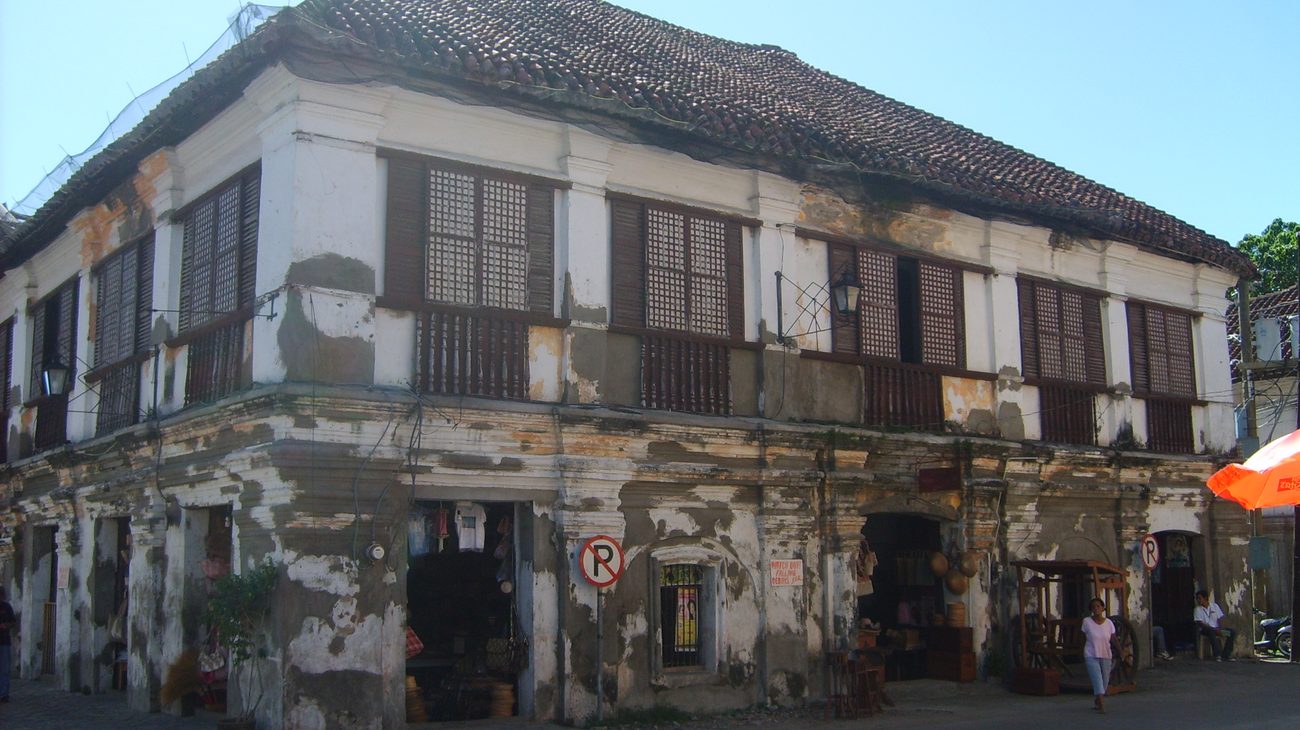
10 Beautiful Cities in Brazil That International Travelers Often Overlook

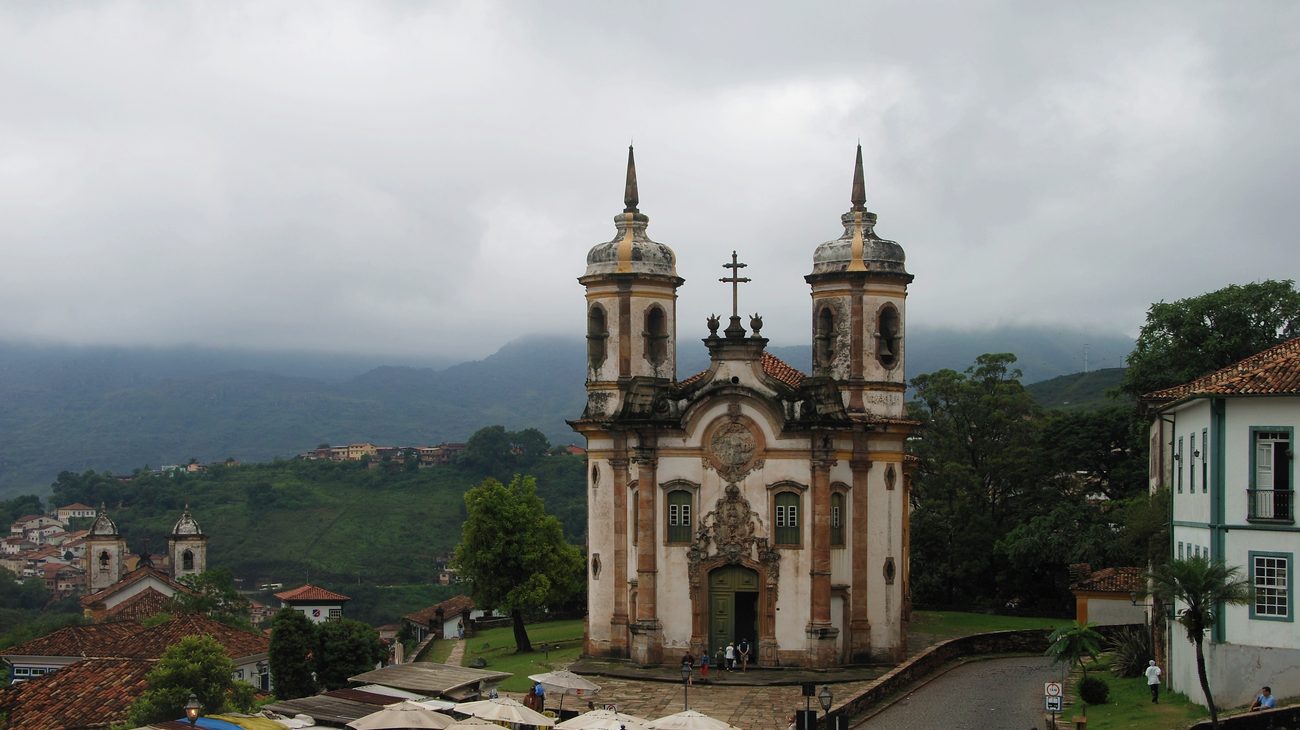
The rolling mountain landscape and 18th-century baroque architecture of Ouro Preto, Minas Gerais.
When most people envision Brazil, their minds drift immediately to the iconic sweep of Copacabana, the towering silhouette of Christ the Redeemer cutting through coastal clouds, or the carnival drums echoing through Salvador's Pelourinho. But after spending seven months crisscrossing this continental nation by long-distance overnight bus and regional commuter flights, I discovered that Brazil’s most enchanting magic lives far beyond its most heavily marketed postcards.
I will never forget the moment I stepped off the night bus into the crisp, high-altitude mountain air of Ouro Preto in Minas Gerais. As the dawn mist evaporated off steep cobblestone inclines, the bells of twelve different 18th-century baroque churches began to toll in unison. The aroma of freshly baked pão de queijo and wood-fired pots of feijão tropeiro drifted from kitchen windows, and the sheer quiet was profound. Over on r/Brazil, local travelers and seasoned expats constantly lament that international visitors get stuck in the rigid Rio–Iguaçu–Salvador triangle. This guide breaks down the ten most breathtaking, culturally rich, and safe cities in Brazil that deserve a dedicated spot on your South American itinerary.
1. Ouro Preto (Minas Gerais): The Golden Mountain Sanctuary
Perched dramatically across a jagged valley in the Serra do Espinhaço mountains, Ouro Preto is quite simply one of the best-preserved colonial architectural treasures on the planet. Built on the back of the 18th-century Brazilian Gold Rush, every street feels carved out of history.
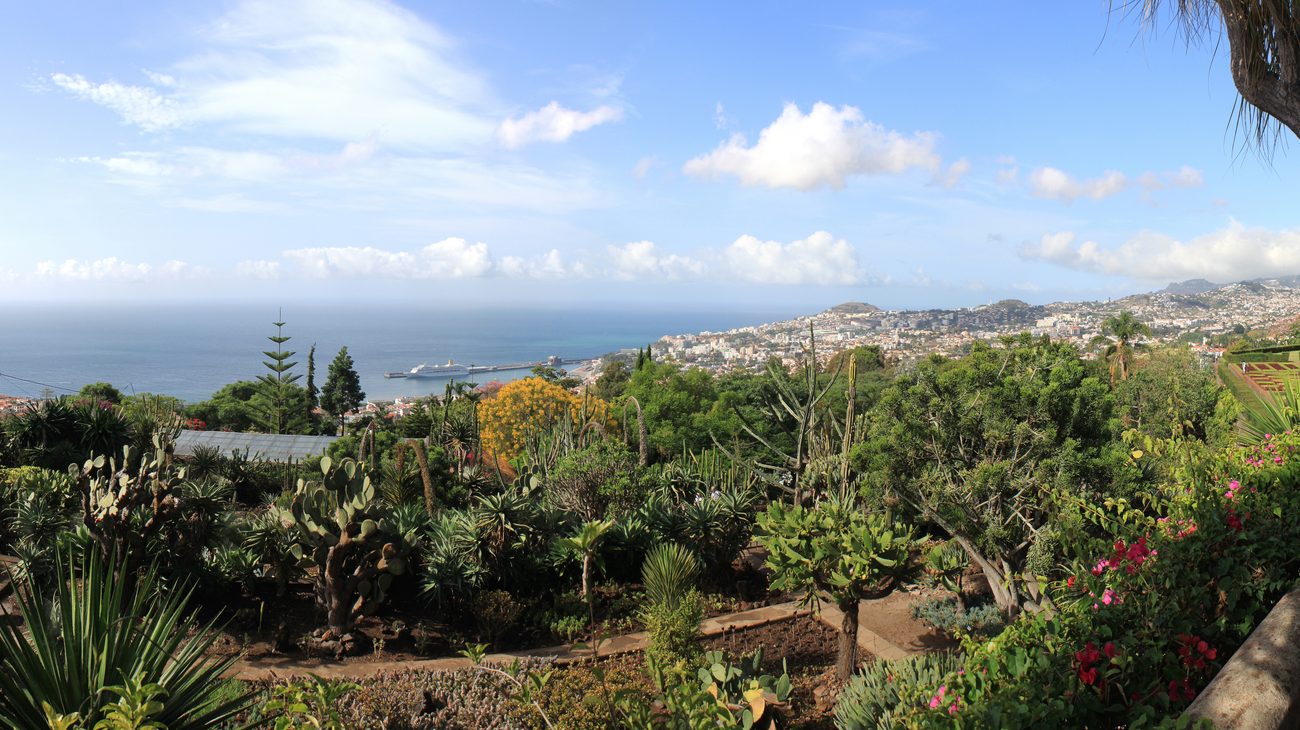 The geometric French gardens and iron-and-glass greenhouse of Curitiba's botanical sanctuary.
Wandering here requires sturdy footwear. The streets are paved in massive, uneven river stones called pé-de-moleque, dipping into ravines and ascending cliffs so steep your calves will burn within an hour. But the rewards are unparalleled: stepping inside the Church of São Francisco de Assis, you stand beneath ceiling frescoes hand-painted by the master sculptor Aleijadinho. Unlike Rio, the pace here is contemplative and leisurely. Evenings are spent in subterranean tavern cellars sipping artisanal cachaça aged in native amburana wood.
- Reddit Insider Tip (via r/Brazil): Don't take a standard day tour from Belo Horizonte. Stay at least two nights in a historic pousada. The town empties of day-trippers by 4:00 PM, and walking the gas-lit alleys under a blanket of stars is an ethereal experience.
2. Curitiba (Paraná): The Green European-Style Capital
If Ouro Preto is a baroque dream, Curitiba is an urban planner's masterpiece. Located on the first plateau of Paraná at 930 meters above sea level, Curitiba regularly shocks first-time visitors with its cleanliness, cool climate, and visionary public transit system.
The crown jewel of the city is the Jardim Botânico, whose Art Nouveau glass greenhouse shines like a crystalline beacon amidst manicured French-style gardens. Beyond the parks, Curitiba is home to the Oscar Niemeyer Museum—colloquially called "O Olho" (The Eye)—a gravity-defying modernist structure perched atop a canary-yellow pedestal.
For travelers who love train journeys, Curitiba is also the departure station for the famous Serra Verde Express: a four-hour rail descent that winds through the misty Atlantic rainforest, crossing narrow iron trestle bridges suspended over bottomless canyons before pulling into the sleepy colonial riverside town of Morretes.
3. Olinda (Pernambuco): Vibrant Color and Afro-Brazilian Rhythm
Just six miles north of Recife’s glass skyscrapers lies Olinda, a sun-drenched hill town overlooking the Atlantic Ocean that feels suspended in eternal summer. Founded by the Portuguese in 1535, Olinda's hills are lined with pastel-colored merchant houses painted in vivid shades of ochre, cobalt, turquoise, and coral pink.
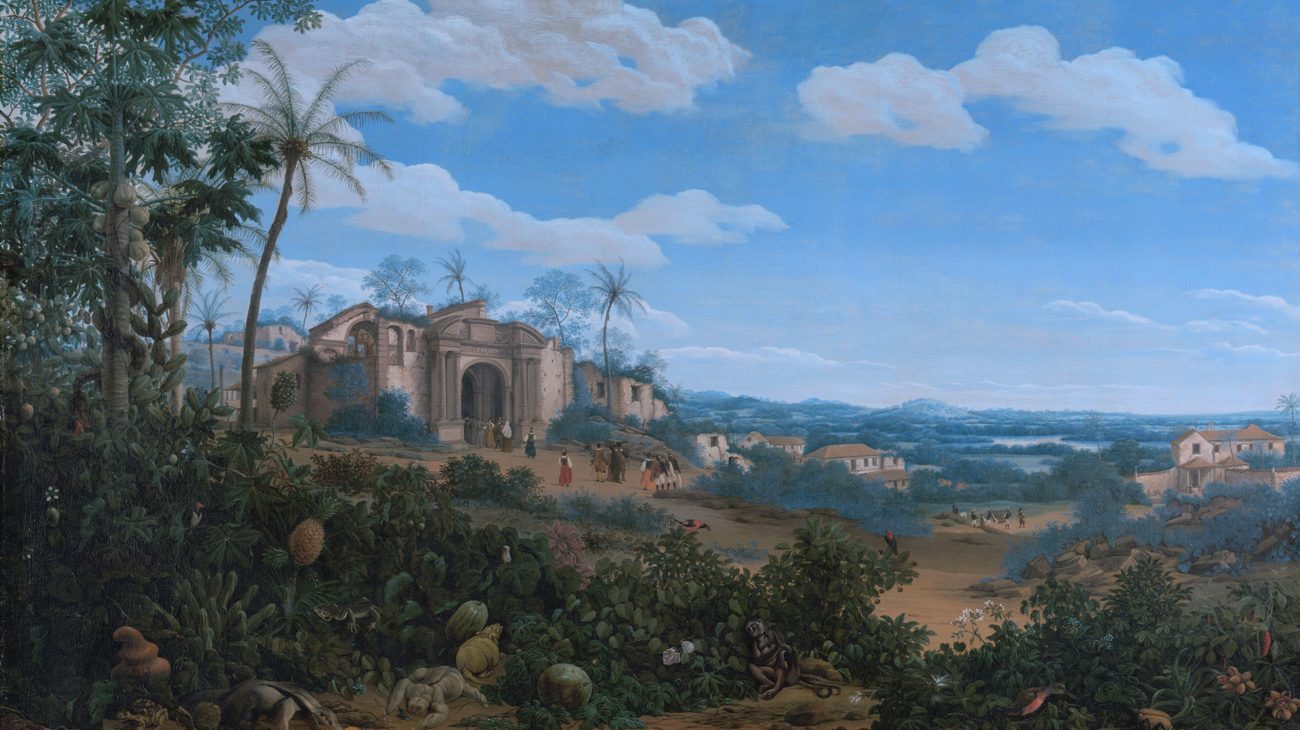 Historic cobblestone avenues and vibrant colonial facades in Olinda, Pernambuco.
During my stay, late afternoons were spent sitting on the grass outside the Alto da Sé cathedral, watching the sun dip into the ocean while eating fresh tapioca pancakes filled with shredded coconut and salty coalho cheese. Olinda is also the spiritual birthplace of frevo—a high-energy, acrobatic musical tradition—and maracatu percussion groups whose weekly street rehearsals shake the ancient foundations of the town.
- Local Food Highlight: Head to Oficina do Sabor for pumpkin stuffed with fresh prawns and cashew nuts, washed down with freshly squeezed graviola (soursop) juice.
4. Florianópolis (Santa Catarina): The Island of Forty-Two Beaches
Known throughout South America as "A Ilha da Magia" (The Island of Magic), Florianópolis—or simply Floripa—is a 33-mile-long island connected to the southern Brazilian mainland by a graceful suspension bridge. With over forty distinct beaches, sand dunes, coastal lagoons, and Atlantic jungle reserves, it offers the ultimate outdoors-oriented lifestyle in Brazil.
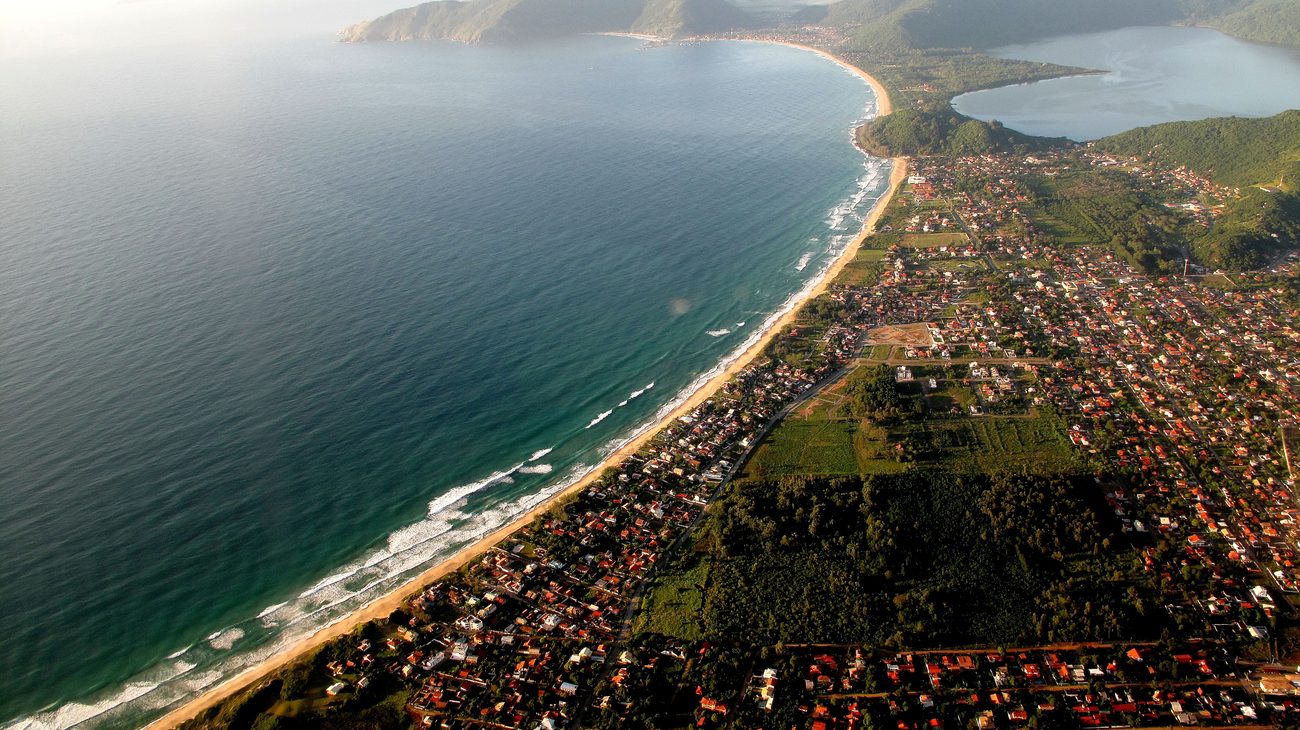 The emerald lagoons and pristine Atlantic surf beaches of Florianópolis.
On r/Brazil, Floripa is consistently rated as one of the safest metropolitan areas in South America. For young travelers and digital nomads, the beating heart of the island is Lagoa da Conceição: a picturesque saltwater lagoon lined with craft beer pubs, açai kiosks, and kitesurfing schools. On the rugged south end of the island, pristine hiking trails lead across isolated headlands to secluded beaches like Praia do Naufragados, accessible only on foot or by fisherman's boat.
5. Paraty (Rio de Janeiro State): Where the Jungle Meets Colonial Waves
Positioned halfway between Rio de Janeiro and São Paulo along the dramatic Costa Verde, Paraty is an architectural and ecological wonderland where steep rainforest mountains tumble directly into calm, emerald ocean bays.
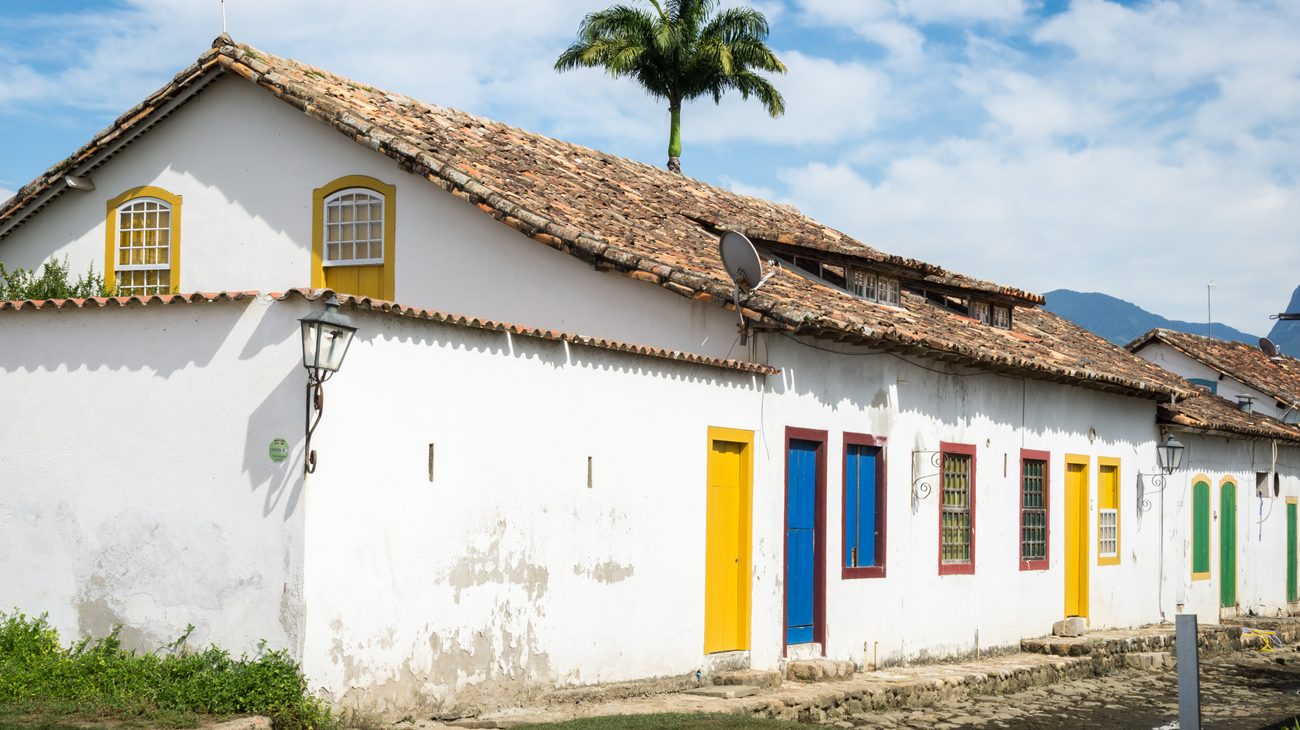 Pristine whitewashed colonial architecture and pedestrian cobblestone streets in Paraty.
The historic core of Paraty is entirely pedestrianized. Cars are strictly banned, preserving an atmosphere of pure tranquil antiquity. Due to an ingenious 18th-century civil engineering design, when the ocean tide rises during full moons, seawater gently floods the street gutters, washing the stones clean and creating mirror-like reflections of the whitewashed facades and brightly painted doorframes.
Rent a private wooden schooner (traineira) from the town dock for $35 an hour, and you can spend your day anchoring in turquoise coves, swimming with sea turtles, and eating freshly grilled sea bass served straight to your deck.
6. Belém (Pará): The Culinary Capital of the Amazon
Located at the mouth of the mighty Amazon River system, Belém is an intoxicating sensory overload. It is not a city designed for conventional sightseeing; it is an adventure for your palate.
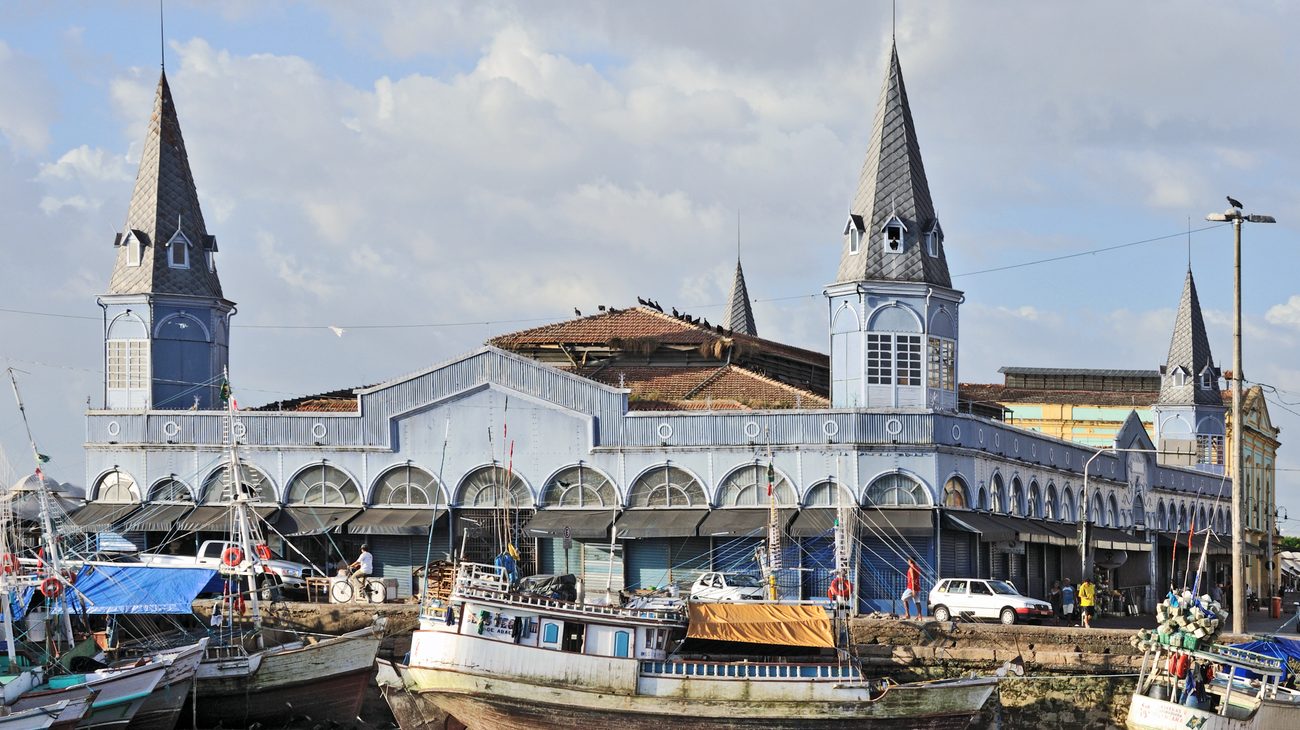 The historic iron market halls of Ver-o-Peso along the Amazon riverfront in Belém.
At 5:30 AM every morning, hundreds of wooden boats dock at the iron-framed Ver-o-Peso market—one of the oldest open-air trading markets in the Americas. Baskets overflowing with wild Amazonian fruits, towering piles of fresh river fish like pirarucu, and medicinal herb stalls run by river shamans create an unforgettable scene.
Belém is also the true birthplace of authentic açaí. Unlike the sweetened frozen dessert bowls sold in North America and Europe, Amazonian açaí is served thick, unsweetened, room-temperature, and eaten alongside savory fried fish or dried shrimp and crunchy manioc flour (farinha).
7. Tiradentes (Minas Gerais): Slow Food and Romantic Cobblestones
If Ouro Preto can feel dramatic and rugged, Tiradentes is its serene, romantic cousin. Nestled under the towering red quartzite cliffs of the Serra de São José, this town of 8,000 residents has quietly transformed into Brazil's foremost culinary retreat.
Colonial horse-drawn carriages clatter along stone streets lined with art galleries, antique bookshops, and boutique pousadas with private plunge pools. The dining scene here is legendary: chefs from São Paulo and Europe have relocated to Tiradentes to open farm-to-table restaurants that celebrate traditional Mineiro ingredients like smoked pork belly, okra, wild herbs (ora-pro-nóbis), and fresh mountain cheeses.
8. Bento Gonçalves (Rio Grande do Sul): Brazilian Wine Country
Few foreign travelers realize that Brazil has a thriving, world-class wine region. Settled by northern Italian immigrants in the late 19th century, Bento Gonçalves and the surrounding Vale dos Vinhedos look and feel astonishingly like the rolling hills of Tuscany or Veneto.
Here, stone farmhouses and cypress-lined driveways give way to family-run vineyards producing internationally acclaimed sparkling wines (espumantes), crisp Chardonnays, and robust Merlots. Renting a bicycle or hiring a private driver allows you to hop between cellar-door tastings, feast on hearty bowls of galeto al primo canto (crispy grilled young chicken seasoned with sage and white wine), and experience a facet of Brazilian culture that completely defies tropical stereotypes.
9. João Pessoa (Paraíba): The Quietest Coastal Paradise in the Northeast
While coastal cities like Salvador and Fortaleza grab the headlines, João Pessoa—the easternmost city in the Americas—remains one of the country's best-kept secrets. Known as one of the greenest cities in the world, João Pessoa enforces strict municipal zoning laws that ban high-rise construction along its urban shoreline.
The result is miles of wide, sun-drenched beaches bordered by coconut groves and pedestrian boardwalks rather than sterile skyscraper shadows. The ocean waters are bath-warm year-round, protected by extensive offshore barrier reefs that form natural swimming pools (piscinas naturais) teeming with colorful fish during low tide.
10. Diamantina (Minas Gerais): The Northern Diamond Trail
Located further north into the arid mountainous interior of Minas Gerais, Diamantina was the epicenter of global diamond mining during the 18th century. Because it sits four hours north of Belo Horizonte, foreign tourists rarely make the journey—leaving its winding mountain trails, colonial theatres, and whitewashed chapels wonderfully peaceful.
The town is celebrated for its Vesperata: twice a month during the dry season, classical musicians lean out of second-story colonial balconies over the main street, serenading crowds gathered at candlelit tables below with violin and mandolin concertos under the starlit sky.
Logistics & Comparison Matrix
| City | State | Best Months | Primary Vibe | Avg. Daily Budget (USD) |
|---|---|---|---|---|
| Ouro Preto | Minas Gerais | Apr – Sep (Dry winter) | Baroque colonial mountain escape | $45 – $75 |
| Curitiba | Paraná | Mar – May / Sep – Nov | Urban green parks, European dining | $50 – $85 |
| Olinda | Pernambuco | Aug – Dec (Low rain) | Afro-Brazilian culture & historic art | $40 – $70 |
| Florianópolis | Santa Catarina | Dec – Mar (Beach season) | Surfing, lagoon life & safety | $60 – $110 |
| Paraty | Rio de Janeiro | May – Sep (Dry & sunny) | Coastal rainforest & schooner sailing | $65 – $120 |
| Belém | Pará | Jul – Dec (Drier Amazon season) | Wild culinary markets & river culture | $40 – $65 |
| Tiradentes | Minas Gerais | Apr – Oct (Crisp weather) | Gourmet dining & romantic pousadas | $70 – $130 |
| Bento Gonçalves | Rio Grande do Sul | Jan – Mar (Grape harvest) | Italian heritage & vineyard tours | $65 – $110 |
| João Pessoa | Paraíba | Sep – Feb (Crystal waters) | Quiet tropical beaches & seafood | $35 – $60 |
| Diamantina | Minas Gerais | May – Aug (Vesperata season) | Rugged diamond trail history | $40 – $65 |
Frequently Asked Questions (FAQ)
How do I get around between these secondary cities?
Brazil’s domestic aviation network (operated by Azul, Gol, and LATAM) connects regional hubs efficiently. For regional travel—especially in Minas Gerais and the South—executive long-distance buses (ônibus leito or semi-leito) are remarkably comfortable, featuring reclining seats, air conditioning, and USB charging ports.
Is it safe to travel to these cities compared to Rio or Salvador?
Yes. Cities like Florianópolis, Curitiba, Tiradentes, and Ouro Preto have significantly lower crime rates than major Brazilian coastal metropolitan centers. Normal urban awareness is always advised, but travelers in these towns generally experience a relaxed, secure atmosphere.
What payment methods should I prepare?
Brazil has largely transitioned to digital payments. Visa and Mastercard with chip and contactless (NFC) are accepted virtually everywhere, from boutique hotels down to beachside coconut vendors. Carrying 100–200 Brazilian Reais (BRL) in small bills is useful for remote bus stations and rural markets.
This article is for informational purposes. Flight routes, passenger regulations, visa rules, and transit advisories are subject to change by airlines and aviation authorities. Readers are advised to verify schedules and travel documentation with relevant carriers and border agencies before departure.
Related Stories
10 Charming Cities in Taiwan That Deserve More International Attention
12 Beautiful Cities in Germany That Reddit Travelers Prefer Over the Most Famous Tourist Stops