Zimbabwe Records 11% Tourism Growth in Q1 2026 with New Financing Strategy for Tour Operators

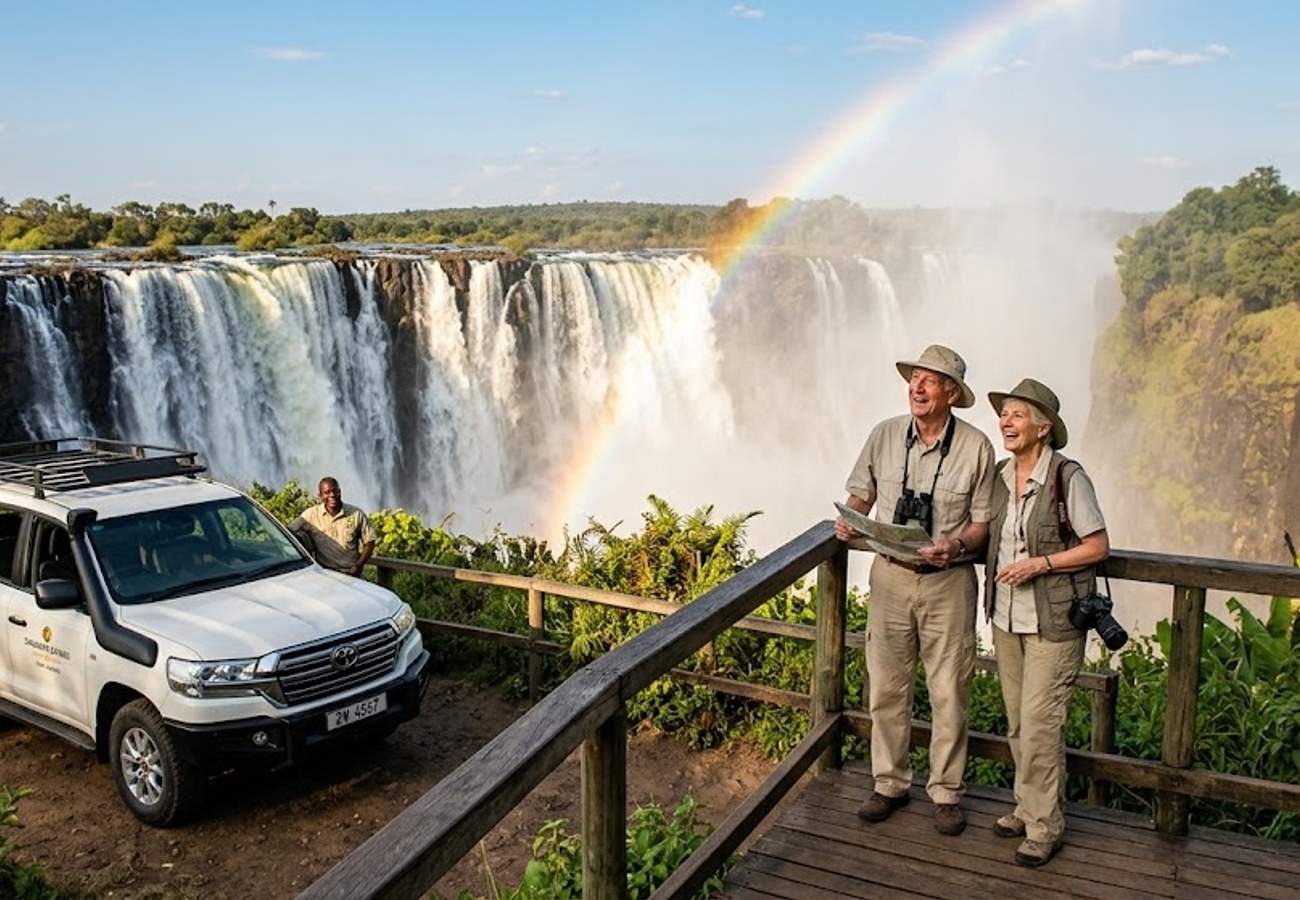
Image generated by AI
Zimbabwe has outperformed several regional competitors, including Namibia and Botswana, by recording an 11% year-on-year increase in international visitor arrivals during the first quarter of 2026. This growth is supported by a strategic financing initiative designed to stabilize tour operators and expand travel capacity.
Regional Tourism Performance and Visitor Data
The surge in arrivals is attributed to a combination of renewed global market confidence and a targeted economic approach to support the hospitality and transport sectors. Between January and March 2026, Zimbabwe welcomed 384,515 international tourists. This represents a significant recovery from previous periods marked by operational cost spikes and global travel disruptions.
While African markets remain the primary source of visitors, there has been a measurable increase in arrivals from Europe and Asia, signaling a diversifying international interest in the country's wildlife and cultural heritage sites.
Q1 2026 Comparative Growth Metrics
| Destination | Q1 2026 Performance Trend | Primary Strategic Focus | Key Attractions |
|---|---|---|---|
| Zimbabwe | +11% YoY Growth | Operator Financing & Recovery | Victoria Falls, Hwange National Park |
| Namibia | Steady Expansion | High-Value Luxury Safaris | Namib Desert, Etosha National Park |
| Seychelles | Market Diversification | Aviation Connectivity | Marine Nature, Luxury Island Resorts |
| Botswana | Sustainable Growth | Conservation-Led High-Value Model | Okavango Delta, Chobe National Park |
The Tourism Financing Initiative
The Zimbabwe Tourism Authority has identified a critical gap in the tourism ecosystem: the lack of affordable capital for small to medium-sized operators. To address this, a new financing strategy has been implemented to provide:
- Affordable Funding Solutions: Lower-interest loans to help operators rebuild after economic volatility.
- Refinancing Opportunities: Mechanisms to restructure existing debt to improve cash flow.
- Operational Upgrades: Capital specifically earmarked for upgrading transport fleets and implementing digital marketing technologies.
- Service Enhancement: Funding to develop new, competitive tourism packages for the international market.
By stabilizing the financial health of tour operators, the government aims to increase foreign currency earnings and create more sustainable employment within local communities.
Regional Competitive Landscape
While Zimbabwe focuses on volume and recovery, other African nations are pursuing specialized niches:
Namibia is prioritizing "quality over quantity," focusing on high-value travelers through the development of exclusive luxury lodges and community-based tourism in the Skeleton Coast and Namib Desert regions.
Seychelles is aggressively expanding its airline connectivity to tap into emerging markets, specifically targeting India, to diversify its visitor base beyond traditional European markets.
Botswana continues to utilize a high-value, low-impact model, centering its growth on the Okavango Delta and Chobe National Park with a strict emphasis on responsible wildlife management.
Traveler Logistics Guide: Navigating Zimbabwe 2026
For travelers planning a visit to Zimbabwe following this growth surge, efficient logistics are key to accessing remote national parks and urban centers.
Booking and Connections
- Entry Points: Most international travelers enter via Robert Gabriel Mugabe International Airport (HRE) in Harare or Victoria Falls International Airport (V bebas).
- Optimal Layover Times: If connecting from regional hubs like Johannesburg or Addis Ababa, allow at least 3 hours for customs and immigration processing.
- Transport Selection: With the current financing push, many operators are upgrading their fleets. It is recommended to book "certified" operators recognized by the Zimbabwe Tourism Authority to ensure vehicle safety and reliability.
Customs and Digital Transit
- Visa Requirements: Check current e-Visa availability to avoid long queues at land borders.
- Payment Systems: While the tourism sector is modernizing, a mix of USD and local currency is often used. Use verified digital payment platforms or carry certified currency for safari lodge settlements.
Suggested Itinerary Flow To maximize the experience, start in Harare for cultural sites, move to Hwange National Park for wildlife, and conclude at Victoria Falls for adventure activities. This route minimizes backtracking and utilizes the primary transport corridors.
Infrastructure and Economic Impact Assessment
The 11% growth rate indicates that Zimbabwe is successfully transitioning from a recovery phase to an expansion phase. The shift toward providing financial support to the "middlemen" of tourism—the operators—is a strategic move that ensures the infrastructure can actually support the increase in visitor numbers.
Without the financing strategy, the increase in demand for Victoria Falls and Mana Pools could have led to service degradation. Instead, the focus on upgrading vehicles and digital systems allows Zimbabwe to compete more effectively with the luxury-centric models of Namibia and Botswana. This systemic improvement is expected to bolster foreign currency reserves and stimulate regional economic development across the Zambezi valley.
Zimbabwe's strategic pivot toward operator solvency marks a new era of scalable growth for Southern African tourism.
Related Travel Guides
This article is for informational purposes. Flight routes, passenger regulations, visa rules, and transit advisories are subject to change by airlines and aviation authorities. Readers are advised to verify schedules and travel documentation with relevant carriers and border agencies before departure.
Related Stories

Samarkand Marathon 2026: Uzbekistan Attracts 1,500 Athletes from 63 Nations for Sports Tourism

Secondary Cities in Asia and Europe Outpace Major Hubs as Overtourism Policies Shift Travel in 2026