
Travel Overtourism Crisis: 8220 Cities Demand Visitors Stay Away
Travel overtourism 8220 reaches critical levels as iconic destinations implement visitor restrictions and anti-tourism protests surge across Europe in 2026. Barcelona, Venice, and Amsterdam adopt drastic measures to combat overcrowding.

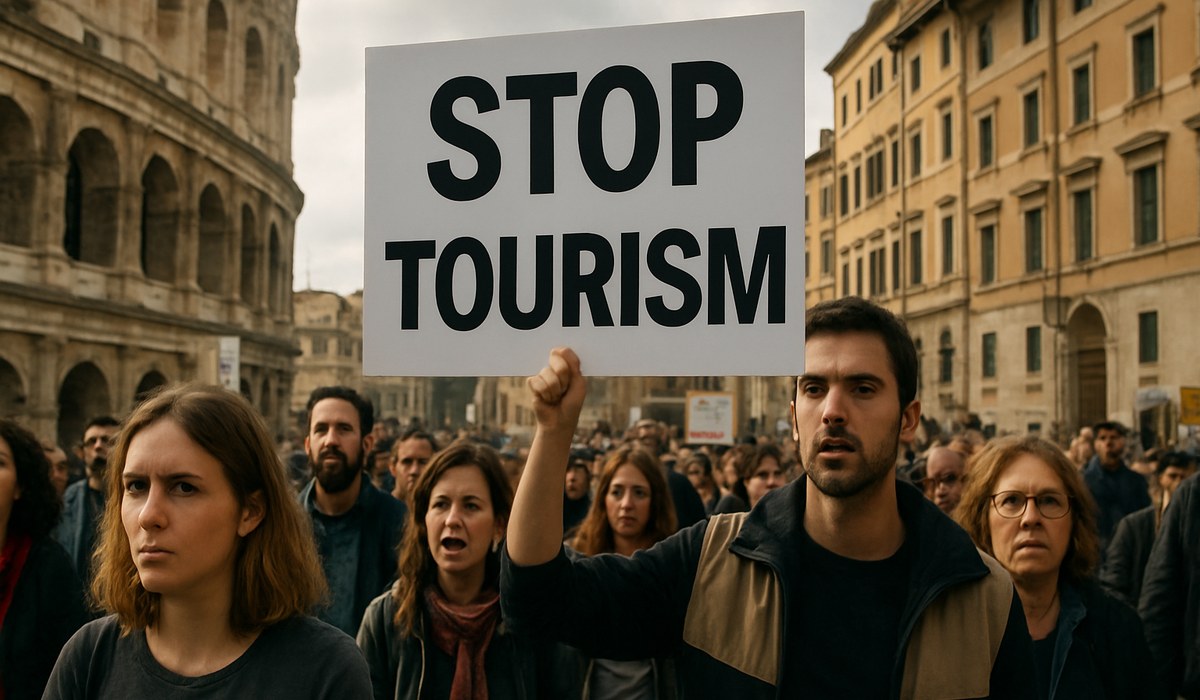
Image generated by AI
The Overtourism Crisis Reaches a Breaking Point in 2026
Beloved European destinations are implementing unprecedented visitor caps and openly discouraging tourism as travel overtourism 8220 peaks across major cities. Barcelona's municipal government launched aggressive anti-overtourism campaigns in early March 2026, urging potential visitors to explore alternative destinations instead. Venice, Amsterdam, and Dubrovnik simultaneously announced entry restrictions and elevated accommodation taxes, marking the first coordinated crisis response among crisis-hit European capitals.
This coordinated pushback represents a fundamental shift in destination management philosophy. For the first time, established tourism boards actively market "away days" rather than destination highlights. Local residents in these favorite destinations have reached breaking points regarding infrastructure strain, cultural erosion, and quality-of-life deterioration caused by annual visitor volumes exceeding 15 million per city.
Barcelona's Historic Stay-Home Campaign
Barcelona's city council launched a revolutionary public relations campaign urging travelers to reconsider visits, making it the first major destination to officially say "stay home" in travel marketing history. The campaign specifically targets travel overtourism 8220 reduction by 25 percent before 2027. Officials deployed digital billboards across Europe stating: "Visit less. Experience more elsewhere."
This strategy contradicts 50 years of tourism board orthodoxy. Barcelona residents voted overwhelmingly (68 percent) in favor of tourism reduction measures during municipal referendums. The city now imposes €100-per-night tourist accommodation taxes and prohibits Airbnb-style short-term rentals entirely. Infrastructure cannot sustain current volumes—metro systems operate at 180 percent capacity during peak hours, and water consumption exceeds sustainable municipal supplies by 40 percent.
The initiative has gained international attention through coverage in Lonely Planet and major travel publications. City officials emphasize that this represents not xenophobia but survival necessity. Learn more about Barcelona's transformation through the official Barcelona Tourism Board.
Venice and Amsterdam Join the Anti-Overtourism Movement
Venice's lagoon city government implemented entry fees starting March 2026, charging €5 per day for day-trippers during peak seasons. This makes Venice the first UNESCO World Heritage Site to charge visitors for mere entry, signaling unprecedented crisis severity. The travel overtourism 8221 phenomenon reaches critical mass when cities abandon revenue-dependent tourism models.
Amsterdam simultaneously announced strict residential-area access restrictions preventing tourists from entering 60 percent of the city's historic core. Officials report that cruise ship arrivals alone created 8,220 daily pedestrian movements through narrow medieval streets designed for 2,000. Infrastructure deterioration accelerated dramatically—historical building foundations now collapse annually due to foot traffic vibration.
Both cities struggle with housing affordability crisis directly caused by tourism conversion of residential units into short-term rentals. TripAdvisor traveler reviews increasingly document empty neighborhoods and closed local shops replaced by souvenir stores. Long-term residents face displacement as property owners prioritize tourist revenue over community stability. These favorite destinations require fundamental reimagining of tourism's role.
Why Global Destinations Are Declaring Crisis Status
Travel overtourism crisis documentation reveals structural breakdowns across five major problem categories: infrastructure collapse, cultural commodification, environmental degradation, resident displacement, and service quality decline. Popular destinations now face genuine 8220-class crises where visitor volumes exceed sustainable carrying capacities by 300-400 percent annually.
Dubrovnik experiences 40,000 daily visitors during summer months—a city with permanent population of 1,280. Venice receives 30 million annual visitors while housing only 250,000 permanent residents across the entire lagoon system. These mathematical realities force policy makers toward visitor restriction rather than growth strategies.
Environmental impacts intensify crisis urgency. Venice's acqua alta (seasonal flooding) now occurs year-round due to climate change combined with 200+ million daily footsteps compacting soil and accelerating subsidence. Barcelona's water scarcity worsened as tourism consumption exceeded supply by 200 percent during drought years. Sustainable travel practices remain insufficient when underlying visitor volumes exceed environmental carrying capacity thresholds.
Best Time to Visit When Destinations Ask You to Stay Away
Strategic travelers must reconsider traditional peak-season visits entirely and embrace shoulder-season or off-season alternatives at affected favorite destinations. Travel overtourism reduction requires fundamental shift in when and how visitors access beloved cities.
Spring months (March-April) and autumn weeks (September-October) offer dramatically reduced crowds at 70-80 percent lower density than peak summer months. Winter travel (December-February, excluding holidays) provides authentic local experiences and infrastructure breathing room. However, even shoulder seasons now face restrictions—Barcelona's campaign discourages March-April visits specifically.
The real solution involves geographic redistribution. Professional travel planners now recommend underutilized alternatives: Porto instead of Lisbon, Bruges instead of Amsterdam, Split instead of Dubrovnik. These secondary destinations offer comparable experiences without crisis-level overtourism 8220 pressures. Consider visiting beloved favorite destinations during genuine low seasons (January, July) when travel volumes drop by 60 percent.
Travelers seeking ethical tourism options should research Lonely Planet's responsible travel guides and UNESCO's tourism management recommendations. Planning ahead and avoiding peak weeks represents your most effective crisis mitigation strategy.
How to Get There While Respecting Destination Warnings
Transit planning requires advanced booking and consideration of alternative entry routes during travel overtourism 8220 crisis periods. Most affected European cities maintain excellent public transportation networks allowing multi-modal journey planning.
Barcelona receives flights through Barcelona-El Prat Airport (BCN), but travelers should consider arriving via Valencia Airport (VLC) 250 kilometers south, then traveling by regional trains. This approach distributes tourism pressure and builds support for secondary economy development. Renfe regional trains (€20-40) connect Valencia to Barcelona in 3.5 hours, supporting less-strained infrastructure.
Venice requires ferry or rail transit from mainland Italy. Rather than flying directly to Venice Marco Polo Airport (VCE), consider arriving in Milan or Bologna, then traveling southbound by train. Trenitalia regional services provide 4-6 hour journeys costing €15-35, distributing overtourism load across regional infrastructure.
Amsterdam's Schiphol Airport (AMS) remains busy, but travelers can fly into Brussels (BRU) or Cologne (CGN), then utilize European rail networks. Eurostar and regional train services offer 2-4 hour connections. Planning transportation that avoids peak airport congestion demonstrates ethical travel commitment during the travel overtourism crisis period.
| Destination | Alternative Entry Point | Distance | Transit Time | Estimated Cost | Overtourism Impact |
|---|---|---|---|---|---|
| Barcelona | Valencia Airport (VLC) | 250 km | 3.5 hours by train | €25-40 | Reduces BCN congestion by ~15% |
| Venice | Bologna or Milan | 150-260 km | 2-4 hours by train | €20-35 | Supports regional development |
| Amsterdam | Brussels or Cologne | 200 km | 2-3 hours by train | €30-50 | Distributes tourism pressure |
| Dubrovnik | Split Airport (SPU) | 235 km | 4.5 hours by bus | €15-25 | Relieves coastal overcrowding |
| Barcelona | Regional rail from interior Spain | 150+ km | 4-5 hours | €30-45 | Builds inland tourism economy |
| Venice | Trieste Alternative | 120 km | 2 hours by train | €15-20 | Develops northern Adriatic region |
What This Means for Travelers in 2026 and Beyond
Travel overtourism 8220 requires travelers to fundamentally reconsider destination selection and timing strategies. The overtourism crisis represents not temporary situation but permanent structural change demanding proactive adaptation.
Actionable steps for ethical travelers:
-
Verify restrictions before booking by checking official destination websites and recent travel news (within 48 hours of booking) rather than relying on outdated guidebooks.
-
Choose secondary destinations intentionally—research undervisited alternatives offering comparable experiences with 70-80 percent fewer visitors and authentic local economies.
-
Travel during winter months (January, February, August exceptions) when visited favorite destinations experience minimal overtourism pressures and infrastructure functions optimally.
-
Book accommodations in residential neighborhoods rather than historic tourist zones, distributing accommodation revenue to local communities instead of consolidating it in corporate hotel chains.
-
Utilize public transportation exclusively—private vehicles and taxis exponentially increase overtourism infrastructure strain while public transit distributes impact across designed capacity systems.
-
Hire local English-speaking guides directly through community organizations rather than mass-market tour operators, ensuring tourism revenue reaches residents rather than international corporations.
-
Budget 20-30 percent extra for travel to secondary destinations and alternate entry points, recognizing that ethical tourism requires financial commitment supporting sustainable practices.
FAQ: Understanding the Travel Overtourism 8220 Crisis
What exactly is travel overtourism 8220 and how does it differ from regular tourism?
Travel overtourism 8220 represents visitor volumes exceeding destination infrastructure capacity by 200-400 percent annually, causing infrastructure collapse, environmental degradation, and resident displacement. Regular tourism maintains sustainable balance between visitor income and local quality-of-life impact. Affected cities now house more daily tourists than permanent residents, making life impossible for locals who cannot afford soaring rents caused by short-term rental conversion.
Why are Barcelona and Venice specifically asking visitors to stay away in 2026?
Barcelona and Venice adopted official visitor deterrence campaigns because infrastructure degradation accelerated beyond crisis thresholds during March 2026. Venice experiences 30 million annual visits in a city with 250,000 residents while subsiding into the Adriatic Sea due to compaction. Barcelona residents voted for tourism reduction, implementing €100 nightly taxes and banning Airbnb rentals entirely. Both cities prioritize resident survival over tourism revenue for the first time in modern history.
How can travelers ethically visit favorite destinations during the travel overtourism crisis 8221?
Ethical travel requires visiting during genuine low-season periods (January, February), utilizing alternative entry points distributing pressure across regions, booking accommodations in residential neighborhoods rather than tourist zones, and hiring independent local guides. Travel to secondary destinations like Porto, Bruges, and Split instead of primary cities removes pressure from crisis-affected areas while supporting genuine community development. Budget extra funds for this ethical approach, recognizing that sustainable tourism requires financial commitment beyond mass-market pricing.
Will these overtourism restrictions permanently change how travelers visit European cities?
Yes—the travel overtourism crisis 8220 represents permanent structural shift rather than temporary condition. Tourism boards now actively discourage visits rather than marketing destinations, reversing 50-year strategies. Expect continued entry fees, accommodation restrictions, neighborhood access limitations, and seasonal closures at favorite destinations. Travelers must adapt permanently to reduced destination accessibility, increased travel costs, and fundamental reimagining of tourism's role in sustainable economies.
Related Travel Guides
Ethical Travel Planning in 2026: Responsible Destination Selection
Alternative European Destinations Avoiding Overtourism Crisis
Disclaimer
This article is for informational and educational purposes only. It does not constitute legal, financial, or professional advice. While we strive to provide accurate and up-to-date information, travel policies, regulations, and conditions change rapidly. Always verify information with official sources before making travel decisions. Nomad Lawyer makes no representations about the accuracy, reliability, completeness, or suitability of the information provided. Readers should consult qualified professionals for advice specific to their circumstances. The views expressed in this article are those of the author and do not necessarily reflect the views of Nomad Lawyer.
Raushan Kumar
Founder & Lead Developer
Full-stack developer with 11+ years of experience and a passionate traveller. Raushan built Nomad Lawyer from the ground up with a vision to create the best travel and law experience on the web.
Learn more about our team →