
Morocco Aims for 26 Million Tourists by 2030 with MAD 38 Billion Infrastructure Surge
Morocco is pivoting from massive airport expansions to human-centric ground transport to support a goal of 26 million annual visitors by 2030.

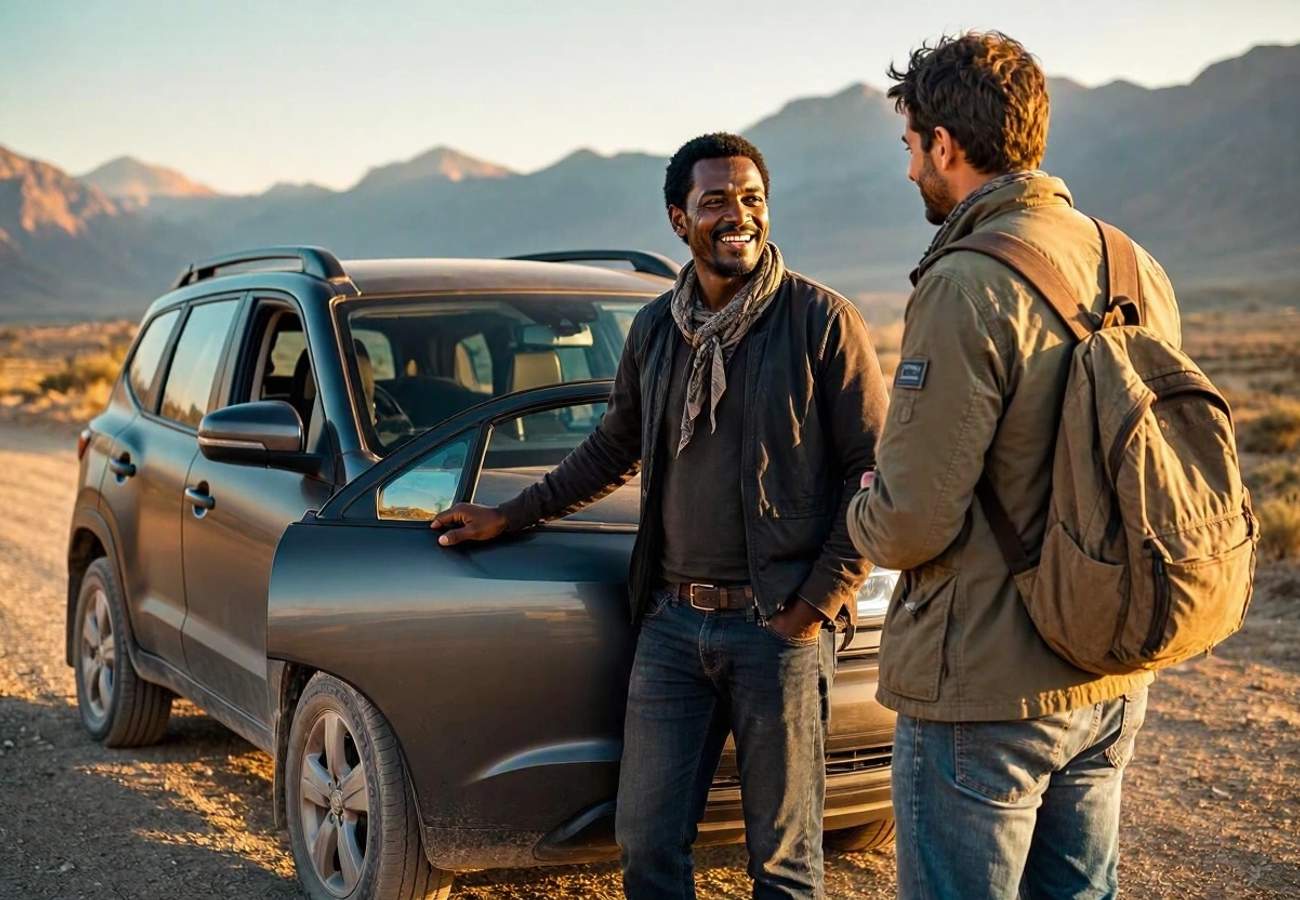
Image generated by AI
The most luxurious airport terminal in the world means nothing if you are stranded for three hours waiting for a taxi in the heat. While Morocco is investing billions into concrete and steel, the real victory for the traveler isn't found in a shiny lounge, but in the reliability of the driver who knows the shortcut to a hidden riad in the Marrakech medina.
The Shift from Mega-Hubs to Human Connection
Morocco is currently navigating a strategic pivot. For years, the focus has been on the "gateways"—the massive airports and five-star resorts. However, there is a growing realization that the gap between the arrival gate and the hotel room is where a trip is actually won or lost. To reach the ambitious goal of 26 million visitors by 2030, the nation is shifting its focus toward the "connective tissue" of travel: ground transportation and authentic hospitality.
The logic is simple: a seamless flight into Casablanca is negated if the transfer to Fez is disorganized or overpriced. By professionalizing driver training and upgrading vehicle fleets, Morocco is attempting to ensure that the human element of the journey matches the luxury of its new infrastructure. This move is designed to encourage travelers to venture beyond the typical tourist bubbles and explore the remote Atlas Mountains or the dunes of the Sahara with confidence.
Morocco's Growth by the Numbers
The scale of the current expansion is massive. The government is not just hoping for growth; they are financing it through the Airports 2030 development programme.
| Metric | 2025 Data | 2026 (to Sept) | 2030 Target |
|---|---|---|---|
| Total Tourists | 19.8 Million | 15.7 Million | 26 Million |
| Airport Passengers | 36.3 Million | N/A | 80 Million |
| Growth Rate | 14% (YoY) | 5% (vs 2025) | N/A |
| Infrastructure Investment | N/A | N/A | MAD 38 Billion |
| Foreign Exchange Revenue | 138 Billion MAD | N/A | N/A |
What Makes the Moroccan Experience Unique
Unlike the sanitized experience of many global hubs, Morocco’s appeal lies in its sensory overload and deep-rooted traditions of hospitality. The "magic" happens in the transition—the ride from the airport to the city center, the negotiation with a local guide, and the tea shared during a long drive between Agadir and Tangier.
The current strategy emphasizes that professionalized service should not erase this authenticity. Instead, the goal is to marry the reliability of a world-class logistics network with the warmth of traditional Moroccan welcome. When a driver is punctual and safe, but still shares local stories and hidden gems, the traveler feels secure yet adventurous. This balance is what separates a generic vacation from a transformative journey.
Visitor Insider Tips
To truly experience Morocco beyond the brochure, you need to understand the local rhythms of movement and etiquette.
- The "Golden Window" for Transport: To avoid the heaviest crowds at major hubs like Marrakech Menara, schedule your arrivals for mid-week. If using official taxis, always agree on the price before the car moves, or ensure the meter is running.
- Neighborhood Basing: Instead of staying in large hotels on the outskirts, book a riad inside the medinas of Fez or Marrakech. This places you in the heart of the culture and reduces your reliance on long-distance city transfers.
- Transport Hacks: For intercity travel, the high-speed rail (Al Boraq) is a game-changer for the Casablanca-Tangier route. For more remote areas, hire a licensed cultural guide via the Moroccan National Tourism Office to ensure safety and fair pricing.
- Local Etiquette: A small gesture goes a long way. Learning basic Arabic or French phrases for "thank you" (Shukran) and "please" opens doors and often leads to better service and more authentic interactions.
- Regional Specialties: When traveling between cities, stop at roadside stalls for fresh orange juice or traditional almond pastries—these are the true markers of a Moroccan road trip.
Cultural and Environmental Context
The surge toward 26 million visitors brings significant pressure to the local environment and social fabric. The "Airports 2030" plan is a financial triumph, but the environmental cost of expanding runways and increasing vehicle traffic is a growing concern.
There is a delicate tension between scaling for mass tourism and preserving the heritage sites recognized by UNESCO. Over-tourism in the medinas can lead to the "museumification" of living neighborhoods, where local residents are pushed out to make room for boutique hotels. The current push for better ground transport is partly an attempt to distribute tourists more evenly across the country, moving them away from the saturated centers of Marrakech and Casablanca and into rural communities where tourism revenue can provide a sustainable livelihood for locals.
FAQ: Visiting Morocco 2026
What is the best time to visit Morocco? Spring (March to May) and Autumn (September to November) offer the most comfortable temperatures for exploring both the cities and the desert.
Do I need a visa for Morocco? Visa requirements vary by nationality. Many Western citizens enter visa-free for short stays, but you should check the official government portal for the most current regulations.
How do I get from Casablanca to Marrakech? The most efficient ways are via a domestic flight, a rented car, or a professional private transfer. Trains are also available and reliable for this route.
Is it safe for solo travelers? Yes, Morocco is generally safe. However, solo travelers—especially women—should be mindful of local customs, dress modestly in rural areas, and use licensed transport services.
True luxury isn't a gold-plated lobby; it's the peace of mind that comes from a reliable ride and a genuine smile.
Related Travel Guides
Disclaimer
This article is for informational and educational purposes only. It does not constitute legal, financial, or professional advice. While we strive to provide accurate and up-to-date information, travel policies, regulations, and conditions change rapidly. Always verify information with official sources before making travel decisions. Nomad Lawyer makes no representations about the accuracy, reliability, completeness, or suitability of the information provided. Readers should consult qualified professionals for advice specific to their circumstances. The views expressed in this article are those of the author and do not necessarily reflect the views of Nomad Lawyer.
Preeti Gunjan
Contributor & Community Manager
A passionate traveller and community builder. Preeti helps grow the Nomad Lawyer community, fostering engagement and bringing the reader experience to life.
Learn more about our team →