
Yellowstone National Park Implements Emergency Afternoon Closures Due to Extreme Heat in 2026
Yellowstone National Park has issued emergency afternoon restrictions on key waterways to protect aquatic life as water temperatures exceed 68°F during severe 2026 heat waves.

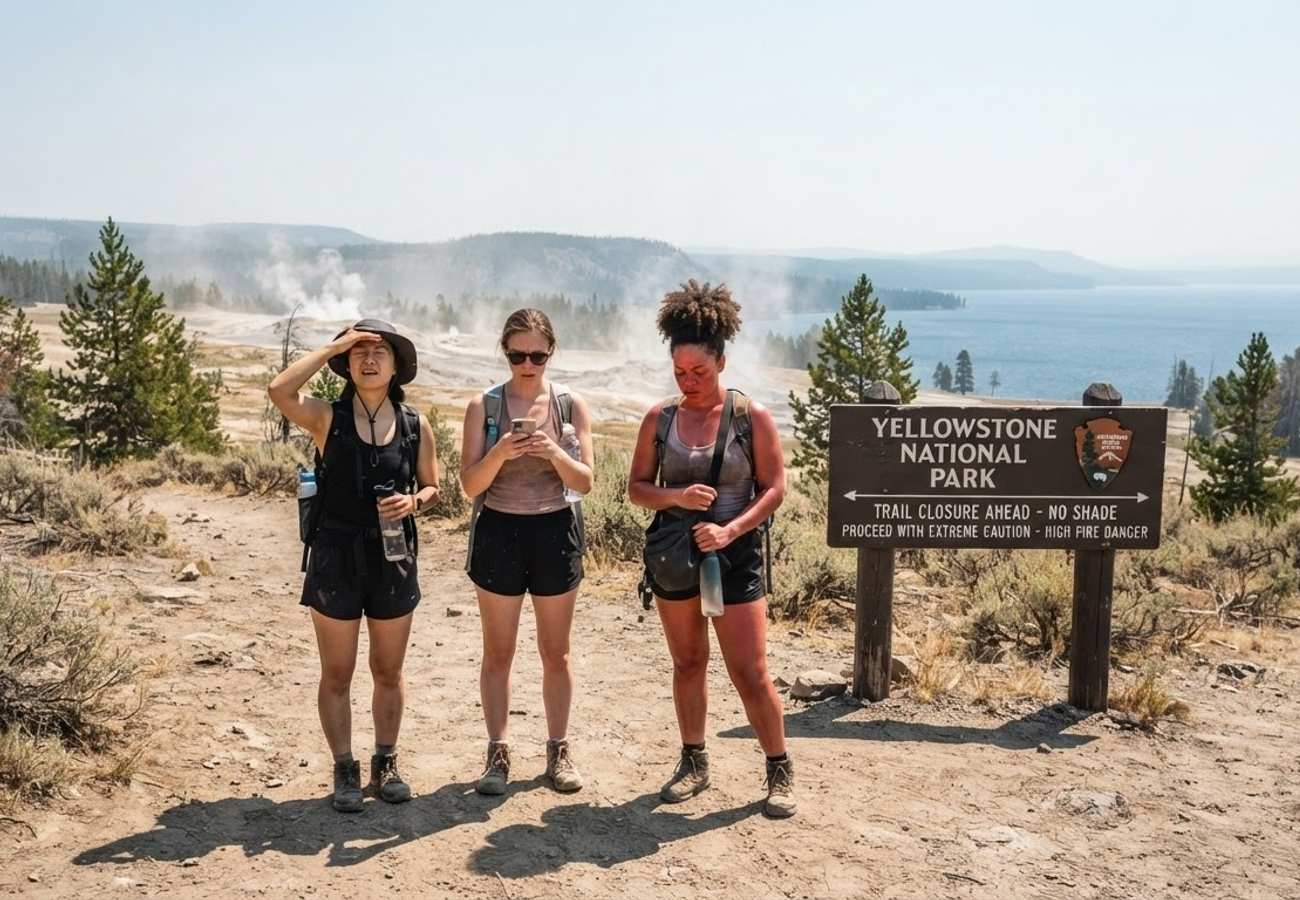
Image generated by AI
Severe heat waves across the American West have forced the National Park Service to implement emergency restrictions within Yellowstone National Park. To prevent mass aquatic mortality, authorities have closed several primary waterways to angling during the hottest parts of the day.
These measures come as a direct response to rising water temperatures that threaten the survival of cold-water fish species. Federal biologists report that when water temperatures climb, dissolved oxygen levels drop, making traditional catch-and-release fishing potentially lethal for the fish.
Biological Thresholds Triggering Emergency Closures
The National Park Service has identified 68 degrees Fahrenheit (20°C) as the critical thermal threshold for the region's aquatic ecosystems. When river temperatures consistently exceed this mark, the biological stress on trout and other cold-water species becomes unsustainable.
Because shallow rivers heat up more rapidly than deep bodies of water—especially during periods of low flow—the risk of fish exhaustion and death increases significantly. The emergency closures are designed to eliminate human-induced stress on fish already struggling with thermal instability.
Restricted Waterways and Mandatory Timeframes
Travelers and anglers visiting the regions of Wyoming, Montana, and Idaho must adhere to a strict new daily schedule. Failure to comply with these federal mandates can result in significant fines.
The following corridors are currently subject to the emergency mandate:
- Madison River: Entire length restricted.
- Firehole River: Entire length restricted.
- Gibbon River: Lower sections downstream of the Norris Campground restricted.
The mandatory closure window is active from 2:00 PM until sunrise the following morning. Angling is strictly prohibited during these hours to ensure the safety of the ecosystem.
Impact on Regional Tourism and Operations
The shift in access has created a "compression effect," where the majority of visitors are now concentrating their activities in the early morning hours. This has led to unprecedented crowding in the few remaining open zones during the dawn window.
Local businesses in gateway towns such as Gardiner and West Yellowstone are adapting their operations to maintain seasonal revenue. Guide services and outfitters are redirecting clients toward alternative activities to avoid the midday heat.
Shift to Deep-Water Alternatives
To mitigate the loss of river access, there has been a surge in demand for deep-water locations. Unlike shallow rivers, larger bodies of water retain cooler temperatures and remain open for recreation.
Yellowstone Lake and other designated deep-water basins remain open from sunrise to sunset, providing a viable alternative for those seeking aquatic recreation during the afternoon.
Essential Planning Data for 2026 Visitors
Visitors are encouraged to use real-time data to plan their itineraries and avoid legal complications. The National Park Service provides daily bulletins on river temperatures and fire restrictions, while the U.S. Geological Survey (USGS) offers streamflow databases to help identify safe recreation areas.
Summary of Emergency Restrictions
| Feature | Detail/Requirement |
|---|---|
| Daily Closure Window | 2:00 PM to Sunrise (Next Day) |
| Restricted Rivers | Madison, Firehole, Lower Gibbon |
| Critical Temp Threshold | 68°F (20°C) |
| Permitted Alternatives | Yellowstone Lake & Deep-Water Basins |
| Primary Goal | Protection of cold-water fish species |
Key Takeaways for Travelers
- Schedule Shifts: All angling in restricted rivers must conclude by 2:00 PM.
- High-Risk Zones: Avoid the Madison, Firehole, and lower Gibbon rivers during the afternoon.
- Safe Havens: Focus on deep-water lakes for afternoon activities.
- Compliance: Federal fines are being strictly enforced for those wading in restricted streams after the deadline.
- Verification: Check the National Park Service live bulletins daily for temperature updates.
The evolution of these seasonal restrictions underscores the growing necessity of adaptive travel in the face of shifting climate patterns.
Related Travel Guides
Disclaimer
This article is for informational and educational purposes only. It does not constitute legal, financial, or professional advice. While we strive to provide accurate and up-to-date information, travel policies, regulations, and conditions change rapidly. Always verify information with official sources before making travel decisions. Nomad Lawyer makes no representations about the accuracy, reliability, completeness, or suitability of the information provided. Readers should consult qualified professionals for advice specific to their circumstances. The views expressed in this article are those of the author and do not necessarily reflect the views of Nomad Lawyer.
Preeti Gunjan
Contributor & Community Manager
A passionate traveller and community builder. Preeti helps grow the Nomad Lawyer community, fostering engagement and bringing the reader experience to life.
Learn more about our team →