
Uttarakhand Valley Flowers National Park Opens June 2026
Uttarakhand's UNESCO-listed Valley of Flowers National Park opens for 2026 season, welcoming trekkers to alpine meadows through mid-October with record visitor interest.

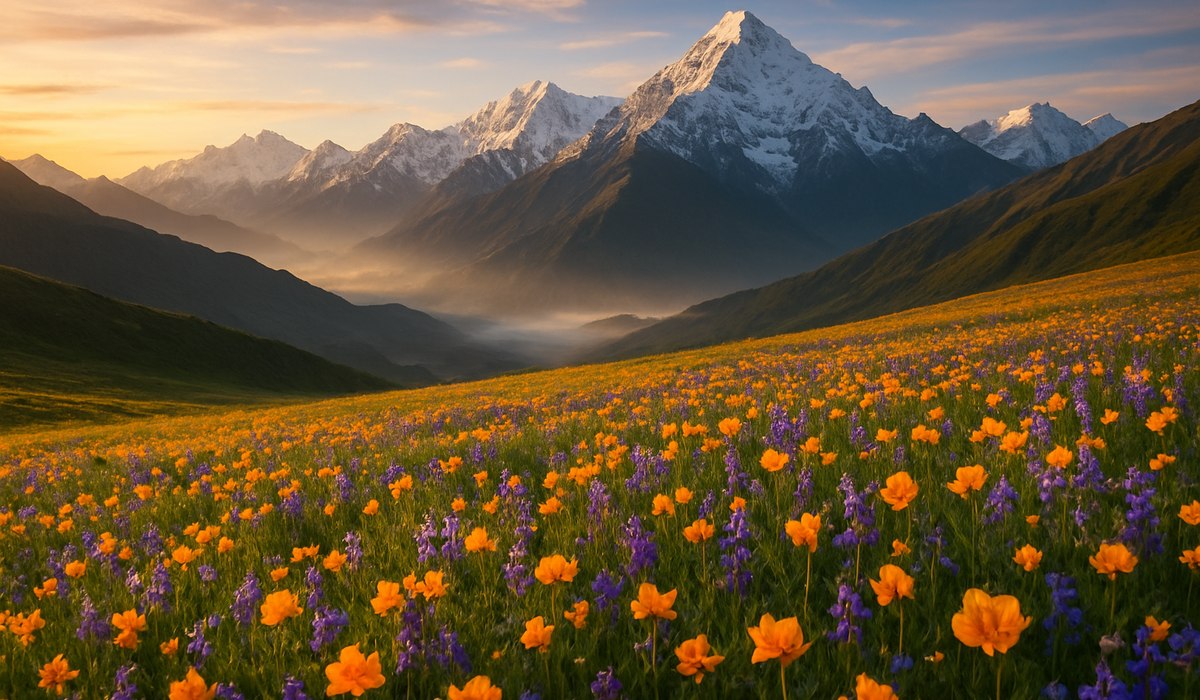
Image generated by AI
Alpine Sanctuary Returns: Valley of Flowers National Park Welcomes 2026 Season
Uttarakhand's Valley of Flowers National Park has officially reopened its gates to trekkers and nature enthusiasts. The UNESCO World Heritage site commenced operations on June 2, 2026, extending access through mid-October for visitors seeking to explore its renowned alpine meadows. The park's opening day recorded over 108 visitors, signaling strong tourism demand for this Himalayan destination.
Located in Uttarakhand's Chamoli district, the Valley of Flowers National Park stands as one of India's most celebrated natural attractions. The park's primary access point originates from the village of Ghangharia, requiring a moderate trek through pristine mountain terrain. This seasonal opening marks the beginning of the optimal trekking season when alpine flowers flourish across the high-altitude landscape.
Valley of Flowers Opens for 2024 Season
The 2026 opening represents the park's return to full visitor capacity following months of winter closure. Uttarakhand valley flowers reach peak bloom during the June-September window, creating ideal conditions for trekkers and photographers. The park's 87.5 square kilometers encompass some of the Himalayas' most diverse botanical ecosystems.
Park authorities implemented visitor management protocols to balance conservation with tourism accessibility. Daily visitor quotas help preserve the delicate alpine environment while accommodating growing tourist interest. The opening-day turnout demonstrates sustained appeal among domestic and international travelers seeking authentic mountain experiences.
Local guides and trekking operators in nearby settlements began receiving bookings immediately upon the announcement. Hotels and guesthouses throughout the region prepared accommodations for the anticipated surge in visitor arrivals over coming months.
Trek Access and Visitor Experience
Trekkers reach the Valley of Flowers via established routes originating from Ghangharia, typically requiring two to three days for the complete circuit. The trek ascends through forested valleys and Alpine meadows, offering progressive views of the Himalayan landscape. Altitude ranges from 1,500 to 3,660 meters, requiring moderate fitness levels and proper acclimatization.
The main trek to Pushpawati Meadow spans approximately four kilometers from Ghangharia, accessible to reasonably fit trekkers. Summer conditions provide stable weather patterns and clear visibility of surrounding peaks. Experienced guides from local communities enhance safety and provide botanical knowledge about endemic species.
Accommodation infrastructure includes basic guesthouses in Ghangharia and mountain huts within the park. Most visitors complete the valley circuit as a day trek from Ghangharia, though camping options exist for longer stays. Park regulations require permits and adherence to designated pathways to minimize environmental impact.
The trekking experience includes encounters with Himalayan wildlife, including musk deer and Himalayan blue sheep in higher elevations. Bird enthusiasts observe alpine species including the Himalayan monal and chough. Photography opportunities abound during golden hour as light illuminates the meadow landscape.
Best Time to Visit and What to Expect
June through September represents peak season for Valley of Flowers tourism. Early June sees initial flower blooms of primrose and buttercup species. July and August deliver maximum floral diversity with rhododendrons, marigolds, and asters in full display.
September maintains excellent conditions with clearer skies and fewer crowds than mid-summer months. October marks the transition period with fading blooms but increasingly dramatic alpine scenery. Weather remains unpredictable above 3,000 meters, requiring layered clothing and rain gear year-round.
Temperature ranges typically span 10-20°C during daytime, dropping significantly after sunset. Early season (June) brings occasional snow at higher elevations. July monsoon patterns create afternoon rainfall, though mornings usually remain clear for trekking.
Visitors should anticipate physical demands including steep ascents, rocky terrain, and altitude effects. Acclimatization days in intermediate elevations reduce altitude-related discomfort. Medical facilities exist only in major towns, making travel insurance advisable for remote mountain trekking.
UNESCO World Heritage Site Highlights
The Valley of Flowers earned UNESCO World Heritage designation in 2005 for exceptional biodiversity and ecological significance. The site harbors approximately 520 plant species, with nearly 70 percent found nowhere else on Earth. This extraordinary endemism reflects the valley's isolated geography and unique microclimate.
The park's floral diversity includes rare and medicinal species harvested traditionally by local communities. Conservation efforts balance indigenous harvesting practices with ecosystem protection. Research stations within the park conduct ongoing botanical and ecological studies.
UNESCO recognition has elevated the site's international profile, attracting researchers and nature photographers alongside recreational trekkers. The designation imposes management standards requiring environmental impact assessments for development and tourism infrastructure. Local communities benefit from park revenue sharing and employment opportunities as guides and support staff.
The Valley of Flowers complements the neighboring Nanda Devi National Park, creating a larger protected area spanning multiple ecosystems. This protection framework safeguards crucial watersheds and biodiversity corridors across the western Himalayas.
Key Visitor and Access Information
| Aspect | Details |
|---|---|
| Opening Date | June 2, 2026 |
| Closing Date | Mid-October 2026 |
| Opening Day Visitors | 108+ trekkers |
| Primary Access Point | Ghangharia Village |
| Trek Distance (Main Route) | ~4 km to Pushpawati Meadow |
| Altitude Range | 1,500–3,660 meters |
| Estimated Trek Duration | 2–3 days full circuit |
| Best Bloom Period | July–August |
| UNESCO Designation | World Heritage Site (2005) |
| Endemic Plant Species | ~360 species |
| Permit Requirement | Yes, mandatory |
| Accessibility | Moderate fitness required |
What This Means for Travelers
The Valley of Flowers reopening creates immediate opportunities for adventure travelers planning Himalayan treks. Here's how this impacts your travel planning:
-
Book accommodations early in Ghangharia and connecting towns, as mid-June through August sees capacity constraints at budget and mid-range lodges. Popular properties fill weeks in advance.
-
Obtain permits immediately through Uttarakhand wildlife authorities. Processing may require 5–7 business days, so plan ahead of your preferred trekking dates.
-
Engage experienced local guides who provide weather forecasting, route optimization, and safety expertise. Guides cost approximately 1,000–1,500 INR daily but enhance experience quality significantly.
-
Schedule acclimatization days in intermediate elevations before ascending above 3,000 meters. This reduces altitude-related illness risk and improves trekking enjoyment.
-
Pack specialized mountain gear including quality trekking boots, layered clothing systems, and weather-resistant rain protection. Rental shops exist in Joshimath and Ghangharia.
-
Budget for variable weather impacts including potential trail closures or altered routes. Flexible travel dates improve the likelihood of optimal trekking conditions.
Frequently Asked Questions
When is the best month to visit the Valley of Flowers in 2026?
July and August deliver peak floral diversity with reliable weather patterns. These months feature maximum species in bloom and clearest mountain visibility. However, expect largest crowds and highest accommodation prices during this window. September offers excellent conditions with fewer visitors.
What is the fitness level required for Valley of Flowers trekking?
Moderate fitness suffices for main valley treks. You should comfortably hike 4–5 kilometers daily with elevation gains of 300–500 meters. Prior trekking experience helps but isn't mandatory with proper acclimatization and experienced guides supporting your journey.
**Do I need special permits to visit Valley
Disclaimer
This article is for informational and educational purposes only. It does not constitute legal, financial, or professional advice. While we strive to provide accurate and up-to-date information, travel policies, regulations, and conditions change rapidly. Always verify information with official sources before making travel decisions. Nomad Lawyer makes no representations about the accuracy, reliability, completeness, or suitability of the information provided. Readers should consult qualified professionals for advice specific to their circumstances. The views expressed in this article are those of the author and do not necessarily reflect the views of Nomad Lawyer.
Preeti Gunjan
Contributor & Community Manager
A passionate traveller and community builder. Preeti helps grow the Nomad Lawyer community, fostering engagement and bringing the reader experience to life.
Learn more about our team →