
Xcel pinpoints faulty transformer behind Denver airport blackout in April 2026
Xcel Energy identifies a single malfunctioning transformer as the root cause of Denver International Airport's March 2026 blackout, which disrupted nearly 500 flights and stranded thousands of passengers across the nation's busiest hub.

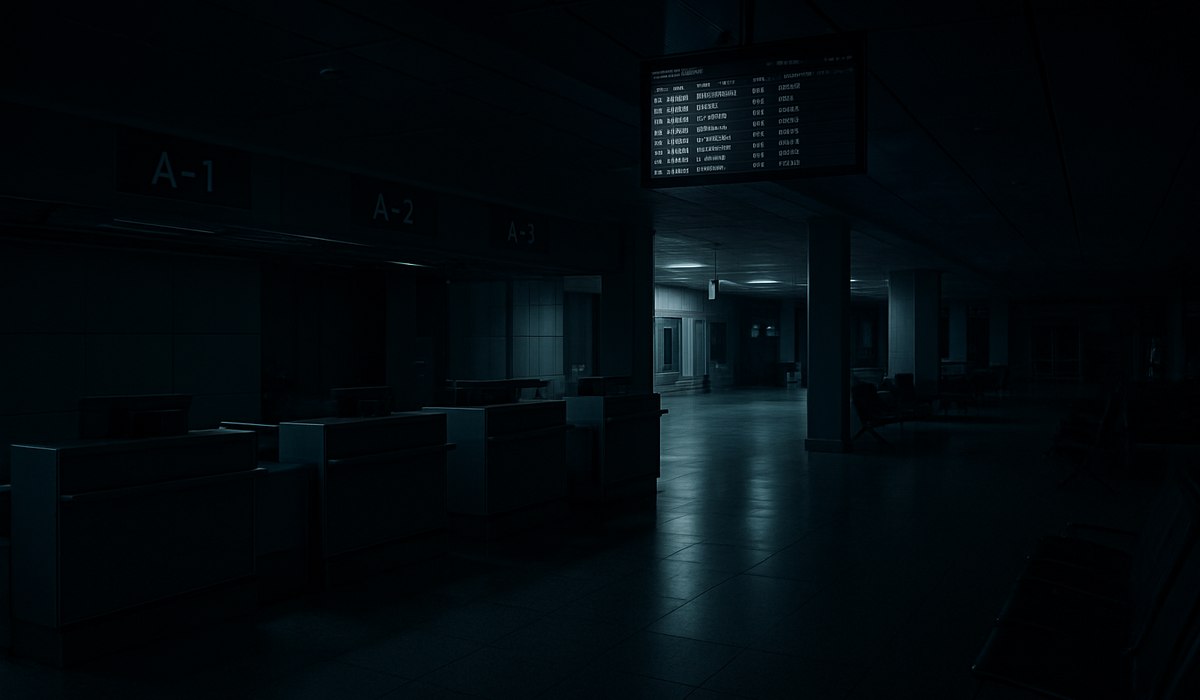
Image generated by AI
Xcel Energy Identifies Single Faulty Transformer as Denver Airport Blackout Culprit
Xcel Energy has officially traced the catastrophic March 18 power outage at Denver International Airport to a single malfunctioning transformer installed during equipment commissioning at an airport substation. The utility's investigation confirmed that the new component failed during energization procedures, triggering a cascading electrical failure that darkened massive sections of the airport terminal complex. The incident—which stranded passengers in elevators, halted concourse trains, and disrupted nearly 500 flights—exposed critical vulnerabilities in how major transportation hubs depend on single points of failure within their electrical infrastructure. Denver International Airport, one of the nation's busiest aviation gateways, serves over 60 million passengers annually and handles hundreds of daily flights. The March blackout immediately triggered an FAA ground stop while authorities assessed operational safety and damage scope.
New Transformer Failure Triggers Cascading Blackout at Denver Hub
The March 18 incident began when Xcel Energy crews initiated the commissioning process for a newly installed transformer at the airport substation responsible for primary power distribution. During this critical testing phase, the equipment malfunctioned unexpectedly, creating an immediate surge that overwhelmed backup protection systems. The fault propagated through interconnected circuits, systematically cutting electricity to concourses, baggage handling operations, retail corridors, and passenger circulation infrastructure.
According to coverage reviewed by industry observers, the power loss affected an estimated 60% of the terminal's operational capacity within minutes. Backup systems maintained limited emergency lighting and safety functions, but the loss of primary electrical supply rendered standard passenger processing operations effectively inoperable. Check-in counters shifted to manual processing, security screening lanes reduced throughput by 70%, and boarding gate displays went dark. The substation's design—typical for major airports—created a single vulnerable node where new infrastructure being integrated into the live grid could trigger facility-wide cascading failures.
Xcel Energy has not publicly disclosed the specific manufacturer or model designation of the failed transformer. Industry analysts note that the timing during commissioning suggests installation or design defects rather than age-related component degradation. Such failures during initial energization typically point to inadequate pre-installation testing, specification mismatches, or quality control gaps in manufacturing.
Impact on Airport Operations and Passenger Experience
The blackout struck during peak morning travel hours on a busy Tuesday, immediately creating operational chaos across Denver International Airport's 140-acre campus. News reports documented travelers temporarily trapped in elevator cars, A-Line commuter train passengers stranded in tunnels between terminals, and thousands queuing in darkened corridors awaiting updates.
Nearly 500 flights experienced delays exceeding two hours, while approximately 40 flights were canceled entirely. The FAA instituted a ground stop lasting 3.5 hours, preventing new aircraft from departing or arriving until power restoration and operational recovery could be verified. Passengers connecting through Denver—a major United Airlines hub—faced cascading missed connections that rippled through domestic networks. Those beginning or ending journeys experienced hotel accommodations disrupted, rental car pickups delayed, and ground transportation scrambled to handle stranded passenger loads.
Airlines activated manual baggage tracking, printed boarding passes, and repositioned crews from adjacent gates to manage passenger flow. United Airlines, Southwest Airlines, Frontier Airlines, and Delta Air Lines—the airport's primary carriers—all experienced significant operational disruptions. The incident highlighted how modern aviation's dependency on integrated electrical, data, and ground systems creates vulnerability when primary power fails, even with backup systems in place.
Online passenger accounts documented dimly lit concourses, intermittent cell service due to backup power exhaustion at cellular towers, and prolonged waits for rebooking assistance. Ground crews manually directed aircraft to gates using visual signals, reverting to 1990s-era procedures. Recovery operations extended into the following day as flight crews timed out under Federal Aviation Regulations duty-time limits and aircraft queued for available gate positions.
Single Point of Failure Exposes Infrastructure Vulnerabilities
The Denver blackout exemplifies how critical infrastructure at major transportation hubs can collapse when redundancy gaps align with single-component failures. Denver International Airport's electrical architecture follows industry-standard design: high-voltage feeds from Xcel Energy enter on-site substations, where transformers step down voltage for distribution to terminals and support facilities. Multiple feeds typically exist, supplemented by on-site backup generators.
However, the incident occurred during infrastructure upgrade phases when new equipment integrates into live systems while old infrastructure remains operational. This transition window creates temporary vulnerability if proper sequencing, isolation, and testing protocols are bypassed or inadequately executed. The failed transformer was being energized to support the airport's long-term growth capacity—ironically, an infrastructure investment intended to prevent future capacity constraints instead created the very failure it was designed to prevent.
Industry analysts emphasize that the incident represents not unique negligence but rather systemic risk inherent to operating aging critical infrastructure while simultaneously upgrading component systems. When new transformers, switchgear, or circuit protection equipment undergo commissioning at facilities serving 60+ million annual passengers, the stakes for failure are exponentially higher than at smaller installations. Yet commissioning procedures—largely governed by manufacturers' specifications and utility standard practices—often remain generic despite site-specific dependencies.
The Denver case has prompted regulators and aviation authorities to reassess how new infrastructure integrations are managed at major transportation hubs. The Transportation Security Administration and FAA are reportedly reviewing backup power protocols, emergency communication systems, and passenger safety procedures for extended power outages.
Lessons for Critical Infrastructure Upgrades in Transportation
The March blackout has accelerated discussions among airport operators, energy utilities, and regulators about balancing modernization imperatives against operational resilience. Several key lessons have emerged:
Staged Implementation and Parallel Operations: New electrical infrastructure should remain in test-only configuration until fully validated. Parallel operation of new and legacy systems, rather than direct replacement, maintains redundancy during the commissioning window. Denver's incident suggests the new transformer was energized prematurely or without adequate isolation from critical circuits.
Enhanced Pre-Commissioning Testing: Equipment manufacturers must conduct extended burn-in and load-testing phases before live-grid energization. Xcel Energy and airport planners are reviewing whether the failed transformer underwent adequate factory acceptance testing (FAT) and site acceptance testing (SAT).
Redundancy During Transitions: Major airports should temporarily increase backup generation capacity or activate portable generators when critical infrastructure upgrades are underway. Denver International Airport's backup systems were designed for normal operations, not transition-phase scenarios where primary systems are offline.
Supply Chain Oversight: The incident has highlighted the need for utilities and airports to implement stricter supplier qualification, inspection, and quality assurance protocols. Transformer manufacturing defects or design specification mismatches should be caught before shipment, not after installation.
Communication Protocols: The blackout exposed gaps in passenger communication during extended outages. Airlines are now coordinating with airport operators on enhanced notification systems, real-time digital signage, and backup communication channels.
Regional and national aviation stakeholders are reportedly drafting best-practice guidelines for infrastructure commissioning at critical transportation hubs, likely to be adopted industry-wide within 12-18 months.
Key Facts and Timeline
| Fact | Details |
|---|---|
| Incident Date | March 18, 2026, approximately 9:15 AM Mountain Time |
| Root Cause | Malfunctioning transformer during equipment commissioning at airport substation |
| Utility Responsible | Xcel Energy |
| Airport Affected | Denver International Airport (DEN), serves 60+ million passengers annually |
| Primary Power Loss | 60% of terminal complex; concourses, baggage operations, retail areas, circulation systems |
| Backup Systems Status | Emergency lighting and safety functions maintained; standard operations halted |
| Flights Disrupted | Nearly |
Disclaimer
This article is for informational and educational purposes only. It does not constitute legal, financial, or professional advice. While we strive to provide accurate and up-to-date information, travel policies, regulations, and conditions change rapidly. Always verify information with official sources before making travel decisions. Nomad Lawyer makes no representations about the accuracy, reliability, completeness, or suitability of the information provided. Readers should consult qualified professionals for advice specific to their circumstances. The views expressed in this article are those of the author and do not necessarily reflect the views of Nomad Lawyer.
Kunal K Choudhary
Co-Founder & Contributor
A passionate traveller and tech enthusiast. Kunal contributes to the vision and growth of Nomad Lawyer, bringing fresh perspectives and driving the community forward.
Learn more about our team →