
Flight Delays Major: 200+ Disruptions Hit Six US Hub Airports
Over 200 flight delays major disruptions struck Atlanta, Chicago O'Hare, Dallas Fort Worth, Denver, Newark, and Los Angeles on May 9, 2026, as spring storms and congested airspace collided with tight airline schedules.

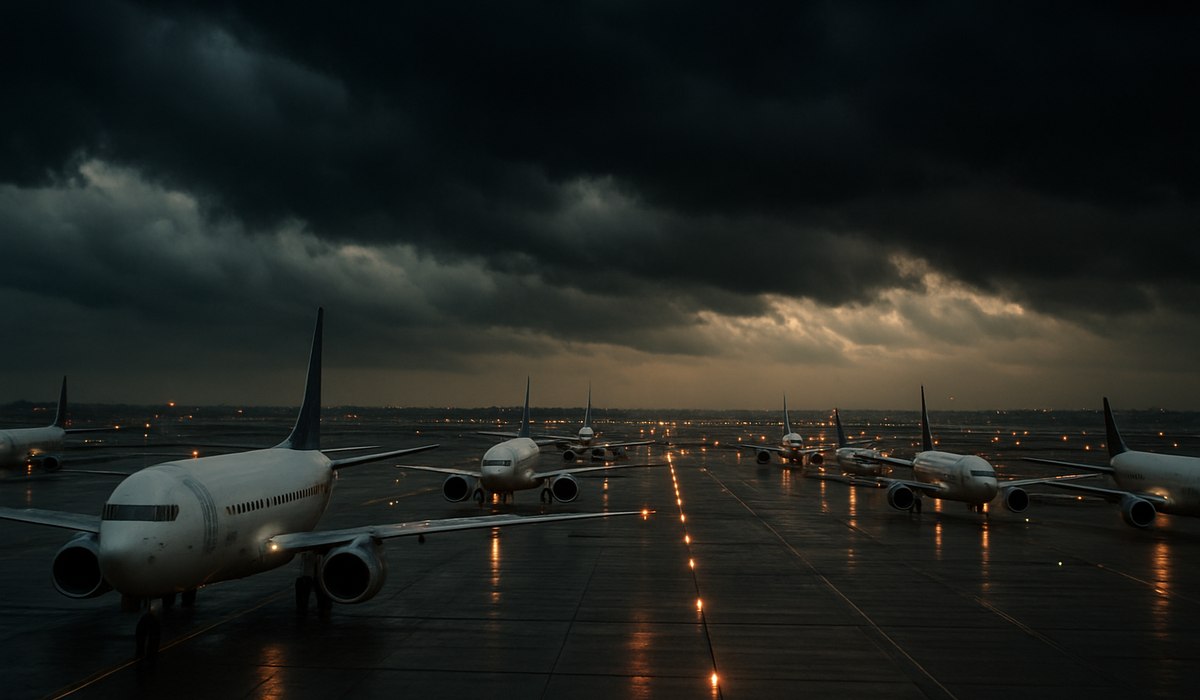
Image generated by AI
May 9 Marks Peak Disruption Across Six Critical Hub Airports
Over 200 flight delays major disruptions cascaded through six of America's busiest airports on May 9, 2026, as converging spring storms, congested airspace, and compressed airline schedules created a perfect storm of operational strain. Atlanta Hartsfield-Jackson, Chicago O'Hare, Dallas Fort Worth, Denver International, Newark Liberty, and Los Angeles International all reported significant delays as weather systems moved through key flight corridors and air traffic control implemented spacing restrictions. The disruption highlighted how tightly wound modern airline networks have become, where even moderate slowdowns at major connection points ripple across the entire national aviation system.
Six Major Hubs Hit Hard by Cascading Delays
The May 9 disruptions were concentrated at the country's most critical connecting nodes. Atlanta and Denver, which handle thousands of departures monthly, absorbed the heaviest traffic loads while managing significant delays. Chicago O'Hare and Newark faced weather-related ground stops as thunderstorm systems moved through the Midwest and Northeast corridors. Dallas Fort Worth and Los Angeles experienced secondary cascading effects as aircraft rotation problems and crew scheduling conflicts accumulated throughout the day.
These six airports function as arterial hubs for the national network. Delays at any single location can affect hundreds of downstream flights across multiple airlines and regions. When weather or airspace congestion affects multiple hubs simultaneously, the compounding effect accelerates rapidly. Tracking data from FlightAware showed clusters of 30-minute to 2-hour delays persisting into evening operations across all six airports.
Weather and Airspace Congestion Compound Scheduling Pressure
Spring 2026 brought aggressive thunderstorm activity to the Midwest and Northeast, with bands of moisture creating unpredictable weather patterns. Chicago O'Hare and Newark experienced the most severe weather impacts, as rain and electrical activity forced the Federal Aviation Administration to implement ground delay programs and spacing restrictions on inbound traffic.
These weather constraints forced air traffic controllers to reduce landing rates significantly. Where an airport might normally land 60 aircraft per hour, ground delay programs can cut that to 40 or fewer. Over several hours, that reduction cascades into hundreds of blocked departures as inbound aircraft cannot reach gates to disembark passengers.
The timing proved particularly problematic because airlines are operating with minimal schedule buffers in 2026. Aircraft are often scheduled for quick turnarounds—45 minutes to an hour between landing and departure. A 30-minute arrival delay easily translates into a 30-minute departure delay, with compressed crew rest periods leaving no recovery time. Fuel costs and competitive pressure have incentivized carriers to maximize daily flight utilization, reducing operational flexibility when disruptions occur.
The FAA's Air Traffic Operations monitoring systems tracked the building delays in real time, but mitigation options were limited given the widespread nature of the weather system and congested airspace across multiple regions.
The Ripple Effect: How Hub Delays Multiply Across Networks
Hub-and-spoke network architecture means that disruptions at major connecting points don't stay local. When flights are delayed departing Atlanta or Denver, passengers miss connections in smaller cities. When Chicago O'Hare or Newark delays accumulate, transcontinental flights departing later that evening face delayed crew arrival and aircraft availability problems.
On May 9, the ripple effect became visible by afternoon as:
- Early morning delays at Atlanta grew into late afternoon knock-on effects affecting evening departures to the West Coast
- Chicago O'Hare weather delays prevented regional aircraft from reaching their home bases, stranding crews and planes across the Midwest
- Denver's congestion delayed aircraft that feed Western connections and evening transpacific service
The interconnected nature of modern aviation means a single point of congestion can affect routes hundreds of miles away. Passengers booking connections through affected hubs faced the highest risk of disruption, particularly those with tight 60- to 90-minute layover windows.
What This Means for Nomadic Professionals and Business Travelers
Nomadic workers and business travelers rely heavily on predictable connections through major hubs. The May 9 disruption underscored several operational realities for frequent flyers:
Tight connections remain risky. Two-hour layovers at major hubs offer minimal buffer against weather delays. Consider booking 3+ hour connections during spring and summer.
Hub selection matters. Denver and Atlanta, while convenient, experienced the worst delays on May 9. Alternative routing through smaller hubs can sometimes provide reliability advantages.
Real-time monitoring prevents surprises. Checking FlightAware before leaving for the airport helps travelers understand developing delays and adjust plans accordingly.
Flexible booking provides insurance. Having same-day alternative flight options booked through different routing or even different airlines protects against cascading delays.
For professionals managing work schedules across multiple cities, building buffer time into travel plans during spring and summer months is essential.
Key Data: May 9 Hub Disruption Summary
| Metric | Details |
|---|---|
| Total Delayed Flights | 200+ across six hubs |
| Most Affected Airport | Atlanta Hartsfield-Jackson (primary hub impact) |
| Secondary Impact Hubs | Chicago O'Hare, Dallas Fort Worth, Denver, Newark, Los Angeles |
| Primary Cause | Spring thunderstorms + airspace congestion + tight schedules |
| Average Delay Duration | 30 minutes to 2+ hours depending on hub |
| Weather Regions | Midwest (Chicago) and Northeast (Newark) most severe |
| Cancellations | Relatively contained; delays dominated |
| Peak Disruption Time | Mid-afternoon through evening |
| Network Effect | Secondary delays extended through evening departures |
| 2026 Context | Dense spring demand rebounding post-pandemic |
Traveler Action Checklist
Protect yourself against future hub disruptions with these concrete steps:
1. Download flight tracking apps – Install FlightAware and your airline's app to monitor delays in real time before they affect you.
2. Build buffer time into connections – Allow minimum 3 hours between flights during spring and summer, especially when connecting through major hubs.
3. Check weather patterns before departure – Review forecasts for your hub airports the night before travel and 2 hours before heading to the airport.
4. Understand your airline's rebooking policy – Know whether your carrier allows same-day changes without fees when disruptions occur.
5. Consider alternative routing – When booking through Atlanta, Chicago, or Denver during peak seasons, evaluate less-congested routing options.
6. Verify connections with crew – After weather delays, confirm with flight attendants that connections were communicated to crew; sometimes ground staff miss updates.
7. Register with the DOT – Check the U.S. Department of Transportation consumer complaint system to understand compensation rights if delays exceed DOT thresholds.
FAQ: Flight Delays Major Disruptions
What causes flight delays major disruptions at hub airports?
Hub airports experience delays when weather (thunderstorms, low visibility) coincides with high traffic volume and tight airline schedules. When ground delays occur at one hub, aircraft rotation problems and crew scheduling conflicts compound delays across the entire network. Modern airlines operate with minimal schedule buffers, so even 30-minute delays quickly multiply across connecting flights.
Which six airports were most affected on May 9, 2026?
Atlanta Hartsfield-Jackson, Chicago O'Hare,
Disclaimer
This article is for informational and educational purposes only. It does not constitute legal, financial, or professional advice. While we strive to provide accurate and up-to-date information, travel policies, regulations, and conditions change rapidly. Always verify information with official sources before making travel decisions. Nomad Lawyer makes no representations about the accuracy, reliability, completeness, or suitability of the information provided. Readers should consult qualified professionals for advice specific to their circumstances. The views expressed in this article are those of the author and do not necessarily reflect the views of Nomad Lawyer.
Preeti Gunjan
Contributor & Community Manager
A passionate traveller and community builder. Preeti helps grow the Nomad Lawyer community, fostering engagement and bringing the reader experience to life.
Learn more about our team →