
United SkyWest Delays Cascade Across Denver Hub and U.S. Routes
Over 200 flights delayed at Denver International Airport on April 11, 2026 as United and SkyWest operational disruptions ripple across North American routes, affecting thousands of spring travelers heading to major hubs.

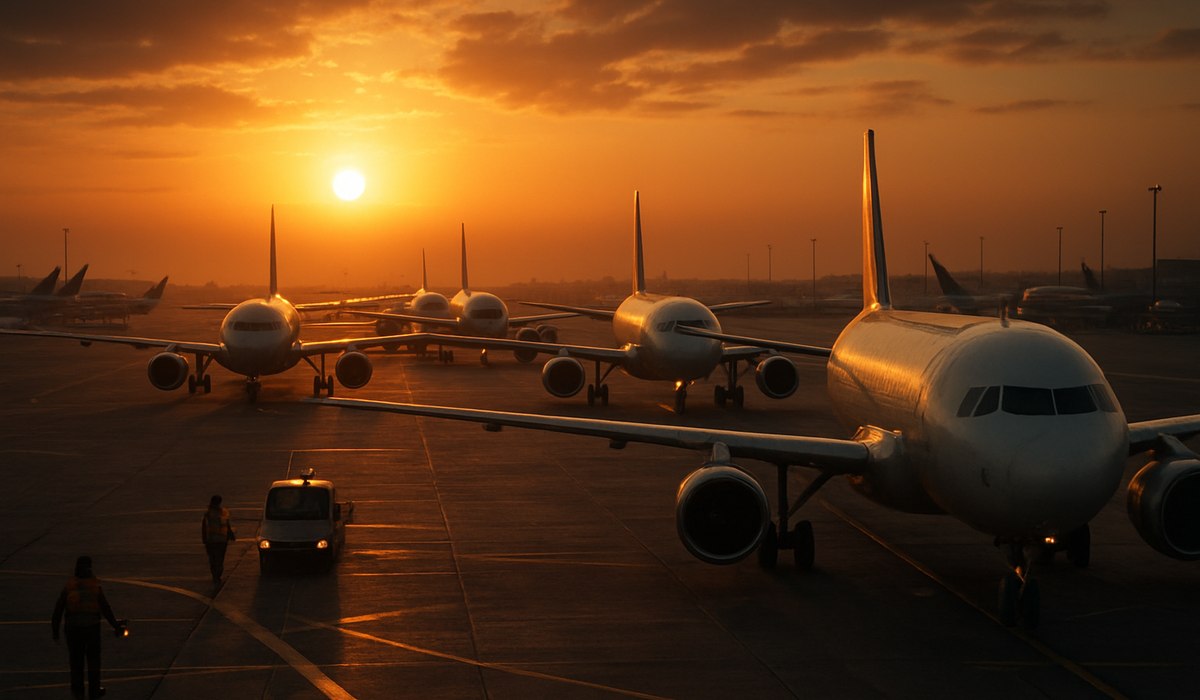
Image generated by AI
Spring Travel Disrupted: United SkyWest Delays Paralyze Denver Hub
United Airlines and regional partner SkyWest experienced significant operational disruptions at Denver International Airport on April 11, 2026, triggering over 200 flight delays and cascading scheduling chaos across North American routes. The incident affected thousands of spring travelers attempting to reach major markets including Los Angeles, Chicago, New York, San Francisco, and Dallas. Denver's role as a critical continental hub for United amplified the impact, with initial delays compounding into subsequent flight waves throughout the day as aircraft and crews fell out of position.
Denver Hub Sees Elevated Delays and Cascading Cancellations
Denver International Airport emerged as the day's most significantly affected major U.S. hub, with publicly available tracking data documenting over 200 delayed flights and multiple cancellations during peak travel windows. United SkyWest delays dominated the disruption statistics, though American Airlines and Southwest also reported elevated disruption levels throughout the morning and afternoon departure banks.
United's substantial hub operations at Denver amplified the cascade effect considerably. When departure and arrival banks slow at this scale, modest schedule changes propagate rapidly through the network. Extended taxi times, traffic flow restrictions, and arrival metering protocols combined to extend ground times beyond normal parameters, systematically eroding connection windows for passengers transferring through Colorado to destinations across the continent.
The airport remained operationally open throughout April 11, though weather constraints and traffic management initiatives created persistent congestion that persisted into evening operations. Crews reported extended delays during typical peak windows, with afternoon departures queuing significantly behind schedule as the day progressed.
For real-time tracking during similar disruptions, consult FlightAware's live delay maps and the FAA's National Traffic Control System Status.
United and SkyWest Routes Experience Cascading Network Impact
The impact of United SkyWest delays extended far beyond Denver's immediate airspace, affecting regional feeder routes throughout the Mountain West, Midwest, and Upper Midwest regions. SkyWest operates United Express service into Denver and competing United hubs, creating tight operational synchronization that accelerates delay propagation across the network.
When Denver's departure queues compressed, downstream connections serving Minneapolis–St. Paul, Chicago, and smaller regional airports absorbed substantial schedule disruptions. Aircraft turnaround times lengthened as scheduled regional legs received backward pushes, creating a domino effect through subsequent flight cycles throughout affected aircraft's daily schedules.
Industry operational analyses emphasize that major hub disruptions at United facilities automatically compress SkyWest's schedule reliability because the regional carrier's fleet positioning and crew logistics are precisely synchronized with mainline operations. Late-arriving mainline flights delay their feeding regional connections, perpetuating delays forward through the entire daily cycle. This interconnected structure, while efficient during normal operations, creates vulnerability during periods of operational strain.
Ripple Effects Cascade Across Major North American Hubs
The Denver disruption exemplified broader network fragility evident throughout April 11, with similar disruptions materializing at Phoenix Sky Harbor International Airport, Harry Reid International in Las Vegas, Detroit Metropolitan Airport, and other major connecting hubs. Phoenix recorded over 160 delayed flights affecting American Airlines, Southwest, and JetBlue operations on routes to Chicago, New York, and Los Angeles.
Las Vegas experienced notable disruption affecting aircraft scheduled for Denver, Chicago, New York, and eastern destinations. This geographic dispersion demonstrated how weather systems and traffic management initiatives affecting western airspace create indirect consequences for travelers on routes without direct Denver involvement.
National disruption statistics for April 11 documented nearly 80 cancellations and more than 1,700 delayed flights across U.S. carriers, positioning the day among spring's most significant operational challenges. The concentration of United SkyWest delays amplified Denver's profile in these aggregate figures, though systemic network strain affected carriers nationwide.
Spring Weather and Staffing Challenges Compound Network Pressures
April 2026 has experienced elevated operational challenges across major U.S. hubs attributable to unsettled spring weather patterns and ongoing air traffic control staffing constraints. The April 11 disruption at Denver, while significant, represents part of a broader early-April trend characterized by higher-than-normal delay volumes across the network.
Spring weather volatility creates particular operational challenges for Colorado's high-altitude hub, where rapidly changing conditions can trigger flow restrictions that compress already-dense departure schedules. Combined with tight crew scheduling and controller staffing limitations during peak spring travel seasons, operational margin narrows considerably.
The FAA's National Traffic Control System Status page provides detailed information on capacity constraints and weather-related restrictions affecting specific facilities during peak travel periods.
What Travelers Should Know: Preparation and Response Strategies
Passengers experiencing United SkyWest delays on April 11 and similar disruptions should understand their rights under U.S. Department of Transportation regulations. Airlines must rebook passengers on alternative flights at no charge when delays exceed specific thresholds, though exact policies vary by carrier and disruption cause.
The Department of Transportation's Air Consumer Protection Division provides detailed guidance on passenger rights during operational disruptions, including compensation eligibility and airline responsibility requirements. Passengers should document departure times, delay durations, and airline communications for potential compensation claims.
Contact your airline immediately when delays exceed two hours to discuss alternative routing options. Major carriers maintain standby lists and code-share partnerships enabling rebooking on competing carriers' flights without additional passenger fees during significant disruptions. Maintain documentation of all expenses incurred due to delays, including meals, accommodations, and ground transportation, as some airlines reimburse verified costs exceeding specific thresholds.
Traveler Action Checklist
- Check real-time flight status via FlightAware or your airline's official app before arriving at the airport
- Contact your airline immediately when delays exceed two hours to discuss rebooking on alternative carriers
- Document departure time, delay duration, and airline communications for potential compensation claims
- Request meal and accommodation reimbursement receipts from your airline if eligible under Department of Transportation standards
- Monitor email and text notifications from your airline for schedule updates and rebooking confirmations
- Review your airline's delay/cancellation policy regarding automatic rebooking eligibility and compensation thresholds
- Photograph any airline-provided communication about delay reasons or passenger assistance measures
- Request written confirmation of rebooking details including confirmation numbers and revised departure times
Disruption Impact Summary Table
| Metric | April 11 Details |
|---|---|
| Primary Affected Hub | Denver International Airport |
| Delayed Flights | 200+ confirmed delays |
| Cancellations | Multiple confirmed cancellations |
| Airlines Most Affected | United, SkyWest, American, Southwest |
| Major Affected Routes | Denver to Los Angeles, Chicago, New York, San Francisco, Dallas |
| National Disruption Scale | 1,700+ delays, 80+ cancellations across U.S. carriers |
| Contributing Factors | Spring weather, traffic constraints, ATC staffing limitations |
| Secondary Hubs Impacted | Phoenix Sky Harbor, Harry Reid (Las Vegas), Detroit Metro |
| Regional Impact | Mountain West, Midwest, Upper Midwest connections |
FAQ: United SkyWest Delays and Passenger Rights
Q: Am I entitled to compensation if my United or SkyWest flight was delayed on April 11?
A: U.S. Department of Transportation regulations require airlines to provide compensation when delays exceed specific thresholds due to airline-controllable circumstances. Weather-related delays may exempt airlines from compensation requirements. Consult your airline's specific delay policy and the [DOT Air Consumer
Disclaimer
This article is for informational and educational purposes only. It does not constitute legal, financial, or professional advice. While we strive to provide accurate and up-to-date information, travel policies, regulations, and conditions change rapidly. Always verify information with official sources before making travel decisions. Nomad Lawyer makes no representations about the accuracy, reliability, completeness, or suitability of the information provided. Readers should consult qualified professionals for advice specific to their circumstances. The views expressed in this article are those of the author and do not necessarily reflect the views of Nomad Lawyer.
Kunal K Choudhary
Co-Founder & Contributor
A passionate traveller and tech enthusiast. Kunal contributes to the vision and growth of Nomad Lawyer, bringing fresh perspectives and driving the community forward.
Learn more about our team →