
WorldFood Moscow 2026 Drives Russia's Culinary Tourism Revolution
WorldFood Moscow 2026 gathers over 1,100 exhibitors and 60 Russian regions, showcasing gastronomy tourism at Crocus Expo.
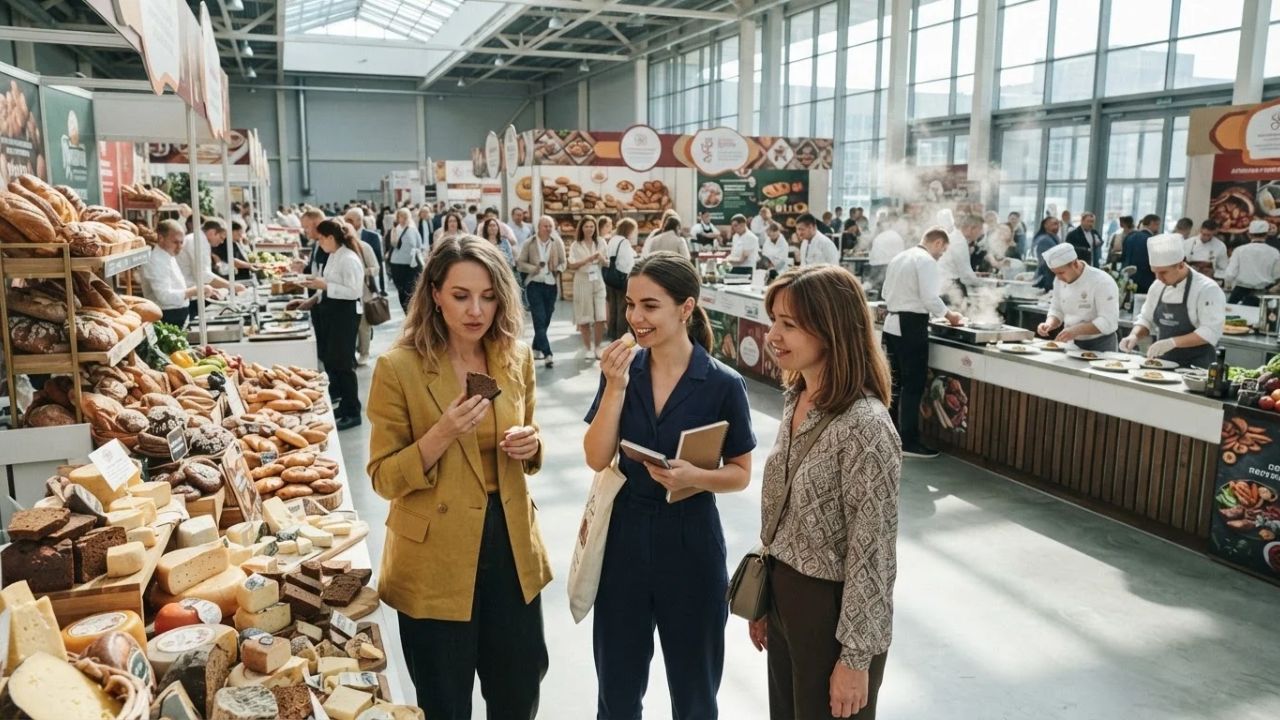
Image generated by AI
WorldFood Moscow 2026 is driving a major culinary tourism revolution across Russia, bringing together over 1,100 exhibitors and 60 regions at Crocus Expo from September 15–18, 2026.
The Local Trend Revealed: Regional Gastronomic Tourism Clusters
A major trend in modern tourism is the development of regional agricultural and gastronomic clusters, where destinations highlight their unique culinary identities to attract travelers. In geographically vast countries, regional gastronomy is moving away from basic local sales and establishing itself as a primary driver of tourism development. By gathering these diverse food identities under a single national showcase, planners connect local producers, chefs, and hospitality brands directly with national distribution systems and international buyers.
Key parameters of this major trade showcase and the food economy supporting it include:
- Exhibition Coordinates: The 35th edition of WorldFood Moscow runs from September 15 to 18, 2026, at Crocus Expo (located at 16, 18 and 20 Mezhdunarodnaya Street, Krasnogorsk, Moscow Region). The exhibition occupies Pavilion 3, Halls 14 and 15, and is open daily (from 10:00 to 18:00 on September 15–17, and 10:00 to 16:00 on September 18).
- Metro Access: Visitors can reach the pavilion directly via the Myakinino Metro Station on the Arbatsko-Pokrovskaya Line.
- Exhibitor and Visitor Scale: The event features over 1,100 exhibitors, more than 26,300 visitors, participants from over 30 countries, and representatives from more than 60 Russian regions.
- Gastronomic Hub Networks: Key cities and regional food hubs represented include:
- Moscow Region: The central retail and business hub hosting the event.
- St Petersburg: Featured through the WorldFood HoReCa and professional hospitality tracks.
- Krasnodar Krai: Representing southern Russia's organic food and agricultural production.
- Kazan (Tatarstan): Highlighting regional gastronomy and territorial development discussions.
- Yekaterinburg (Sverdlovsk): Connecting the Urals commercial distribution corridors.
- Other Regions: Including Nizhny Novgorod, Samara, Penza, Tver, Tyumen, and Irkutsk.
- Business and Culinary Programs: The event includes over 50 events and more than 150 speakers across four platforms, alongside the Culinary Marathon, Retail Academy, and the WorldFood Connect digital community.
- National Food Market Statistics: According to official Rosstat reports for 2026:
- Food, beverages, and tobacco accounted for 50.1 percent of total retail turnover in May 2026.
- Retail chains managed 39.7 percent of total retail turnover, with food networks taking a 61.5 percent share of May turnover.
- National retail turnover for the first quarter of 2026 reached 129.223 trillion rubles (specifically 129,223,017.3 million rubles).
- Restaurant and food-delivery activity for the same quarter reached 4,667,866.7 million rubles.
This massive culinary network highlights how food acts as a cultural ambassador, driving business travel and encouraging visitors to discover destinations beyond the capital.
WorldFood Moscow 2026 Operational Schedule & Metrics
| Exhibition Day & Date | Operational Hours | Key Featured Business Track | Prominent Gastronomic Focus | Regional Hub Represented |
|---|---|---|---|---|
| Tuesday, Sept 15 | 10:00 AM – 6:00 PM | Forum of Food Business Leaders | Retail Category Management | Moscow / Central Russia |
| Wednesday, Sept 16 | 10:00 AM – 6:00 PM | Retail Academy Sessions | Organic and Healthy Foods | Krasnodar agricultural hub |
| Thursday, Sept 17 | 10:00 AM – 6:00 PM | WorldFood HoReCa Program | Gastronomy & Territorial Growth | Kazan / Tatarstan cuisine |
| Friday, Sept 18 | 10:00 AM – 4:00 PM | Culinary Marathon Demos | Fresh Produce & Seafood | St Petersburg / Siberia hubs |
Cultural & Environmental Value: Supporting Local Agriculture
For the traveler, the real impact of this regional gastronomy movement is the preservation of historic agricultural practices and the direct economic support of small-scale rural producers. When tourists choose to buy organic products from Krasnodar or experience Tatar culinary traditions in Kazan, they are directly funding the livelihoods of farming families and protecting traditional cooking techniques.
Mapped in coordination with regional tourism boards and Rosstat data on regional food production, these culinary connections encourage travelers to explore beyond major cities. This protects the local environment and community heritage.
Destination Specialist Local Insider Tips
To help you navigate the exhibition halls at Crocus Expo and experience Russia's regional food cultures comfortably, destination specialists suggest the following tips:
- Savor Chak-Chak in Kazan: Experience regional Tatar gastronomy. While exploring Kazan, try authentic Chak-Chak (a traditional sweet made of small deep-fried balls of dough bound together with hot honey syrup, served piled in a mound).
- Register via WorldFood Connect: Set up your profile on the digital networking application before arrival to pre-arrange B2B meetings and download presentation slides.
- Transit via Myakinino Metro: Bypass heavy road traffic in Moscow and Krasnogorsk by taking the metro directly to Myakinino Station, which offers direct indoor access to the exhibition pavilion.
- Join the Culinary Marathon: Attend the live cooking demonstrations where regional chefs prepare dishes using ingredients from the 16 exhibition sections, allowing you to taste products before negotiating.
- Explore Kolomenskaya Pastila: Take an under-the-radar detour. While in the Moscow region, visit the under-the-radar Kolomenskaya Pastila Museum, which revives 18th-century apple pastila recipes and supports local heritage.
Long-Term Outlook: Culinary Tourism Expansion
The long-term outlook for Russia's culinary and regional tourism remains positive, driven by the expansion of gastronomic hubs and the growth of domestic infrastructure. As tourism development boards continue to coordinate with local agricultural producers to design food-focused travel routes and upgrade hospitality standards in secondary cities, traveler volumes will rise. By balancing agricultural business growth with cultural heritage protection and community-led tourism, planners are building a resilient, long-term travel framework.
Related Travel Guides
Disclaimer
This article is for informational and educational purposes only. It does not constitute legal, financial, or professional advice. While we strive to provide accurate and up-to-date information, travel policies, regulations, and conditions change rapidly. Always verify information with official sources before making travel decisions. Nomad Lawyer makes no representations about the accuracy, reliability, completeness, or suitability of the information provided. Readers should consult qualified professionals for advice specific to their circumstances. The views expressed in this article are those of the author and do not necessarily reflect the views of Nomad Lawyer.