
World’s Best Food Cities 2026: Culinary Tourism Surges to Lima, Bangkok, and Mexico City Despite Global Travel Chaos and Airport Disruptions
Discover the world's best food cities of 2026. From Bangkok street food to Lima's coastal cuisine, culinary tourism is thriving even amid severe global travel chaos and flight cancellations.

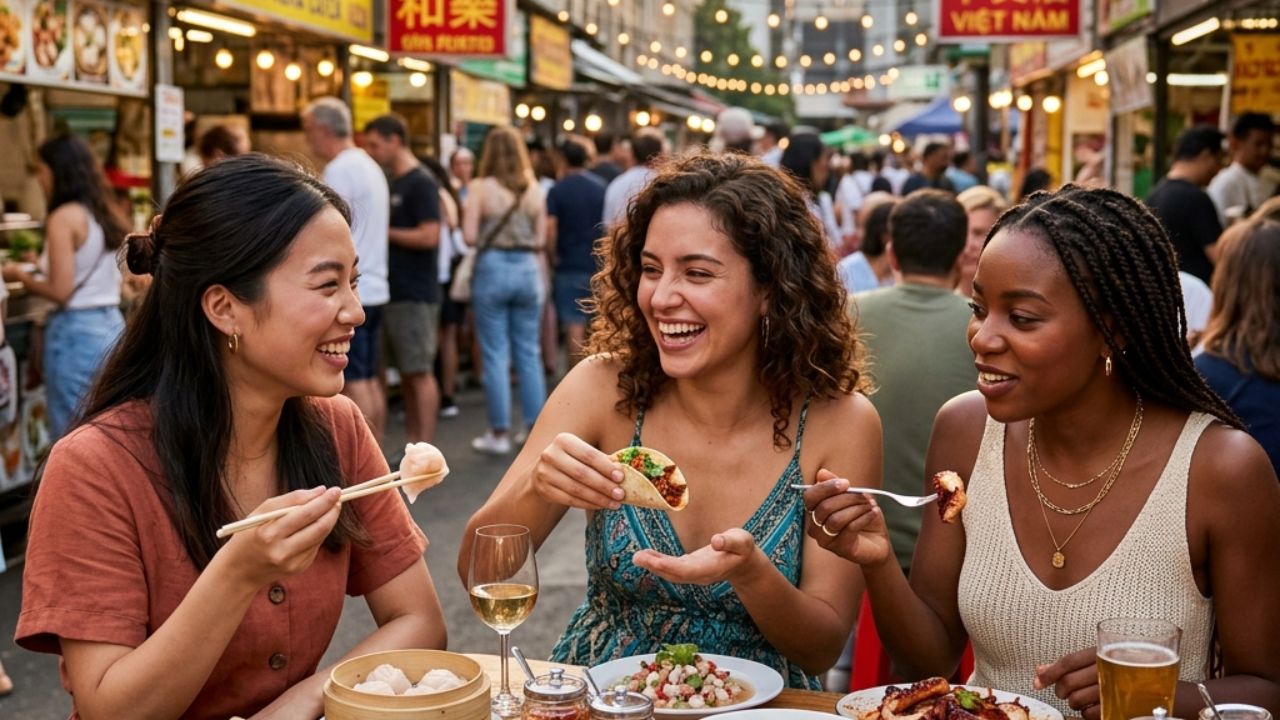
Image generated by AI
In an era where international tourism is frequently overshadowed by systemic travel chaos and severe airport disruptions, a powerful new motivation is overriding passenger anxiety: the pursuit of flavor. Reported on June 20, 2026, the official ranking of the World’s Best Food Cities highlights how global travelers are increasingly willing to navigate massive flight cancellations and volatile scheduling simply to experience authentic, regional cuisine. From the dense, aromatic street markets of Bangkok to the ancient, coastal culinary traditions of Lima, entire global destinations are now redefining the tourism landscape through food. As millions of food-driven travelers monitor the latest airline news and essential aviation updates to secure routing to Mexico, Spain, China, and the UK, these top 10 culinary capitals prove that cultural heritage, preserved through daily cooking, remains the ultimate driver of international travel demand.
By introducing direct passenger coordination and dynamic scheduling backups, the regional aviation hubs target growing passenger demand across vital commerce sectors. The choice to coordinate flight departures in phases helps to manage gate capacity, supporting the country's broader regional transportation network.
Context: The Rise of Culinary Tourism
For the global tourism and hospitality industry, the 2026 ranking of the world's best food cities represents a massive shift in traveler priorities. Travel is no longer strictly about visiting monuments or museums; it is fundamentally about what is served on the plate.
Historically, food was considered a secondary aspect of a vacation. Today, entire travel itineraries are built entirely around flavor, memory, and everyday eating culture. Across official tourism boards and cultural departments, these specific destinations are heavily highlighted as top culinary tourism hotspots because food is an inseparable part of daily life. What makes this trend incredibly fascinating is how differently each city builds its food identity—some rely entirely on high-frequency street vendors, while others lean on centuries-old traditions or the massive impact of global migration. Despite the grueling reality of modern transit, culinary tourists are actively defying airport bottlenecks to experience how these cities tell their stories through what they cook, sell, and share.
To view live flight schedules, verify the active departure status of your specific international culinary itinerary, or to track potential route restorations to these global capitals, travelers must consult official aviation directories. For direct updates regarding how massive operational failures might impact your current flight cancellations to South America or Asia, travelers should aggressively utilize the official digital portals of their respective airlines. To explore live flight tracking and monitor the exact severity of the cascading bottlenecks paralyzing the broader global airspace, passengers can consult the official FlightAware tracking service.
Section-Wise Breakdown: The Masters of Global Flavor
Lima: Coastal Heritage and Deep Flavor
Securing the absolute number one position, Lima leads the 2026 rankings. Lima doesn’t always shout for attention, but its food culture is quietly powerful. The city’s identity is heavily shaped by its coastal geography and a long history of cultural blending. Official tourism bodies in Peru emphasize how Indigenous ingredients meet global influences in a way that feels utterly seamless. With a strong focus on fresh seafood, seasonal cooking, and a perfect balance between affordability and high-quality dining, Lima remains the ultimate destination for culinary purists.
Bangkok: The Streets Are the Kitchen
Ranking second globally, Bangkok represents the absolute pinnacle of street-level culinary energy. The city does not treat food as an artificial "experience"; it treats it as a cultural backbone. The Bangkok street food network is dense, highly accessible, and everywhere—sidewalks, night stalls, and floating markets feature meals cooked rapidly right in front of you. Official tourism programs in Thailand highlight that these complex, multi-layered recipes (sweet, sour, salty, spicy) are passed down informally within families, creating a dynamic food capital that feeds locals and tourists constantly.
Mexico City: History and Heat on a Plate
Taking the third spot, Mexico City offers a layered food culture that feels like a living archive of taste. The Mexico City cuisine landscape stretches from ancient traditions to modern reinventions, supported by cultural heritage programs that protect traditional cooking methods. From street tacos carrying centuries of culinary evolution to massive markets filled with regional ingredients, Mexico City perfectly balances fine dining with everyday street meals, ensuring that old and new traditions constantly share the same plate.
London and Barcelona: The European Heavyweights
London ranks fourth, celebrated not for a single traditional cuisine, but as a city that eats the world. Driven by global migration, London features entire neighborhoods dedicated to different global cuisines and historic food markets preserved as cultural landmarks. Conversely, Barcelona (ranking fifth) refines what it already possesses. The Barcelona Catalan cuisine relies heavily on Mediterranean living—olive oil, bread, seafood, and vegetables—proving that slow, sun-soaked regional traditions remain incredibly powerful.
Technical Roster: The 2026 Global Culinary Matrix
To ensure absolute factual accuracy regarding the exact hierarchy of these culinary capitals, the following matrix details the verified top 10 food cities of 2026:
World’s Best Food Cities 2026 Matrix
| Global Rank | Culinary Destination | Key Cultural Food Identity |
|---|---|---|
| 1 | Lima (Peru) | Coastal geography, Indigenous traditions, and cultural fusion |
| 2 | Bangkok (Thailand) | Dense, dynamic, and highly accessible street food network |
| 3 | Mexico City (Mexico) | Layered blend of ancient traditions and modern innovation |
| 4 | London (UK) | Global migration and extreme multicultural food diversity |
| 5 | Barcelona (Spain) | Mediterranean Catalan cuisine and fresh produce markets |
| 6 | Ho Chi Minh City (Vietnam) | Vibrant street food and fast-moving urban dining culture |
| 7 | Melbourne (Australia) | Multicultural café culture and locally sourced ingredients |
| 8 | Beijing (China) | Imperial culinary history and regional Chinese traditions |
| 9 | Athens (Greece) | Ancient Mediterranean heritage and olive oil-based cooking |
| 10 | Lisbon (Portugal) | Coastal seafood, bakery culture, and affordable dining |
Data strictly reflects the verified 2026 culinary rankings, highlighting the specific cultural identities that define each global destination.
Passenger Impact: Traveling for the Plate
For the millions of tourists who specifically structure their annual vacations around these 10 cities, the pursuit of authentic food heavily overrides the physical exhaustion of modern air travel.
The immediate passenger impact of culinary tourism is the willingness to endure incredibly complex, multi-leg flight itineraries simply to reach a specific market in Ho Chi Minh City or a seaside cevicheria in Lima. When travelers are heavily motivated by cultural experiences, they are far more likely to absorb the financial costs of long-haul flights and potential airport delays. However, because these destinations represent high-value tourism, a missed connection or canceled flight creates massive logistical frustration. Missing a carefully secured, months-in-advance reservation in Melbourne or Beijing due to airline mismanagement fundamentally destroys the primary purpose of the vacation, forcing travelers to scramble for rebooking options across congested international networks.
Industry Analysis: Redefining Destination Marketing
Tourism analysts monitoring the massive surge in culinary-driven travel note that food is no longer a secondary amenity; it is the absolute core of national identity marketing.
Analysts emphasize that government cultural programs in places like Mexico, Spain, and Peru are actively weaponizing their food heritage to drive massive inbound passenger traffic. By formally recognizing traditional food practices as part of their national identity, these countries ensure that global tourists view their cities as essential, bucket-list destinations. When a city like Athens emphasizes its olive oil customs, or Beijing heavily promotes its imperial culinary history, it creates a massive, sustained economic draw that directly benefits local restaurants, street vendors, and regional farmers. This heavily incentivizes global airlines to maintain direct, high-capacity routes into these cities, proving that culinary strength directly dictates international aviation scheduling.
Actionable Advice for Navigating Culinary Hubs
Because navigating the world’s best food cities requires extensive planning and a willingness to endure international transit, you must execute this strategic survival checklist:
- Book High-Demand Tables Prior to Flights: If you are traveling to Lima or London specifically for fine dining, absolutely do not wait until you land to secure reservations. The top-tier restaurants in these ranked cities book out months in advance. Secure your culinary itinerary first, and then build your flight schedule around those immovable dates to avoid massive disappointment.
- Embrace the Street Level: While fine dining is heavily celebrated, cities like Bangkok, Mexico City, and Ho Chi Minh City draw their true culinary identity from the streets. Do not restrict yourself to hotel restaurants. Actively seek out dense, local public markets and street vendors where the food is cooked directly in front of you to experience the absolute core of the city’s culture.
- Build Buffer Days for Long-Haul Transit: Because reaching destinations like Melbourne or Bangkok often requires massive, multi-leg international flights, you are highly exposed to rolling delays. Always build an extra "buffer day" into your itinerary upon arrival. If your connecting flight is canceled, this buffer ensures you do not miss your primary, high-value culinary experiences while you recover from the transit chaos.
FAQ: World's Best Food Cities 2026
Which city ranked number one for food in 2026?
Lima, Peru, secured the number one global ranking, celebrated for a deeply rooted food culture shaped by coastal geography, Indigenous traditions, and seamless cultural fusion.
What makes Bangkok a top culinary destination?
Ranked second, Bangkok is internationally recognized for its dynamic, highly accessible street food network, where complex, multi-layered dishes are cooked directly on the sidewalks.
Why is London ranked so highly for food?
London (ranked fourth) stands out for its extreme diversity rather than a single traditional cuisine, driven heavily by global migration and historic, multicultural food markets.
The Reality of Global Culinary Tourism
The official 2026 ranking of the World's Best Food Cities proves definitively that global travelers are actively redefining the purpose of international tourism. By prioritizing flavor, memory, and everyday eating culture, tourists are actively proving that food is one of the most powerful, human ways to understand a destination. Yet, as travelers eagerly board long-haul flights to experience the street food of Bangkok or the heritage of Barcelona, they must accept a critical new reality: reaching these culinary capitals requires navigating an incredibly fragile, highly congested global aviation network. The ultimate reward of experiencing these top 10 cities is reserved for those who can strategically bypass transit chaos and immerse themselves directly in the culture of the plate.
Key Takeaways
- The Culinary Pinnacle: Lima secured the #1 spot globally, driven by its coastal seafood and Indigenous culinary fusion.
- Street Food Dominance: Bangkok (#2), Mexico City (#3), and Ho Chi Minh City (#6) highlight the massive cultural importance of accessible, heritage-driven street food.
- European Diversity: London (#4) and Barcelona (#5) prove that both extreme multiculturalism and slow, regional Mediterranean traditions draw massive tourism.
- The Full Ranking: The top 10 list officially includes Lima, Bangkok, Mexico City, London, Barcelona, Ho Chi Minh City, Melbourne, Beijing, Athens, and Lisbon.
- Tourism Shift: Travel is no longer strictly about visiting monuments; entire global itineraries are now aggressively driven by culinary exploration and authentic regional dining.
Related Travel Guides
Massive Travel Chaos Paralyzes Chicago O'Hare with 1,425 Disruptions
Disclaimer
This article is for informational and educational purposes only. It does not constitute legal, financial, or professional advice. While we strive to provide accurate and up-to-date information, travel policies, regulations, and conditions change rapidly. Always verify information with official sources before making travel decisions. Nomad Lawyer makes no representations about the accuracy, reliability, completeness, or suitability of the information provided. Readers should consult qualified professionals for advice specific to their circumstances. The views expressed in this article are those of the author and do not necessarily reflect the views of Nomad Lawyer.
Kunal K Choudhary
Co-Founder & Contributor
A passionate traveller and tech enthusiast. Kunal contributes to the vision and growth of Nomad Lawyer, bringing fresh perspectives and driving the community forward.
Learn more about our team →