
Winston County Eco-Tourism Growth: How Alabama's Hidden Wilderness Drives Regional Economy in 2026
Explore how Winston County's eco-tourism assets, including Lewis Smith Lake and Sipsey Wilderness, are transforming rural Alabama into a premier nature destination and economic powerhouse.

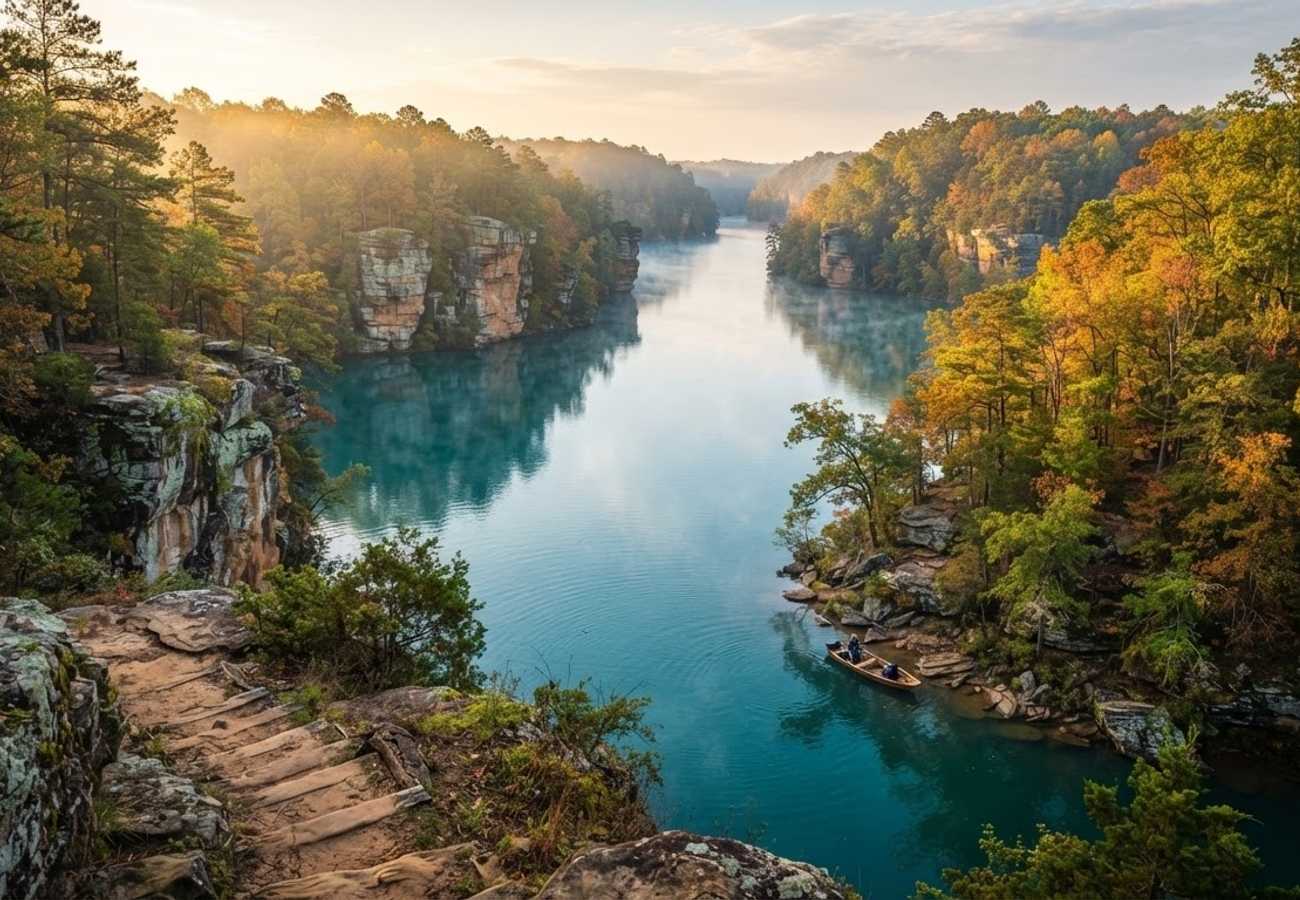
Image generated by AI
The remote landscapes of Winston County are evolving from quiet rural retreats into a strategic hub for Southern eco-tourism. By leveraging the natural draw of sandstone gorges and hardwood forests, the region is seeing a surge in high-value nature travel that bypasses traditional urban tourist traps.
The appeal of Winston County lies in its ability to offer a "time-freeze" experience. The synergy between the expansive Lewis Smith Lake and the rugged terrain of the Sipsey Wilderness and Bankhead National Forest creates a sanctuary for travelers seeking isolation and environmental immersion. This shift toward nature-centric travel is particularly evident during the winter and spring off-months, when towns like Double Springs, Haleyville, Lynn, and Arley see a significant influx of anglers and outdoor enthusiasts.
Data Transparency and Regional Tourism Tracking
A recurring point of discussion for travel analysts is the perceived lack of granular monthly arrival data in Double Springs. This is not an indication of low traffic, but rather a result of standardized reporting protocols.
The Alabama Tourism Department utilizes strict annual release schedules. State agencies avoid real-time monthly reporting for rural county borders to maintain sampling reliability and prevent data skewing caused by temporary road closures or localized weather events. Consequently, visitor metrics for Double Springs are aggregated into broader North Alabama regional totals. While this obscures monthly fluctuations, the economic impact remains evident in local business revenues and infrastructure usage.
International Access to the Bankhead National Forest
While Winston County feels secluded, it attracts a global audience. International visitors do not enter through county checkpoints but are tracked via federal ports of entry managed by U.S. Customs and Border Protection.
Using I-94 arrival records and international airport manifests, federal authorities track non-resident movements. Once in Alabama, these travelers frequently target the Bankhead National Forest. The U.S. Forest Service supplements this data with National Visitor Use Monitoring field surveys.
Key international markets driving this interest include:
- Canada
- United Kingdom
- Germany
These visitors are primarily drawn to the region's dense hardwood canopies and tranquil wilderness trails, which offer a distinct alternative to mainstream American tourist destinations.
Domestic Travel Patterns and Regional Drivers
The hospitality sector in Haleyville and the Sipsey Wilderness relies heavily on a robust domestic drive-market. Proximity to urban centers is the primary catalyst for growth.
Nearly 50% of all recreation trips originate from Alabama's own urban hubs, specifically Birmingham, Huntsville, and Tuscaloosa. These visitors typically use Haleyville as a logistics base—stocking up on supplies before entering the canyon pathways of the Sipsey Wilderness.
Beyond state lines, a massive block of seasonal traffic arrives from:
- The Deep South: Tennessee, Georgia, Mississippi, and Florida.
- The Midwest: Ohio, Indiana, and Illinois (primarily during the mild spring window).
This reliance on personal vehicle travel ensures that gas stations, eateries, and supply stores in Haleyville remain economically vibrant year-round.
Seasonal Economic Shifts: January through May
The economic rhythm of Arley and Lewis Smith Lake is dictated by the thermometer. The transition from deep winter to late spring transforms the local commercial landscape.
- January – February: A low-season period characterized by cold-water anglers and experienced winter campers.
- March – April: The "shoulder season" sees a rise in birdwatchers, hikers, and general holidaymakers.
- May: Peak tourism begins, marked by a surge in lake house rentals and high-volume water sports activity on Lewis Smith Lake.
This progression shifts the local economy from quiet, niche fishing activities to high-intensity recreation, including wakeboarding and pontoon boating.
Community Impact and Workforce Development in Lynn
In gateway towns like Lynn, tourism is more than a luxury—it is the primary economic engine. The spending habits of wilderness lovers directly sustain family-owned restaurants, bait shops, and outdoor outfitters.
The financial benefits extend to public works through lodging and sales tax revenues. These funds are redirected into:
- Public Infrastructure: Repairing rural roads and maintaining parks.
- Emergency Services: Funding response teams that protect both residents and tourists.
- Conservation: Supporting initiatives to preserve the natural assets that drive the tourism in the first place.
The Hospitality Employment Multiplier
The economic ripple effect of tourism in Double Springs and Haleyville is quantifiable. According to the Alabama Tourism Department, there is a direct correlation between travel expenditure and job creation.
Tourism Economic Impact Metrics
| Metric | Value/Impact |
|---|---|
| Direct Expenditure for 1 Hospitality Job | $139,041 |
| Direct Job Sectors | Dining, Lodging, Outdoor Retail |
| Indirect Workforce Multiplier | 2 direct jobs support 1 indirect position |
| Primary Driver | Non-resident visitor spending |
This multiplier effect means that for every two positions created in a hotel or restaurant, another job is supported in the broader regional economy, such as in local agriculture or maintenance services.
Winston County proves that preserving wilderness is not just an environmental goal, but a sustainable economic strategy.
Related Travel Guides
Disclaimer
This article is for informational and educational purposes only. It does not constitute legal, financial, or professional advice. While we strive to provide accurate and up-to-date information, travel policies, regulations, and conditions change rapidly. Always verify information with official sources before making travel decisions. Nomad Lawyer makes no representations about the accuracy, reliability, completeness, or suitability of the information provided. Readers should consult qualified professionals for advice specific to their circumstances. The views expressed in this article are those of the author and do not necessarily reflect the views of Nomad Lawyer.
Raushan Kumar
Founder & Lead Developer
Full-stack developer with 11+ years of experience and a passionate traveller. Raushan built Nomad Lawyer from the ground up with a vision to create the best travel and law experience on the web.
Learn more about our team →