
South Korean Fighter Pilot Selfie Ban: Inside the Military Aviation Safety Crisis That Changed Protocol
Breaking airline news and aviation industry updates for 2026.

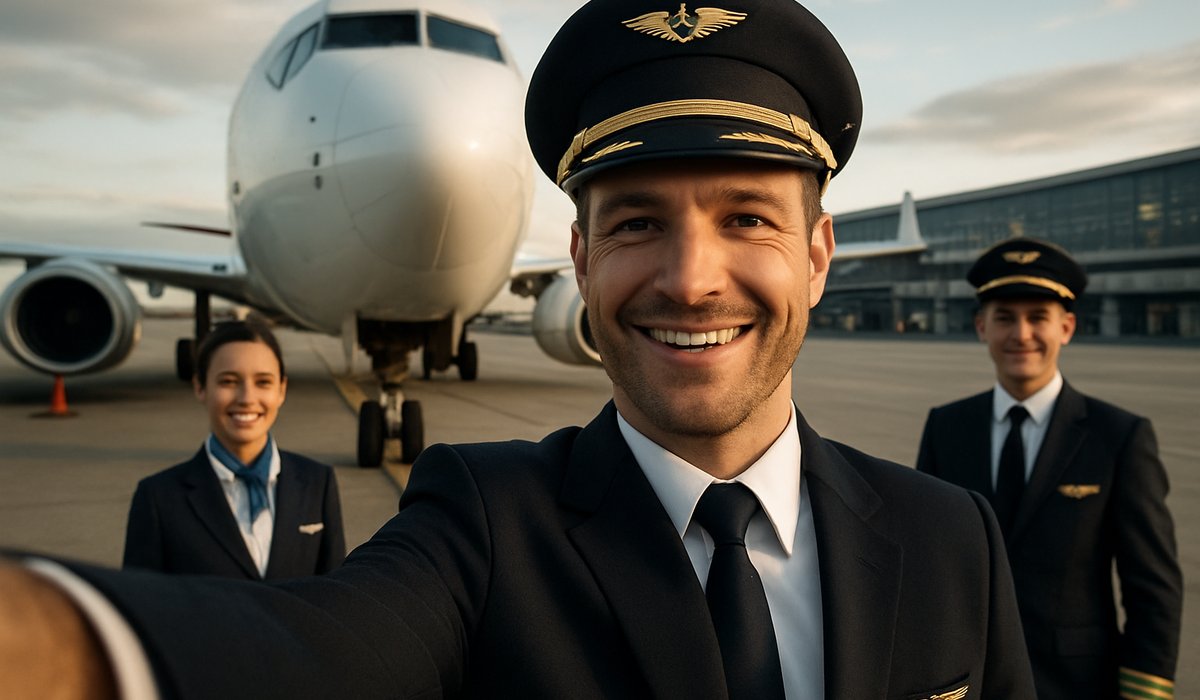
Image generated by AI
South Korean Fighter Pilot Selfie Ban: Inside the Military Aviation Safety Crisis That Changed Protocol
How a tragic final flight prompted sweeping policy reforms across the Republic of Korea Air Force
The Incident That Forced Change
The Republic of Korea Air Force operated without formal restrictions on in-flight photography for years, a gap in safety protocol that aviation safety experts now view as a significant regulatory oversight. That permissive culture shifted dramatically following a catastrophic incident involving a senior pilot's farewell flight, where the crew's focus on capturing memorable images in the cockpit contributed to a fatal outcome that would reshape military aviation standards across the service.
Years of Unrestricted In-Flight Photography
For an extended period, South Korea's fighter pilots engaged in in-flight selfies and photography with minimal oversight, a practice mirrored across various squadrons within the air force. What began as informal tradition—celebrating milestones and documenting career achievements—operated in a regulatory vacuum. Unlike commercial aviation, where strict protocols govern crew attention and cockpit procedures, military aviation standards lagged in addressing this emerging distraction risk.
The absence of explicit policy guidance created ambiguity among personnel regarding acceptable behavior during critical flight operations. Pilots and aircrew interpreted this silence as tacit approval, with senior officers often participating in or endorsing such activities.
A Turning Point
The trajectory changed when a major's retirement flight took a devastating turn. What was intended as a ceremonial sendoff—designed explicitly to capture memorable photographs during flight—instead became a cautionary tale in aviation safety. The incident underscored how in-flight distractions, regardless of intent, can compromise operational focus during critical phases of flight.
Institutional Response and Industry Implications
Following this tragedy, the Republic of Korea Air Force implemented comprehensive policy reforms establishing clear prohibitions on non-essential in-flight photography and selfie activities. The incident prompted broader examinations within military aviation communities worldwide regarding cockpit distraction management.
Aviation safety experts have long emphasized that pilot attention during flight operations cannot be compromised, regardless of circumstance or seniority. This case exemplified how informal safety cultures—even in highly trained military environments—can enable dangerous practices when formal oversight is absent.
The reforms implemented by South Korea's air force now serve as a benchmark for military aviation safety protocols globally, demonstrating how quickly institutional policy can evolve following critical safety incidents.
FAQ: Aviation Safety and In-Flight Protocols
Q: Do commercial airline pilots have restrictions on in-flight photography? A: Yes. Commercial aviation maintains strict cockpit protocols prohibiting non-essential activities that could distract pilots during critical flight phases.
Q: Why are in-flight distractions particularly dangerous for fighter pilots? A: Fighter operations demand continuous situational awareness at extreme speeds and altitudes; even momentary attention lapses can prove catastrophic.
Q: Has this incident influenced other military air forces' policies? A: Yes, aviation safety organizations have cited this case when recommending comprehensive distraction-management protocols across military aviation services.
Q: What distinguishes military from commercial aviation safety standards? A: While both prioritize safety, military operations often operate in higher-risk environments, requiring equally rigorous—sometimes more stringent—protocol enforcement.
Q: How do modern cockpit automation affect pilot attention requirements? A: Despite advanced automation, human vigilance remains essential, particularly during unexpected circumstances where manual intervention becomes necessary.
Related Travel Guides
Flight Delay Compensation Guide 2026
Understanding Airline Route Changes
Airport Security Process Updated (2026)
External Resources
Disclaimer
This article is for informational and educational purposes only. It does not constitute legal, financial, or professional advice. While we strive to provide accurate and up-to-date information, travel policies, regulations, and conditions change rapidly. Always verify information with official sources before making travel decisions. Nomad Lawyer makes no representations about the accuracy, reliability, completeness, or suitability of the information provided. Readers should consult qualified professionals for advice specific to their circumstances. The views expressed in this article are those of the author and do not necessarily reflect the views of Nomad Lawyer.
Kunal K Choudhary
Co-Founder & Contributor
A passionate traveller and tech enthusiast. Kunal contributes to the vision and growth of Nomad Lawyer, bringing fresh perspectives and driving the community forward.
Learn more about our team →