
American Airlines Secures $1 Billion Fleet Investment as Air Canada Takes Delivery of First A321XLR
Breaking airline news and aviation industry updates for 2026.

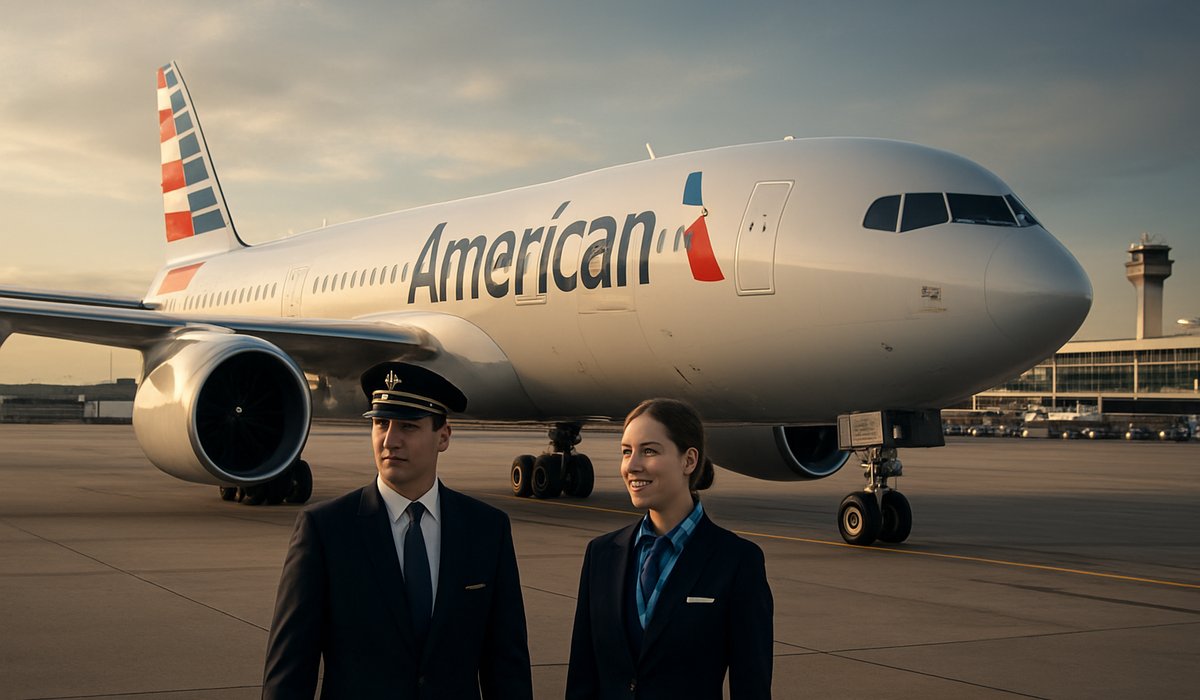
Image generated by AI
American Airlines Secures $1 Billion Fleet Investment as Air Canada Takes Delivery of First A321XLR
Major carrier modernization efforts signal renewed industry confidence despite economic headwinds
Fleet Expansion Marks Turning Point for Major North American Carriers
American Airlines has announced a substantial $1 billion capital injection aimed at accelerating its aircraft acquisition strategy, signaling aggressive expansion plans as the carrier seeks to modernize its aging fleet and enhance operational efficiency. The strategic investment underscores renewed confidence in aviation demand recovery despite persistent challenges in the sector, including elevated jet fuel prices and shifting consumer travel patterns.
Simultaneously, Air Canada has achieved a significant milestone by taking delivery of its first Airbus A321XLR—the Extended Long Range variant of the popular narrowbody jet. The aircraft represents a critical asset in the carrier's fleet modernization initiative, positioning the airline to compete more effectively on transcontinental and transoceanic routes with improved fuel efficiency and expanded capacity.
Boeing 777X Faces Further Timeline Adjustments
Adding to the industry's complex landscape, Boeing's highly anticipated 777X wide-body aircraft continues to experience certification delays. The latest projections indicate extended timelines for commercial deployment, creating ripple effects throughout the global supply chain and affecting major carriers' long-term fleet planning strategies.
Industry Context: Capital Investment Amid Volatility
These developments arrive as the aviation sector navigates considerable economic uncertainty. Airline operating costs remain elevated due to sustained jet fuel price pressures, forcing carriers to balance fleet modernization investments with profitability objectives. Many airlines have responded by implementing baggage fees and ancillary service charges to offset expenses—a trend likely to intensify as operators pursue sustainable growth models.
The $1 billion American Airlines commitment reflects broader industry trends toward fleet rejuvenation, with carriers increasingly recognizing that newer aircraft offer substantial operational advantages through reduced fuel consumption and lower maintenance expenses. Modern narrowbody and widebody jets can decrease airline operational costs by 15-20% compared to aging platforms, partially offsetting the astronomical baggage charges and service fees passengers now encounter.
Air Canada's Airbus acquisition strategy similarly demonstrates confidence in international travel recovery and the carrier's ability to compete on premium long-haul routes. The A321XLR's extended range capabilities enable single-aisle aircraft to operate on routes traditionally reserved for wide-body jets, fundamentally reshaping network economics.
Looking Ahead
As these three developments unfold simultaneously, they collectively illustrate how major North American carriers are positioning themselves for competitive advantage in an evolving aviation landscape. Fleet modernization investments, though capital-intensive, represent calculated bets on sustained demand recovery and long-term operational efficiency gains.
Frequently Asked Questions
Q: Why are airlines investing heavily in new aircraft despite high operating costs? A: Newer aircraft provide 15-20% fuel efficiency improvements, offsetting elevated jet fuel prices and reducing long-term maintenance expenses—critical advantages in competitive markets.
Q: What is the Airbus A321XLR, and why is it significant? A: The A321XLR is an extended-range narrowbody jet enabling airlines to operate transcontinental routes previously requiring wide-body aircraft, improving network flexibility and reducing per-seat operating costs.
Q: How do Boeing 777X delays impact airline fleet planning? A: Extended certification timelines force carriers to adjust delivery schedules, potentially delaying fleet modernization plans and affecting baggage fee strategies tied to new aircraft deployment.
Q: Are airline baggage fees connected to aircraft investment costs? A: Yes—ancillary revenues from baggage charges help finance fleet modernization investments while offsetting elevated fuel prices impacting airline economics.
Q: What does American Airlines' $1 billion investment signal about aviation recovery? A: The substantial capital commitment demonstrates carrier confidence in sustained travel demand despite economic headwinds, signaling industry recovery expectations.
Related Travel Guides
Flight Delay Compensation Guide 2026
Understanding Airline Route Changes
Airport Security Process Updated (2026)
External Resources
Disclaimer
This article is for informational and educational purposes only. It does not constitute legal, financial, or professional advice. While we strive to provide accurate and up-to-date information, travel policies, regulations, and conditions change rapidly. Always verify information with official sources before making travel decisions. Nomad Lawyer makes no representations about the accuracy, reliability, completeness, or suitability of the information provided. Readers should consult qualified professionals for advice specific to their circumstances. The views expressed in this article are those of the author and do not necessarily reflect the views of Nomad Lawyer.
Raushan Kumar
Founder & Lead Developer
Full-stack developer with 11+ years of experience and a passionate traveller. Raushan built Nomad Lawyer from the ground up with a vision to create the best travel and law experience on the web.
Learn more about our team →